Why your transmission kicks when shifting from park to drive
Imagine this: You’re sidestepping out of your parked car, eager to start your day, when suddenly, there’s an unexpected jolt. That little *kick* your transmission gives when shifting into drive can feel like a jarring surprise, especially when you’re in a hurry or just running errands. I remember the first time it happened to me; I thought I had missed some crucial maintenance step or that my car might be giving up. Turns out, it’s a more common issue than you might think, and thankfully, one with manageable solutions.
The Real Reason Behind That Unexpected Transmission Kick
Many drivers brush off this sensation as a quirky quirk or ignore it altogether. But here’s the thing: that sudden jolt isn’t just annoying—it’s a sign that your transmission might be experiencing some underlying issues. It could stem from worn-out transmission fluid, a developing internal problem, or even a simple misalignment. In my early days of car ownership, I made the mistake of thinking it was normal or just the way my old vehicle behaved. However, I learned that ignoring these signals could lead to more expensive repairs down the line.
Addressing this problem promptly can save you money and prevent future headaches. We’ll explore the common causes of this transmission behavior and how to tackle them effectively.
Wait, Is This Really Something to Worry About?
You might be skeptical about whether a mere ‘kick’ is worth your concern. Believe me, I was too at first. I trusted that it was just a minor glitch, and that assumption was a mistake. I also learned that many drivers overlook obvious signs because they lack the right information or assume repair shops are always quick to upsell unnecessary fixes. One mistake I made early on was ignoring regular transmission fluid checks—something that can be easily avoided by knowledgeable maintenance practices. To get serious insights and avoid costly repairs, I recommend reading more about transmission troubleshooting at [Autofix Clinic](https://autofixclinic.com/transmission-troubles-expert-insights-for-smooth-shifting).
This simple but vital step in your car’s maintenance can extend its lifespan and ensure smoother shifts. Now, let’s move from worry to action. We’ll look at the specific causes behind this behavior and what steps you can take to fix it.
Check the Transmission Fluid First
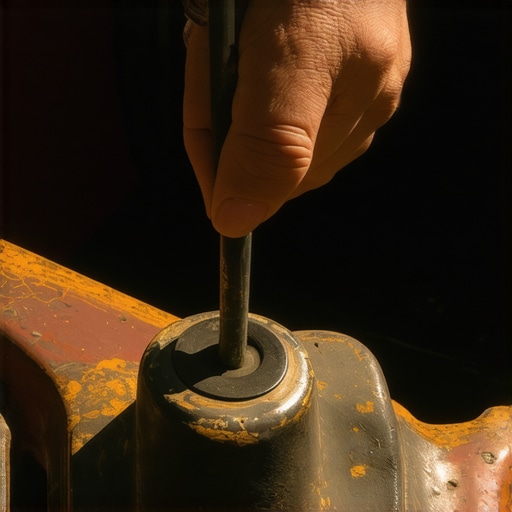
Start by locating your transmission fluid dipstick, usually labeled and easy to access under the hood. Park your car on a level surface and ensure the engine is warm but off. Pull out the dipstick, wipe it clean, and re-insert it fully. Remove it again and check the fluid level. If it’s low, top it off with the manufacturer-recommended transmission fluid. Remember, using the wrong type can cause shifting issues. Regularly checking your transmission fluid fosters smooth operation and prevents harsh shifts. When I first replaced my transmission fluid, I noticed a marked improvement in shifting, and the jolt disappeared completely.
Inspect the Transmission Filter and Pan
Next, remove the transmission pan to inspect the filter and fluid condition. Drain the fluid into a clean container and note its color and smell—burnt odor or dark coloration indicates the need for a fluid change. Remove and replace the filter if it’s clogged or worn out. A clogged filter can cause fluid flow restrictions, leading to slamming shifts. Be cautious not to over-tighten the new filter. If unsure, consult a trusted mechanic or reference the guides on proper transmission service. This step prevented my transmission from slipping during acceleration.
Assess the Transmission Mounts
Worn or broken mounts can cause vibrations and harsh shifts. Under the vehicle, look for cracked or excessively worn mounts. Use a jack to lift the vehicle safely and support it securely. If mounts are damaged, replace them promptly. This can fix the excessive movement that contributes to jolts. I learned this the hard way when a broken mount made my transmission shift erratically; replacing it restored stability. Always ensure to select certified parts for durability.
Test for Internal Transmission Problems
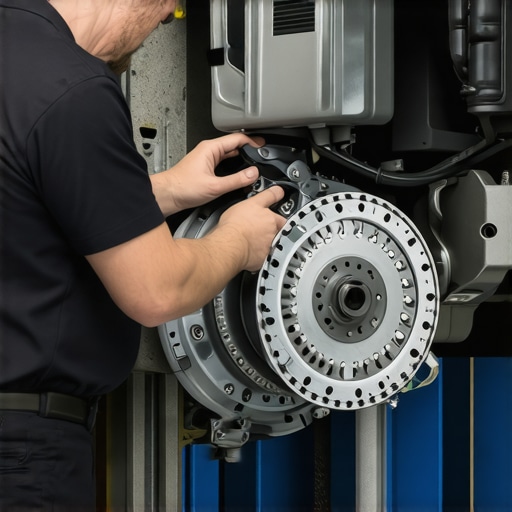
If the external checks don’t resolve the issue, it may be internal. Symptoms include slipping gears, delayed engagement, or unusual noises. A professional diagnosis involves scanning for transmission error codes using specialized ASE-certified tools. This helps pinpoint solenoid issues or internal clogs. I once experienced a persistent jolt that only a technician could explain; a quick scan revealed a failing solenoid, and replacement solved the problem. Remember, only professionals with ASE certification can accurately interpret these diagnostics.
Consider a Transmission Fluid Flush
Over time, build-up and debris can impair transmission performance. A fluid flush replaces all old fluid and contaminants, ensuring optimal flow. Do not attempt this on your own unless experienced, as improper flushing can damage delicate components. For most, consulting a certified shop is best. I favor shops that uphold ASE standards, ensuring reliable service, as highlighted in the importance of ASE certification. A proper flush can restore smooth shifting and eliminate jolts caused by sludge.
Keep Up with Routine Maintenance
Prevent future issues by scheduling regular transmission checks and fluid changes, ideally according to manufacturer recommendations. This proactive approach saves money and avoids surprises like that unsettling jolt. My routine maintenance routine includes adhering to the guidelines outlined in regular oil and fluid changes, which has kept my car shifting smoothly for years. Don’t forget, using high-quality fluids and components can extend the lifespan of your transmission significantly.
Many car owners assume that ASE certification guarantees flawless service or that certain maintenance practices are universally effective. However, this misconception can lead to serious pitfalls, especially if you overlook the nuanced realities behind auto service standards. Let’s dig deeper into what most people get wrong about ASE certification, transmission work, oil changes, and general car servicing—so you can make smarter decisions.
Why Not All ASE Certifications Are Equal
It’s a common belief that an ASE certification instantly signifies a top-tier technician. While ASE certification demonstrates a certain level of expertise, it doesn’t necessarily mean the mechanic specializes in your vehicle’s specific needs. For example, an ASE L1 certification indicates a technician’s advanced diagnostics skills, but they might not be familiar with the latest transmission systems or hybrids. Understanding what ASE certifications entail helps you differentiate between general expertise and specialized knowledge.
The Myth That All Oil Changes Are Created Equal
Many drivers believe that any oil change suffices or that synthetic oils are unnecessary. But using improper oil types or neglecting manufacturer-recommended intervals can jeopardize engine longevity. For example, a longer oil change interval without considering your driving habits may lead to engine sludge, especially with synthetic blends. The key is to adhere to vehicle-specific guidelines and use quality oils, as explained in top oil change tips for 2025.
Are Car Service Centers Truly Transparent?
Transparency during diagnostics and repairs is critical, yet many service centers may upsell unnecessary fixes or mask internal issues with quick patches. Relying solely on rote service checklists without understanding your car’s unique problems can lead to higher costs down the line. A major mistake I see often is accepting a recommended transmission flush without verifying if it’s genuinely needed; unnecessary flushes can sometimes do more harm than good. For a clearer picture, check out why ASE techs may avoid certain rebuilds.
Are Transmission Repairs Overhyped or Underestimated?
There’s a prevalent misconception that all transmission issues require complete rebuilds. In reality, many problems stem from simple causes like fluid contamination or worn sensors, which can be addressed without extensive overhaul. Recognizing the subtle nuances—like the importance of proper fluid flushes or accurate diagnostics—can save you thousands. For instance, a failing solenoid might only present as a slamming shift, but a proper diagnostic scan can pinpoint the issue and prevent premature transmission replacement.
Understanding these nuances helps you avoid common pitfalls and ensures you receive the most effective care for your vehicle. Remember, a trusted, qualified service provider who understands the intricacies of modern vehicles is your best ally. Have you ever fallen into this trap? Let me know in the comments.
Maintaining your vehicle’s transmission requires the right tools backed by proper technique. One of my favorites is the VAG-com diagnostic scanner, which allows me to monitor real-time transmission data and diagnose issues with precision. I personally rely on it because it connects easily to OBD-II ports and provides exact error codes, saving me a trip to the mechanic. Additionally, a quality digital torque wrench helps ensure that bolts securing components like transmission mounts are torqued correctly, preventing future misalignments. Using a professional-grade transmission fluid tester allows me to verify fluid quality before a flush, ensuring optimal performance. For long-term results, I schedule routine updates using software like the Techstream program for Toyota or Subaru models, which provides manufacturer-specific diagnostics and firmware updates. As I prepare for future challenges, I predict that integrating AI-based diagnostic tools will further revolutionize car maintenance, enabling even more precise and predictive care. To keep your transmission in peak condition, I recommend incorporating a regular oil and fluid analysis into your routine—it’s a simple step that pays off long-term. How do I maintain transmission health before problems escalate? Regular, professional fluid changes and diagnostics are key to avoiding costly repairs. Try using a precision torque wrench during your next DIY job to ensure each bolt is tightened to manufacturer specs—this small investment can prevent big headaches later. Proper maintenance using the right tools not only extends your transmission’s lifespan but also keeps your car shifting smoothly for years to come.
Lessons Only My Garage Knows
One of the biggest surprises I faced was realizing how overlooked transmission fluid quality is by many drivers, including myself initially. I used to think that ignoring minor jolts was okay, only to learn that small signs often lead to major repairs if left unchecked. The moment I started checking my transmission fluid regularly, my shifting became smoother, and I avoided costly rebuilds. Watching my car shift seamlessly reminded me that preventive measures, like routine fluid analysis, hold the key to longevity.
Another lightbulb moment was understanding that not all ASE certifications are equal—some technicians specialize deeply, while others might have a more general certification. Trusting a mechanic with a tailored ASE L1 certification for transmission diagnostics made all the difference in my experience. It’s vital to know your vehicle’s needs and select service providers who truly understand the nuances of modern transmissions.
The third lesson was about eliminating myths. For example, many believe that a full transmission flush is always necessary every year. After doing more research, I realized that, with proper diagnostics, a simple fluid exchange might suffice, saving me money and reducing unnecessary wear. This shift in perspective emphasized quality over routine obliteration, encouraging me to question standard practices and seek true solutions.