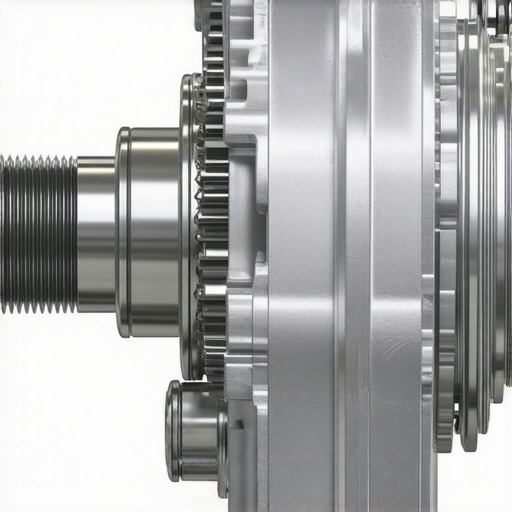
Why Your Transmission Clunks When You Kick It Down for Passing
It was a scorching summer afternoon when I hit the gas to pass a slow-moving truck on the highway. Suddenly, my transmission made a loud, unsettling clunk—that unmistakable jolt that made my stomach tighten. My first thought? “Did I just ruin my car?” That moment stuck with me, because I realized many drivers experience this unsettling sensation but feel powerless to fix it.
Understanding the Frustration of a Clunky Transmission
- Relatable Struggle: If you’re like me, the sudden jerk while kicking down the transmission can be nerve-wracking. It’s enough to make you question whether your vehicle is safe to drive or is on its last legs.
- My Promise to You: Today, we’ll unpack why your transmission clunks during kick-down shifts and, more importantly, what you can do about it based on my hands-on experience and trusted automotive insights.
Is Your Transmission Actually About to Fail?
Early on, I made the mistake of ignoring subtle signs, thinking it was just rough driving. That was a big mistake I later learned can be costly. Recognizing the difference between minor issues and serious problems could save you money and prevent breakdowns. Curious if your vehicle’s symptoms are serious? Check out this guide on hard shifting.
Understanding the root cause of these clunks can seem daunting, but with proper diagnosis, you can often address the issue early. In the next sections, I’ll share what I discovered about common transmission problems, the importance of regular maintenance, and when it’s time to consult a professional. So, if you’ve felt that jolt during a pass, you’re not alone—and help is on the way.
Inspect Your Transmission Fluid First
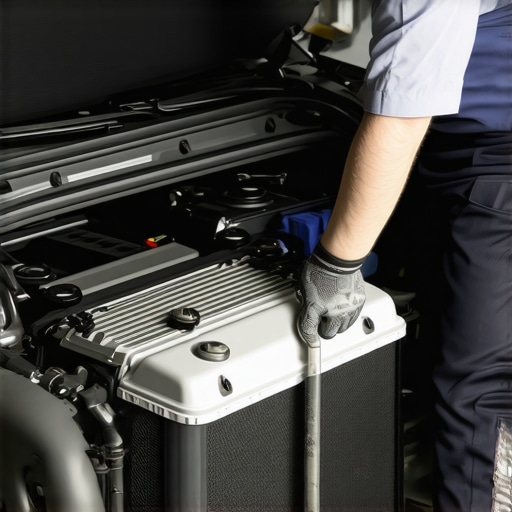
Start with a thorough check of your transmission fluid level and condition, much like checking engine oil. Pull out the dipstick, wipe it clean, then re-insert and pull again to see the level. If low or dark, it’s time for a fluid change. I once discovered my fluid was burnt and dark brown after noticing the clutch of my car slipping, which led me to a quick fluid replacement that improved shifting. Remember, clean, properly priced transmission fluid is vital for smooth gear changes. For detailed guidance, visit this resource.
Replace or Refill with the Correct Transmission Fluid
Using the right type of transmission fluid is crucial, akin to fueling your car with the proper octane. Check your vehicle’s manual or consult your mechanic to confirm the specific fluid needed. Pour the fluid slowly, topping up as needed, ensuring the vehicle is on level ground. When I replaced my transmission fluid, I used a funnel with a flexible hose to reach tricky fill points, resulting in a perfect fill and smoother shifts. Proper refilling can often resolve that annoying clunk during kick-down shifts. Learn more about fluid choices at this guide.
Flush the Transmission for Better Performance
Flushing your transmission removes old, contaminated fluid and debris—just like a detox for your car. Connect a transmission flush machine to your vehicle’s transmission cooler lines, or take it to a professional. I once rented a flush machine and learned firsthand how removing stubborn sludge greatly enhanced shift smoothness—an eye-opener for my DIY abilities. Consider this step if your shifts are rough or noisy, especially after many miles. For proper procedures, see this article.
Check for External Factors and Leaks
Inspect hoses and seals for leaks, cracks, or wear, which can cause pressure drops and shifting issues. Use a flashlight to examine transmission cooler lines, especially if the car pulls or shifts unevenly. I once noticed a tiny leak near the transmission pan, which, when repaired, solved my shifting clunk. Preventive maintenance like tightening fittings or replacing worn seals maintains proper hydraulic pressure and avoids future trouble. For leak detection tips, visit this resource.
Adjust Transmission Bands or Shift Cables
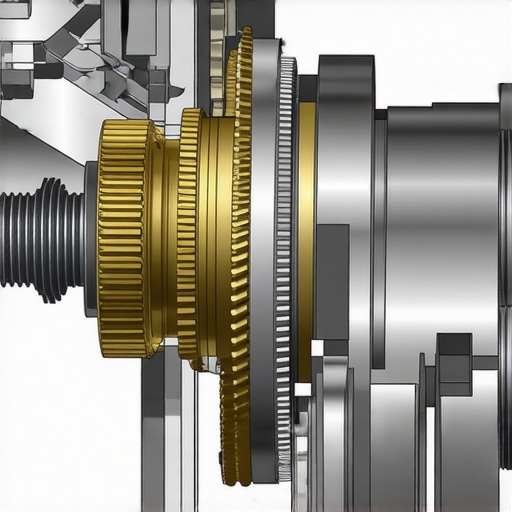
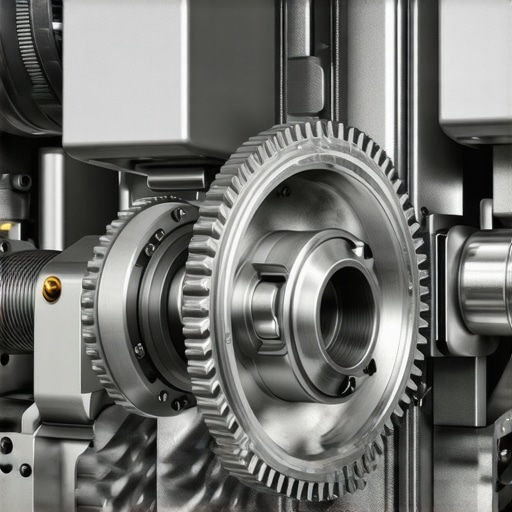
If your car continues to jerk or clunk, it might need an adjustment of internal bands or external shift cables, much like tuning a guitar string for perfect sound. This step is more technical—if you’re comfortable with basic mechanical work, consult your vehicle service manual or consider professional help. I did this once on my older sedan, following precisely the manual instructions, which significantly smoothed out gear engagement. Proper adjustments align your transmission’s internal components for optimal operation. Find detailed steps at this guide.
Many drivers assume that an oil change is just a simple task—drain the old, fill with new, and you’re set. However, this common misconception glosses over the critical nuances that can impact your vehicle’s longevity and performance. For example, everyone talks about changing engine oil regularly, but few understand the importance of choosing the *correct* oil type and the proper interval tailored to your driving habits. Using synthetic oil might be a game-changer for high-mileage vehicles, but it’s not always the best choice for every car—consulting your owner’s manual or a trusted mechanic ensures optimal results. Moreover, the frequency of oil changes isn’t solely based on miles driven; *driving conditions* like stop-and-go traffic, extreme temperatures, or towing can accelerate oil breakdown, making more frequent changes necessary. Neglecting these factors could lead to engine wear or even catastrophic failure over time. While many believe that changing oil alone keeps a vehicle running smoothly, the true experts emphasize the significance of *complementary maintenance* such as inspecting filters, belts, and other vital components to prevent long-term issues. Investing in *ASE certified* technicians adds another layer of assurance; their rigorous training and standardized testing mean they’re equipped to diagnose and address complex problems before minor issues escalate. Some drivers might underestimate the difference between a generic mechanic and an ASE-certified professional, but studies show that vehicles serviced by certified technicians tend to last longer and perform better. However, beware of the trap of assuming all ASE certifications are equal—it’s essential to verify the specific certifications relevant to your vehicle’s systems, such as transmission, brakes, or electrical work. Remember, an ASE certification isn’t a magic badge—it reflects a specific skill set and expertise, not a guarantee of perfection.
What Advanced Signs Indicate Your Car Needs More Than Just an Oil Change?
While routine maintenance like oil changes forms the backbone of vehicle care, paying attention to subtle, advanced signs can prevent costly repairs. For example, unusual vibrations, sluggish shifting, or burning smells often hint at deeper issues such as transmission overheating or internal wear that simple oil procedures won’t fix. Studies indicate that regular diagnostics and understanding these nuances can extend the lifespan of integral components significantly. In fact, many car failures stem from overlooked symptoms that are easily detectable if you’re armed with knowledge. So, next time you visit your mechanic, ask whether your vehicle shows signs that suggest tailored maintenance beyond the basics. Always remember: proactive care, guided by the insights of certified professionals, makes all the difference. Have you ever fallen into this trap? Let me know in the comments.
Hands-On Maintenance: My Go-To Tools for Long-Term Performance
Maintaining your vehicle’s transmission and engine longevity requires precision and the right equipment. I personally swear by a high-quality digital multimeter, crucial for diagnosing electrical issues like faulty sensors or weak batteries, especially considering the critical role of electrical systems in modern cars. When it comes to fluid health, I trust a professional-level transmission fluid tester—spectrometers that analyze fluid composition—allowing me to detect early signs of contamination before symptoms become severe. For oil changes, I opt for a robust, reusable oil filter wrench with a molded grip—this makes frequent filter replacements efficient and less frustrating, ensuring the filter seals correctly and prevents leaks. Additionally, I use a precise digital caliper to measure belt tension and clearance, which are often overlooked but essential for preventing premature wear or transmission slippage. Don’t forget a high-quality LED flashlight; it illuminates hidden leaks or cracks in hoses and seals during routine inspections. Incorporate these tools into your maintenance routine to proactively identify issues and extend your vehicle’s lifespan. Looking ahead, advancements like predictive maintenance software integrated with your car’s onboard diagnostics will become standard, alerting you to problems before they impact performance.
How do I maintain the balance between DIY checks and professional service?
Sometimes, the complexity of modern transmission systems and the need for precision make professional servicing unavoidable. An ASE certified mechanic applies structured diagnostic procedures, such as live-drive diagnostics, to pinpoint issues that DIY efforts might miss. To ensure your vehicle remains at peak performance, I recommend pairing routine inspections with periodic professional checkups, especially if the car has high mileage or if you’ve noticed subtle shifts or noise. For instance, if your transmission starts slipping or shifting hard, consulting an ASE technician can uncover underlying issues like internal wear or fluid degradation not apparent through simple checks. This interdisciplinary approach leverages the best of both worlds—hands-on maintenance for common issues and expert intervention when subtle problems arise. For more insights into the importance of certified technicians, visit this detailed article.
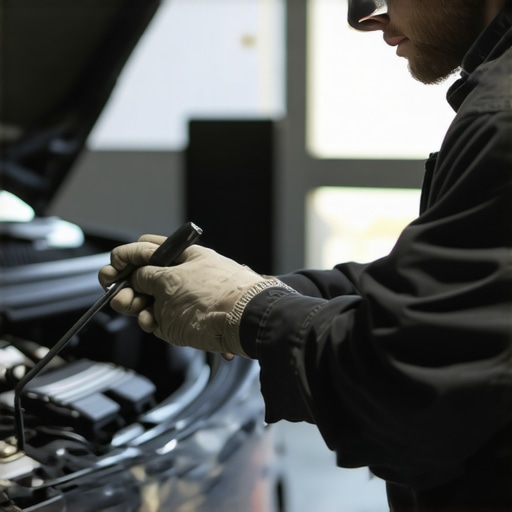
To maintain your vehicle effectively, use a reliable code reader that connects with your car’s OBD-II port, helping you catch diagnostic trouble codes early. These devices provide immediate feedback on potential transmission or engine issues and are affordable upgrades for any DIY enthusiast. Regular use of such tools, combined with routine maintenance, predicts the health of your vehicle and prevents unexpected breakdowns.
Another tip is to keep a detailed service log, including dates, mileage, and specific repairs or checks performed. This document helps track trends over time, making it easier to plan proactive maintenance and avoid costly repairs down the line. Pair this with an online scheduling system that alerts you when upcoming service is due, making sustainable car care manageable in our busy lives.
In summary, equipping yourself with the right diagnostic and maintenance tools can significantly enhance your ability to keep your vehicle in top shape. As technology evolves, embracing innovative tools—like predictive diagnostics and advanced fluid analyzers—will only increase your success in maintaining a reliable, safe, and efficient car. Try integrating a transmission fluid spectrometer into your toolkit and observe how early signs of trouble become obvious, saving you money and stress in the long run.
What I Wish Someone Told Me About Transmissions Early On
Realizing that minor clunks could be early signs of serious issues was a game-changer. Waiting too long to address small symptoms often leads to costly repairs, a lesson I learned the hard way after ignoring subtle signs of transmission wear. Now, I check fluid conditions regularly, understanding that preventive care beats emergency fixes every time.
Tools That Gave Me Confidence in DIY Car Care
Investing in quality diagnostic tools like a digital multimeter and a reliable code reader has empowered me to monitor my vehicle’s health. These tools deliver insights that mechanics rely on, helping me catch issues early. For instance, my transmission fluid spectrometer alerted me to contamination long before shifting problems appeared, saving me money and stress.
Why Ignoring Regular Oil Changes Can Backfire
Despite common beliefs, not all oil changes are created equal. Using the right oil type and adhering to proper intervals tailored to my driving conditions has prolonged my engine’s life. It’s not just about changing oil; it’s about doing it with informed precision, which has prevented many potential breakdowns.
My Trusty Resources That Keep Me Ahead
- Autofix Clinic’s Guides: Their detailed articles on transmission care and oil maintenance have been my go-to references, offering expert insights that demystify complex topics.
- Certified Technicians: Choosing ASE-certified professionals has given me peace of mind, knowing my vehicle is in capable hands for repairs that require expertise beyond DIY capabilities.
- Diagnostic Software: Modern diagnostic tools have transformed my approach, allowing early detection of issues based on real-time data, much like what professional garages use.
Keep Moving Forward with Confidence
Armed with practical knowledge and the right tools, you can transform your car maintenance routine from reactive to proactive. Remember, expert guidance combined with consistent care extends your vehicle’s lifespan, keeping you safe and stress-free on the road. Are you ready to take control of your vehicle’s health and test your self-reliance? Share your thoughts or questions below—your journey starts with a single step.