Why Your Car Hesitates for a Second When You Merge Onto the Highway
I remember the first time I tackled merging onto the highway in my own car. It was a sunny afternoon, and I was eager to keep up with traffic. But as I accelerated to merge, my car hesitated—the engine sputtered for a split second before smoothly charging forward. That unsettling pause made me nervous, especially since I didn’t know what was causing it. That moment was a lightbulb for me; I realized that this hesitation isn’t just an annoyance—it’s a sign something’s not quite right.
Deciphering the Mysterious One-Second Delay
Many drivers experience a brief hesitation when merging onto the highway, and it can be downright nerve-wracking. This hesitation is often caused by issues within the transmission system, fuel supply, or engine management. Over time, I learned that neglecting this problem can lead to more significant, costly repairs, which is why understanding the root cause is so important.
Is This Problem Worth Worrying About?
Initially, I thought it was just a quirk of my car or maybe a warm-up phase. But I soon discovered that ignoring a hesitation during acceleration can affect your car’s overall health and safety. According to automotive experts, such delays may indicate underlying issues like dirty fuel injectors, old transmission fluid, or misfiring spark plugs. Recognizing these early signs can save you money and prevent breakdowns on the highway.
Early on, I made the mistake of ignoring the problem and delaying maintenance, which only made things worse. After some research, I learned that keeping your vehicle in top shape requires more than just regular oil changes—it’s about understanding how different components work together. For example, regular transmission maintenance, like fluid exchanges, can significantly improve how smoothly your car shifts and accelerates. Curious about improving your vehicle’s performance? You might find this [article on transmission troubles](https://autofixclinic.com/transmission-troubles-expert-insights-for-smooth-shifting) helpful.
Now, if you’ve ever experienced that sudden pause when merging, you’re not alone. It’s a common but fixable issue. The good news is, with some simple checks and maintenance, you can eliminate this hesitation and enjoy safer, more confident driving. Keep reading, and we’ll walk through the exact steps to diagnose and fix this problem—because your car should respond the way you want, every time you need it.
Check Your Transmission Fluid Level and Condition
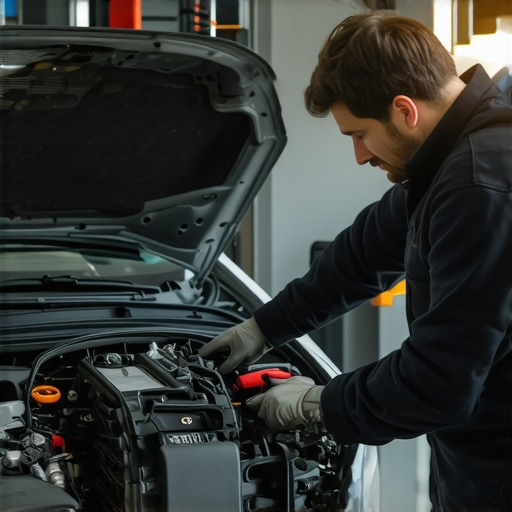
Start by ensuring your transmission fluid is at the proper level and looking clean. A low or burnt-smelling fluid can cause hesitation during acceleration. To do this, park your car on a level surface, apply the handbrake, and locate the transmission dipstick (check your owner’s manual if unsure). Remove the dipstick, wipe it clean, then reinsert and pull it out again to read the level. If it’s below the recommended mark or dark brown/black, a fluid exchange might be necessary. Remember, regular transmission fluid exchanges can significantly improve shifting performance—see this guide for detailed advice.
Inspect the Fuel System for Blockages
Clogged fuel injectors or a dirty fuel filter can lead to inconsistent fuel delivery, causing hesitation. To verify this, disconnect the fuel line and inspect the filter for debris. If clogged, replace it following manufacturer instructions or have an ASE-certified technician do it. Proper fuel delivery ensures smooth acceleration. To keep your fuel system in top shape, consider regular fuel system cleaning, which can prevent blockages from forming in the first place.
Evaluate Spark Plugs and Ignition System
Worn or fouled spark plugs can cause misfires, resulting in hesitation. Remove one from the engine and check for signs of wear, such as worn electrodes or black soot. Replace spark plugs that are past their service interval—or if you’re unsure, get a professional tune-up. Using high-quality, correctly gapped spark plugs can improve combustion efficiency. For best results, pair spark plug maintenance with a tune-up from an ASE-certified technician: learn more here.
Test and Optimize Your Car’s Sensors
Many modern vehicles rely on sensors like the Throttle Position Sensor (TPS) and Mass Air Flow (MAF) sensor for smooth operation. If these sensors malfunction or send incorrect data, hesitation can occur. Use a scan tool to check for error codes related to these sensors. Cleaning or replacing faulty sensors can restore proper communication with the engine management system, eliminating delay during acceleration. To understand more about sensor troubleshooting, consider reading this article.
Schedule a Professional Diagnostic Test
If you’ve gone through these steps and still experience hesitation, it’s time to consult an ASE-certified technician for a comprehensive diagnosis. They can perform live drive diagnostics to pinpoint issues that aren’t evident through simple inspections. Remember, neglecting persistent problems can lead to more expensive repairs later on. Regular vehicle maintenance, including transmission checks and oil changes, keeps your car running smoothly and can prevent hesitation—see top oil change tips for more info.When it comes to vehicle care, there’s a lot of misinformation circulating, leading even savvy drivers astray. A common misconception is that all transmission issues are unmistakably obvious or that any mechanic can handle them equally well. But in my experience specializing in automotive diagnostics, precision matters more than most realize. For example, many believe that regular oil changes alone keep transmissions healthy, yet advanced issues like internal clutches slipping or solenoids malfunctioning require specialized diagnostics—they don’t manifest with simple oil changes. Moreover, the significance of ASE certification is often underestimated; a technician with this certification has undergone rigorous testing, ensuring they understand complex systems beyond basic service knowledge learn more here. A critical pitfall is ignoring subtle signs such as delayed shifting or shuddering, which can signal underlying problems that become costly if left unaddressed. Many drivers think that a quick fluid top-up or limited DIY fixes will suffice, but these can mask serious problems and delay necessary repairs. For instance, failing to replace old transmission fluid at recommended intervals can lead to varnish buildup, causing internal components to stick and leading to slipping or overheating see the risks here. I’ve also noticed that some assume that all car services are created equal; however, choosing an unqualified technician for complex procedures like transmission rebuilds or ECU tuning frequently results in subpar performance and further expenses. Advanced car owners might wonder: Why do some symptoms persist even after routine maintenance? This is often because of overlooked nuances such as sensor calibration, valve body cleanliness, or software updates. Modern transmissions depend heavily on electronic controls, making diagnostics more sophisticated than ever. Understanding the difference between a simple fluid change and a diagnostic repair can save you hundreds or even thousands in the long run. So, instead of settling for generic advice, seek out certified professionals who leverage the latest technology and industry insights. Regular maintenance like oil and filter changes is vital, but it’s equally important to address internal system complexities before they cause breakdowns. If you’re curious about how to identify true ASE-certified technicians, or want to explore more about advanced transmission care, don’t hesitate to reach out here. Have you ever fallen into this trap? Let me know in the comments.Maintaining your vehicle’s performance requires more than just routine oil changes; having the right tools and methods can make a significant difference. One essential device I personally rely on is an OBD-II scanner like the Autel MaxiCOM MK808. It offers comprehensive diagnostics, enabling me to read and clear error codes efficiently, which helps catch issues before they escalate. Coupled with a good quality multimeter, I can verify sensor voltages and troubleshoot electrical problems accurately, saving time and money. When it comes to routine maintenance, I swear by a hydraulic transmission dipstick to monitor fluid levels without guesswork, ensuring your transmission fluid remains at optimal levels, thus preventing hesitation or slipping. For oil changes, I recommend a torque wrench calibrated to your vehicle’s specifications to ensure proper filter and drain plug tightening—over-tightening can cause leaks, while under-tightening risks component failure. Regularly inspecting and replacing your transmission fluid is crucial; I follow a schedule based on manufacturer recommendations, typically every 30,000 to 50,000 miles, which significantly extends the life of your transmission. As technology advances, mobile apps like Carfax’s Damage Discovery or FIXD assist in tracking your vehicle’s history and diagnosing issues on the go, giving you peace of mind and empowering you to maintain your vehicle proactively. Looking to the future, I predict remote diagnostic tools and AI-driven maintenance plans will become standard, making vehicle upkeep more accessible and precise. To keep your car in top shape, ask yourself: how do I maintain my vehicle over time? The key lies in consistent inspections, using reliable tools, and staying informed about manufacturer updates. For example, employing a reputable transmission fluid exchange service can prevent costly repairs down the line; I recommend using proven methods such as doing a complete fluid flush every 50,000 miles, as detailed in this expert guide. Don’t wait for a problem to manifest—try integrating one of these precise tools into your maintenance routine and see the difference it makes. Regular monitoring and early intervention are your best defenses against long-term damage, ensuring your vehicle continues to serve you reliably for years to come.Over the years, I realized that mastering vehicle maintenance isn’t just about following standard procedures—it’s about understanding the subtle signs your car gives and acting on them. The most valuable lesson I learned is that proactive diagnostics and personalized care can prevent costly breakdowns. For instance, recognizing early hesitation and addressing it promptly often meant the difference between a minor fix and a full transmission overhaul. Trust me, investing time in learning your car’s unique behavior can save you significant money and stress in the long run. Another insight is that not all tools are created equal; using high-quality diagnostic equipment helps pinpoint issues precisely rather than relying on guesswork. Lastly, aligning with ASE-certified technicians who understand the intricacies of modern transmissions ensures that your vehicle gets expert care tailored to its specific needs, rather than just generic services. These lessons have transformed how I approach vehicle maintenance—making it more about prevention than repair, and helping me keep my car running smoothly for years rather than months.