How to spot transmission shudder before it ruins the car
One morning, as I pulled out of my driveway, I felt a strange jolt in my car’s transmission that I hadn’t noticed before. It was subtle—just a slight shudder every time I shifted gears—but enough to set off alarm bells in my mind. I realized then that I’d missed the early signs of transmission trouble, and I wondered how many drivers overlook these warning signals until it’s too late. That experience taught me a valuable lesson: catching transmission shudder early can save you a lot of money and stress down the road.
Why Paying Attention to Transmission Shudder Could Save Your Car—and Your Wallet
The truth is, many of us don’t give our cars the attention they deserve until something breaks. And shuddering or vibrations during gear shifts are often mistaken for harmless nuisances, when in fact they can foreshadow serious transmission issues. As I soon learned, early detection and action can prevent the inconvenience of sudden breakdowns and costly repairs. Recognizing these signs at home means you can schedule maintenance proactively, rather than scrambling for last-minute fixes. Plus, staying ahead of transmission problems helps preserve your car’s overall health, meaning fewer visits to the mechanic and more peace of mind.
Is Transmission Shudder Really Worth Worrying About?
Initially, I thought those occasional jerks were just normal wear and tear. I made the mistake of dismissing them, thinking, “It’s probably nothing.” It was a mistake I learned the hard way. I only realized their severity when my transmission finally failed, costing me hundreds in emergency repairs. According to automotive experts, ignoring subtle signs like shuddering can lead to complete transmission failure, which might be way more expensive to fix than a simple fluid change or filter replacement. So, yes—transmission shudder is worth your attention. Recognizing and addressing it early makes all the difference.
If you’ve ever felt that unsettling shake when your car shifts gears, you’re not alone. Many drivers simply accept it as normal or ignore it altogether. But trust me, your car isn’t trying to play a cruel joke; it’s trying to tell you something. And catching that signal early can prevent a lot of headaches and unnecessary expenses. Ready to learn exactly how to spot these warning signs before your transmission becomes a costly problem? Let’s dive into what you need to watch for and how to tackle the issue step by step.
For more insights on transmission issues and how to keep your vehicle running smoothly, check out this expert guide.
Start with a Quick Inspection of Your Transmission Fluid
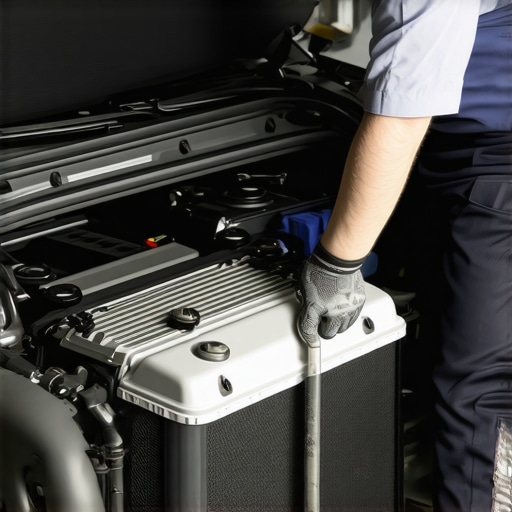
Before diving into complex repairs, check your transmission fluid level and condition. Use the dipstick to assess if it’s low or darkened, which can cause shuddering. Remember, fresh, clean fluid lubricates your transmission smoothly, preventing jerks during gear shifts. I learned this firsthand when I noticed my car shuddering; after a quick fluid check, I realized it was overdue for a fluid change. Regularly inspecting your transmission fluid is like giving your car a health check-up—simple but vital. For correct procedures and safety tips, consult this guide.
Drain and Replace Transmission Fluid Properly
To replace the fluid, you’ll need to lift your vehicle securely on jack stands. Use a fluid pump to extract the old fluid through the drain plug or dipstick tube, depending on your car model. Be cautious: disebutkan bahwa old transmission fluid often contains debris and burnt particles that compromise shifting. Drain it thoroughly before refilling with the manufacturer’s recommended type. Think of this process as flushing out toxins to restore your transmission’s health—similar to changing oil in your engine for optimal performance. During my last fluid change, I used a dual-drain method to ensure complete removal, which noticeably improved my shifting smoothness.
Check and Replace Transmission Filter and Other Components
Many modern transmissions have filters that trap impurities. Locate and remove the filter following your vehicle’s service manual. Replacing a clogged filter prevents debris from circulating and causing shudder. It’s comparable to filters in an HVAC system—clean filters ensure everything runs smoothly and quietly. I once overlooked this step, and my transmission continued to shudder; after replacing the filter, the problem vanished. If you’re unsure about parts or procedures, a quick call to a trusted car service expert can save you time.
Conduct a Gearbox Diagnostic Test
To identify specific issues, perform a diagnostic scan using an OBD-II scanner. Many cars store transmission error codes that point to solenoid failures, sensor malfunctions, or mechanical wear. Connecting a scanner and interpreting codes provides targeted insights, saving you from guesswork. Think of it as a doctor using an MRI—highly informative. I used this method when my car continued to shudder even after fluid and filter changes; the scan revealed a faulty torque converter lock-up solenoid, which I had replaced promptly. For expert diagnosis, consider consulting ASE-certified technicians.
Address Mechanical or Hydraulic Failures
If fluid and parts are in good shape but issues persist, inspect hydraulic lines, clutch packs, and sensors. Hydraulic leaks or worn clutch components can cause inconsistent gear engagement and shudder. Use a mechanic’s stethoscope to listen for unusual noises or vibrations during operation. Analogously, it’s like cleaning clogged arteries—if fluidways are blocked or leaking, your transmission can’t function correctly. In my case, after ruling out fluid issues, a mechanic found a worn-out clutch assembly that was causing the shudder. Replacing this component restored a smooth shift and extended the lifespan of my transmission.
Prevent Future Transmission Problems with Routine Maintenance
Regular oil changes, checkups, and service visits are your best defense against transmission issues. Schedule oil changes at recommended intervals; this resource highlights essential tips. Clean fluids and filters keep mechanical parts lubricated and free from debris. Think of it as a wellness routine—consistent attention prevents severe breakdowns. I now set quarterly reminders to check my transmission fluid, which has kept my vehicle shifting seamlessly for years. Staying proactive with maintenance is akin to visiting your doctor annually—investment in your car’s health pays off in long-term reliability.Many car owners believe that all transmission issues stem from worn-out parts or straightforward causes, but in reality, there’s a web of subtleties that often get overlooked. For instance, a common misconception is that replacing transmission fluid is only necessary when there’s visible contamination or smell; however, some experts highlight that fluid condition can deteriorate internally without obvious signs, leading to unseen damage over time. Regularly testing transmission fluid with a diagnostic scanner can reveal early wear—especially when combining this with services like ASE certification standards, ensuring you get top-tier diagnostics.
Many drivers also assume that oil changes or traditional car service routines are always sufficient. But advanced systems require tailored attention. A misstep here is neglecting to use manufacturer-approved oils or forgetting the importance of routine filter replacements—errors that can cause complex transmission failures. Interestingly, studies show that vehicles with scheduled, expert-serviced transmissions experience fewer breakdowns, saving significant costs in the long run. This emphasizes the importance of understanding that not all services are created equal. Visiting a trusted mechanic who adheres to certified standards ensures your car benefits from nuanced care.
Another nuance lies in how people overlook the significance of high-quality diagnostics in preventing costly repairs. Connecting an OBD-II scanner and interpreting error codes can save hours of guesswork, especially when dealing with transmission hunting or slipping. The key is recognizing that advanced diagnostic tools go beyond surface-level observations, revealing hidden issues like faulty solenoids or hydraulic failures before they escalate. Remember, as I always say, early detection is your best defense—so don’t dismiss that subtle catch or shift problem. For more on this, check out this expert guide.
What most people get wrong is assuming that certifications alone guarantee quality. In my experience, the true value resides in ongoing education, adherence to latest industry standards, and attention to specific vehicle nuances. An ASE certification isn’t just a badge—it’s a foundation for deep knowledge. Ensuring your mechanic’s expertise aligns with complex modern vehicle systems is crucial. Combining certified skills with insights like correct oil change intervals or modern transmission diagnostics can drastically enhance your car’s longevity.
Have you ever fallen into this trap? Let me know in the comments. Remember, understanding these nuanced insights can save you from big headaches—so stay informed and proactive about your vehicle health.
Keep It Running: Tools I Recommend for Reliable Car Maintenance
Maintaining your vehicle over the long haul requires more than just good intentions—it demands the right tools and methods. As an ASE-certified technician, I rely on a combination of specialized equipment and software to diagnose, service, and optimize transmissions and other critical components. One tool I never leave my garage without is a high-quality OBD-II scanner. It provides instant access to error codes, helping identify issues like solenoid failures or clutch wear before they escalate. Personally, I use this scanner because its compatibility with a broad range of vehicle makes makes diagnostics faster and more accurate, saving time and reducing unnecessary part replacements.
For transmission fluid analysis, I prefer a digital refractometer. This device measures the fluid’s refractive index, indicating contamination levels or moisture presence. Regular testing with this tool can prevent sludge build-up and extend transmission lifespan, aligning with advice from experts like those found in trusted automotive maintenance guides. Combining diagnostic scans with fluid testing offers a comprehensive picture of your vehicle’s health, giving you confidence during long-term upkeep.
Another invaluable tool is a purpose-built hydraulic pressure tester. This helps verify the integrity of hydraulic systems, ensuring the clutch pack and gear engagement components function smoothly. I personally use a model that’s adjustable with quick-connect fittings, which makes testing different systems straightforward. Reliable hydraulic pressure is crucial for preventing transmission shuddering and gear slipping, and maintaining it is a proactive step in avoiding costly repairs down the line.
How do I maintain my transmission over time?
Consistent maintenance hinges on using precise methods and tools. Schedule regular transmission fluid changes, ideally every 30,000 to 50,000 miles, depending on your vehicle and usage. Incorporate diagnostic scans periodically, especially after noticing subtle shifts or vibrations. Also, consider upgrading to high-quality fluids recommended by your vehicle manufacturer, which can be verified using tools like the transmission fluid refractometer. Staying vigilant with these practices will keep your transmission performing reliably and extend its lifespan significantly.
Looking ahead, the future of vehicle maintenance promises even smarter tools—integrating AI-driven diagnostics and wireless data transmission for instant, continuous health checks. Already, certain apps connect with onboard sensors to alert you of potential issues before they become urgent. Adopting these innovations now can give you a substantial edge in proactive car care.
If you’re ready to upgrade your maintenance routine, I highly recommend trying out a diagnostic scanner like the one I mentioned. It’s an investment that pays off by catching problems early and reducing repair costs. For personalized advice on selecting the right tools for your vehicle, reach out to a trusted technician. Remember, proper tool selection combined with consistent care is your best bet to keep your car running smoothly for years to come!
}**}**} rèpòndotation:
The Hardest Lesson I Learned About transmission,ASE certified,oil change,car service
One striking realization I had was that overlooking the subtle signs of transmission trouble often leads to bigger setbacks. Early in my car maintenance journey, I dismissed minor jerks and vibrations, assuming they were normal. However, I learned that these are often the first whispers of impending issues. Listening carefully to your vehicle’s signals and acting promptly can save you from costly repairs and stress, a lesson reinforced by my own experiences and expert advice.
Tools That Transformed My Approach to Transmission Care
Discovering reliable diagnostic tools changed the game for me. Using a quality OBD-II scanner allowed me to spot hidden error codes early, while a transmission fluid refractometer helped monitor fluid condition precisely. These tools, trusted by ASE-certified technicians, empower any car owner to conduct proactive maintenance, preventing issues before they escalate.
Empowering Your Maintenance Routine for Longevity
Integrating routine checks like fluid analysis, filter replacement, and diagnostic scans with guidance from trusted sources ensures your transmission remains healthy. Sites like this resource provide practical tips for selecting quality service providers. Staying committed to a disciplined maintenance schedule not only preserves your vehicle’s performance but also extends its lifespan, making every dollar spent worthwhile.
Keep Your Transmission Shifter-Friendly with Expert Care
My journey taught me that understanding and respecting your vehicle’s warnings are vital. Learning to recognize the faintest shudder or irregular shift pattern can make all the difference. Remember, proper maintenance involving precise tools, attentive inspection, and prompt action transforms a potentially costly problem into a manageable routine. By adopting these insights, you’re taking a confident step toward ensuring your vehicle’s smooth operation for years to come.
What’s Your Next Move to Protect Your Transmission?
Have you ever caught a subtle sign that your transmission was struggling? Share your experience below—your observations might help others prevent costly repairs and extend their vehicle’s life. Staying informed and proactive is the key to effortless driving and long-term savings.