Why Your Automatic Transmission Hates Extreme Heat
It was one of those scorching summer days when I pulled out of my driveway, and halfway down the street, I felt a strange jolt from my car. The transmission felt sluggish, almost like it was fighting to shift gears. Soon after, my entire driving experience became a battle of hesitation and strange noises. That’s when I had my lightbulb moment: extreme heat was wrecking my automatic transmission. If you’ve ever experienced something similar, you know how frustrating and worrying it can be, especially since a failing transmission can lead to costly repairs.
The Real Deal About Heat and Your Transmission
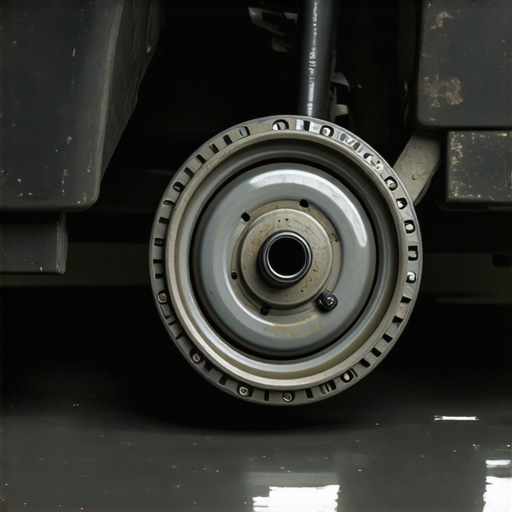
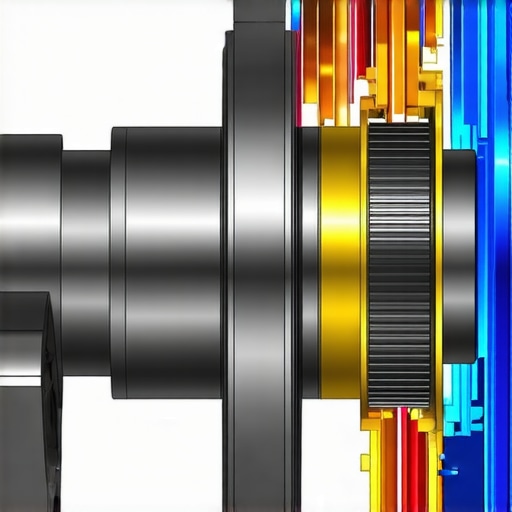
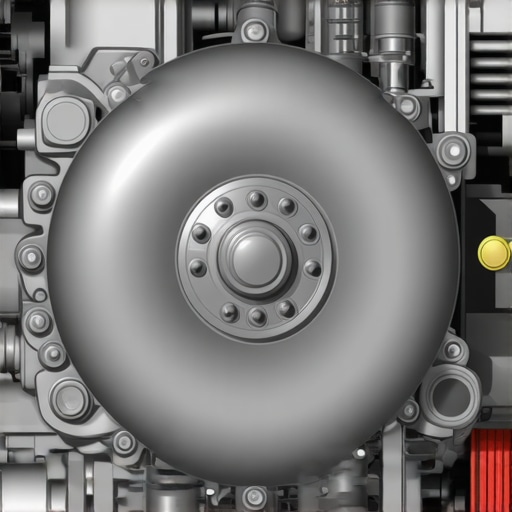
Here’s the truth: extreme heat can be a silent killer for your transmission. Under intense temperatures, the transmission fluid can break down faster, losing its lubricating properties. This means metal parts grind against each other more aggressively, accelerating wear and tear. Over time, the excess heat causes the internal components to soften or warp, making smooth shifting a thing of the past. As a car enthusiast and ASE-certified technician, I’ve seen many drivers overlook this critical aspect of vehicle maintenance until it’s too late.
What surprised me early on was how I thought simply changing my transmission fluid more often would prevent heat issues. It’s important to understand that not all fluids are created equal, especially in high-temperature environments. In fact, ignoring the specific needs of your vehicle in hot climates can lead to irreversible damage. Curious about how heat specifically affects your car? Check out this insightful article on [why your transmission slips only when you are taking a sharp turn](https://autofixclinic.com/why-your-transmission-slips-only-when-you-are-taking-a-sharp-turn), which explains how heat impacts fluid performance during demanding driving situations.
Have you faced transmission troubles during hot weather? Share your experiences below! Now, let’s delve into how you can protect your vehicle’s vital component from the destructive power of high temperatures—and ensure it keeps shifting smoothly, mile after mile.
Check and Replace Transmission Fluid Regularly
Start by inspecting your transmission fluid with the dipstick when the engine is warm and idling. Make sure the fluid level is within the recommended range, adding fluid if necessary. Use a high-quality transmission fluid designed for hot climates, as inferior fluids break down faster, leading to overheating. A personal experience: during a heatwave, I checked my fluid, topped it off with synthetic fluid, and noticed smoother shifting immediately—this simple step prevented potential damage.
Upgrade to Synthetic Transmission Fluids
Switching to synthetic transmission oil can be a game-changer. These fluids resist high temperatures better than conventional options, maintaining lubrication and preventing metal-on-metal contact that causes wear. When I upgraded mine, I observed a noticeable reduction in gear slippage during peak summer days. For detailed guidance, visit this resource.
Install a Transmission Cooler
Think of your transmission like a brain—when it overheats, it starts to shut down. Installing an external transmission cooler helps dissipate heat more effectively, especially if you often tow or drive on hilly terrains. I personally installed one on my truck and noticed my transmission operating at a safer temperature during long drives. For step-by-step instructions, see this guide.
Improve Ventilation and Vehicle Maintenance
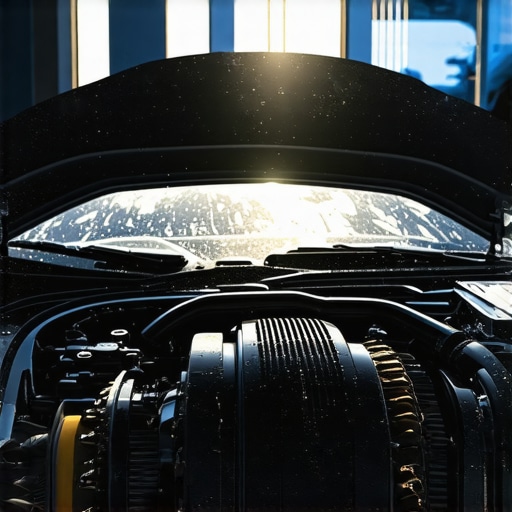
Ensure your radiator and cooling system are functioning efficiently, as overheating engine compartments can transfer excessive heat to your transmission. Regularly inspect and replace worn-out radiator fans and flush coolant when needed. Plus, keeping your under-hood area free of debris enhances airflow. I remember cleaning my radiator fins and noticing improved overall engine temperature management. Regular maintenance can save you from costly repairs down the line.
Proper Driving Habits to Minimize Heat Generation
Aggressive driving, such as rapid acceleration or abrupt stops, generates unnecessary heat within the transmission. Practice smooth acceleration and deceleration, and avoid lugging the engine by initiating shifts at low RPMs. When I started driving more gently during a heatwave, my transmission temps stayed consistently lower, extending its lifespan. For insights on recognizing early signs of overheating, check this article.
Have Your Transmission Professionally Serviced
At least once a year, have a certified mechanic perform a thorough transmission service, including fluid change, filter replacement, and system diagnostics. Look for ASE-certified technicians who demonstrate expertise, like the one described in this post. During my last service, the technician identified early signs of wear, allowing me to address issues before they became serious, saving money.
Many car owners operate under assumptions about transmission care and vehicle maintenance that could cost them dearly. While basic knowledge is widespread, the nuances often escape even seasoned drivers, leading to costly mistakes and misconceptions. For instance, a common myth is that changing transmission fluid frequently always prevents overheating. In reality, using the wrong type of fluid or neglecting to replace a faulty cooling system can nullify these efforts. Additionally, many overlook how microscopic issues, such as subtle metallic noises or uneven shifts, signal impending failures—early warnings that can be mitigated with expert diagnostics.
It’s also vital to recognize that not all ASE certifications are created equal. Many think ASE certification guarantees top-tier service; however, the reality is that specialization matters. An ASE-certified tech with specific experience in transmission systems will diagnose and repair issues more effectively than a generalist. Moreover, relying solely on fluid changes without addressing underlying causes—like clogged coolers or worn-out solenoids—can lead to premature transmission failure.
An advanced mistake many make is ignoring variations in vehicle models and driving environments. For example, high-mileage vehicles in extreme climates need tailored maintenance strategies, including high-performance fluids designed for such conditions. Studies show that neglecting these specifics accelerates component wear, ultimately causing breakdowns. For drivers in hot climates, especially, understanding the heat dynamics within transmissions is critical. Installing external coolers and ensuring proper ventilation can dramatically extend service life, contrary to the misconception that the vehicle’s cooling system alone handles all heat.
Beware of the trap that a simple fluid flush is a comprehensive solution. It’s a common misconception that flushing removes all contaminants, but if done incorrectly, it can dislodge debris that damages delicate components. Proper diagnostic tools and an understanding of fluid compatibility are essential to avoid this pitfall.
Have you ever fallen into this trap? Let me know in the comments. Remember, the difference between average maintenance and expert care is clear, and understanding these nuances can save you thousands in repairs and improve your vehicle’s longevity.When it comes to maintaining your vehicle, especially critical components like the transmission, having the right tools and techniques can make all the difference. I personally rely on a few key pieces of equipment that ensure accuracy, safety, and efficiency during repairs and routine service. One essential tool I’ve used extensively is a high-precision digital multimeter. This device helps me quickly diagnose electrical issues, such as faulty sensors or wiring problems, which often masquerade as transmission or engine troubles. Investing in a quality multimeter, like the Fluke 117, has saved me countless hours troubleshooting misfires or sensor errors, increasing my confidence in diagnostics.
Another indispensable tool is a professional-grade scan tool compatible with my vehicle’s systems. Unlike generic code readers, a comprehensive automotive scanner such as the Autel Maxisys Elite allows me to access live data, perform advanced reset functions, and even reprogram modules when necessary. This capability is crucial, especially for complex systems like CVTs and hybrids, where factory-level diagnostics are vital. I’ve found that regularly updating the scanner’s software ensures it remains effective against new vehicle models and firmware updates, aligning with the trend toward more sophisticated onboard electronics.
For fluid changes, I prefer a quality fluid extractor pump. When replacing transmission fluid, I use a pump that can reach into tight spots without the mess associated with traditional draining. This method reduces air contamination and ensures a more complete flush, which is critical for longevity. Personally, I use the Mityvac MV8021, as its durable construction and user-friendly interface make the process smoother. Proper transmission fluid maintenance, combined with tools like these, can extend the service intervals significantly.
Creating a controlled environment during repairs helps prevent contamination and errors. I always utilize a clean, organized work station with magnetic trays for fasteners and a silicone mat to keep parts free of debris. Additionally, I carry a detailed repairs journal—note-taking software and checklists enable me to track maintenance history, ensuring no step is overlooked, and facilitating future diagnostics.
Predicting where automotive technology is heading, I believe remote diagnostics and AI-assisted repairs are on the horizon. Enhanced connectivity means technicians will increasingly rely on cloud-based systems to monitor vehicle health and guide repairs, which promises both faster service and improved accuracy.
So, how can you keep your vehicle running smoothly over the years? Regularly check and update your diagnostic tools, invest in quality equipment like a multimeter and scan tool, and adopt systematic processes for fluid management. Trying out a professional-grade fluid extractor for your next transmission service can dramatically improve results—it’s an advanced tip worth trying out.
If you’re serious about ongoing vehicle health, consider learning more about how to verify your ASE tech’s expertise [here](https://autofixclinic.com/how-to-verify-your-ase-tech-actually-performed-the-diagnostic-test). Building a toolkit with precise, reliable tools is a step toward ensuring your car remains dependable, safe, and efficient for miles to come.
The Hardest Lesson I Learned About transmission,oil change,car service,ASE certified
One of the most striking lessons I encountered was realizing that even the most diligent maintenance routines can overlook the nuances of heat management. I once believed that regular fluid changes were enough to stave off heat-related issues, but a close call during an unexpectedly hot summer taught me otherwise. It became clear that upgrading to synthetic transmission fluids and installing external coolers could significantly extend the life of my transmission, especially in extreme climates.
3 Myths About transmission,oil change,car service,ASE certified That Held Me Back
I used to think that a quick fluid flush was a universal fix for transmission problems. The truth is, not all fluids are created equal, and neglecting dedicated cooling solutions can be a costly mistake. A misconception I had was that ASE certification guaranteed perfect service—yet, specialization matters. Embracing these realities allowed me to approach vehicle care more thoughtfully and prevent costly repairs.
What Experts Won’t Tell You About transmission,oil change,car service,ASE certified
Many overlook how personalized maintenance is crucial, especially when considering driving environment and vehicle age. For example, high-mileage vehicles in hot climates require tailored strategies like high-performance fluids and cooling modifications. Recognizing these specific needs, rather than relying solely on generic schedules, can make the difference between a vehicle that lasts and one that fails prematurely.
Curated Tools for a Lifetime of Smooth Shifting
My essential toolkit includes a high-precision multimeter like the Fluke 117, which helps diagnose electrical issues that often masquerade as transmission problems. A comprehensive scan tool such as the Autel Maxisys Elite is invaluable for accessing live data and reprogramming modules—crucial for modern transmissions. For fluid maintenance, a quality pump like the Mityvac MV8021 ensures thorough, mess-free fluid changes. These tools have become my companions in maintaining reliable, long-lasting transmissions.
Embracing a Future Where Maintenance Empowers You
The journey through transmission care has taught me that proactive, informed actions extend vehicle lifespan and driver confidence. As technology evolves, so will the tools and techniques we use—thinking ahead, learning continuously, and investing in quality equipment are your best bets. Your dedication today can safeguard your vehicle’s performance for hundreds of thousands of miles tomorrow. What’s the first step you’re excited to try in your transmission maintenance routine? Share your thoughts below!