Why Your Steering Feels Notchy After the Car Sits Overnight
Ever woke up to find your steering wheel feeling like it’s been through a rough ride, even though the car has been sitting peacefully overnight? I’ve been there, frustrated and scratching my head. One cold morning, I turned the key, expecting a smooth start, only to be met with that gritty, notchy sensation when I turned the wheel. It’s unsettling, especially when you rely on your car daily. That rough jolt makes you wonder what’s going on beneath the hood, right?
Unraveling the Mystery of the Notchy Steering
What I didn’t realize then was that this issue isn’t just a minor annoyance; it’s often a sign that something needs attention in your steering or suspension system. Today, I promise we’ll dig into what causes that stiffness after sitting, and more importantly, how you can tackle it yourself or with expert help. Your steering shouldn’t feel like it’s on a roller coaster—smooth and predictable, every time you hop in.
Is Your Vehicle Just Getting Old or Is Something More?
Early on, I made the mistake of thinking that this was just normal wear or age. Turns out, it’s often related to the lack of regular maintenance or overlooked components. For instance, a simple low power steering fluid or a slightly worn belt might be the culprit. Did you know that according to industry experts, neglecting these small issues can lead to more costly repairs down the line? A quick check from a knowledgeable mechanic can save you money and, more importantly, ensure your safety on the road.
Start with a Visual Inspection of Your Power Steering System
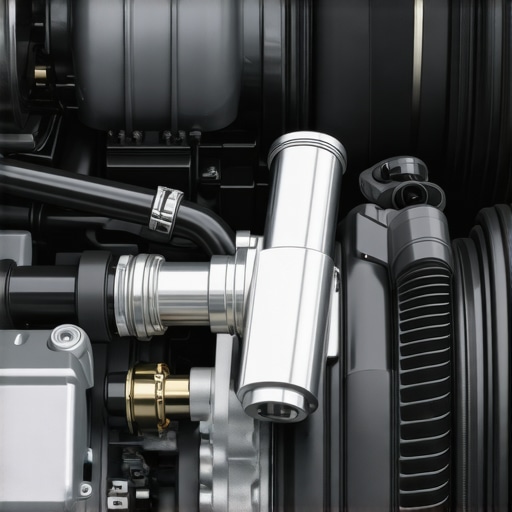
Before diving into complex tasks, open the hood and look for obvious issues like low fluid levels, cracked hoses, or leaked fluid. Remember, a simple visual check can save you time and money in diagnosing the problem. I once noticed a damp spot on the ground beneath my car after sitting overnight—an easy clue pointing to a leaking hose that needed replacing.
Check and Top Up Power Steering Fluid
Locate the power steering reservoir, usually near the engine, and verify the fluid level against the marked indicators. If it’s low, add the recommended type for your vehicle—a step discussed in detail at this resource. Overfilling can be as problematic as low fluid, so fill carefully. In my experience, a quick top-up often restored smooth steering, especially when combined with a simple fluid flush.
Flush and Replace the Power Steering Fluid
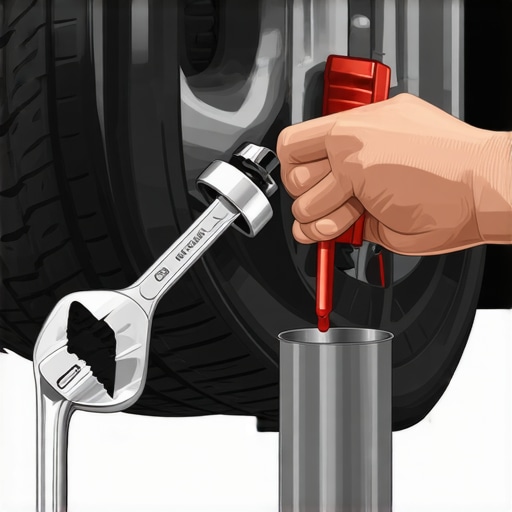
Old, contaminated fluid can cause stiffness and notchy feel. To flush, disconnect the return hose, place a drain pan underneath, and have an assistant turn the steering wheel from lock to lock while you drain the old fluid. Refill with fresh fluid—using clean tools and following manufacturer recommendations enhances this process. I once performed this on a friend’s car, and the steering suddenly felt so much lighter and responsive afterward.
Inspect and Replace Worn Components
Worn belts, such as the serpentine belt driving the power steering pump, can cause inconsistent pressure. Check for cracks or glazing—if found, replace them immediately; it’s a task explained comprehensively at this link. Additionally, inspect the steering rack for play or damage. A loose rack can mimic the symptoms of low fluid, so double-check all related hardware.
Test the Power Steering Pump Functionality
With the engine running and steering cycle complete, listen for whining or groaning noises indicating pump wear. Test the pump’s pressure using a manual gauge if available—this method is quick and effective. If the pump fails to deliver adequate pressure, replacement becomes necessary. I experienced this after a pump failure, which initially sounded like a minor issue but turned into a costly repair when neglected.
Seek Professional Help When Necessary
If after these steps, the steering still feels notchy or stiff, it’s time to consult a professional. Certified technicians have the tools and knowledge—see this article for understanding ASE certifications. They can perform a detailed diagnosis, including testing the power steering rack and pump, ensuring safe and reliable steering performance.
Many vehicle owners assume that an ASE certification automatically guarantees top-tier service or that choosing an ASE-certified mechanic is a foolproof way to avoid further issues. But let’s dig deeper into this misconception. An ASE certification indicates that a mechanic has passed a standardized test and has some experience, but it doesn’t necessarily reflect their ongoing expertise or the quality of service they provide. In fact, a recent industry review emphasizes that certifications are just one piece of the puzzle; reputation, experience, and customer feedback are equally vital. Relying solely on the ASE badge can sometimes lead to complacency, thinking that all certified technicians are equally competent, which isn’t always the case.
Are Cheap Oil Changes Riskier Than You Think?
Many believe that opting for the cheapest oil change service saves money, but this is a trap. The nuances lie in the quality of oil used, the thoroughness of the service, and adherence to manufacturer specifications. Low-cost providers might skimp on oil quality or skip crucial steps like a full filter replacement, leading to accelerated engine wear over time. Studies from automotive experts suggest that regular, high-quality oil changes can extend engine lifespan significantly. So, if you think you’re saving by cutting corners, you might end up with costly repairs in the long run. For tips on optimal oil change practices, check out this article.
Misunderstanding Transmission Maintenance
One common myth is that transmission fluid is lifetime-filled and doesn’t need changing. In reality, even sealed transmissions benefit from periodic fluid replacement to prevent sludge buildup and component wear. Ignoring this can cause shift harshness, slipping, and ultimately costly transmisssion repairs. Advanced mechanics recommend changing transmission fluid based on driving conditions and manufacturer guidelines, which are often overlooked. Neglecting such nuanced maintenance can cause your vehicle to behave unpredictably, especially in demanding conditions. For an in-depth look at transmission upkeep, see this guide.
Why Car Service Quality Varies Even with Certified Shops
The tricky part is that not all certified shops adhere strictly to best practices—they might focus on quick turnarounds or upselling repairs. The resource at this page advises that it’s essential to research a shop’s reputation, ask specific questions, and understand their diagnostic process. An ASE certification can serve as a baseline, but your car’s health depends heavily on the technician’s attention to detail and your communication. A misdiagnosis or overlooked nuance can lead to unnecessary repairs or missed warnings, impacting safety and budget.
Remember, automotive maintenance isn’t just about ticking boxes on a checklist—it’s about understanding the nuances that can make or break your vehicle’s performance. Have you ever fallen into this trap? Let me know in the comments.
Invest in the Right Equipment for Maintenance
Staying on top of your vehicle’s health requires some essential tools that I personally rely on for accurate diagnostics and effective repairs. A trusted OBD-II scanner, like the BlueDriver Bluetooth Pro, has revolutionized how I troubleshoot engine warning lights. It connects easily with my smartphone and provides real-time data, allowing me to identify issues without immediately heading to the shop. For transmission-specific diagnostics, I recommend a dedicated transmission fluid test kit, which helps me spot early signs of fluid degradation before problems escalate.
My Favorite Service Software and Its Benefits
Managing maintenance schedules became more straightforward once I integrated software like Auto Service Master. This platform tracks oil changes, fluid flushes, filter replacements, and alerts me when components are due for inspection, ensuring consistent upkeep. The future of car maintenance software points towards AI-driven diagnostics, which could predict failures before they happen, making proactive maintenance more accessible to DIY enthusiasts and professionals alike.
Implement Precise Maintenance Methods
Using quality tools combined with correct procedures enhances the longevity of your vehicle. For example, when performing oil changes, I always use a premium synthetic oil and a high-quality filter. Employing a torque wrench ensures the drain plug and filter are tightened to manufacturer specifications, preventing leaks or damage. During transmission flushes, I prefer a vacuum-based fluid exchange machine over simple drain-and-replace methods, as it removes old fluid thoroughly and minimizes contamination. These techniques contribute significantly to maintaining optimal performance over time.
What’s Next for Long-Term Car Maintenance?
As vehicle technology advances—think electric components and smart systems—the tools I recommend today are just the beginning. I predict that in the coming years, AI-powered diagnostic tools will become standard equipment for both technicians and dedicated DIYers, enabling early detection of complex issues like sensor failures or software glitches. Staying ahead requires continuously updating our toolkit and skills, which is why I encourage trying one of the advanced diagnostic tips I’ve mentioned to see immediate improvements.
How do I keep my vehicle in top shape over the years?
Consistency is key. Regularly consulting trusted resources like this article helps reinforce proper habits. Pairing quality tools—such as my preferred OBD-II scanner—and applying precise maintenance methods can prolong your car’s life and save money in the long run. Remember, investing in good equipment pays off; it empowers you to spot issues early and maintain your vehicle efficiently, ensuring reliable performance for years to come.
What I Wish I Knew Before Diving Into Car Maintenance
One of the most valuable lessons I learned is that not every quick fix is without long-term consequences. I used to think that topping off my power steering fluid was enough, but ignoring worn belts or neglecting fluid flushes only led to more troublesome repairs down the line. Realizing the importance of thorough diagnostics and consistent service has transformed how I approach car ownership.
The second lesson is understanding that certifications like ASE can guide you, but they aren’t a substitute for experience or reputation. I’ve encountered certified technicians whose attention to detail exceeded my expectations, and others who rushed through without proper diagnosis. Trust is built on communication and proven results, not just badges.
Lastly, I found that investing in quality tools and staying informed empowers me to handle minor issues myself, saving time and money. From reliable [OBD-II scanners](https://autofixclinic.com/what-does-an-ase-certification-mean-for-your-cars-maintenance) to premium oils, these resources make a significant difference in maintaining my vehicle’s health.
Tools and Knowledge That Keep My Car Running Smoothly
I rely on a few key resources that truly make a difference. My favorite is the [Auto Service Master](https://autofixclinic.com/what-does-an-ase-certification-mean-for-your-cars-maintenance), which helps me stay on top of maintenance schedules and track repairs. For diagnostics, the BlueDriver Bluetooth Pro is invaluable—its real-time data simplifies troubleshooting without needing to visit the shop.
When it comes to learning about proper oil changes or transmission care, I turn to expert articles like [this guide on oil change tips](https://autofixclinic.com/top-oil-change-tips-for-safe-driving-in-2025). These trusted sources deepen my understanding and help me perform maintenance with confidence.
Keep Your Car Future-Ready with a Personal Touch
The key to long-term vehicle health lies in proactive care and continuous learning. Regularly refreshing my toolkit, staying updated with the latest repair techniques, and trusting proven resources have allowed me to extend my car’s life well beyond expectations. Remember, the effort you put in today safeguards your journeys tomorrow—so why not start implementing these insights today?
Have you ever found a small maintenance tip that saved you a lot of trouble? Share your experience below—I’d love to hear how you’ve optimized your car care routine!