The Secret to Preventing Sludge in Modern Direct-Injection Engines
I’ll never forget the moment when my trusted car suddenly struggled to start one chilly morning. It felt like I was fighting with it just to get the engine to roar back to life. That unexpected roughness had me scratching my head — until I discovered a sneaky culprit behind my troubles: engine sludge in my direct-injection engine.
Why Sludge in Modern Engines Is More Than Just an Ugly Gunk
Modern direct-injection engines offer incredible efficiency and power, but they come with a hidden risk: they are more prone to developing sludge, which can silently clog vital components and cause costly repairs. I learned this the hard way, making a common mistake early on — ignoring regular oil changes and neglecting proper maintenance routines. It’s a mistake I see many car owners make, thinking that modern engines are built to last without regular care.
Understanding the root of sludge buildup is essential, especially since it can lead to reduced fuel efficiency, increased emissions, and ultimately, engine failure. The good news? With some simple preventive steps, you can keep your engine clean and running smoothly for years to come. Stay tuned, because in the next sections, I’ll guide you through practical, actionable tips that proved game changers for my vehicle—and can do the same for yours.
Is All the Hype About Engine Sludge Just Fear-Mongering?
I used to believe that engine sludge was a myth or just an exaggerated concern until I caught myself battling symptoms of clogged engines. My biggest skepticism was whether these simple tips could really make a difference. The truth is, neglecting basic maintenance can turn small issues into big, expensive repairs. According to the Eaves of automotive experts, regular oil changes are the cornerstone of preventing engine sludge and extending your vehicle’s lifespan.
So, if you’ve faced sluggish starts, loss of power, or just that nagging feeling that your car isn’t performing like it used to, you’re not alone. The good news is that by understanding how sludge forms and adopting a few proactive habits, you can safeguard your engine and save yourself from costly repairs down the line. Ready to dive into the steps that worked wonders for me? Let’s get started.
Flush Out Old Oil Regularly
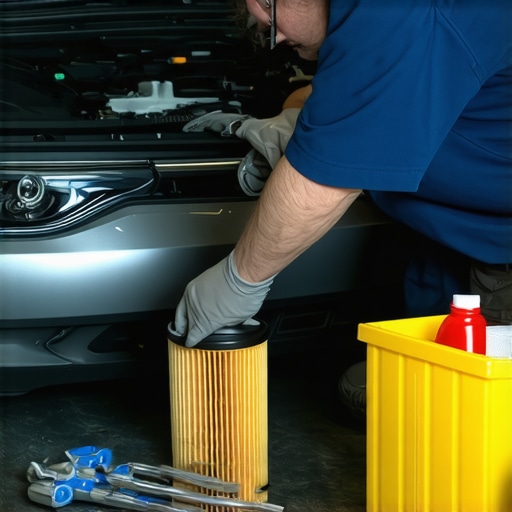
Start by changing your engine oil every 3,000 to 5,000 miles, depending on driving conditions. This regular oil change is your first line of defense against sludge buildup. I personally remember a time I skipped an oil change during a busy month; within a week, my engine started making strange noises. After a quick oil change, the engine ran smoothly again, proving the importance of sticking to the schedule. Use high-quality oil suited for your engine type, and consider synthetic options for better protection.
Choose the Right Oil and Additives
Opt for oils with high ZINC content, especially in high-performance or older engines, to reduce wear and buildup. Many drivers overlook additives, but they can significantly improve oil lubrication and cleaning. When I switched to a premium synthetic with added detergents, I noticed a cleaner oil pan during my next service. Consult your car’s manual or an ASE-certified technician to select the best oil and additives, ensuring optimal engine cleanliness.
Maintain Proper Cooling System Function
Overheating can accelerate sludge formation, so keep your cooling system in top shape. Regularly inspect and replace your coolant, check for leaks, and ensure your radiator and thermostat work efficiently. I once ignored a rising engine temperature gauge, which resulted in sludge accumulation from overheating. Now, I schedule annual cooling system flushes and monitor temperature gauges diligently, preventing costly engine issues. Proper coolant levels and quality are vital; never use the wrong type of antifreeze.
Use Engine Flush Products When Necessary
Periodically use engine flush products to clean out sludge and deposits. Before using, ensure your engine is warm but not hot, then add the flush product to a new oil fill and run the engine for 10-15 minutes. This process helps dissolve sludge stuck in hard-to-reach areas. I once followed a car care expert’s advice and ran an engine flush before an oil change. The result was a noticeably cleaner engine interior and smoother performance, extending the life of my engine components.
Schedule Regular Professional Inspections
Having an ASE-certified mechanic perform routine inspections can catch early signs of sludge formation. Look for hesitation during acceleration, increased oil consumption, or strange engine noises. A thorough inspection includes checking the oil filter, which traps debris, and assessing the overall engine condition. I recommend checking your service records and choosing a shop with proper credentials, such as ASE certification, to ensure quality maintenance.
Practice Good Driving Habits
Avoid short trips and idling for long periods, as these can cause unburned fuel and moisture to accumulate, fostering sludge. During winter, I learned to combine errands to minimize cold starts. Additionally, driving at higher RPMs periodically helps burn off deposits. Remember, smooth acceleration and moderate speeds reduce engine stress and sludge buildup over time.
Challenging the Common Beliefs About Auto Maintenance
Many vehicle owners rely heavily on the reputation of ASE certification, believing it guarantees flawless service. However, in my experience, the certification is just a starting point, not an end-all indicator of quality. There’s a widespread misconception that simply trusting any ASE-certified technician ensures optimal care, but the reality is more nuanced. According to auto industry experts, ASE certification confirms a technician’s competence in certain skills, but it doesn’t necessarily reflect their honesty, overall experience, or familiarity with specific vehicle makes and models.
Why Relying Solely on Certification Can Be a Pitfall
Focusing only on ASE credentials might lead you to overlook the importance of choosing a shop with extensive experience in your particular vehicle type. For instance, transmission systems vary greatly between brands, and a shop specializing in European cars might offer better service for your Audi than a generalist shop with ASE-certified technicians but limited transmission knowledge. Expert insights suggest that a technician’s hands-on experience in diagnosing specific issues often outweighs certifications alone.
Another common misconception is that quick oil changes are all you need for a healthy engine. Yet, many forget that choosing the right oil and understanding the nuances of different products are equally critical. Synthetic oils with high ZINC content, for example, provide superior protection for older engines prone to sludge buildup. Regularly updating your knowledge through credible sources like oil change tips can help you avoid costly engine repairs caused by neglecting these details.
What’s the Biggest Mistake in Transmission Maintenance?
One mistake I see often is the belief that a simple drain-and-replace suffices for transmission fluid changes. In reality, a full transmission flush can remove accumulated debris and prevent slip or shudder issues, especially in high-mileage vehicles. Beware of the trap where a shop only performs a basic drain, leaving significant deposits in the system. For advanced drivers, understanding the differences between a transmission flush and a drain-and-fill can save you from future transmission problems. Read more about these procedures in this detailed comparison.
Furthermore, many car owners don’t realize that the quality of the transmission fluid itself matters immensely. Using generic or incompatible fluids can lead to deterioration of internal components and costly repairs. Always ask your service provider about the specific fluid type recommended by your vehicle’s manufacturer, and avoid the assumption that all transmission fluids are interchangeable.
How Can You Detect Service Shortcuts Before It’s Too Late?
Prioritizing transparent communication with your mechanic is vital. Look out for signs like inconsistent repairs, unexplained costs, or vague explanations. A good technician will clearly detail what they’re doing and why, especially when it involves critical systems like the transmission or engine oil. Remember, shortcuts in maintenance—such as skipping oil changes or neglecting fluid replacements—often manifest as rough shifting, overheating, or early engine wear. Protect your investment by being proactive and staying informed about your vehicle’s needs, using trusted resources and asking the right questions.
In the end, being an educated vehicle owner means looking beyond surface labels like ASE certification or cheap service deals. It’s about understanding the nuances, asking for detailed explanations, and trusting technicians who combine experience with integrity. If you want to dive deeper into the subtleties of car maintenance, I recommend exploring how to select the right service shop. Have you ever fallen into this trap? Let me know in the comments!
Invest in Quality Diagnostic and Maintenance Equipment
To ensure your vehicle stays in top condition, having the right tools is crucial. I personally rely on a high-quality OBD-II scanner, like the BlueDriver Bluetooth Pro, which allows me to read and clear engine codes instantly. This tool helps me catch potential issues before they escalate, saving time and money. Additionally, a reliable digital torque wrench is indispensable for accurately tightening critical components, especially when replacing spark plugs or installing new belts. Regularly inspecting your tools and replacing worn items ensures precise maintenance, which is vital for long-term results.
Use Software and Apps to Track Maintenance
Keeping a detailed record of your vehicle’s maintenance schedule is easier with apps like CarLee or AUTOsist. These platforms remind me of upcoming oil changes, filter replacements, and fluid checks, helping prevent neglect. Moreover, they store service records, which is helpful if you plan to sell or trade-in your vehicle. Accurate tracking fosters consistency, ensuring that you adhere to manufacturer recommendations and ASE-certified advice, which extends your car’s lifespan. As technology advances, integrating these digital tools will become even more intuitive, paving the way for smarter DIY maintenance.
Implement Routine Checks and Fluid Tests
Besides high-tech tools, simple manual checks are invaluable. I routinely inspect fluid levels—oil, coolant, transmission fluid—and examine belts and hoses for wear. Investing in a multimeter helps diagnose electrical issues, while a Gasket and Seal Check Kit allows me to detect leaks early. Conducting these inspections monthly ensures small problems don’t turn into big repairs, especially in older vehicles or those exposed to harsh driving conditions. For instance, monitoring transmission fluid temperature and condition can prevent costly slip issues, as detailed in this guide.
Plan for Long-Term Maintenance and Scaling Up
As your vehicle ages, strategic planning becomes essential. Consider investing in a comprehensive scan tool that can analyze the entire vehicle network, not just engine codes. This prepares you for scaling your maintenance efforts, addressing issues like sensor calibration or software updates. Regularly attending workshops or online courses from trusted sources, such as ASE-certified programs, keeps me informed about evolving techniques and tools. Looking ahead, vehicle technology is moving toward predictive diagnostics, where sensors anticipate failures before symptoms are visible. Staying ahead requires continuous learning and investing in flexible, upgradeable tools.
How do I maintain my car’s performance over time?
Consistent maintenance routines crafted around quality tools and software are the backbone of a healthy vehicle. Checking fluids with precision instruments, logging data digitally, and scheduling professional inspections form a robust foundation. For example, a detailed diagnostic scan after every few months can detect early signs of transmission issues, as explained in this resource. Start by integrating one advanced tool into your routine, then expand as needed. Remember, proactive care today prevents complicated, costly repairs tomorrow.
If you have a favorite decision-making tool or maintenance hack, I’d love for you to try out my recommended digital maintenance tracker this month. It’s a game-changer for long-term results—keep your car running smoothly all year round! For personalized advice, don’t hesitate to reach out.
What They Don’t Tell You About Maintaining an ASE-Certified Engine
Through my journey, I realized that even the most recognized ASE certification doesn’t guarantee instinctive knowledge of nuanced engine care. I once watched a supposed expert overlook a simple coolant issue, leading to a costly overhaul — an eye-opener that experience and genuine passion often outperform certifications. This taught me that asking the right questions, like probing a mechanic’s hands-on experience with your specific vehicle model, is crucial. Trust in ongoing learning has become my secret weapon for longevity.
Tools That Transformed My Approach to Car Care
Real change came when I curated a toolkit tailored to my needs: a high-quality OBD-II scanner like the BlueDriver allows me early detection of transmission quirks, preventing surprises. Supplementing this with a digital torque wrench ensures precise assembly during repairs, avoiding future wear. For reading up-to-date car maintenance techniques, I lean on authoritative sources like this article inspiring me to stay proactive. Combining tech with manuals has been a game-changer.
Time to Take Charge of Your Vehicle’s Future
Your engine’s lifespan hinges on small, consistent actions. Implement a routine of manual fluid tests and keep digital logs of maintenance activities. Think of it as giving your car a health journal — after all, an engine free from sludge, with clean transmission fluid and well-inspected belts, will reward you with reliable performance. Remember, the power to extend your engine’s life lies in your hands. Now’s the time to act, empower yourself, and keep that engine running at its best.