Why Your Mechanic is Suggesting a Brake Fluid Flush Now
I remember the moment I realized something was off when I pressed the brake pedal and felt a faint sponginess that just wouldn’t go away. It was a slow realization that my braking might be compromised, and honestly, it unnerved me. That experience was a lightbulb moment about how often we overlook the subtle signs our cars give us until something urgent happens. If you’ve ever felt your brakes aren’t responding quite right or noticed a strange smell under the hood, you’re not alone. Today, I want to talk about a critical, sometimes overlooked service: the brake fluid flush—and why your mechanic might be urging you to get it done now.
Understanding Why Brake Fluid Matters More Than You Think
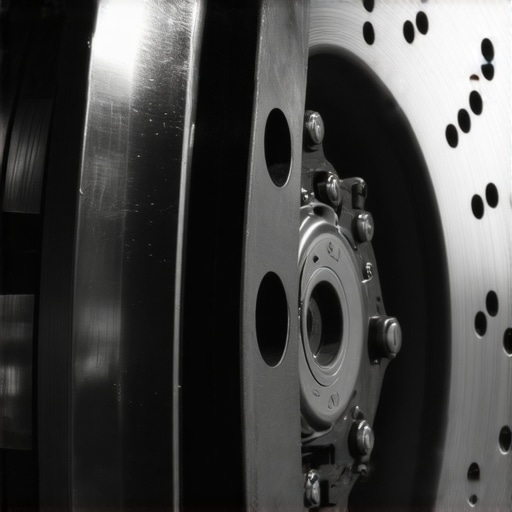
When I first learned that brake fluid can become contaminated or degraded over time, I was surprised. It’s not like your engine oil that clearly shows its wear; brake fluid can subtly lose its effectiveness, leading to longer stopping distances or even brake failure. The reason? Brake fluid absorbs moisture from the air, which can cause corrosion inside your brake system and diminish hydraulic pressure. Regular brake fluid flushes remove these contaminants, restoring the braking system’s responsiveness. Think of it as giving your brakes a fresh boost, preventing tiny problems from turning into costly repairs later. If you want to understand how often you should consider this service, check out this article.
Is the hype about brake fluid flushes justified?
Early in my car maintenance journey, I skipped flushing my brake fluid because I believed the brake pads and rotors were the main issues. Big mistake. I once ignored the recommendation from a trusted ASE-certified mechanic and later paid the price when the brake pedal became increasingly spongy. It turned out that neglecting this simple but essential maintenance can lead to corrosion and even complete brake system failure—dangerous and expensive to fix. Don’t fall into the trap of thinking brake fluid is a quick-fix or that it can last forever. Recognizing the signs worth acting on can save you money and safety.
Prepare Your Workspace and Gather Tools
Start by ensuring your vehicle is parked on a level surface, applying the parking brake securely. Gather necessary tools such as a socket set, clear tubing, a container to catch old fluid, a brake bleeder wrench, and fresh brake fluid that meets your car manufacturer’s specifications. Wearing gloves and eye protection is essential for safety. I recall a time I attempted this without proper gloves and spilled brake fluid; it was messy but a great learning experience that reinforced safety precautions.
Locate the Brake Fluid Reservoir and Bleeder Valves
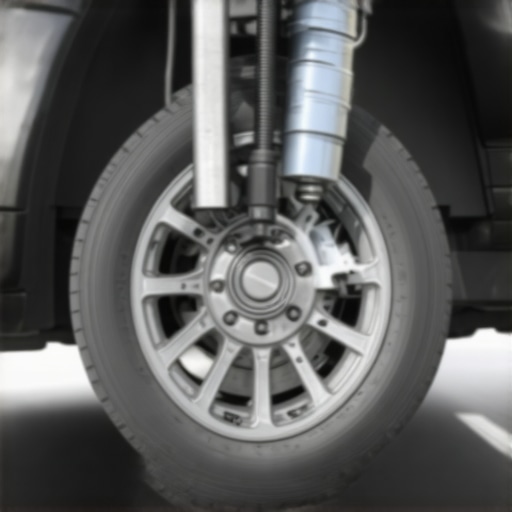
Open the hood and identify the brake fluid reservoir—usually near the back of the engine bay on the driver’s side. Clean the cap to prevent contamination before opening it. For bleeding, locate the bleeder screws at each wheel’s brake caliper or drum assembly. Consult your vehicle’s manual or the manual to confirm exact locations. Remember, having these details handy saves time and prevents mistakes during the flush process.
Drain Old Brake Fluid and Refill
Start with the wheel farthest from the master cylinder, typically the passenger side rear. Attach the clear tubing to the bleeder valve, place the other end in your container, and loosen the screw slightly. Have an assistant gently press the brake pedal—this pushes out the old fluid. Once the fluid runs clear and free of bubbles, tighten the screw while the pedal is held down to prevent air from entering. Repeat this at each wheel, working systematically to ensure all old fluid is replaced. A micro-story: during my first DIY flush, I missed getting all the old fluid out, which caused a spongy pedal later—so patience here is key.
Bleed the System to Remove Air Bubbles
After draining and refilling, you must bleed the brakes to eliminate trapped air, which impairs brake response. With the help of a friend, have them press the brake pedal slowly while you loosen the bleeder screw to release air. Tighten it before they release, then repeat until the expelled fluid is free of bubbles and clear. Monitor the master cylinder reservoir to ensure it stays topped up, preventing new air from entering. I once neglected this step, leading to a pedal that felt firm but spongy—highlighting the importance of thorough bleeding. Proper bleeding maintains the hydraulic pressure needed for reliable braking.
Check the Brake Pedal and System Function
Finish by pressing the brake pedal multiple times to seat the pads and check for firmness. Inspect all bleeder valves and the reservoir cap for leaks or loose fittings. Test drive cautiously, paying attention to pedal feel and braking performance. Remember, a semi-annual brake fluid flush can prevent the corrosion and degradation that cause many braking issues; to learn more about how often you should schedule this service, consider reading this guide. In my experience, properly performed, a brake fluid flush significantly enhances stopping power and safety on the road.
While many car owners believe that changing their oil is a straightforward task and that an ASE certification guarantees expert service, the reality is more nuanced. **One typical myth** is that sticking to the standard 5,000-mile oil change interval is always sufficient for modern engines. In fact, recent studies, such as those discussed in this article, reveal that synthetic oils can extend oil life significantly, especially in turbocharged engines prone to sludge formation. Skipping or delaying oil changes based on outdated intervals can lead to engine sludge, increased wear, and even costly repairs.
Are ASE Certifications Foolproof or Just a Starting Point?
Many assume that an ASE certification indicates a technician’s expertise and honesty. However, some shops might showcase fake or outdated certifications, or the mechanics might be well-versed in general knowledge but lack specialty-specific training. **The trap here** is relying solely on certificates without assessing the technician’s actual experience with your specific make and model. For example, European cars often require specialized knowledge and fluids, like the correct transmission fluid for optimal performance. Doing your homework and asking targeted questions can save you from subpar service.
Why Is My Oil Light Flickering Even After an Oil Change?
This is a common frustration. Often, the issue isn’t with the oil itself but with incorrect oil pressure or sensor problems. An improperly installed oil filter, or using the wrong type of oil, can cause pressure drops or flickering lights. As discussed in this analysis, factors like contaminated oil or a faulty oil pressure sensor can lead to misleading warnings. Recognizing these advanced nuances prevents unnecessary worry or repairs.
Another misconception stems from the belief that the transmission fluid can last forever. Actually, using the right transmission fluid and replacing it at recommended intervals is vital for transmission longevity, particularly in 2026 models where fluid degradation can cause hesitation or shifting delays. Overlooking these details is an
Maintaining Your Vehicle Like a Pro
Ensuring your car remains reliable over years requires more than routine oil changes; it involves the right tools, meticulous methods, and a proactive mindset. I personally rely on a few specialized pieces of equipment to diagnose and address issues early, saving money and avoiding unexpected breakdowns. One essential tool in my garage is an OBD-II scanner, like the BlueDriver Bluetooth Pro. This device connects to your car’s diagnostics port and provides instant data on error codes, enabling me to pinpoint issues without guesswork. It’s far more accurate than generic code readers and helps me decide whether a simple fix suffices or if professional intervention is necessary.
Another device I swear by is a high-quality digital multimeter. Whether it’s checking the health of sensors, testing the alternator’s output, or verifying battery voltage, having precise electrical readings is crucial. I prefer a multimeter with a data hold feature and true RMS capability—I’ve found these features invaluable for diagnosing complex electrical issues common in modern vehicles.
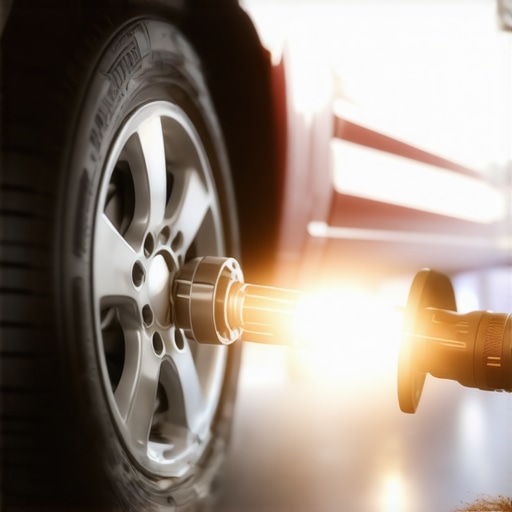
Maintaining systems like transmissions requires specialized knowledge. For that, I often use professional-grade transmission flush machines that I’ve calibrated to match the vehicle’s specifications. Be cautious—using generic flushing equipment can sometimes do more harm than good, especially with newer 2026 or hybrid models. I always cross-reference the manufacturer’s guidelines and reputable sources like this article for precise procedures.
Future Trends: Smarter Maintenance Tools
The future of car maintenance is heading toward greater automation. Artificial intelligence integrated with diagnostic tools will soon predict problems before they manifest, thanks to advanced sensors embedded in the drivetrain and chassis. As these trends unfold, staying ahead with current equipment, such as diagnostic software that syncs with your vehicle’s ECU, will become even more vital. I recommend investing in software subscriptions like OBDLink’s platform that update regularly, giving you access to the latest vehicle databases and fault codes.
How do I keep my car reliable over time?
Regularly servicing critical systems like transmission and brakes is fundamental. Use precise tools—like the ones I’ve described—to perform routine checks and minor repairs. Always follow manufacturer recommendations, especially for synthetic oils, which can extend the lifespan of your engine components. For example, see how synthetic oils in 2026 models are revolutionizing engine longevity. Additionally, consider advanced diagnostics at least annually, either DIY or via professional ASE-certified technicians. This approach will ensure your vehicle remains dependable, safe, and ready for the long haul. Try testing your alternator with a multimeter today; a simple test can save you from future headaches and costly repairs.
The Hidden Wisdom That Transformed My Maintenance Approach
One of my most eye-opening lessons was realizing that frequently checking my vehicle’s fluids and systems saved me from costly repairs and dangerous situations. The subtle signs, like a slight hesitation during acceleration or a faint squeal when braking, often pointed to deeper issues before they became urgent. Understanding that even high-quality oils and certified mechanics can’t compensate for neglecting essential maintenance taught me to prioritize proactive care. This mindset shift has extended my vehicle’s lifespan and kept me confident on the road.
The Tools and Resources That Keep Me Ahead of Troubles
Over the years, I’ve relied on specific tools that have become invaluable. An OBD-II scanner like the BlueDriver Bluetooth Pro provides instant insights into engine and transmission codes, preventing surprises. A high-quality multimeter helps me verify electrical health, ensuring sensors and batteries are in good shape. I’m also a fan of the comprehensive guides at this site that delve into the intricacies of modern vehicle systems, allowing me to make informed decisions rather than guesswork. These resources empower me to perform diagnostics confidently, saving time and money.
Your Drive Toward Confidence Starts Today
Remember, maintaining your vehicle isn’t just about following routine schedules—it’s about cultivating an understanding of its unique needs. Mastering preventive measures like regular brake fluid flushes and knowing how to spot early signs of trouble can dramatically improve your safety and driving experience. Whether you’re a seasoned DIY enthusiast or just starting, embracing continuous learning and proper tools will set you on a path of reliable, worry-free motoring. Don’t wait for a warning light or strange noise—take charge now and feel the difference in every mile.
What small maintenance step have you been overlooking that could make a big difference in your vehicle’s reliability? Share your experiences below!
,