The Secret to Making Your Transmission Last Over 300,000 Miles
I vividly remember the moment I nearly lost my patience, sitting stranded on the side of the road, watching my old truck shudder and die just shy of 200,000 miles. That jarring experience was a wake-up call. I realized that I’d been neglecting one critical aspect—my transmission. The thought of losing a vehicle I loved so dearly because of something preventable was a tough pill to swallow. It made me ask myself, “What am I missing?” and more importantly, “How can I make this last?”
Why Most Drivers Say Goodbye to Their Transmissions Too Early
It’s surprisingly common to see vehicles give up after just 150,000 or 200,000 miles, especially in today’s age of quick oil changes and neglectful maintenance habits. But I discovered that with the right care, a transmission can last far beyond that—sometimes over 300,000 miles. The secret? It starts with understanding what destroys transmissions and how to fight back. One thing I learned early on is that neglecting simple maintenance—like ignoring warning signs of fluid degradation or delaying crucial repairs—can quickly turn an investment into a costly fix or total replacement. Did you know that transmission fluid deterioration is a leading cause of early transmission failure? Recognizing and addressing issues early can make all the difference.
Will It Really Last 300,000 Miles or More?
This question haunted me as I struggled with my own vehicle’s health. I’d seen friends dump their cars long before the 200,000-mile mark due to neglect or misinformation. But I also knew there were folks out there—like seasoned mechanics and fleet managers—who push their transmissions well past that threshold. Honestly, I had made my share of mistakes early on, like using the wrong transmission fluid or ignoring strange noises. I learned that those slip-ups can cost thousands and cut lifespan short. That’s why I want to share what I’ve picked up over years of trial, error, and lots of roadside repairs. With proper maintenance and a keen eye, your transmission can truly go into triple digits of miles—if not more.
Now, if you’re nodding along, wondering if your current habits are setting you up for an early failure, don’t worry. I’ve got some practical steps that can drastically increase your transmission’s lifespan. Ready to dive into the tips that could keep your car running smoothly for hundreds of thousands of miles? Let’s get started. The key is understanding the signs, avoiding common mistakes, and staying proactive about maintenance — I’ll show you how in the upcoming sections.
Start with Quality Transmission Fluid
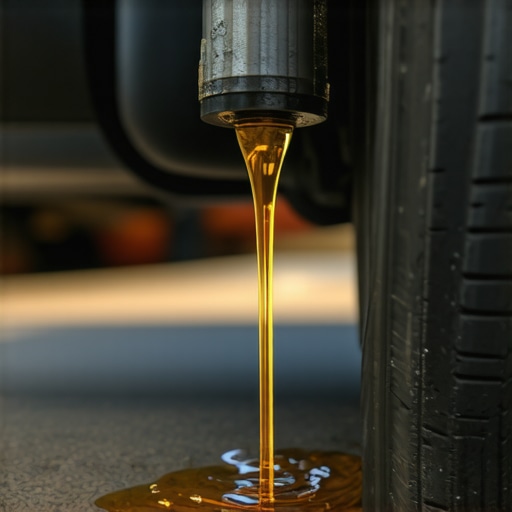
Replacing your transmission fluid with the correct type is the foundation of long-lasting transmission health. Make sure to use the manufacturer-recommended fluid, especially for modern transmissions like CVTs, which require specialized oils. I once neglected this during a routine oil change, using generic fluid that caused slipping and shuddering. After draining and refilling with the OEM spec fluid, the shifts smoothed out and I avoided a costly repair. Always verify fluid type and change it at proper intervals—typically every 30,000 to 60,000 miles, but refer to your vehicle’s manual.
Regular Fluid Checks and Early Signs
Schedule Visual Inspections Frequently
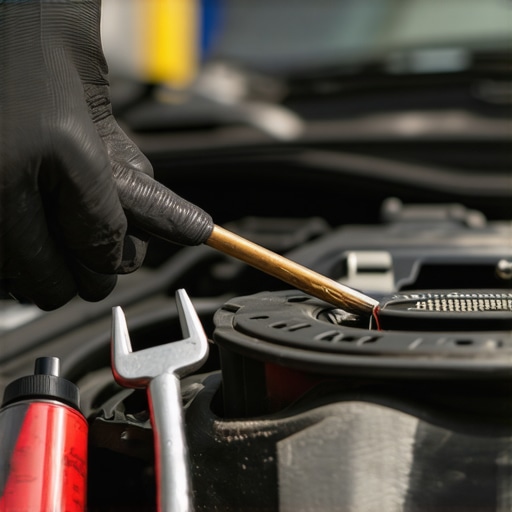
Check your transmission fluid level and color monthly. Use a clean dipstick or sight glass if available. Clear, pinkish fluid indicates good health, while dark, burnt-smelling fluid warns of impending failure. If you notice burnt-toast smell under your hood, that’s a sign to examine your fluid immediately. Don’t ignore early warning signs; catching them early saves money. For a quick guide on identifying other leaks, see this detailed leak detection.
Maintain Proper Transmission Temperatures
Overheating is a primary killer of transmissions. Install a transmission temperature gauge if your vehicle doesn’t have one; it helps monitor stress during towing or high-speed driving. Keep an eye out for overheating symptoms like frequent shifting delays or slipping. If you notice these, consider installing an auxiliary cooler—an effective method to extend your transmission’s lifespan. The added cooling capacity acts like a personal sauna for your transmission, preventing damage from excessive heat.
Practice Careful Driving Habits
Hard acceleration, abrupt gear shifts, and excessive idling strain your transmission. Ease up especially when starting from a stop—gradual shifting reduces wear. When parking on a hill, use the parking brake rather than relying solely on the transmission’s parking pawl, which can weaken over time if constantly engaged. During cold starts, avoid aggressive shifts; give your transmission a few seconds to warm up, especially in winter. I learned this the hard way when I caused a slight delay in engagement by shifting immediately after starting in freezing weather—precipitous shifts can cause stress and eventual failure.
Schedule Professional Maintenance
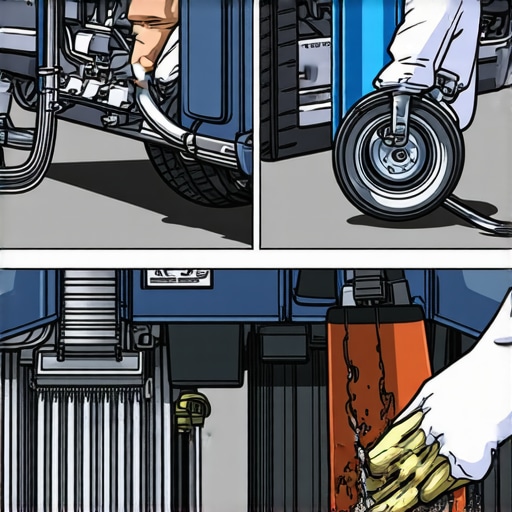
Every 40,000 to 60,000 miles, have a professional mechanic perform a transmission fluid flush and system inspection. An ASE-certified technician will check for clutch wear, solenoid function, and overall transmission health. Don’t skimp on quality; cheap or rapid oil changes often overlook critical details, leading to sludge buildup and component degradation. Remember, a proper flush with the right tools and fluids is more effective than a simple drain and fill, especially for complex transmissions like those found in newer European models. For best results, ask if the shop utilizes specialized equipment and genuine parts.
Avoid Common Mistakes that Shorten Transmission Life
Never overfill your transmission and avoid using incompatible fluids. Overfilling can cause foaming and pressure issues, leading to engine damage. Using the wrong transmission fluid—such as generic or incompatible oils—can cause slipping and overheating, costing thousands in repairs. For specific vehicle types and models, consult this guide on overfilling hazards. Also, avoid neglecting transmission service if your vehicle exhibits warning signs like shuddering or delayed shifts.
Proper transmission maintenance involves understanding these core steps and applying them consistently. By adopting these practices, you can push your vehicle beyond typical mile markers and keep shifting smoothly for hundreds of thousands of miles.
Many car owners assume that regular oil changes and ASE certification guarantee a transmission’s longevity, but the truth is more nuanced. One common myth is that synthetic oils are indestructible, leading drivers to delay necessary services. In reality, even high-quality oils degrade faster than expected in certain conditions, such as extreme temperatures or frequent short trips, as explained in recent industry studies. Overlooking the importance of precise fluid specifications or assuming all transmission fluids are interchangeable sets the stage for premature failures. For example, using the wrong transmission fluid—say, opting for a generic brand instead of the manufacturer-recommended type—can cause slipping, overheating, and irreversible damage. This ‘oops’ factor is especially critical in modern vehicles with complex transmissions like CVTs, which depend on specialized fluids to function properly.
One advanced mistake many overlook involves neglecting the subtle signs of fluid breakdown that aren’t immediately obvious. Premium-grade transmission fluid, while more stable, still has a shelf life and service intervals that should be strictly adhered to. A common trap is waiting until symptoms like shuddering or delayed shifts become severe; by then, internal components may already be compromised. Regular, proactive diagnostic checks with an ASE-certified mechanic—specifically tailored to your vehicle’s transmission type—can detect issues before they escalate.
Addressing sophisticated questions, such as “What hidden factors cause microscopic wear in automatic transmissions?” reveals that thermal cycling and dirt particles at a microscopic level contribute significantly to wear, even when fluid appears clean. Studies indicate that contaminant particles smaller than 5 microns can accelerate clutch plate erosion, a fact often missed by standard fluid analysis. To combat this, incorporating higher-grade filtration systems or periodic fluid conditioning can extend transmission life. Being aware of these nuances empowers you to make smarter maintenance decisions, saving thousands over the vehicle’s lifespan.
Moreover, it’s vital to recognize that your car isn’t just a mechanical device—it’s a complex system where neglecting one aspect, like an improper oil change or ignoring early leak signs, can cascade into larger failures. For instance, leaks often seem insignificant but can lead to low fluid levels, resulting in overheating and gear slippage. Regularly inspecting for tiny drops or discoloration can prevent costly repairs, as discussed in detailed leak detection guides.
Have you ever fallen into this trap? Let me know in the comments.
Keep Your Transmission Running Smoothly with the Right Tools
Maintaining your vehicle’s transmission over the years isn’t just about occasional fluid changes; it requires the right equipment and a disciplined approach. I personally rely on a few specialized tools that enable accurate diagnostics and effective maintenance. A high-quality OBD-II scanner is indispensable; I prefer models like the Autel MaxiCom because it provides comprehensive live data and vehicle-specific codes, which help me spot issues before they escalate. In addition, a transmission fluid temperature tester allows me to monitor real-time heat levels, ensuring the fluid stays within optimal range during high-stress driving, especially for vehicles towing or in hot climates.
For DIY enthusiasts, a professional-grade transmission flush kit is a game-changer. I recommend the Lisle 24300 kit because it includes the necessary adapters and high-quality hoses that make the process smoother and safer. Using the correct tools prevents overfilling or underfilling, which could damage the transmission—a mistake I’ve seen many amateurs make when using household syringes or makeshift equipment.
Additionally, ultrasonic transmission fluid analyzers are emerging as effective diagnostic tools. They allow precise assessment of fluid degradation, contamination, and breakdown at a microscopic level. While this technology might seem advanced, I’ve found it invaluable in fleet maintenance scenarios where longevity is critical. With these, I can predict impending failures and schedule repairs proactively, saving thousands in costly replacements.
How do I maintain my transmission tools over time?
Regular calibration and proper cleaning are vital to keep these tools performing accurately. For instance, OBD-II scanners should be updated with the latest software versions to read new diagnostic codes. Once a year, I run calibration procedures on my ultrasonic analyzers, following manufacturer instructions, to ensure diagnostic accuracy. Keeping your tools in a dedicated, dry case prevents corrosion and damage—trust me, a well-maintained toolkit pays off in longevity and precision.
Looking ahead, I believe the trend in vehicle maintenance tools will lean heavily toward AI-powered diagnostic devices. These will not only interpret data but also suggest precise corrective actions, streamlining maintenance workflows. Adopting such advanced tools will inevitably help you extend your transmission’s lifespan significantly.
If you’re serious about keeping your transmission healthy, I recommend starting with a professional-grade OBD-II scanner combined with a quality transmission temperature tester. Try monitoring your fluid temperatures during stress tests—this simple step can reveal hidden thermal issues that prematurely age your transmission. Remember, proactive care with the right tools makes all the difference in achieving a transmission that can easily surpass 300,000 miles.
What I Wish I Knew Before My Transmission Failed
Early on, I underestimated how vital consistent maintenance is for transmission longevity. One of my biggest revelations was that neglecting minor signs—like slight slipping or delayed engagement—can snowball into costly repairs. If I had recognized these early signals and acted promptly, I would have saved not only money but also countless days stranded on the roadside. This lesson taught me that committed attention to detail and embracing proactive care can turn your vehicle into a true marathon runner rather than a sprinter.
Tools and Tips that Changed My Approach to Transmission Care
Having the right tools in my toolkit—such as a reliable OBD-II scanner and a digital temperature gauge—made diagnosing issues before they intensified much easier. I trust brands like Autel because of their precision and ease of use. Equally, investing in quality flush kits and filters saved me from DIY mistakes that could have led to more damage. Remember, the right equipment combined with continuous learning transforms routine maintenance into a strategic advantage, dramatically extending your transmission’s lifespan.
Empower Yourself to Protect Your Transmission for the Long Haul
Taking control of your vehicle’s health is empowering. Implement simple habits like regular fluid checks, mindful driving, and scheduled professional inspections. Beyond that, educating yourself about the subtle signs of wear—like faint noises or shifting irregularities—can help you catch problems early. Your vehicle isn’t just transportation; it’s an investment. With dedication and the right knowledge, maintaining a transmission that surpasses 300,000 miles becomes an attainable goal. Don’t wait for problems to appear; be proactive and keep your car shifting smoothly for years to come.