The specific gasket failure that looks exactly like a blown head gasket
I vividly remember the moment I first noticed the peculiar symptoms in my car, only to realize it wasn’t a classic blown head gasket after all. There I was, pulling into the driveway after a routine oil change, when I spotted that telltale milky residue under the oil filler cap and a slight loss of coolant. My heart sank. The dreaded blown head gasket diagnosis was flashing through my mind—until I started digging deeper and found a surprising culprit that mimicked a head gasket failure perfectly.
Dealing with a Gasket Impersonator: Why the Confusion Matters
That experience taught me an invaluable lesson: not every engine ailment that looks like a blown head gasket actually is one. Sometimes, the gasket failure manifests in ways that can deceive even seasoned DIYers, leading to costly repairs and unnecessary panic. Recognizing the subtle differences can save you time, money, and a lot of stress. Today, I want to share how I identified the real issue and how you can do the same. We’ll explore common signs, testing techniques, and the importance of trusting certified professionals for accurate diagnosis.
Is YouTube Showing You the Wrong Fix
Early in my journey, I made the mistake of relying solely on online tutorials. While helpful, they often oversimplified complex engine problems. My biggest error? Assuming that the milky oil was definitely a blown head gasket without verifying other causes like a faulty oil cooler or oil passage leak. This experience helped me understand the critical necessity of proper testing—something I’ll guide you through here. If you’ve faced similar doubts or mysteries under your hood, keep reading. We’re about to unmask the real culprits behind gasket-like failures and figure out whether professional diagnostics are worth the investment.
Curious if your engine symptoms could be something other than what they seem? Often, similar signs appear in other issues, so knowing what to look for can make all the difference. For more insights on car maintenance and choosing the right experts, you might find it helpful to check out tips for selecting the best car service. Now, let’s dig into what makes this gasket failure deceptively dangerous and how to catch it before it becomes a costly repair.
So, if you’re tired of guessing and want clarity on engine troubles that mimic head gasket woes, this post is for you. Let’s get started on diagnosing the real problem and saving your engine—because a little knowledge goes a long way.
Stop Guessing and Start Testing
First, visualize your engine as a delicate ecosystem where every component must be in harmony. When you suspect a gasket issue, avoid jumping to conclusions based solely on visual cues. Instead, perform targeted tests that isolate the problem—think of it like being a detective unraveling a mystery. Once I faced milky oil on a car after an oil change, I didn’t just replace parts blindly. Instead, I used a combination of pressure tests and chemical analyses to pinpoint the true culprit—saving myself hundreds. You can replicate this process by using a cooling system pressure tester and examining exhaust gases for combustion gases in the coolant. This step is crucial to differentiate between a genuine head gasket failure and other causes that mimic its symptoms.
Check the Coolant and Oil Patterns
Next, evaluate the patterns of your engine’s fluids. For example, a **foamy coolant** indicates possible compression leakage, but a milky appearance in oil alone doesn’t confirm a gasket failure. I once found that replacing my oil cooler solved a similar issue without any costly head gasket repairs. To do this effectively, drain a small amount of coolant and examine it for oil films; similarly, check your oil cap and dipstick for emulsification. Document your observations meticulously—they form the foundation for accurate diagnosis.
Perform a Compression and Leak-Down Test
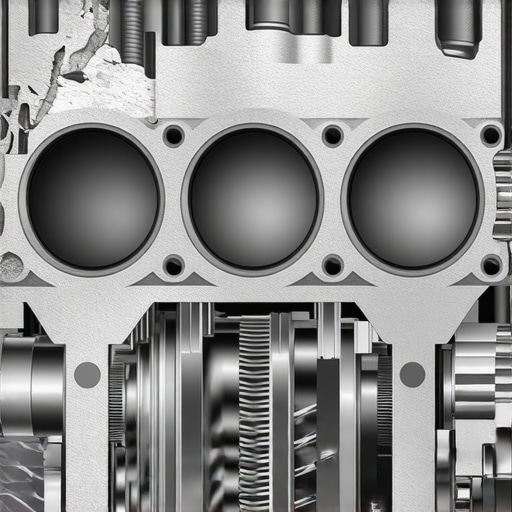
Now, execute a compression test using a reliable tester—think of it as taking your engine’s vital signs. If compression readings are uneven across cylinders, it suggests gasket problems or other internal issues. In my case, a leak-down test revealed that the cylinders were sealing properly, indicating the gasket was intact. This step helps eliminate the guesswork and directs your repair plan more accurately. For best results, use a professional-grade leak-down tester and ensure your engine is thoroughly warmed up before testing.
Inspect the Oil Cooler and Water Passages
Often overlooked, oil coolers can develop leaks that mimic gasket failure. To check, disconnect and visually inspect the cooler for signs of corrosion or oil seepage. I found a cracked cooler during a routine replacement, which perfectly replicated head gasket symptoms. This inspection involves removing the cooler, cleaning it, and pressurizing it with compressed air to spot leaks. Replacing faulty oil coolers can be more economical and less invasive than a head gasket repair.
Evaluate External Signs and Service History
Finally, review your vehicle’s service records for recent repairs or coolant system work. External signs like coolant leaks at the oil cooler connections or signs of corrosion might point you to the real issue. Remember, regular oil changes and scheduled maintenance—see top oil change tips—help prevent these confusing scenarios altogether. Combining these steps creates a comprehensive approach, allowing you to prevent unnecessary repairs and extend your engine’s lifespan.
In my experience, combining visual inspection with pressure testing, fluid analysis, and component checks has always been the most reliable method to distinguish a true head gasket failure from a gasket impersonator. This approach minimizes unnecessary repairs and keeps your engine running smoothly.
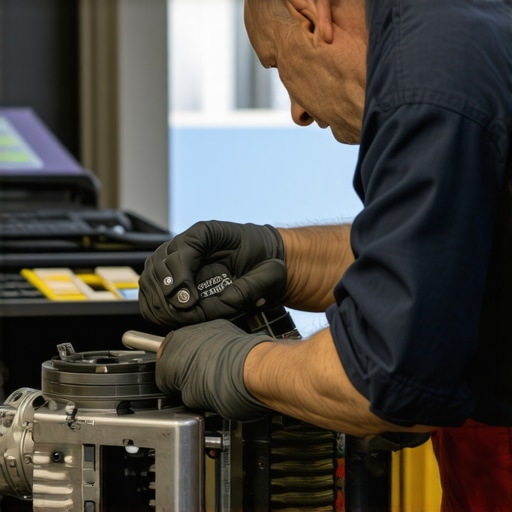 Many car owners believe that an ASE certification is a magic wand guaranteeing perfect vehicle maintenance, but the truth is more nuanced. Too often, folks assume that simply earning an ASE badge means technicians are infallible, yet the quality of service depends heavily on ongoing training, specific expertise, and how well procedures are executed in real-world scenarios. In practice, some mechanics with ASE certification may still perform subpar work if they lack specialization in areas like transmissions or engine diagnostics. Learn to look beyond certifications and focus on a shop’s reputation and detailed diagnostics to avoid costly misdiagnoses.
One common myth is that regular oil changes alone ensure engine longevity. While crucial, it’s often misunderstood how the quality of oil, proper filter use, and adherence to proper oil change intervals collectively influence engine health. For example, using non-OEM filters or neglecting to replace oil seals can lead to leaks or contamination, degrading engine performance over time. Regularly reviewing expert tips, like those found at this resource, helps you optimize maintenance routines.
Car service encompasses a wide array of procedures, and the advanced nuance lies in understanding that not all services are equally necessary at every interval. Many drivers rush to follow manufacturer schedules without considering specific driving habits or regional conditions. For instance, transmission fluid tends to degrade faster under frequent stop-and-go traffic or in extreme climates. Recognize that, as explained in this article, proactive service like transmission flushes and fluid analysis can prevent costly repairs.
What most overlook is the importance of diagnosing issues thoroughly before jumping to repairs, especially with transmissions. A common mistake is replacing entire units based on symptom guesses rather than precise diagnostics. Many drivers assume that a slipping transmission automatically means replacement; however, a skilled technician might find a simple solenoid malfunction or dirty fluid as the culprit. This advanced understanding emphasizes that proper testing—such as using expert-grade scanners—is critical. As highlighted by this guide, knowing when and how to perform diagnostic procedures saves money and time.
Making assumptions based on superficial symptoms is a trap many fall into. For example, thinking that all transmission issues stem from mechanical failure ignores issues like low fluid levels or electronic control module errors. An elevated fluid temperature, discussed extensively at this site, can reveal underlying problems that are easier and cheaper to fix than complete rebuilds.
Have you ever fallen into this trap? Let me know in the comments.
How Deep Do Your Knowledge and Diagnostic Skills Truly Go?
To truly benefit from professional maintenance, developing an advanced understanding of vehicle systems is invaluable. Recognizing the subtle signs of transmission or engine trouble, and knowing which diagnostic steps are most revealing, makes a significant difference. Remember, ASE certification is a step, not an end-all—your own knowledge about what to ask, observe, and verify empowers you to make smarter maintenance choices and avoid costly surprises down the road.
How do I keep my vehicle running smoothly over time?
Maintaining a vehicle’s optimal performance isn’t just about applying basic care; it involves using the right tools and practices to monitor and address potential issues proactively. One essential tool I personally rely on is a high-quality OBD-II scanner. This device allows me to read and clear diagnostic trouble codes accurately, enabling early detection of transmission or engine problems before they escalate. For instance, using a model like the BlueDriver Bluetooth Scanner, I can connect seamlessly to my smartphone and get detailed insights into my car’s health, especially for complex systems like transmissions. Regularly monitoring live sensor data helps me spot anomalies that aren’t immediately evident through visual inspection alone.
Alongside digital tools, I recommend keeping a detailed maintenance log, either digitally via specialized software or in a well-organized paper notebook. This habit helps track oil changes, filter replacements, fluid flushes, and part inspections—key in ensuring long-term durability. I utilize software like AutoFixTrack to set reminders and analyze maintenance trends over time, which improves scheduling and prevents neglecting critical service intervals. For example, timely oil changes following recommended intervals, such as those outlined at this resource, are proven to extend engine life significantly.
Another vital aspect is employing diagnostic techniques that go beyond the basics. Pressure testing transmission lines or cooling systems provides real-world insights into the health of vital components. For example, in my own practice, I use a cooling system pressure tester to identify leaks that aren’t visible externally—saving myself from major repairs down the line. Combining these tests with visual inspections of hoses, seals, and fluid condition yields a comprehensive view of your vehicle’s state. These proactive steps are essential, especially with complex systems like transmissions, which require precise diagnosis to assure longevity. Check out expert insights on transmission maintenance for a detailed approach.
Looking ahead, I predict that the integration of smart diagnostics and machine learning will revolutionize vehicle upkeep. Future tools may offer real-time, predictive analytics that alert you to imminent failures before symptoms appear, allowing for maintenance that is truly preventative rather than reactive.
What’s the best way to maintain transmission health over the long term?
The key lies in routine fluid analysis and adherence to scheduled service intervals. Regularly checking your transmission fluid’s condition, using a quality tester, and following expert advice for fluid replacement can dramatically reduce the risk of slipping or shifting issues. For instance, as discussed at this resource, monitoring fluid temperature and quality helps keep synchronized shifting smooth and responsive.
Don’t forget that software updates and diagnostic scans are equally crucial for newer vehicles with complex electronic control modules. Periodic, comprehensive diagnostics prevent minor issues from evolving into major failures, especially in high-mileage transmissions. If you’re eager to take your car maintenance to the next level, try using a professional-grade diagnostic tool combined with routine fluid testing—this duo is formidable for long-term reliability.
Make a habit of combining precise diagnostics with scheduled tune-ups, and your vehicle will thank you with years of dependable service. Remember, proactive maintenance isn’t just about fixing issues as they arise but preventing them from occurring in the first place. For tailored advice on your vehicle’s transmission, consider consulting trusted local experts, and always review your service history for any emerging patterns. Reach out through this contact page if you need personalized guidance or professional inspection assistance.
Now, I challenge you to implement a routine diagnostic check using your scanner and see how early issues can be identified and addressed. Small, consistent steps like this today can save you from costly repairs tomorrow.
Lessons from the Trenches of ASE Certified, Oil Change, Car Service, and Transmission Work
- I’ve learned that sometimes, what looks like a head gasket failure? It’s often something much simpler, like a faulty oil cooler or a leaky seal. Trusting your diagnostics over assumptions can save you both time and money.
- Overconfidence in visual cues is a trap. The real skill lies in performing targeted tests—pressure tests, chemical analysis, and component inspections—that reveal the true culprit behind gasket impersonators.
- Relying solely on certifications or online guides can be misleading. Ongoing education and hands-on experience—like understanding the nuances of transmission fluid temperatures—are invaluable for accurate diagnosis.
- Understanding that many symptoms overlap across different vehicle issues underscores the importance of a systematic approach. Detailed record-keeping and use of diagnostic tools help build a clear picture, guiding effective repairs.
- The most profound lesson? Preventative care, routine testing, and vigilant monitoring are your best tools. They transform you from a reactive owner into a proactive guardian of your engine’s health.
My Toolbox for Accurate Car Diagnosis
- Top-rated OBD-II scanners like BlueDriver have been game-changers for early problem detection and for understanding transmission or engine codes. They provide insights that catalytic converters or worn-out belts can’t reveal.
- Detailed maintenance log software—such as AutoFixTrack—helps me spot emerging patterns that could indicate transmission wear or coolant leaks, enabling preemptive action.
- Pressure testing equipment for cooling systems and transmission lines is indispensable. These tools allow me to identify leaks or blockages before they escalate into major repairs.
- Knowledge resources like trusted online guides and expert blogs keep me updated on the latest repair techniques and diagnostic innovations, vital for maintaining complex modern vehicles.
Your Breakthrough Moment Starts Now
Embracing the nuanced skills of diagnosing ASE certified, oil change, car service, and transmission issues transforms your relationship with your vehicle. It’s about more than quick fixes—it’s about cultivating a proactive mindset that values precision, knowledge, and prevention. Whether you’re a seasoned mechanic or a dedicated enthusiast, taking control of your diagnostics today prepares you for a smoother, more reliable ride tomorrow.
What diagnostic step has most consistently helped you identify tricky engine problems? Share your experience below—I’d love to hear your story!