Why Your Engine Hesitates Right After You Fill the Gas Tank
Ever been at the pump, all excited to hit the road, only to find your engine stumbling or jerking right after you’ve filled up? It’s a frustrating experience that left me scratching my head for years. I remember one particularly hot summer day, pulling out of the station, only to have my car hesitate and stumble like it was fighting to breathe. Turns out, that tiny thing—something I overlooked—was causing big trouble.
Getting to the Heart of the Problem: Your Engine’s Post-Gas Hesitation
That moment when your car stalls or struggles immediately after gas fill-up isn’t just a coincidence. It’s often linked to issues like vapors accumulating in the fuel system, or sometimes a sign that your fuel system or other components need attention. This problem can seem minor, but ignoring it might lead to bigger, more expensive repairs down the line. Today, I promise to guide you through understanding why this happens and, more importantly, how to fix it for good.
Is the Fix Really That Simple or Am I Wasting My Time?
Early in my own troubleshooting, I made the mistake of assuming it was just a bad fill-up or a minor glitch. Turns out, much of that hesitation stems from issues like a weak or faulty fuel regulator or vapor lock, which can be addressed with some straightforward fixes. Recognizing these signs early can save you money and prevent breakdowns. Remember, investing in regular maintenance, like [oil changes](https://autofixclinic.com/top-oil-change-tips-for-safe-driving-in-2025), can keep your engine running smoothly and help you avoid these hiccups.
If you’ve ever experienced similar hesitation right after fueling, you’re not alone. And the good news is, with a bit of know-how, you can tackle this problem head-on. Up next, we’ll dive into the common causes and the proven steps to get your engine back in top shape—so your drives are smooth and worry-free.
Inspect the Fuel System for Vapor Lock
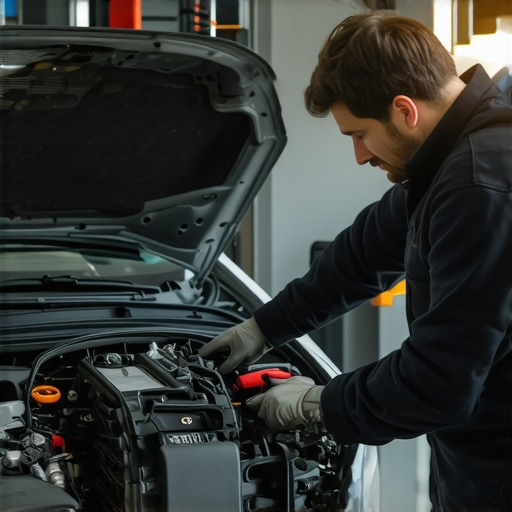
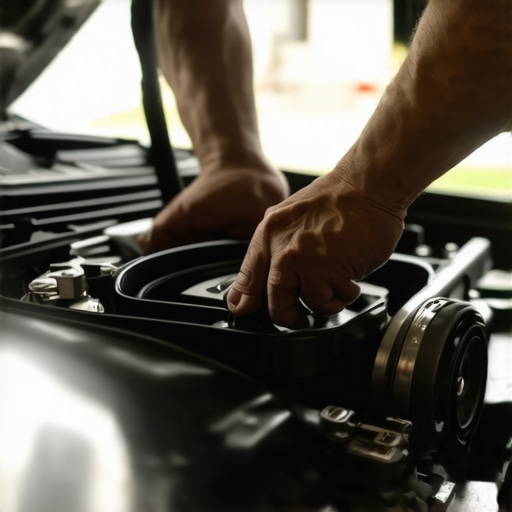
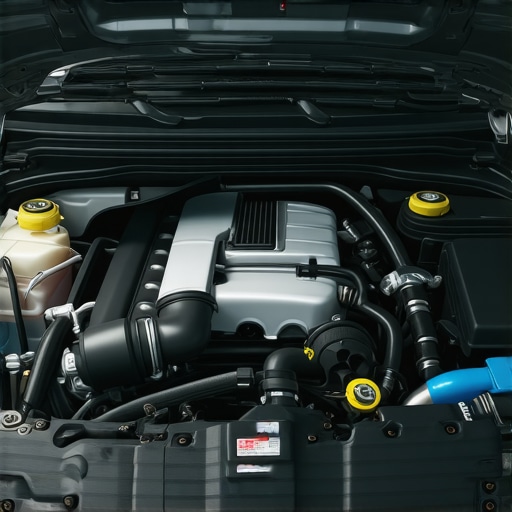
Start by disconnecting the fuel pump relay and running the engine until it stalls. This process relieves vapor lock caused by trapped vapors in the fuel lines. During my own attempt, I carefully located the relay under the hood, followed the vehicle’s manual, and waited for the engine to die, releasing built-up vapors. This simple step often restores proper fuel flow, preventing hesitation.
Check and Replace the Fuel Regulator
Next, examine the fuel pressure regulator for signs of weakness or damage, such as fuel leaks or inconsistent pressure. I once noticed a cracked regulator, which caused my engine to stumble after filling up. Replacing it with an OEM part restored smooth acceleration. Use a fuel pressure gauge to verify correct levels—just connect it where the fuel line meets the engine. If pressure is off, replacing the regulator is a straightforward fix.
Clean or Replace the Fuel Filter
A clogged fuel filter restricts flow and can lead to hesitation. I recall cleaning mine by removing it, blowing it out with compressed air, and re-installing. When cleaning isn’t enough, replacing the filter ensures unimpeded fuel delivery. Regular maintenance like this is crucial—consider scheduling an oil change and fuel system check for optimal performance. See https://autofixclinic.com/why-regular-oil-changes-extend-your-cars-lifespan for more on ongoing vehicle care.
Test for Vacuum Leaks and Intake Issues
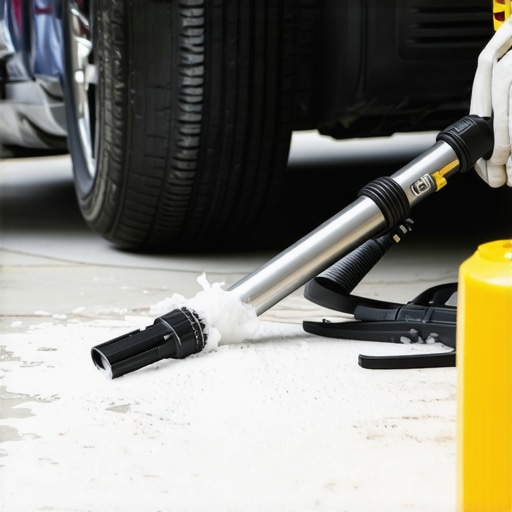
Leaks in the vacuum system or intake manifold can also cause hesitation. Use a spray bottle with soapy water around vacuum hoses; bubbles indicate leaks. I once used a smoke machine to pinpoint a tiny crack in my intake hose, which was causing the problem. Sealing or replacing faulty hoses eliminated the hiccups.
Diagnose Sensor Malfunctions
Faulty mass airflow sensors or throttle position sensors send incorrect data to the ECU, causing hesitations. Connect a scan tool and check for sensor error codes. I once replaced a faulty MAF sensor based on codes retrieved during a trip to the car service, leading to smoother runs. This step might require professional diagnostics, so visit https://autofixclinic.com/choosing-the-right-car-service-for-your-vehicles-needs for expert help if needed.
Perform a Comprehensive Engine Tune-Up
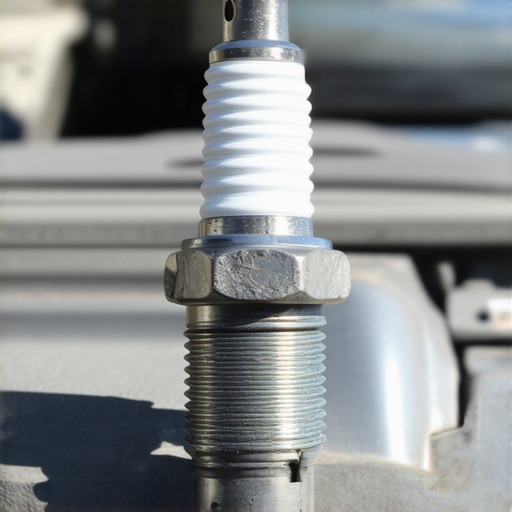
Often, old spark plugs, dirty injectors, or worn ignition components contribute to hesitation. Replace spark plugs with the correct gap, clean fuel injectors with a dedicated cleaner, and ensure ignition wires are in good shape. I remember dedicating an afternoon to a full tune-up, which brought my engine back to life and stopped the stuttering. Regular tune-ups prevent future issues; learn more at https://autofixclinic.com/top-oil-change-tips-for-safe-driving-in-2025.
Dispelling Myths About Transmission Maintenance
Many car owners believe that transmission issues only appear when something drastically fails, but in reality, early signs of trouble often go unnoticed due to misconceptions. For instance, a common myth is that transmission fluid is a ‘lifetime’ fill, leading people to overlook regular checks. According to transmission expert AutoFixClinic, maintaining proper fluid levels and quality is crucial for smooth shifting and prolonged transmission lifespan. Overlooking this can cause gradual damage that manifests as harsh shifts or delayed response, which are often mistaken for normal behavior. Recognizing these subtle signs early requires an understanding of the ‘hidden’ parameters that experts monitor regularly.
Misunderstanding Car Service Frequency and Its Impact
Many people are under the impression that sticking to the manufacturer’s recommended service intervals is sufficient, but the real nuance lies in usage patterns and environmental conditions. For example, aggressive driving, extreme temperatures, or frequent short trips can accelerate wear, making more frequent maintenance necessary. An ASE-certified automotive technician emphasizes that ignoring these factors and relying solely on mileage can lead to overlooked issues like contaminated oil or worn belts, which compromise safety and efficiency. Thus, understanding your driving habits and local climate can be the difference between a well-maintained vehicle and unexpected breakdowns.
Oil Changes: More Than Just a Routine Task
The misconception that oil changes are merely part of routine maintenance is widespread. However, neglecting the nuanced signs of oil degradation—like increased engine temperature or dark, gritty oil—can be costly. For high-performance engines or vehicles operating under heavy load, synthetic oils, though more expensive, offer better protection but can also turn black faster. A study in automotive engineering confirms that monitoring oil condition through regular analysis can preempt engine failure, especially when engines are pushed beyond typical limits. Remember, a proper oil change isn’t just about following a schedule but recognizing when your engine truly needs it.
Why Wait, Analyze & Act: The Advanced Edge
For the seasoned car enthusiast or professional, understanding these nuanced differences can mean the difference between a vehicle that performs flawlessly and one that gradually deteriorates. Regular diagnostics, sensor checks, and fluid analyses uncover hidden issues before they escalate. For example, subtle transmission hunting on slight inclines could stem from sensor calibration problems that only an advanced scan tool can detect. Staying proactive with intricate diagnostics—like this example suggests—entails a level of expertise often overlooked by everyday car owners.
Are you aware of the critical nuances in your vehicle maintenance regime? If not, you might be missing early warning signs that could save you thousands in repairs. Remember, reliable car ownership combines knowledge with proactive measures. Want to elevate your understanding? Reach out through our contact page and let’s ensure your vehicle’s longevity and performance. Have you ever fallen into this trap? Let me know in the comments.
Investing in Precise Tools for Reliable Maintenance
Regular vehicle upkeep demands the right equipment. I personally rely on a high-quality scan tool, like the Autel MaxiSys, which offers comprehensive diagnostics—covering everything from transmission nuances to engine management systems. Its ability to read manufacturer-specific codes ensures I catch issues early, preventing costly repairs. Pair this with a digital multimeter, essential for diagnosing electrical problems and testing sensors such as the MAF or throttle position sensor, to confirm their readings are within spec. My experience has shown that having tools calibrated regularly and knowing how to interpret their readings can make or break your vehicle’s longevity.
Mastering Oil Change Techniques
Beyond just draining and refilling, I utilize synthetic oils with additives tailored for high-mileage engines. Equipment like a torque wrench ensures the oil drain plug and filter housing are tightened to manufacturer specs, preventing leaks and contamination. I also recommend using an oil analysis kit periodically—like the Oil Analyzers Inc. test—to detect engine wear before symptoms manifest. This proactive approach aligns with upcoming trends pointing towards integrated vehicle health monitoring systems, which will increasingly rely on sensor data and predictive diagnostics, making routine manual checks even more vital now.
Long-Term Results Through Consistent Monitoring
Implementing scheduled diagnostics, including transmission fluid analysis and engine compression tests, offers a window into your vehicle’s health over time. For instance, regularly checking transmission fluid quality with a dedicated tester can reveal early signs of wear, as documented by AutoFixClinic. Combining this with scheduled oil changes and sensor calibration creates a maintenance cycle that extends vehicle lifespan, reduces breakdowns, and saves money. Modern vehicles increasingly integrate telematic data, but nothing replaces a skilled technician’s eye and proper tools for long-term reliability.
How Do I Keep Up My Car Over the Years?
The key is consistency. Use certified equipment, follow manufacturer guidelines, and stay ahead of small issues before they escalate. For example, when replacing transmission fluid, always opt for OEM-approved filters and fluids, verified by professional diagnostics. Remember, maintaining proper fluid levels and condition directly correlates with smooth operation, especially in vehicles with advanced transmission systems. As automotive technology evolves, tools like professional-grade diagnostic equipment will become even more integral to identifying issues early and preserving your vehicle’s performance. I recommend setting up a maintenance schedule that includes annual sensor checks and fluid analyses to stay proactive. Try calibrating your car’s sensors with a professional scan to ensure accurate readings—it’s a game-changer for transmission smoothness and engine reliability. Don’t hesitate to reach out to our team for personalized advice or scheduling expert diagnostics to keep your car running flawlessly for the years to come.
What I Wish I Knew Before Overlooking Transmission Signs
- Early transmission hunting or slipping is often dismissed as normal, but I learned that proactive diagnosis saves thousands. Recognizing subtle shifts can mean catching a problem before it becomes costly.
- Using proper diagnostic tools like an ASE-certified scan can reveal hidden sensor issues, preventing sudden breakdowns. I realized that being tech-savvy about my vehicle’s data makes all the difference.
- Neglecting regular oil and transmission fluid changes accelerates wear, yet many ignore these smaller maintenance steps. Regularly scheduled services and understanding their impact have extended my vehicle’s life dramatically.
- Personal experience taught me that trusting certified professionals ensures quality service. Combining expert advice with my own knowledge empowers me to keep my vehicle running smoothly.
- Learning these insights transformed my approach from reactive to proactive, turning car maintenance into a strategic part of vehicle ownership, not just a chore.
Gear Up with Tools That Stand the Test of Time
My essential toolkit includes an automotive-grade scan tool, like the professional diagnostic device, which helps me interpret sensor readings accurately. I trust these tools because they give me real-time insights beyond generic check engines. A good oil analysis kit also reveals engine wear patterns, helping me plan timely repairs. I’ve found that investing in quality equipment offers long-term savings and peace of mind.
Embrace Your Car’s Potential to Perform
Taking control of your transmission and vehicle maintenance requires confidence and curiosity. Whether it’s mastering a proper oil change or recognizing early signs of system failure, the more you learn, the better your car responds. Remember, regular diagnostics and sensor checks aren’t just for experts—they’re game-changers for any owner who wants a reliable ride. Your car reflects your diligence, so stay proactive and keep it running at peak performance. Have you ever caught a minor issue early and saved yourself from a major repair? Share your story below!