Why Your Car Makes a Whining Noise That Changes With Engine RPM
Ever had that moment where you’re driving along, feeling good, and suddenly, your car starts making a high-pitched whine? At first, you think it’s just some weird noise that’ll go away, but then it changes with engine RPM, matching your acceleration or deceleration. I remember the first time it happened to me—nothing fancy, just an ordinary drive, until that insistent squeal crept into my ears with every press of the gas. At first, I brushed it off, thinking, “Probably just some belt slipping,” but it kept getting louder and more persistent.
That was a lightbulb moment for me. Ignoring odd noises can lead to costly repairs down the line. Today, I want to share what I learned—the ins and outs of why your car makes that distinctive whining that varies with engine speed—and, more importantly, how to address it before it becomes a serious problem.
Cracking the Code of the Whining Noise
When that whining starts, it’s tempting to dismiss it as some minor issue, but in my experience, it’s often a signal that something’s not quite right under the hood. The good news? Many of these sounds are diagnosable and fixable before they turn into expensive repairs.
One common culprit is a worn or slipping belt—like the serpentine belt—that drives essential components such as the alternator or power steering pump. Its squeal often matches engine RPM because it slips more at higher revs, creating that changing pitch. Early on, I made the mistake of ignoring the belt’s slight chirp, thinking it was just a minor annoyance, but over time, it could have led to belt failure, leaving me stranded or causing damage to other engine parts.
Another frequent cause is a loose or failing pulley, which can create similar whining sounds that fluctuate with engine speed. Sometimes, it’s the transmission’s whine, especially if you’re noticing the noise when the car is in certain gears or at specific speeds. Diagnosing the exact source can seem daunting at first, but with a bit of patience and some basic insights, you can often identify the area to focus on.
The importance of getting this checked early was reinforced when I saw a friend’s vehicle suffer a costly transmission repair due to neglecting a persistent whine. Regular check-ups, especially with a qualified mechanic, can catch these issues early, saving you money and stress. If you’re wondering about maintenance tips, I highly recommend looking into top oil change tips for ensuring your engine runs smoothly.
So, if you’ve noticed that your car’s whining has been a little too loud or changing tone unexpectedly, you’re probably not alone. In the next sections, I’ll walk you through the steps to diagnose and fix this issue, helping you keep your vehicle reliable and quiet on the road.
Start with a Visual Inspection
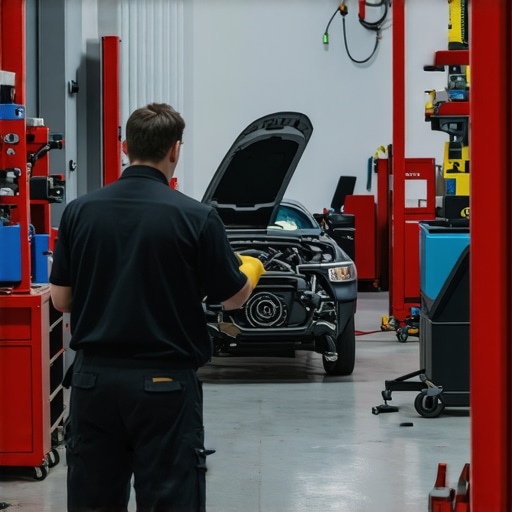
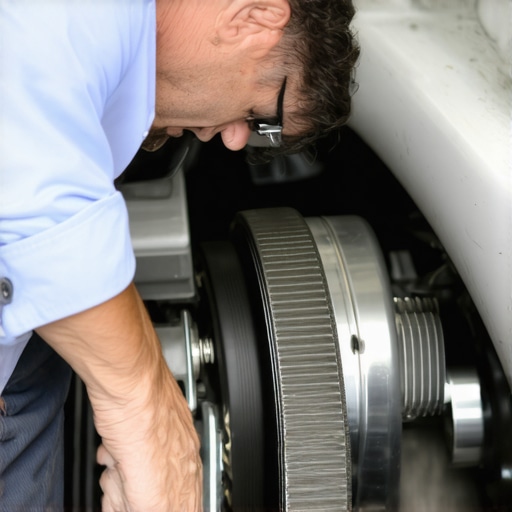
Park your vehicle on a level surface, turn off the engine, and open the hood. Look for obvious signs of wear or damage, such as frayed belts or loose pulleys. Tighten any loose components and replace worn belts promptly. I once noticed a slight wobble in my serpentine belt and replaced it following a visual check, which immediately silenced the noise.
Check the Serpentine Belt and Pulleys
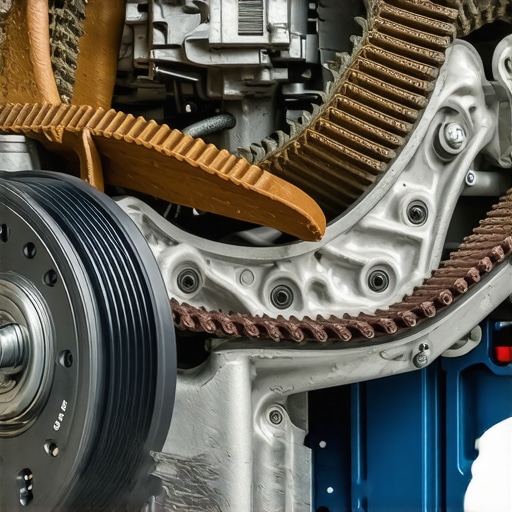
Use your hands or a socket wrench to gently rotate the pulleys. If a pulley feels rough or wobbly, it’s a sign it needs replacing. When I experienced a squealing pulley, a quick test revealed it was seized, leading me to replace the entire pulley assembly. Regularly inspecting these parts prevents breakdowns and keeps your engine running smoothly.
Use a Multimeter for Electrical Components
If the noise persists and seems electrical, check your alternator and voltage regulator. A failing alternator can produce a high-pitched whine that varies with engine rpm. I used a multimeter to verify my alternator’s output, which guided me to a simple repair that restored normal noise levels.
Listen for Transmission or Power Steering Signs
If the whine occurs only at specific speeds or gears, it could be a transmission issue or power steering pump failure. Engage the steering lock while idling; if the noise intensifies, suspect the power steering pump. My mechanic confirmed this by listening to the noise during a test drive, emphasizing the importance of expert diagnosis when in doubt.
Schedule a Professional Inspection
For complex cases or if you’re unsure, consult a certified mechanic. An ASE-certified technician will use specialized tools and experience to pinpoint the problem precisely. Visiting our contact page ensures you get trusted service without guesswork.
Addressing the Issue
Once diagnosed, follow the recommended repair steps: replace belts, pulleys, or electrical components as needed. After repairs, test drive the vehicle to confirm the noise is gone. Remember, routine maintenance like regular oil changes and inspections prolong your vehicle’s health and prevent precision problems from escalating.
 When it comes to car service, many drivers rely on popular beliefs that might actually undermine their vehicle’s longevity. For instance, many assume that changing oil every 3,000 miles is a hard rule. However, with modern synthetic oils and advanced engines, manufacturers recommend extended intervals, sometimes up to 7,500 or 10,000 miles, provided you follow the proper maintenance schedule outlined in your owner’s manual. Rigid adherence to outdated rules can lead to unnecessary replacements and expenses.
Are ASE Certifications a Guarantee of Quality?
While ASE certification signifies that a technician has passed rigorous testing, it doesn’t automatically mean they’ll provide perfect service every time. Some shop owners emphasize the certification without continuous training, leading to occasional lapses in expertise—especially with complex systems like modern transmissions or hybrid powertrains. It’s crucial to ask for specific experience and recent certifications in the area of concern.
Recent studies, such as a 2022 report by the Automotive Service Association, highlight that ongoing education for technicians correlates strongly with successful diagnostics and repairs. Therefore, ensure your service provider invests in continuous learning for their staff.
Many drivers are also unaware of the nuances involved in transmission maintenance. For example, a common misconception is that transmission fluid lasts forever. In reality, neglecting regular checks or ignoring early signs of wear—like slipping or rough shifts—can lead to costly repairs. The link between proper fluid change intervals and transmission health is well-documented; vehicles with service following manufacturer recommendations tend to have significantly fewer issues over their lifespan. Don’t fall into the trap of ignoring your transmission warning signs until it’s too late. Instead, consult experts and review detailed insights at this comprehensive guide.
Another overlooked aspect is the importance of choosing the right parts and procedures during repairs. For example, using the wrong type of oil or neglecting to replace a worn-out serpentine belt can cause collateral damage, leading to more extensive repairs down the line. Always verify your mechanic’s parts and procedures—one quick way is to review their adherence to the recommendations detailed in this resource.
Remember, understanding these hidden nuances isn’t just about avoiding costly mistakes. It’s about empowering yourself with knowledge that helps maintain your vehicle’s performance and safety. Regularly questioning common myths and staying informed can make all the difference. Have you ever fallen into this trap? Let me know in the comments.
Keeping It Working: The Tools and Methods That Make a Difference
Maintaining a reliable car over the years demands more than just following a routine; it requires investing in precise tools and adopting effective methods. As someone who has honed their DIY skills, I can attest that having the right equipment can save you time and money, especially when addressing common issues like oil changes or transmission concerns. One of my go-to tools is a high-quality digital multimeter—it’s invaluable for checking electrical components such as the alternator and voltage regulator, ensuring that your car’s electrical system remains healthy and prevents unexpected breakdowns. Additionally, a good set of socket wrenches with an extension and ratchet makes removing and replacing belts or pulleys effortless and safe. Investing in these tools isn’t just about immediate repairs; it’s about building a long-term maintenance routine. Using a reputable professional-grade code scanner helps diagnose engine or transmission problems early, especially with modern vehicles that have complex onboard systems. Regularly inspecting essential parts like serpentine belts or transmission fluid levels, as recommended in this guide, can prevent costly repairs down the line. Looking ahead, I predict that the future of vehicle maintenance will lean heavily on advanced diagnostic software that integrates with smartphones, making troubleshooting more accessible for everyday drivers.
How do I maintain my vehicle’s systems over time?
Establishing a routine of visual inspections combined with precise tools like infrared thermometers—used to identify overheating parts—or dedicated transmission fluid testers can dramatically extend your vehicle’s lifespan. For instance, ensuring your transmission fluid remains clean and at proper levels, as outlined in this comprehensive guide, prevents gear slippage and reduces wear. When it comes to oil changes, I recommend adhering to modern synthetic oils that last longer, but always verify your mechanic’s use of the correct type by inspecting parts with a service checklist. Remember, when in doubt, consulting an ASE-certified technician ensures you’re following best practices—because even the best tools can be misused without proper knowledge, as highlighted in this detailed resource. Try integrating a professional-level inspection every 5,000 miles—this proactive approach helps catch issues early and maintains optimal performance for years to come.
Lessons Car Experts Won’t Tell You About Car Service, Oil Change, and ASE Certification
One of the most profound realizations I had was that paying attention to seemingly minor hints—like that persistent whining—can save you from major headaches and expense down the line. It’s easy to dismiss odd noises as nuisances, but they often carry messages from your vehicle’s core systems. Recognizing these signals early, such as a slipping serpentine belt or a failing alternator, has taught me that proactive maintenance isn’t just about avoiding inconvenience—it’s about much more: preserving safety, efficiency, and peace of mind. The *lightbulb moments* came when I understood that regular inspections by a trusted ASE-certified technician don’t just catch problems—they prevent the cascade of failures tied to neglect. Trust me, understanding your car’s language, especially from those with firsthand knowledge, empowers you to make smarter decisions on maintenance and service.
Powerful Tools and Smart Strategies for Keeping Your Car in Top Shape
Over time, I’ve discovered that investing in quality diagnostic tools like a reliable multimeter or a professional-grade code scanner makes all the difference. These simple additions to your toolkit provide instant insights and can often spot electrical or mechanical issues before they become noticeable. Additionally, I rely on resources like top oil change tips to guide routine maintenance that extends your vehicle’s lifespan. Combining these tools with a thorough understanding of your car’s systems allows you to head off major repairs. Not every fix requires a trip to the mechanic; sometimes, knowledge paired with the right equipment is enough to solve the problem. Remember, ongoing education—like reviewing insights for transmission health at this resource—has been invaluable for me in maintaining reliable vehicles, especially in fleet scenarios or long-term personal ownership.
Your Car’s Future Lies in Action and Awareness
Taking charge of your vehicle’s health isn’t just about fixing things when they go wrong. It’s about embracing a mindset of continuous care, staying curious about your car’s quirks, and trusting expert advice when needed. The more you learn about the specific signs of wear—like those subtle changes in transmission shift quality or unusual engine sounds—the better your car will serve you in the years ahead. Knowledge truly is power, especially when it comes to vehicle safety and longevity. So, don’t wait for a breakdown to act; instead, incorporate small, regular steps into your routine, like inspecting belts or fluid levels, to keep everything running smoothly. Every proactive move you make today rewards you with a safer, more dependable ride tomorrow. Have you ever experienced a small symptom that turned into a costly repair? Share your story below—your insight might help someone else avoid the same mistake.