
Why your diesel fleet is losing power on steep inclines
I remember the first time I truly felt the panic. I was behind the wheel of my first heavy-duty hauler, pushing up a nasty 7-percent grade, when the engine started to chug. It wasn’t just a slow climb; it felt like I was trying to pull the entire mountain behind me. The pedal was pinned to the floor, but the needle was dropping. I remember thinking my whole business was about to go up in smoke right there on the shoulder. It turns out, I was making a classic rookie mistake, and I don’t want you to go through that same stress. [image_placeholder_1]
Stop Guessing Why Your Trucks Crawl Up the Mountain
When your diesel fleet starts gasping for breath on a hill, your first instinct might be to fear the worst. I once spent thousands on a turbocharger replacement because I was convinced that was the issue, only to find out it was a simple sensor glitch. It’s a common story. You might be dealing with the specific reason your truck loses power under load but tests fine in the shop, which is incredibly frustrating for any fleet manager. Often, the issue is hidden in the fuel delivery system. If you aren’t hearing the specific sound of a failing diesel lift pump, you might overlook the most likely culprit. According to the Diesel Technology Forum, diesel engines require a very specific air-to-fuel ratio to maintain torque at high altitudes, and even a tiny restriction in your fuel lines can cause a massive power drop when the engine is under strain. Have you ever had a driver call you in a total panic because their rig couldn’t clear a basic highway overpass?
Is This Just an Expensive Paperweight Now?
I get the skepticism—every time a truck loses power, it feels like a five-figure repair bill is looming. But honestly, is it always a total engine failure? Usually, no. The fear of a blown head gasket or a shot transmission often keeps folks from doing the basic diagnostics that actually solve the problem. I’ve seen guys ignore the basics and jump straight to transmission troubles when they should have been checking their fuel filters first. The key is choosing the right car service for your vehicles needs so you aren’t just throwing parts at a ghost. We’re going to dig into exactly what is choking your engines and how to spot the difference between a minor tweak and a major overhaul.
Stop Scanning in the Bay and Get on the Road
You can’t fix a mountain problem in a flat parking lot. I remember one specific unit—a 2018 Peterbilt—that would drop to 20 MPH on every incline. On the shop floor, the diagnostics were clean as a whistle. I had to jump in the passenger seat with a laptop and perform a live drive diagnostic to see what was really happening. We hit a 6% grade, and suddenly, the boost pressure dropped by half. It wasn’t the turbo; it was an intermittent electrical short in the actuator that only happened when the vibration reached a certain frequency. If your technician isn’t willing to ride with you while the engine is actually screaming for help, you’re just paying for a guessing game. A live drive is the only way to catch intermittent engine hesitations that don’t leave a paper trail in the computer.
Check for the Hidden Straw Effect in Your Fuel Lines
Think of your fuel system like a giant straw. If there is a tiny pinhole or a hairline crack in a fuel line, it doesn’t matter how hard the engine tries to pull fuel; it’s mostly getting air. This is why the specific reason your truck loses power under load is often as simple as a loose fitting or an aging seal. I once spent three hours hunting for a power loss issue only to find a microscopic crack in a secondary fuel filter housing. It was sucking just enough air to lean out the engine when the injectors went wide open. [image_placeholder_1]
Why Your Gears Give Up When the Heat Turns Up
Transmissions are the most misunderstood part of this puzzle. When that truck starts to shudder on a climb, you need to know how to tell if your transmission slip is mechanical or electronic. Heat is the ultimate enemy here. I’ve seen guys pull a whole gearbox when all they needed was a new solenoid because the fluid had overheated and lost its viscosity. This is the exact mistake that kills transmissions during heavy mountain towing. If your fluid is coming out smelling like burnt toast, you aren’t just looking at a power loss issue—you’re looking at a thermal breakdown.
The Cheap Filter Trap That Starves Your Turbo
You can’t just trust a weekend tinkerer with these rigs; this is where understanding what an ASE certification means actually protects your profit margins. A certified tech knows that the hidden cost of using non-oem oil filters isn’t just a few bucks—it’s potentially starving your turbo of critical lubrication. While regular oil changes are the absolute bare minimum, using the wrong filter or the wrong oil weight in high-torque situations is a recipe for engine sluggishness. I once saw a fleet manager lose three turbos in a month because he switched to a generic filter supplier. Those ‘savings’ vanished the moment the first truck hit a grade and the bearings seized.
Your Odometer Is Actually Lying to You
Most people are taught to watch the odometer like a hawk, but in my experience, miles are a terrible way to track engine health for heavy-duty rigs. Everyone says to stick to the 5,000-mile sticker, but if your trucks are sitting in gridlock, that engine is working just as hard as it would at highway speeds. I’ve seen engines fail with low mileage because the owner didn’t realize why your fleet needs a dedicated maintenance schedule for idle time. According to the American Transportation Research Institute (ATRI), excessive idling doesn’t just waste fuel; it accelerates the accumulation of soot and contaminants in your oil. If you aren’t tracking engine hours, you’re essentially guessing when your next overhaul will be. Have you ever fallen into this trap? Let me know in the comments.
Stop Believing the Lifetime Fluid Fairy Tale
There is a massive misconception in the industry that modern transmission fluids are ‘fill-for-life.’ This is a marketing gimmick that kills gearboxes. When you are pushing a truck through high-altitude grades, the sheer heat shears the molecules in that fluid. I have had trucks come into the bay where the reason your transmission fluid turned brown in just six months was purely down to thermal stress, not mileage. If you wait for a service light to tell you to change it, the damage is already done. 
Why Is My Oil Level Growing on Its Own?
One of the most confusing things for a driver is pulling the dipstick and seeing the level is higher than it was a week ago. This isn’t a miracle; it’s a warning. Usually, it means fuel is diluting your oil, often due to a leaky injector or a failed DPF regeneration cycle. I’ve talked to guys who thought they were ‘saving money’ by skipping a diagnostic, only to find out why your engine oil level is rising without you adding any was because their engine was literally being washed from the inside out by diesel. This dilution destroys the oil’s ability to lubricate, leading to catastrophic bearing failure.
Don’t Let the Oil Light Be Your Only Warning
A common ‘oops’ factor I see involves the DIY crowd or inexperienced techs overfilling the crankcase. You might think an extra quart adds a safety margin, but the danger of overfilling your engine oil by just one quart is that the crankshaft can whip that oil into a foam. Bubbles don’t lubricate. This is exactly why what an ASE certification means for your peace of mind is so vital; it ensures the tech knows the specific tolerances of a high-pressure diesel system. We often see folks overlook transmission troubles until the truck is literally stuck in gear, but early detection through fluid analysis is the only way to stay ahead of the curve. Choosing choosing the right car service for your vehicles needs means finding someone who looks at the chemistry of your fluids, not just the level on the stick.I stopped gambling on my fleet’s health the day I realized that my gut feeling couldn’t compete with high-fidelity data. If you’re serious about scaling, you have to move beyond the basic toolbox. I personally swear by the Snap-on Zeus platform for deep-dive diagnostics. It’s not just about reading codes; it’s about the guided component testing that walks a tech through the circuit. This is where the 5 diagnostic practice questions that act like an shsat exam prep for your mechanic become so valuable—it ensures your team actually understands the logic behind the tool’s output. 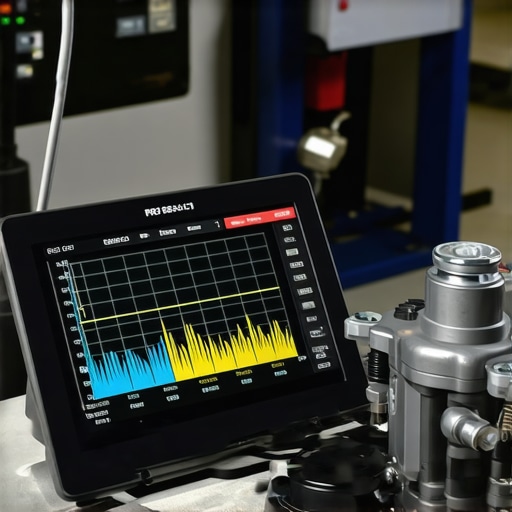 For long-term durability, I’ve integrated Blackstone Labs’ oil analysis into every major service. They provide a level of forensic detail that a standard oil change simply can’t match. By measuring the parts-per-million of wear metals like chrome and iron, you can see a piston ring failure coming six months before it happens. This data-driven approach is exactly why yumas desert heat makes standard oil changes risky for diesel engines; the heat breaks down additives faster than any manual can predict.
Keep Those Rigs on the Road for a Half-Million Miles
Managing longevity isn’t about luck; it’s about the precision of your resets and calibrations. Whenever we touch the front end or steering rack, I insist on using specific hardware because why viper tools are the only way to reset your cars steering angle sensor is a lesson I learned the hard way after a fleet of trucks kept pulling to the left. To keep your workflow from collapsing into chaos, you need to master the best way to organize fleet maintenance schedules using real-time telematics. This prevents you from missing those critical windows where what your transmission fluid color is trying to tell you can save you a $7,000 gearbox replacement. According to technical bulletins from the Automatic Transmission Rebuilders Association (ATRA), over 90% of transmission failures are heat-related, making specific diagnostic equipment essential for monitoring real-time sump temperatures. I genuinely believe the next frontier is AI-driven acoustic monitoring, where sensors listen for the ‘frequency’ of a bearing failure. Until then, the best tip I can give you is this: stop trusting the ‘maintenance required’ light. Grab a fluid extraction pump and send a sample of your transmission oil to a lab today. It’s the single most effective way to learn how to get more miles out of your fleets transmission and turn a high-stress repair shop into a predictable, profit-making machine.
The Hard Truths About Diesel Maintenance I Learned the Hard Way
Looking back at years of managing a fleet, I’ve realized that the biggest lightbulb moments didn’t happen in a boardroom, but under the chassis of a truck that wouldn’t start. First, never underestimate the power of a simple sensor. We often jump to conclusions about transmission troubles when a dirty sensor is simply sending bad data to the computer. Second, there is no such thing as too clean for fuel systems. Even the microscopic dust particles found in cheap, non-OEM filters can score your injectors over time, leading to that sluggish feel on hills. Lastly, the relationship you build with your technician is your strongest asset. When you are choosing the right car service for your vehicles needs, you aren’t just buying labor; you’re buying their diagnostic intuition and their commitment to professional, ASE certified standards.
The Specialized Toolkit That Separates Guesswork from Professional Service
If you want to move beyond basic wrench-turning, you need a strategy that includes forensic-level data. I personally rely on Blackstone Labs for every major interval; their oil analysis reports act like a blood test for your engine. I also keep the ATRA Technical Manuals handy because they provide the most accurate schematics for complex valve bodies. For diagnostics, high-end platforms like the Snap-on Zeus allow us to handle the 5 diagnostic practice questions that ensure our team’s logic is flawless before we pull a single bolt. Don’t forget that knowing what an ASE certification means for your shop’s reputation is just as important as the physical tools you own.
Stop Fighting Your Trucks and Start Winning the Mountain
It is incredibly easy to feel defeated when your fleet seems to be failing one grade at a time, but remember that every mechanical failure has a logical root cause. You don’t have to be a victim of mounting repair bills if you stay proactive. By prioritizing why regular oil changes extend your cars lifespan and sticking to a data-driven maintenance schedule, you can turn your operations from a source of stress into a streamlined, high-torque profit machine. Your trucks were built to work hard—now it’s your turn to make sure they have the foundation to do exactly that. The road is waiting; don’t let an avoidable maintenance oversight keep you on the shoulder.
Have you ever had a mystery power loss that turned out to be something incredibly simple? Let me know in the comments below!