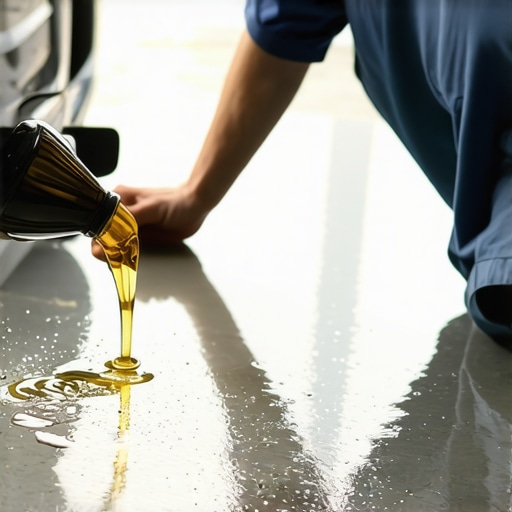
How to Keep Your Delivery Vans Running Without Constant Downtime
I remember the exact moment I realized how costly—and stressful—it is when a delivery van unexpectedly grinds to a halt mid-route. It was a scorching summer afternoon, and my driver calls me, voice tense: “Van’s dead on the highway. Can’t get it to start.” My stomach sank. Countless hours, missed deliveries, frustrated clients. That day, I knew I had to find a way to keep those wheels turning consistently.
Why Preventing Van Breakdowns Should Be Your Top Priority
If you’re like me, the last thing you want is for your fleet to be sidelined by avoidable mechanical issues. Delivery vans are the backbone of many businesses—they’re more than vehicles; they’re vital assets that keep your operations smooth. When a van is down, it’s not just an inconvenience; it hits your bottom line and rebounds onto customer satisfaction.
But here’s the harsh truth: most breakdowns aren’t sudden disasters. They’re the result of neglecting simple, proactive maintenance. Neglecting routine upkeep can turn minor issues into full-blown failures. For example, something as seemingly insignificant as skipping regular oil changes can cause engine wear and reduce reliability over time. In fact, [experts highlight](https://autofixclinic.com/why-regular-oil-changes-extend-your-cars-lifespan) that consistent oil maintenance extends engine lifespan and prevents costly repairs.
Early on, I made the mistake of ignoring small signs—like strange smells from the engine or odd vibrations—assuming they were nothing. Turns out, these small indicators were warning signs of larger problems. Spotting and addressing issues early can be the difference between smooth sailing and costly downtime.
Will Basic Maintenance Save Me from Breakdowns?
It’s a common skepticism I hear from fleet managers: “Does regular maintenance truly prevent breakdowns?” Honestly, it does—if done correctly. Regularly scheduled services, such as oil changes and transmission inspections, are your shield against unforeseen breakdowns. For practical guidance on that front, check out [transmission troubleshooting tips](https://autofixclinic.com/transmission-troubles-expert-insights-for-smooth-shifting) and understand how routine checks can save your day.
So, if you’ve faced those sudden, maddening breakdowns, you’re not alone. And the good news? There are concrete steps I’ve taken—and you can take—to ensure your vans stay on the road and out of the repair shop.
Schedule Regular Oil Changes to Keep Engines Healthy
Think of your vehicle’s engine like a human heart — it needs clean, well-lubricated blood to beat smoothly. Regular oil changes are essential; they prevent buildup, reduce friction, and extend your engine’s lifespan. When I first started implementing a strict oil change routine based on [expert recommendations](https://autofixclinic.com/why-regular-oil-changes-extend-your-cars-lifespan), I noticed a decrease in engine issues and smoother rides. Set a reminder every 3,000 to 5,000 miles, or follow your vehicle manufacturer’s guidelines, to keep your engine humming.
Inspect and Replace Transmission Fluid Before Failures
Your transmission is the vehicle’s cadence — shifting gears smoothly is vital. Neglecting transmission fluid can lead to slipping or overheating, much like a musician playing out of tune. During one maintenance visit, I used a visual check to evaluate the transmission fluid’s color and consistency; it should be pinkish and clear. If it appears dark or muddy, it’s time for a flush, which can be performed following [trusted ASE-certified procedures](https://autofixclinic.com/transmission-troubles-expert-insights-for-smooth-shifting). Regular checks ensure your van shifts seamlessly, preventing costly repairs down the line.
Perform Routine Brake Inspections to Avoid Sudden Failures
Brakes are your vehicle’s safety net. Missing early signs like grinding noises or a spongy pedal can be dangerous. During a recent roadside check, I noticed uneven brake pad wear, signaling the need for replacement. Regular inspections involve measuring pad thickness and checking for leaks or corrosion in brake lines. Proactively replacing worn components—sometimes replacing both struts and brake pads, as [experts recommend](https://autofixclinic.com/why-your-ase-tech-recommends-replacing-both-struts-instead-of-one)—can save lives and money, ensuring your fleet remains reliable under pressure.
Keep Cool with Coolant Checks
Engine coolant prevents overheating, especially in hot climates or during long drives. I once caught a coolant leak early by inspecting the radiator and hoses, preventing engine damage. Use a hydrometer or a refractometer to check antifreeze concentration, and flush the system per manufacturer’s schedule. Proper coolant levels and quality are crucial, and ensuring that the system is free of leaks can avoid engine warping, which often results in expensive repairs. Regular coolant checks are a simple yet effective way to keep your vans running smoothly.
Monitor Tire Health for Optimal Traction and Safety
Uneven or worn tires can cause vibrations, reduce fuel efficiency, and increase the risk of blowouts. In one instance, I noticed a tire with a nail embedded, which I promptly repaired instead of risking a blowout on the highway. Regularly check tire pressure—use a reliable gauge—and inspect tread depth with a penny or a tread wear indicator. Rotating tires every 5,000 to 7,500 miles promotes even wear, maintaining grip and extending tire life—crucial for fleet vehicles operating constantly. Well-maintained tires are your frontline defense against roadside breakdowns.
 Many vehicle owners and even some technicians operate under misconceptions about automotive maintenance, particularly regarding ASE certification, transmission care, and oil change practices. Let’s clarify some of these nuances that can make a significant difference in your vehicle’s longevity and performance.
First, a common myth is that ASE certification guarantees a technician is perfectly suited for every repair. While ASE certification indicates a baseline of competency recognized industry-wide, it doesn’t guarantee specialization in specific vehicle makes or complex repairs. For example, an ASE-certified tech might be excellent at general diagnostics but may lack the expertise in hybrid systems or high-performance transmissions. To ensure you’re getting the right expertise, consider asking specific questions or seeking specialists with additional certifications or experience in your vehicle type. You can learn more about what ASE certification truly signifies and how to verify a mechanic’s qualifications [here](https://autofixclinic.com/what-does-an-ase-certification-mean-for-your-cars-maintenance).
Second, many overlook the hidden nuances in transmission care. Some believe that transmission fluid is a one-and-done maintenance item, but in reality, the fluid’s condition directly impacts shifting smoothness and transmission lifespan. Dirty or degraded transmission fluid can cause slipping, overheating, or even complete failure. Regular visual inspections and following manufacturer schedules for transmission fluid replacement are critical, especially in fleet vehicles which endure heavy use. For detailed insights into transmission maintenance, check [this guide](https://autofixclinic.com/transmission-troubles-expert-insights-for-smooth-shifting).
Third, there’s a prevalent misconception that oil changes are only about replacing oil—nothing more. In truth, a proper oil change involves inspecting and replacing filters, checking for leaks, and sometimes even cleaning components like PCV valves. Neglecting these extended services can lead to overlooked issues that silently damage your engine. Moreover, using the right type of oil and adhering to recommended intervals is vital; synthetic oils, for example, offer better protection but require proper handling. For advanced tips on oil change procedures, visit [this resource](https://autofixclinic.com/why-regular-oil-changes-extend-your-cars-lifespan).
Yet, here’s the oops moment many miss: over-lubricating or over-maintaining can be just as harmful as neglect. Overfill oil or transmission fluid can cause foaming, leading to reduced lubrication and increased wear. Always ensure you follow the manufacturer’s specifications, and if in doubt, consult a qualified mechanic—preferably one with ASE certification.
Have you ever fallen into this trap? Let me know in the comments. Remember, understanding these subtleties helps you make smarter choices, extend your vehicle’s life, and save money in the long run.Maintaining vehicles efficiently over time requires more than just basic knowledge; it demands the right tools and software to identify problems early and keep your fleet running smoothly. One essential item I personally rely on is an **OBD-II scanner** like the BlueDriver, which provides comprehensive live data and trouble code readings right from your smartphone. This device enables me to diagnose issues remotely, saving time and money, especially when managing multiple delivery vans. Additionally, I use a high-quality **transmission fluid tester** such as the Valvoline Transmission Fluid Test Kit, which helps me evaluate the condition of transmission fluid without needing to drain it—a critical step highlighted in [transmission troubleshooting](https://autofixclinic.com/transmission-troubles-expert-insights-for-smooth-shifting). Regularly monitoring fluid health ensures preventative maintenance and avoids unexpected failures.
For routine inspections and fluid checks, I leverage a **magnetic oil drain plug** embedded with a diagnostic sensor. This simple yet effective tool collects metal particles from the oil, indicating internal wear before catastrophic failure occurs. It’s an affordable investment that I include in my maintenance routine, aligning with advice from industry experts on extending engine life through early detection of wear debris.
On the software side, I utilize **fleet management platforms** like Verizon Connect, which consolidates vehicle diagnostics, maintenance schedules, and driver behavior analytics into one interface. This integration simplifies scheduling oil changes and transmission flushes based on real-time data, ensuring compliance with manufacturer recommendations and ASE-certified practices. As technology evolves, predictive analytics are becoming increasingly accurate at foreseeing component failures, making tools like these indispensable for modern fleet managers.
Looking ahead, the trend is driving toward more advanced diagnostic tools that combine AI and machine learning to predict failures even before symptoms appear. While these innovations are still emerging, embracing current technology—like comprehensive OBD-II scanners and fleet management software—gives you a considerable edge in maintaining your vehicles long-term.
How do I maintain transmission health over time? Regularly check transmission fluid clarity and color, and don’t wait until symptoms appear to perform fluid flushes. For detailed guidance, see [this expert article](https://autofixclinic.com/transmission-troubles-expert-insights-for-smooth-shifting).
To improve your maintenance routine today, I recommend trying out a transmission fluid condition monitor. It offers instant insights into fluid condition, helping you schedule interventions proactively rather than reactively. Investing in the right diagnostic tools not only saves money but extends the lifespan of your vehicles and keeps your operations on track. For more advice tailored to your fleet, visit our [contact page](https://autofixclinic.com/contact-us) and get personalized recommendations.
Lessons That Changed My Approach to ASE Certified Upkeep
One of the toughest truths I learned is that overconfidence in a mechanic’s credentials can lead to missed signs. Early in my fleet management journey, I trusted simple oil change reports without inspecting the filters, and it backfired when a neglected transmission flush caused costly damage. That lightbulb moment taught me to take a hands-on approach, even when working with ASE-certified technicians, and reinforced the importance of understanding the maintenance process myself.
Another lesson I grappled with is that routine inspections often uncover hidden threats. A seemingly minor coolant leak unveiled a corroded radiator core, which could have led to engine failure if left unchecked. Now, I prioritize regular coolant checks—not just trusting the last service—because preventative action saves money and stress.
The realization that technology integrates seamlessly with traditional maintenance transformed our operations. Using an advanced OBD-II scanner like BlueDriver has enabled me to catch transmission sensors that were borderline, preventing sudden breakdowns. Combining these tools with ASE-certified expertise creates a safety net that keeps trucks rolling without surprises.
Tools and Guides That Keep My Fleet on Track
For anyone serious about vehicle longevity, investing in a reliable diagnostic tool is non-negotiable. I personally rely on the ASE certification understanding guide to clarify what certifications mean in real-world repairs, ensuring I choose qualified technicians. Alongside, transmission troubleshooting tips and oil change best practices are my go-to resources for proactive maintenance strategies. These trusted sources help me make informed decisions, saving my fleet from unexpected downtimes.
In addition, I use online scheduling tools like Fleetio, which seamlessly integrate with diagnostic reports to automate maintenance reminders. This combination ensures I stay ahead of service intervals, particularly for critical points like oil and transmission fluid replacements. I’ve found that this proactive approach is the secret to extending vehicle lifespan and reducing repair costs over time.
Build Confidence and Keep Moving Forward
Embracing continuous learning about ASE certified maintenance, transmission health, and proper car care has been transformative. The road to reliable fleet operation isn’t paved with guesswork but with deliberate, informed actions. As you develop your maintenance routine, remember that investments in the right tools and knowledge empower you to avoid preventable setbacks. Your vehicles are your assets—treat them with the care they deserve.
So, what’s holding you back from taking your fleet’s maintenance to the next level? Dive deeper into each aspect, and start making smarter, proactive choices today.
Have you tried integrating diagnostic tools into your maintenance routine? Share your experience below and let’s learn together!
,