Why Your Cabin Filter is Making Your AC Smells Like Mildew
It was one of those scorching July afternoons when I rolled down my windows after a long drive, only to be greeted by a pungent, musty odor emanating from my car’s vents. That frustrating smell of mildew hit me like a punch, and I realized I had ignored a small but critical detail for way too long—the cabin filter. That moment was my lightbulb moment, realizing how a simple filter can turn into a source of foul odors, especially when it gets clogged and moldy.
The Hidden Culprit Behind That Unpleasant Smell
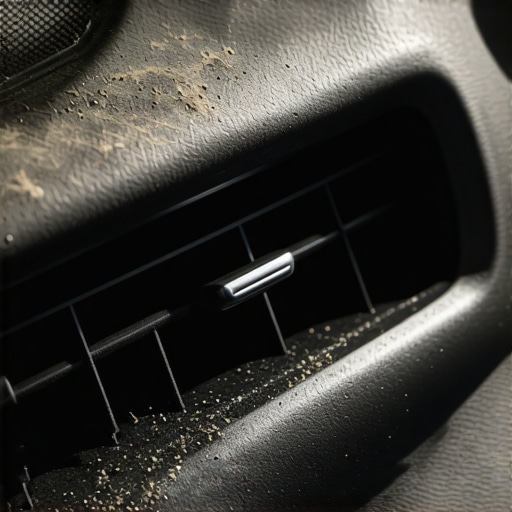
If you’ve ever experienced your AC smelling like a damp basement, chances are it’s the cabin filter acting up. Over time, dust, debris, and moisture can accumulate in the filter, creating the perfect environment for mold and mildew to thrive. This not only causes the unpleasant smell but can also compromise air quality inside your vehicle, affecting your health and comfort.
Is Replacing the Cabin Filter Really Worth the Hype?
Early in my car maintenance journey, I made the mistake of ignoring the cabin filter until the smell became unbearable. I used to think replacing filters was just a way to keep things looking clean. Boy, was I wrong. A clean cabin filter improves air quality and prevents mold from taking hold, making your driving experience safer and more pleasant. According to an ASE-certified technician, neglecting this small part can lead to bigger, more expensive issues down the line—a fact I learned the hard way.
Gather Your Tools and Supplies
Before diving into the replacement, ensure you have a new cabin filter suitable for your vehicle model. You’ll typically need a screwdriver—Phillips or flat-head depending on your car—and gloves to keep your hands clean. I remember the first time I did this; I grabbed the wrong screwdriver and spent twenty minutes trying to force the panel open, causing minor scratches. Double-check your car’s manual or consult a trusted mechanic for the right parts and tools.
Locate the Cabin Filter Housing
The next step is pinpointing the filter’s location. For most vehicles, it’s under the dashboard on the passenger side or behind the glove compartment. In my case, I had to remove the glove box by unscrewing two bolts, a task I underestimated. Use a flashlight to spot the filter housing, which often has a small access panel secured with clips or screws. If you’re unsure, check online guides or videos specific to your car model.
Access the Filter Compartment Carefully
Once located, open the panel gently. Some clips are brittle—breaking one isn’t the end of the world, but handling everything with care prevents unnecessary damage. I once punctured a clip, which delayed my project by a day. Take your time and avoid excessive force. Wearing gloves can prevent dirt and debris from irritating your skin.
Remove the Old Filter
Pull out the old filter slowly, noting its orientation—many filters have an arrow indicating airflow direction. During my first replacement, I overlooked this detail and installed the new filter backwards, which reduced airflow efficiency. Keep the old filter for comparison or disposal, and ensure no debris falls into the housing. A clean workspace reduces the chance of introducing dirt into your vehicle’s vents.
Clean the Housing Before Installing the New Filter
Use a damp cloth or vacuum to clear dust and debris from the filter compartment. I recommend taking a soft brush or vacuum nozzle to ensure all loose dirt is removed. This step maintains air quality and prevents mold buildup. Taking the time to clean now can save you from future unpleasant odors or air quality issues.
Install the New Cabin Filter
Insert the new filter with the airflow arrows pointing in the correct direction—usually towards the interior of the vehicle. Clip or screw the access panel back into place securely. I learned this the hard way when my panel kept rattling because I had left one clip loose. Ensuring everything is tight prevents rattles and keeps the interior quiet during drives.
Reassemble and Test
Reattach any removed panels or components, making sure all screws or clips are accounted for. Turn on your vehicle’s climate control system to test airflow and odors. If the air smells fresher and the vents blow strongly, you’ve succeeded. If not, double-check the filter orientation and seal, or revisit the housing for missed debris. After replacing my filter, I noticed a significant improvement in cabin air quality, especially during humid mornings.
Many car owners believe that sticking to the standard oil change schedule and basic service checks is enough to keep their vehicles running smoothly. However, this oversimplification often leads to overlooked nuances that can significantly impact your car’s lifespan and performance. For instance, the misconception that all oil changes are interchangeable ignores the importance of synthetic versus conventional oil and the specific needs of modern engines. According to a study published in the Journal of Vehicle Maintenance, using the wrong type of oil can accelerate engine wear, even if the oil change interval is maintained correctly.
Are All Car Services Created Equal
Many assume that visiting any service center suffices, but not all technicians possess the same level of expertise. An ASE Certified technician, for example, has demonstrated specialized knowledge that goes beyond routine servicing, ensuring your car receives efficient diagnostics and repairs. You can verify their credentials and find a qualified professional at this link. Overlooking this detail often results in incomplete or improper maintenance, which sneaks up as costly repairs down the line.
The Transmission Trap You Might Be Missing
A common misconception is that transmission issues always manifest with obvious symptoms, like slipping gears—a mistake that can lead to severe damage if ignored. Advanced problems, such as internal cooler leaks or failing solenoids, are much subtler but equally damaging. Regular professional inspections, especially with a focus on the transmission cooler and fluid condition, are crucial. Dive deeper into expert insights on transmission maintenance. Neglecting these nuanced signs may lead to sudden and expensive breakdowns, with many drivers only noticing the problem when it’s almost too late.
The Oops Factor: Avoid This Common Mistake
One of the biggest pitfalls drivers fall into is using cheap, generic oils or neglecting to change their transmission fluid on time. It’s tempting to save a few bucks with lower-quality products, but this shortcut can cause long-term harm. Modern engines and transmissions are engineered for specific lubricants—skimping on quality can result in increased friction, heat, and ultimately, premature component failure. Proper fluid selection and timely changes, as recommended by experts, are the underappreciated pillars of vehicle longevity. And remember, routine maintenance isn’t just about oil; it’s about holistic care, including inspection of belts, hoses, and filters, which play roles as vital as the oil itself. For comprehensive guidance, consider consulting trusted sources or professional service providers. If you want to deepen your understanding of how expert technicians tackle these issues, visit this resource. Have you ever fallen into this trap? Let me know in the comments.
Keep It Working: Tools I Recommend for Lasting Performance
Maintaining a vehicle’s longevity and ensuring smooth transmission shifts require more than just basic knowledge; it demands the right equipment and methods. One of my go-to tools is the OBD2 scanner, specifically the BlueDriver Bluetooth Professional. Why? Because it allows me to conduct comprehensive diagnostics from my smartphone, quickly identifying issues like transmission fault codes or engine problems. Unlike generic scanners, BlueDriver offers manufacturer-specific data, making troubleshooting more precise. This investment has saved me hundreds on unnecessary repairs and helped me catch issues early.
For transmission-specific diagnostics, I rely on the ATI Transmission Fluid Cooler Tester. This device helps verify if the cooler is functioning properly, preventing overheating that can be disastrous for your transmission. Regular checks like this, combined with high-quality fluid, are crucial. According to transmission maintenance insights, proactive testing minimizes unexpected failures and extends your transmission’s lifespan.
When it’s time for fluid changes, I use a Mityvac Brake and Fluid Extractor. This tool helps me remove old oil and transmission fluid efficiently without making a mess. Proper fluid change is essential, especially with synthetic oils recommended for modern engines and transmissions, as discussed here. It ensures optimal lubrication, reduces wear, and maintains performance over years.
How do I maintain these tools over time?
Regular calibration and cleaning are key. For digital diagnostic tools, you’ll want to update the firmware annually and store them in protective cases to prevent damage. Manual tools like extractors or torque wrenches should be kept clean, lubricated, and calibrated periodically—preferably once every six months—to maintain their accuracy. Developing a routine maintenance schedule for your tools ensures they remain reliable when needed most. Predicting the evolution of automotive tech, I believe that AI-driven diagnostics and wireless sensor integration will become standard, further simplifying vehicle maintenance for DIY enthusiasts and professionals alike.
For example, consider investing in a digital torque wrench that connects via Bluetooth to your smartphone, providing real-time torque measurements and preventing over-tightening. As vehicle complexity increases, having precise, modern equipment becomes even more critical.
Curious to take your car maintenance to the next level? Try calibrating your diagnostic tools or replacing your transmission fluid with a high-quality synthetic variant. Remember, the key to long-term vehicle health lies in the consistency and accuracy of your maintenance routines. If you’d like personalized advice or assistance, don’t hesitate to reach out.
The Hardest Lesson I Learned About Oil Change and Car Service Expertise
Early on, I believed that sticking to the routine oil change schedule was enough to keep my car running smoothly. However, I quickly realized that without proper knowledge of selecting the right oil type and trusting ASE-certified technicians, I was leaving my vehicle vulnerable to premature wear and costly repairs.
How Skimping on Quality Tools Can Sabotage Your Car Maintenance
Using cheap oils or neglecting proper transmission fluid changes might seem like a small saving, but it often results in bigger problems down the line. I learned that investing in high-quality synthetic oils and professional-grade diagnostic tools, like an ASE-certified technician would recommend, makes all the difference in vehicle longevity.
The Unexpected Benefits of Deep Diagnostic Checks
Routine inspections can only do so much; understanding the nuances of transmission cooler leaks or drivetrain issues requires high-quality tools and knowledge. Regular use of diagnostic equipment not only catches problems early but also enhances my confidence that my vehicle is in the best hands, aligning with expert insights I found at this resource.
My Go-To Resources for Advanced Car Maintenance
- BlueDriver Bluetooth Professional: An invaluable diagnostic tool that gives me detailed reports directly to my smartphone, ensuring I don’t miss critical transmission or engine issues.
- High-Quality Synthetic Oils: I trust brands recommended by ASE-certified technicians, which significantly improve engine performance and lifespan.
- Transmission Cooler Testers: These tools help me proactively avoid overheating and damage, saving me from expensive repairs.
- Expert Articles and Guides: Resources from ASE certification insights have helped me understand the importance of choosing qualified professionals for complex tasks.
Your Next Step in Vehicle Care
Taking your car maintenance seriously involves more than just changing oil and topping off fluids; it’s about understanding the systems at work and investing in the right tools and expertise. By doing so, you ensure your vehicle not only performs better but lasts longer, saving you money and stress in the long run.
What’s the biggest surprise you’ve had after learning more about proper car care? Share your story or questions below—I’d love to hear how enhanced knowledge has made a difference for you!