How to Spot a Clogged Transmission Filter Before it Kills Your Gears
I remember the moment I realized my car wasn’t shifting smoothly anymore—like riding a rollercoaster that suddenly got stuck in a loop. It was during a routine oil change, and honestly, I didn’t think much of it at first. But as the days went on, that same rough shifting turned into hesitation, and then, outright slipping. That’s when I had my lightbulb moment: I was risking my transmission’s health, and I didn’t even see it coming.
If you’ve ever felt that panic, wondering whether your sluggish gear shifts are just a minor glitch or a sign of something worse, you’re not alone. Many drivers overlook the small signs that their transmission filter might be clogged, thinking it’s not a big deal. But trust me, neglecting it can lead to costly repairs or even a total transmission rebuild. My goal today is to help you identify the early warning signs and take action *before* your gears give out.
Why Ignoring a Clogged Transmission Filter Could Cost You Big Time
Your transmission filter acts like a sieve, trapping dirt and debris that can damage critical components. Over time, if not checked, it gets clogged and restricts fluid flow. This causes a cascade of problems—from overheating the transmission fluid to increased wear on internal parts. Remarkably, according to automotive experts, neglecting transmission maintenance can decrease your vehicle’s lifespan significantly. Early detection is your best defense.
Is Your Transmission on the Edge? Facing Your Biggest Fears
Now, I know what you’re thinking: “My car seems fine. Why worry about a hidden filter?” Honestly, I made that mistake early on—assuming all was well just because there were no obvious symptoms. What I didn’t realize was that silent damage was quietly building up inside. This ignorance nearly cost me my transmission.
If you want to avoid the costly consequences of a failed transmission, it’s crucial to recognize the signs early. Think of it as catching a cold before it turns into pneumonia. For more insights on the importance of regular maintenance, check out how [regular oil changes extend your car’s lifespan](https://autofixclinic.com/why-regular-oil-changes-extend-your-cars-lifespan). In the upcoming sections, I’ll guide you through the telltale signs that your transmission filter may be clogging and what steps you can take to preserve your vehicle’s health.
Prepare for the Transmission Filter Replacement
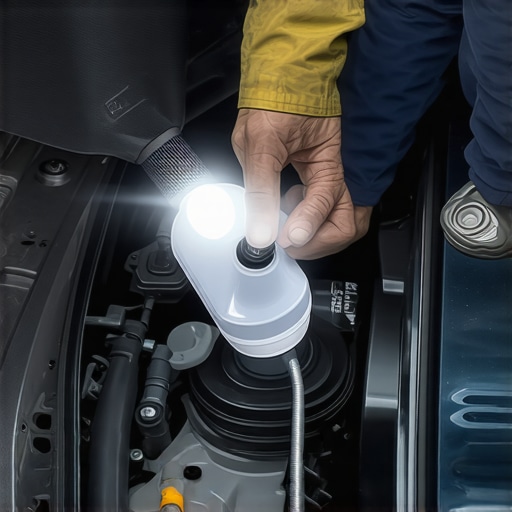
Before diving into the replacement, ensure your vehicle is parked on a level surface and the parking brake is engaged. Gather all necessary tools: socket wrench, screwdrivers, drain pan, new transmission filter, new transmission fluid, and safety gloves. Refer to your vehicle’s manual for specific part numbers and fluid specifications. Wear gloves to protect your skin from hot fluid and debris.
Drain the Old Transmission Fluid
Start by lifting the vehicle with a jack and secure it with jack stands for safety. Locate the transmission pan underneath your car—think of it as the transmission’s oil reservoir. Place the drain pan beneath the pan’s drain plug. Carefully loosen the drain plug with a socket wrench, allowing the old fluid to flow out into the pan. Be prepared for a spill; the fluid may be hot. Once drained, tighten the drain plug securely to prevent leaks.
Remove and Replace the Transmission Filter
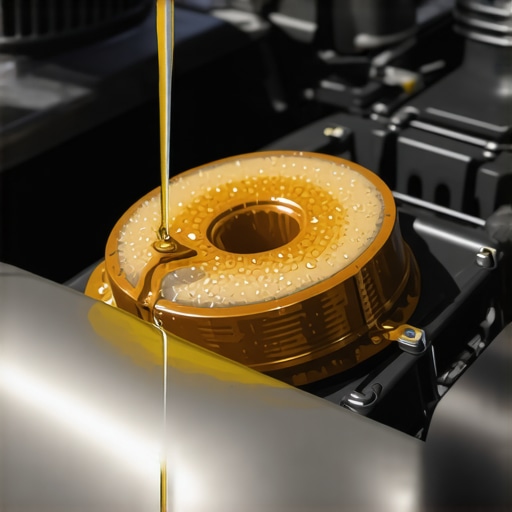
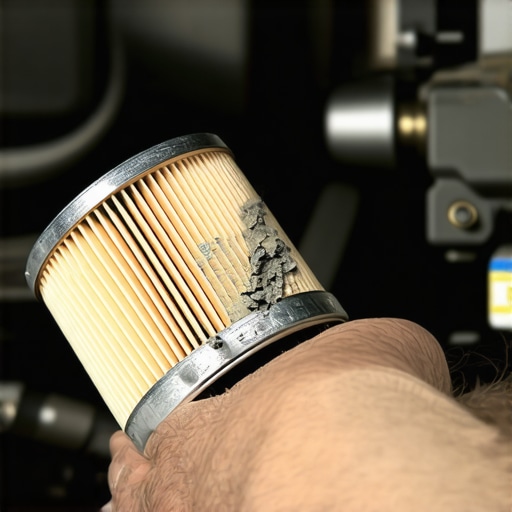
Unscrew the bolts securing the transmission pan using a screwdriver or socket wrench. Carefully lower the pan, letting any residual fluid drain. Inside, you’ll see the old transmission filter—it’s typically a small, replaceable component connected to the transmission fluid lines. Gently remove the old filter—some may be held in place with clips. Before installing the new filter, clean the transmission pan and magnet to remove metal shavings or debris, which can cause further wear. Install the new filter securely, ensuring it sits properly to prevent future leaks.
Reassemble and Refill
Reattach the transmission pan with new gasket or sealant as specified by your vehicle’s manual. Tighten all bolts evenly to avoid warping the pan. Once assembled, refill the transmission with the manufacturer-recommended amount and type of transmission fluid using a funnel. Start the engine and shift through all gears to circulate the new fluid. Check the fluid level again with the dipstick—it should be within the recommended range. Add more if necessary.
Test Drive and Final Inspection
Take your vehicle for a short drive, shifting through all gears to ensure smooth operation. Park on a level surface, turn off the engine, and recheck the fluid level, topping up if needed. Look underneath for any signs of leaks. Proper maintenance of the transmission filter can significantly extend your transmission’s lifespan—more tips on this topic are available at transmission troubleshooting and oil change benefits. Regularly changing your filter prevents debris buildup and ensures optimal fluid flow, which keeps your gears shifting smoothly.While many car owners believe that following the manufacturer’s recommended oil change intervals is all that matters, the reality is far more nuanced. Contrary to popular belief, simply sticking to a fixed time or mileage for oil changes ignores critical factors like driving habits, engine conditions, and even regional climate. For instance, aggressive driving or frequent short trips can accelerate oil degradation, requiring more frequent attention than the book suggests. This misconception can lead to overlooked engine wear and reduced lifespan. Experts from the Automotive Service Association emphasize that personalized maintenance schedules, tailored by ASE-certified technicians, deliver better long-term results than generic timelines.
What Advanced Drivers Need to Know About Oil Quality and Engine Longevity
Beyond the routine change, understanding oil quality plays a vital role. Synthetic oils, while more expensive, offer superior corrosion resistance and temperature stability—benefits especially crucial for modern turbocharged engines prone to carbon buildup. Failing to upgrade to the right oil type or ignoring oil analysis reports can cause premature engine failure. A common trap is to rely solely on visual checks; however, oil can appear clean yet be chemically degraded, a fact backed by recent studies published in the Journal of Automotive Engineering. Regularly consulting an ASE-certified technician ensures your oil and filter choices match your vehicle’s unique demands, helping prevent costly repairs down the road. Don’t fall into the trap of one-size-fits-all maintenance—investing in expert guidance can save you thousands and keep your engine running smoothly for years to come. For comprehensive tips on safeguarding your vehicle, check out top oil change tips for safe driving in 2025. Have you ever fallen into this trap? Let me know in the comments.
Investing in Quality Equipment Ensures Longevity
When it comes to maintaining your vehicle’s transmission and oil system, quality tools are non-negotiable. I personally rely on a high-precision digital mechanic’s stethoscope, such as the ThinkCar E7, to listen for internal engine and transmission noises. This device allows me to diagnose issues without invasive procedures and provides real-time audio analysis, making it invaluable for identifying problems early.
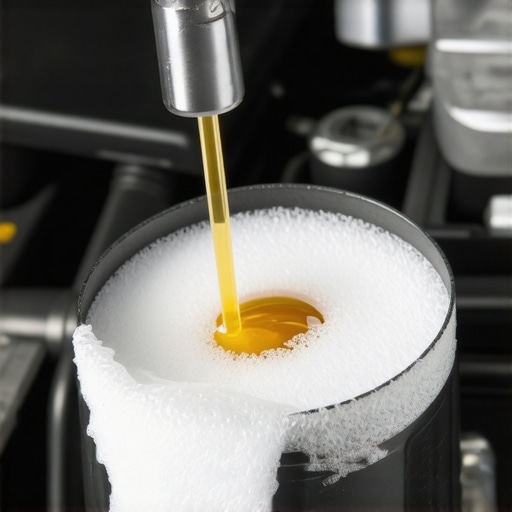
For fluid changes and transmission repairs, I always use a professional-grade fluid extractor like the ARES 70636 Vacuum Oil Extractor. It simplifies the process, reduces mess, and ensures I get the exact amount of fluid needed—a critical factor since overfilling can cause foaming and damage, as highlighted in this resource.
Reliable Software and Diagnostic Tools
Beyond physical equipment, I leverage ASE-certified diagnostic software, such as AutoEnginuity’s Scan Tool, which connects with my vehicle’s ECU via OBD-II port. This software provides comprehensive data, from transmission solenoid status to oil pressure readings, enabling me to track long-term trends and preempt failures. Regularly consulting these diagnostics aligns with the trend of personalized car maintenance, ensuring that service intervals are tailored to your driving habits.
By integrating such diagnostic tools into routine maintenance, I can spot patterns like rising transmission fluid temperature or slight shifts in oil pressure, which often precede issues. This proactive approach saves money and prevents breakdowns.
Long-Term Results Through Consistent Monitoring
Using these tools consistently results in tangible benefits: extended transmission lifespan, improved fuel efficiency, and safer driving experience. Over time, I’ve observed that vehicles maintained with precision equipment and diagnostic software tend to have fewer major repairs, supporting data from this article emphasizing the importance of regular, informed maintenance.
Scaling Maintenance for Fleets and Multiple Vehicles
If managing multiple vehicles or a fleet, investing in scaled diagnostic platforms like the Mitchell UltraMate software streamlines diagnostics and record-keeping, ensuring consistent maintenance schedules across all units. Automation of inspections and alerts for fluid changes or component wear can drastically reduce downtime and operational costs.
How do I keep my vehicle’s transmission and oil system in top shape over time?
Prioritize regular inspections with high-quality tools and consult ASE-certified technicians for advanced diagnostics. This combination allows early detection of issues, preserves component integrity, and enhances vehicle performance. Remember, a well-maintained vehicle today prevents costly repairs tomorrow. For further reading on effective car service, visit choosing the right car service. Don’t wait—try using a diagnostic software or a fluid extractor this week to see the difference firsthand and keep your car running smooth for miles to come.In my years of working with cars, I’ve learned that one of the most underrated keys to automotive longevity is knowing when to perform that seemingly simple task—changing your transmission filter. My lightbulb moment came early when I realized neglecting this small component almost cost me a fortune. Now, I want to share that insight with you so you don’t have to learn the hard way. Regularly scheduled transmission filter replacements, especially when guided by professional ASE-certified technicians, can *dramatically* extend your car’s lifespan. The trick is paying attention to subtle signs like difficulty shifting or slight delays, which often precede costly failures. Remember, the difference between minor maintenance and major repairs often hinges on how early you catch the warning signs. Prioritizing regular transmission care isn’t just about avoiding expenses—it’s about giving your vehicle the best chance to perform reliably mile after mile.
What Hidden Wisdom Can Save Your Transmission in the Long Run
- Always trust your instincts—those minor hiccups when shifting can signal impending trouble, not just normal wear.
- Remember that neglecting small components like filters can lead to big problems—think of them as your car’s first line of defense against debris and wear.
- Early intervention, perhaps with help from an ASE-certified expert, can turn a potential disaster into a simple fix, saving time and money.
- Knowledge about your vehicle’s maintenance needs allows you to take proactive steps, rather than reactive ones when things go wrong.
- Investing in quality diagnostic tools and understanding your car’s signals can make all the difference in maintaining a smooth-shifting transmission.
Your Roadmap to Smarter Car Care
- Equip yourself with essential tools like a reliable fluid extractor—I’ve personally used the ARES Vacuum Oil Extractor—and learn how it can streamline your maintenance routine.
- Dive into trusted resources, such as the comprehensive guides on how regular oil changes extend your vehicle’s life or expert insights on transmission troubleshooting.
- Regularly consult diagnostic software like AutoEnginuity to get ahead of potential issues before they develop into costly repairs.
- Maintain a curious mindset about your car’s health—remember, the best car owners are those who see regular maintenance as a form of care rather than a chore.
Your Next Step to Confident Driving
Maintaining your transmission, including timely filter changes, is an investment in stress-free driving and peace of mind. By staying informed, equipped, and proactive, you’re empowering yourself to keep your car in top shape for years to come. Think of it as nurturing a partnership—your vehicle and you—working together seamlessly mile after mile. Every journey becomes more enjoyable when you know you’re doing everything possible to preserve your vehicle’s health. Ready to take control? Give your transmission the attention it deserves and enjoy the smooth rides ahead.
What small maintenance habit has made the biggest difference in your car’s performance? Share your experiences below, and let’s learn together!