What to do if your engine starts smoking on the highway
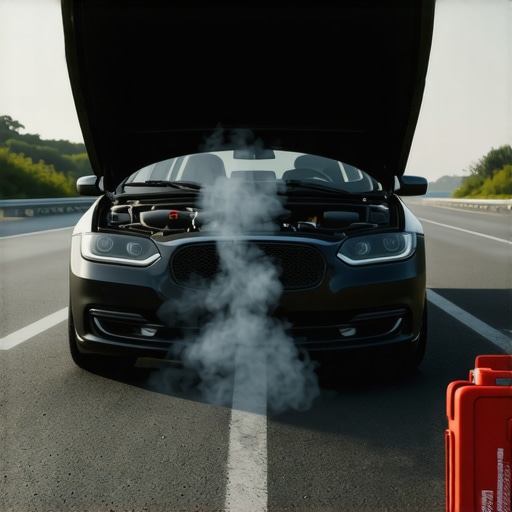
There was this one summer afternoon when I was cruising down the highway, enjoying the warm sun and the open road. Out of nowhere, I noticed a strange smell — it was acrid, like burnt toast mixed with engine oil. Suddenly, a faint gray haze began billowing from under my hood. My heart sank. My first instinct? Panic. But I took a deep breath, remembered my training, and started assessing the situation calmly. That lightbulb moment revealed a simple truth: knowing what to do when your engine starts smoking isn’t just for mechanics — it’s a vital skill for any driver.
Recognizing When Your Engine Is in Trouble
Engine smoking can be a sign of serious trouble or a temporary glitch, but either way, it demands your attention. Ignoring it can lead to costly repairs or even a catastrophic breakdown. Today, I want to guide you through the practical steps to handle this stressful moment with confidence and clarity. From little things I learned the hard way to expert advice, we’ll cover everything so you’re never left in the dark on the highway.
Is Ignoring Smoke Just Ignorance or a Dangerous Mistake?
Early on, I made the mistake of assuming it was just normal exhaust smoke or that I could just roll it off. Trust me, that was a costly lesson. It’s crucial to differentiate between steam, which can be harmless, and smoke, which signals a problem. Whether it’s oil burning, coolant leaks, or other issues, each demands a different response. Knowing the basics can save your engine and your day. If you’re curious about how regular maintenance, like [oil changes](https://autofixclinic.com/top-oil-change-tips-for-safe-driving-in-2025), can prevent many problems, you might find it enlightening to explore those tips.
Before we dive into what you should do when this happens, ask yourself: Have I ever faced a engine smoke situation on the road? If yes, keep reading — what comes next could make all the difference in your next emergency.
Congratulations, you’re about to learn practical, insider knowledge that can keep you safe and extend the life of your vehicle. Let’s get started!
Pull Over Safely and Assess the Situation
As soon as you notice smoke from the engine, immediately signal and move to the side of the road. Turn off the engine to prevent further damage. This step is crucial; continuing to drive can escalate issues like oil leaks or coolant burns, leading to costly repairs. I recall a time when I ignored the smoke for a few extra minutes, only to find myself stranded with a severely damaged engine. Prioritizing safety and stopping promptly can save you money and hassle.
Open the Hood and Visualize the Problem
Once parked, carefully open the hood using your vehicle’s release lever. Look for visible signs such as oil slicks, coolant leaks, or burnt wires. Identify if the smoke is coming from the radiator, oil cap, or other areas. Using a flashlight can improve visibility in low light. During one incident, I spotted coolant bubbling from the radiator and realized it was a pressure build-up—a sign of needing immediate attention. Recognizing specific signs can help you decide your next move confidently.
Check Fluids and Look for Leaks
Examine the Oil and Coolant Levels
Pull out the dipsticks and inspect the oil and coolant levels. Low levels indicate leaks or consumption issues. If the oil appears dark and gritty, it may be overdue for a change—regular oil changes are vital in preventing such problems. Remember, oil is like the blood of your car; keeping it clean and at proper levels ensures smooth operation. I learned this firsthand when I neglected to check my oil regularly, leading to engine overheating and smoke.
Inspect for Visible Damage or Leaks
Look for puddles or leaks under the car. Coolant leaks typically glow with a green or orange hue, while oil leaks are darker. Use gloves if needed to avoid contact with hot or toxic fluids. If you find any leaks or the fluids look contaminated, it’s wise to consult a professional. During my experience, catching a coolant leak early prevented a major engine failure, saving hundreds in repairs.
Decide Whether to Continue or Call for Help
If the smoke is persistent or you notice any abnormal smells—like burnt toast or engine oil—it’s safest to wait for roadside assistance. Attempting a quick fix without proper tools or knowledge often worsens the problem. If you’re comfortable and equipped, a basic inspection following manufacturer guidelines can help determine if the issue is minor, like a loose hose, or something requiring professional intervention. Remember, swift action at this stage prevents engine damage and ensures your safety.
Perform Basic Maintenance or Seek Professional Service
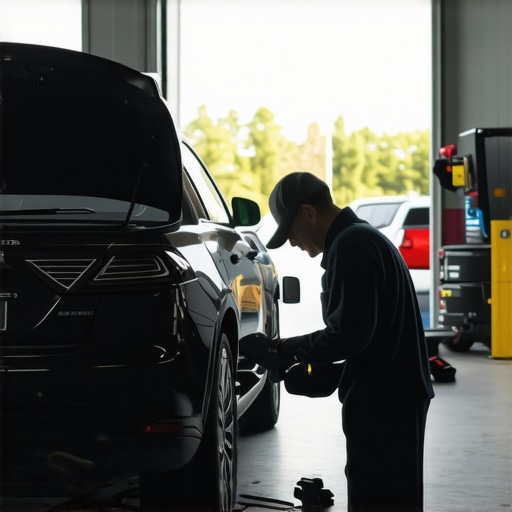
If you identify minor issues, such as a loose radiator cap or a disconnected hose, tighten or secure them carefully. For more complex problems like engine oil foaming—which indicates internal issues—or significant leaks, it’s best to contact an ASE-certified mechanic. Regular maintenance, including routine [oil changes](https://autofixclinic.com/top-oil-change-tips-for-safe-driving-in-2025), can prevent these emergencies altogether. I found that adhering to scheduled service intervals greatly reduced roadside breakdowns, giving me peace of mind on long trips.
When to Visit a Specialist
If your initial checks reveal serious problems—misfiring, persistent smoke, or strange smells—schedule a visit with a trusted technician. Ensure they are ASE certified for quality assurance. Professional diagnosis can uncover issues like worn piston rings or contaminated transmission fluid, which require targeted repairs. Remember, addressing problems early is like catching a leak before it floods your entire house. My own experience with a clogged transmission filter taught me the importance of timely service, which you can learn more about [here](https://autofixclinic.com/the-hidden-debris-that-clogs-your-transmission-filter-early).
Keep Records and Follow Up
After resolving the immediate issue, document what was found and repaired. Regular visits to your mechanic, especially for transmission troubleshooting or oil analysis, significantly extend vehicle lifespan. Check out our guides on [transmission troubles](https://autofixclinic.com/transmission-troubles-expert-insights-for-smooth-shifting) and [transmission filters](https://autofixclinic.com/the-hidden-filter-inside-your-transmission-you-didnt-know-existed) for more detailed advice. Staying proactive helps prevent future incidents and keeps your car running smoothly.
Many car enthusiasts and everyday drivers alike tend to hold misconceptions about what it truly takes to keep a vehicle running smoothly, especially when it comes to transmission maintenance, oil changes, and the significance of ASE certification. Let’s challenge some common beliefs and dig into the nuances that often fly under the radar. For instance, a widespread myth is that frequent oil changes are merely a marketing gimmick. In reality, neglecting timely oil changes can lead to sludge buildup, increased engine wear, and even catastrophic failure, as highlighted in practical guides on how regular oil changes prolong your vehicle’s lifespan. Many people overlook that the quality of the oil and filter directly impacts engine health, emphasizing the importance of choosing OEM-approved filters over cheaper, off-brand options, which an ASE-certified technician would recommend.
Similarly, there’s a misconception that all transmission issues are solely caused by fluid degradation. While fluid health is critical, advanced problems often stem from neglected filters or internal wear that isn’t instantly apparent. For example, many drivers don’t realize there’s a hidden filter inside the transmission, which can clog and cause shifting problems if not replaced timely. Reading about this hidden transmission filter can help you understand what’s going on beneath the surface.
An often-overlooked nuance is the distinction between regular technicians and ASE Master Certified mechanics. Certification isn’t just a badge; it signifies a proven mastery in diagnosing complex issues that standard inspections might miss. This advanced expertise is crucial, especially when tackling subtle transmission problems like slipping or whining that mimic normal wear but indicate deeper issues. Relying on non-certified technicians might mean overlooking these warning signs, leading to more costly repairs down the line.
Furthermore, a common trap many fall into is believing that basic maintenance, like oil changes or fluid top-offs, can be done sporadically without consequences. However, modern engines and transmissions are designed with precision tolerances that demand consistency. Skipping scheduled services can accelerate internal deterioration, especially in fleet operations where neglect can translate into thousands of dollars in downtime or repair costs. Do you realize that even the type of oil—synthetic versus conventional—affects your engine’s longevity? The benefits of synthetic oils—including superior thermal stability and chemical durability—are well documented and are a key reason professional technicians advocate for regular synthetic oil changes, as explained in top oil change tips for 2025.
In summary, understanding these hidden subtleties isn’t just for mechanics—it’s empowering for any driver. Being aware of what might go wrong, recognizing when your vehicle’s signals are more than just minor glitches, and trusting certified experts can save you money and frustration. Have you ever fallen into this trap? Let me know in the comments and share your experiences to help others avoid these pitfalls.
Mastering the Art of Keeping Your Vehicle in Top Shape
Maintaining your vehicle’s longevity and performance demands more than just routine visits to the mechanic. Equipping yourself with the right tools and understanding precise methods can make all the difference in ensuring your car runs smoothly over the years. My personal approach combines trusted equipment with proven techniques—practical choices rooted in both experience and industry standards. As vehicles become more complex, especially with advanced transmission systems, staying informed and prepared is essential for long-term success.
How do I maintain my vehicle’s transmission and oil system over time?
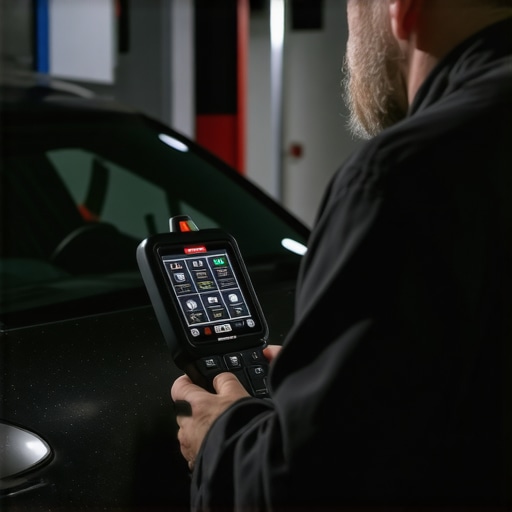
One of my go-to strategies involves regular transmission fluid analysis—this proactive step can catch issues before they escalate. I recommend using high-quality test kits that allow you to perform DIY fluid checks, tracking contamination or deterioration signs like burnt smell or color change. Additionally, investing in an infrared thermal camera has revolutionized my maintenance routine. This device lets me spot uneven heat distribution in components like the transmission cooler or radiator, indicating potential blockages or failing parts. Such tools are invaluable, especially when combined with software diagnostics that interface with modern vehicle ECUs.
Another critical aspect is staying consistent with scheduled oil changes. Using OEM-approved synthetic oils, verified by ASE-certified technicians, ensures your engine remains protected against sludge buildup and thermal degradation. Additionally, I use a dedicated fluid extractor pump during oil changes to minimize mess and get precise removal without risking spills or contamination. This practice also contributes to maintaining transmission fluid integrity, especially for vehicles with extended drain intervals.
Tools I personally rely on for consistent results
For transmission inspections, I favor a digital torque wrench. Not only does it help me tighten components to manufacturer specifications, but it also prevents over-tightening, which can cause damage. Pairing this with a magnetic inspection mirror allows for meticulous visual checks in hard-to-see areas—crucial when examining tiny clues like small leaks or cable wear. To track maintenance schedules and keep detailed records, I use a specialized fleet management app that integrates diagnostics, service intervals, and component histories, ensuring nothing slips through the cracks.
Looking ahead, I believe the trend will lean heavily toward integrated diagnostic tools that connect vehicle data directly to cloud-based platforms. This evolution will facilitate real-time monitoring, predictive maintenance, and even automated alerts for upcoming service needs. Embracing these advancements now can greatly enhance your ability to keep your vehicle in prime condition, long after the warranty expires.
To get started, I recommend trying a DIY transmission fluid test kit combined with a thermal imaging camera—these tools give you immediate insight into your car’s health without needing a full shop appointment. Taking this proactive step today can save you time, money, and unexpected breakdowns tomorrow. Remember, being hands-on sometimes makes all the difference in extending your vehicle’s lifespan and ensuring your safety on the road.
Hidden Truths That Changed My Approach to Car Maintenance
One of the most eye-opening lessons I’ve learned is that a lot of the advice we accept at face value isn’t always complete—especially regarding transmission and oil care. I once believed that sticking to the standard oil change schedule was sufficient, but discovering the significance of quality filters and proper fluid checks truly transformed my maintenance routine. It became clear that paying attention to seemingly small details can prevent major issues down the line.
Another lightbulb moment was realizing the importance of trusting ASE-certified technicians. Their expertise isn’t just a badge—it’s a guarantee that you’re getting advice grounded in deep knowledge. Relying on professionals who understand the nuances of transmission troubleshooting, like recognizing the signs of a clogged transmission filter, can save you thousands and extend your vehicle’s life. My confidence in DIY checks increased once I understood how to interpret fluid color changes, which told me exactly when to seek professional help.
Finally, I learned the hard way that regular proactive diagnostics—like using a thermal camera or transmission fluid analysis—are invaluable. Waiting until symptoms worsen can lead to costly repairs. Staying ahead means investing in proper tools and routine inspections, which empower you to catch problems early. This approach has kept my fleet running smoothly and taught me that diligent maintenance is far less about reacting to breakdowns and more about preventing them.
Tools and Resources That Elevated My Maintenance Game
For anyone serious about keeping their transmission and oil systems in top shape, I highly recommend a high-quality oil analysis kit. It provides insights that simple visual checks can’t reveal, helping you decide when to change fluids or consult a mechanic. Pairing this with an inspection of the hidden transmission filter gives a comprehensive view of your vehicle’s health.
Investing in a thermal imaging camera transformed my diagnostic approach. Spotting uneven heat distribution helped identify problems early, like a clogged cooler or internal wear that’s not yet evident. These tools, combined with a reliable trusted mechanic, form the backbone of effective preventive maintenance.
Lastly, I’ve found that maintaining detailed records through a dedicated app keeps me disciplined. Tracking fluid changes, inspections, and repairs ensures that I don’t overlook critical service intervals. Staying organized can be the difference between a smooth-running vehicle and costly surprises.
Embrace the Journey Toward Better Car Care
There’s a certain pride in knowing your vehicle is performing optimally because of your proactive efforts. Starting with small, consistent checks and investing in quality tools and certified advice makes a huge difference. Remember, mastering transmission and oil system maintenance isn’t about perfection—it’s about making informed choices that keep you safe and your vehicle reliable. So, why not take the first step today? Dive into those analysis kits or schedule a professional check—your future self will thank you.
What has been your biggest learning moment in vehicle maintenance? Share your story in the comments below—I’d love to hear how you’ve improved your car care routine!
,