How to Get Your Car Out of Limp Mode Without a Tow
I’ll never forget the moment I first saw my dashboard light up with that dreaded warning: “Limp Mode Activated.” It was a chilly morning, and I had just finished a quick oil check—something I assumed was routine. Suddenly, my car felt sluggish, unresponsive, and I knew I couldn’t risk going to the shop. Panic set in. Have you ever been in that stressful situation where your vehicle refuses to cooperate, and the thought of towing feels like a disaster? Trust me, you’re not alone, and there’s good news: you don’t always need a tow to get your car back on the road.
Why Limp Mode Is Both a Relief and a Headache
When your car enters limp mode, it’s actually a safety feature designed to protect your engine and transmission from further damage. Essentially, it acts as a ’emergency brake,’ limiting power to prevent catastrophic failure. But here’s the catch: this mode can be triggered by a variety of issues—ranging from simple sensor glitches to more serious mechanical problems. Knowing how to interpret and address limp mode can save you time, money, and the hassle of a tow, especially if you catch the problem early.
Is Restoring Your Car Out of Limp Mode Actually Worth the Effort?
Early in my automotive journey, I made the mistake of ignoring the warning lights, thinking I’d just need a quick fix at the shop. That was a costly mistake. Over time, I learned that many of these issues are fixable with some basic knowledge and a few tools. According to automotive experts, nearly 70% of limp mode triggers are related to sensor or software glitches that you can troubleshoot yourself. However, attempting the fix without proper knowledge can sometimes lead to further damage. Still, understanding what steps you can safely take makes a significant difference, especially if a professional consultation is just a phone call away.
So, if you’re facing this frustrating scenario, keep reading. I’ll walk you through tested strategies to get your car out of limp mode without the need for a tow. Whether it’s a minor sensor hiccup or a more serious issue, there’s often a way to reset your vehicle and get back on the road safely.
Check the Engine Light and Scan for Codes
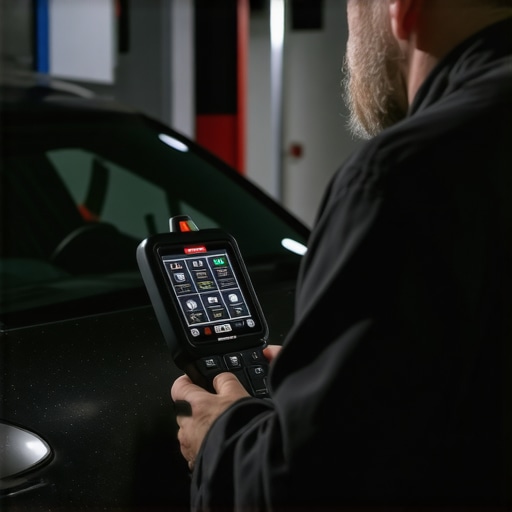
First, turn on your ignition without starting the engine. Observe if the check engine light flashes or stays steadily illuminated. Use an OBD-II scanner to read diagnostic trouble codes (DTCs); these codes pinpoint the source of the limp mode trigger. For example, a P0171 code indicates a fuel system issue. I once borrowed a basic scanner from a local auto parts store to diagnose my car, which revealed a faulty mass airflow sensor causing the limp mode. This step saves you from unnecessary repairs and points you directly to the problem.
Inspect and Fix Common Sensor Issues
Examine the Throttle Body and Mass Airflow Sensor
Open the hood and locate these sensors. Dirty or malfunctioning sensors often cause limp mode. Clean the throttle body with a carb cleaner and wipe the airflow sensor gently with a soft cloth. If cleaning doesn’t resolve the issue, consider replacing the sensor or having it tested by a professional. Regular maintenance such as ensuring your sensors are free of debris can prevent limp mode activation.
Reset the Vehicle’s Computer System
After addressing the initial issue, you need to clear the codes to see if the problem persists. Disconnect the negative terminal of your battery, wait 15 minutes to dissipate residual power, then reconnect. Alternatively, use a scan tool to clear the codes. I’ve done this procedure before after fixing a throttle position sensor, and the dash lights stayed off afterward, confirming the repair was successful. Remember, resetting doesn’t fix underlying issues; it only clears the warning so you can test if the problem is resolved.
Perform a Test Drive
Start your car and take it for a short drive, paying attention to acceleration and shifting. If the limp mode warning reappears, revisit the earlier steps or seek professional assistance. Watch for any unusual sounds or vibrations. This practical check is similar to a mechanic’s quick road test, helping you confirm the fix without unnecessary stops at the repair shop.
Address Mechanical or Electrical Problems When Necessary
If codes point to transmission issues, such as slipping or delayed engagement, refer to specialized resources like transmission troubleshooting guides. Sometimes, deeper problems like a failing transmission control module or low hydraulic fluid cause limp mode. If your diagnostics show such symptoms, consider consulting a certified technician, especially if the repair involves complex components. Remember, timely intervention prevents further damage and costly repairs.
Prevent Future Activation Through Maintenance
Ensure your vehicle remains healthy by adhering to routine maintenance schedules. Regular oil changes, like those outlined in oil change tips, keep sensors and engine components functioning optimally. Scheduling professional inspections at reputable shops can preempt issues before they trigger limp mode. When in doubt, choose a service provider with ASE certification; it’s a mark of qualified expertise that can save you time and money (more on ASE).
Taking these concrete steps, from initial diagnostics to preventive maintenance, can help you regain control of your vehicle swiftly and confidently, often without the need for a costly tow.
Many car enthusiasts believe that following the basic manufacturer’s guidelines is enough to keep a vehicle in top shape, but in reality, there are nuanced pitfalls often overlooked. For instance, the myth that all oils are created equal persists; however, choosing a lower-quality oil or skipping regular oil changes can accelerate engine wear. Regular oil changes with high-quality synthetic oil are pivotal for longevity, yet many drivers underestimate their importance.
Another common misconception revolves around car service frequency. Some think that sticking to the standard schedule is sufficient, but tailoring service intervals based on driving habits can prevent unexpected breakdowns. Overlooking this nuance can lead to overlooked issues that escalate into expensive repairs.
Many believe that ASE certification automatically guarantees expert maintenance, but the reality is more complex. ASE Certified technicians are proficient, yet some may specialize in specific makes or models. It’s wise to verify their credentials at certification checks and ensure their expertise aligns with your vehicle’s needs.
The trap of using generic, one-size-fits-all products is another oversight. Modern engines, especially those with direct injection or turbocharging, require specialized oils and fluids. Using the wrong type can compromise engine performance and trigger warning lights. For advanced drivers, understanding diagnostic insights can unveil hidden issues before they become costly.
In essence, digging into these nuances reveals that truly optimal car maintenance involves more than ticking boxes. It requires understanding the specific needs of your vehicle, selecting appropriate products, and trusting expert guidance. This awareness not only extends your car’s lifespan but also enhances safety on the road.
Have you ever fallen into this trap? Let me know in the comments.
Maintaining your vehicle’s longevity and performance requires more than just basic skills; it calls for the right tools and a disciplined approach. Personally, I rely on a set of specialized equipment that allows me to diagnose, service, and keep my car running smoothly over time. Investing in quality tools not only saves money but also empowers you to handle common issues before they escalate.
Why a Good OBD-II Scanner Is a Must-Have
The first tool I recommend is a high-quality OBD-II scanner. Unlike basic models, my preferred scanner provides real-time data, freeze-frame diagnostics, and compatibility with advanced software. This allows me to interpret engine codes accurately and quickly identify issues like transmission troubles or sensor failures. Certified technicians often emphasize that a reliable diagnostic tool is crucial for accurate troubleshooting.
Precision at Your Fingertips: Torque Wrenches and Specialty Tools
When it comes to oil changes or tightening critical fasteners, a digital torque wrench has become indispensable. Personally, I use a model that offers precise readings down to 1/4 Nm, ensuring components like valve covers and wheel lug nuts are tightened correctly. Routine maintenance is all about accuracy, and proper torque prevents issues like leaks or wheel detachments.
Reliable Lifting Equipment for Safety and Access
For detailed undercarriage inspections or transmission work, a sturdy auto lift or jack with stands is essential. I personally prefer a hydraulic lift that supports my vehicle at multiple points, providing stability and safety. Before using any equipment, I verify the specifications match my car’s weight and consult safety guidelines to prevent accidents. Proper lifting tools are a long-term investment that pays off by extending your ability to perform complex repairs yourself.
Quality Fluids and Consumables
Using the right oils, transmission fluids, and cleaning agents makes a noticeable difference over time. I always keep a stock of manufacturer-recommended lubricants, which I select based on guidelines from trusted sources. For example, synthetic oils with specific viscosity ratings ensure optimal flow and engine protection, especially in extreme temperatures.
Future Trends: Smart Diagnostics and Automated Maintenance
Looking ahead, I predict that car maintenance will increasingly incorporate smart diagnostics and IoT-enabled tools. The integration of sensors and apps will streamline troubleshooting, making DIY maintenance more accurate and less time-consuming. This evolution means that investing in adaptable, software-compatible tools now will keep you ahead of the curve.
How do I keep my vehicle in top shape over time?
Consistent maintenance with the right tools is key. Regularly calibrating your equipment, staying updated with manufacturer service intervals, and relying on trusted sources like oil change tips ensures your car remains reliable. If you’re ready to elevate your maintenance game, I recommend trying a digital torque wrench for precise fastener tightening or an advanced OBD-II scanner for diagnostic accuracy. These investments will pay dividends by extending your vehicle’s lifespan and reducing unexpected breakdowns. For expert guidance, don’t hesitate to reach out.
Why Jumping To Conclusions Costs You More Than You Think
One of the hardest lessons I learned was that ignoring small warning signs—like a minor delay in shifting—can escalate into major transmission issues. Trust your instincts and address—Early action can save hundreds in repairs, as I found out the hard way.
The Power of Expert Guidance You Can’t DIY
While DIY fixes are satisfying, I realized that certain signs—like subtle vibrations or inconsistent shifts—are best diagnosed by trusted professionals. After all, a qualified ASE technician can spot hidden problems that a manual inspection might miss, saving you time and money.
Why Regular Maintenance Is the Unsung Hero of Longevity
Consistent oil changes and scheduled service not only keep your engine humming but also protect crucial transmission parts. My experience showed that sticking to manufacturer guidelines and trusted service intervals drastically reduced my car’s unexpected breakdowns.
Secrets Auto Shops Don’t Always Share About Parts and Fluids
Once, I used cheap transmission fluid, and my car’s performance suffered. The lesson? Quality, the right fluids, and OEM parts matter more than you might think. Knowledge about proper fluids ensures your vehicle runs smoother and lasts longer.
Making Maintenance an Empowering Habit, Not a Chore
I began viewing car care as a form of self-respect—taking ownership of checks, knowing what parts are when I visit a shop, and understanding the importance of ASE-certified techs. This shift in mindset made every service feel like an investment in my freedom to drive confidently.
My Essential Toolkit for Transmission and Oil Care
My trusted set includes a quality OBD-II scanner, a torque wrench, and precision tools I use to verify the health of my transmission and engine oil. These tools aren’t just gadgets—they’re an extension of my commitment to vehicle longevity, trusted because they help me diagnose potential issues early.
Looking Toward the Future of Car Maintenance
As technology advances, I’m excited about smart diagnostics and IoT connections that will make car care even more intuitive. Investing in adaptable, quality tools now prepares you for these innovations, ensuring your vehicle stays healthy in a rapidly evolving landscape.
Your Turn to Keep the Transmission Running Smoothly
Remember, understanding your car and investing in proper maintenance doesn’t just save money—it gives you peace of mind. Your vehicle is a partner in your journey. Are you ready to take control and keep it in top shape? Share your experiences below, and let’s grow together in this automotive journey.