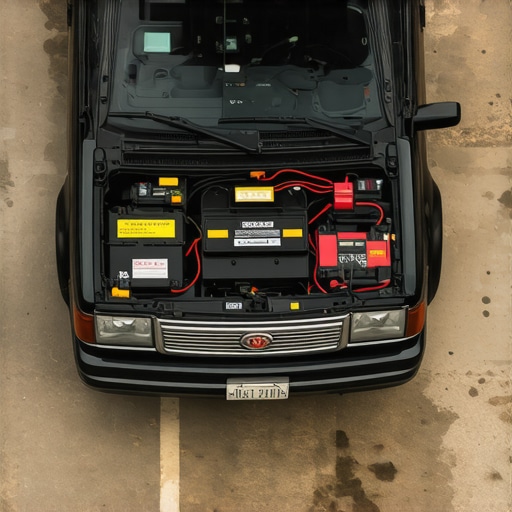
How to Handle a Sudden Engine Stall at Highway Speeds
It was a stressful moment that I won’t forget anytime soon. I was cruising down the freeway, enjoying my drive, when suddenly, my engine sputtered and the car jerked to a halt. Heart pounding, I felt a chill—what if I was stranded in this lane? That lightbulb moment made me realize how unprepared I was for such emergencies. If you’ve ever faced a sudden engine stall at highway speeds, you know exactly that feeling—panic mixed with frustration.
Dealing with an Unexpected Engine Stall
Engine stalls can happen unexpectedly, and when you’re on a busy highway, they’re downright dangerous. It might be caused by a variety of issues—fuel system problems, ignition failures, or even transmission glitches, especially if your vehicle has transmission troubles you haven’t addressed yet. The key is understanding how to respond swiftly and safely, so you’re not caught off guard.
Many drivers tend to freeze or panic, which can lead to dangerous situations. Early in my mechanical journey, I made the mistake of applying the brakes suddenly or attempting to turn the wheel sharply—tactics that only worsened the situation. Instead, staying calm and knowing the right steps can make all the difference. For instance, gradually easing into the shoulder while activating your hazard lights is a vital move to ensure safety.
If you find yourself in this predicament, it’s crucial to assess the situation calmly and act deliberately. I’ll guide you through proven methods to handle such emergencies, backed by expert insights and my personal experience. Also, if you’ve been ignoring signs of transmission issues or regular maintenance, this could be a warning sign that something more severe is looming, so it might be time to check out our related tips on transmission health.
Before diving into the step-by-step procedures, let me share a startling fact: according to a report by the AAA Foundation, nearly 25% of breakdowns are caused by neglected maintenance, which is often preventable. Regular checkups can drastically reduce the chances of getting stranded unexpectedly.
So, have you ever experienced a sudden stall on the highway? If so, keep reading—what I have to share might just save you a lot of stress and potential danger in the future. Now, let’s prepare ourselves with practical, actionable steps to stay safe and get back on the road.
Stay Calm and Prepare
When your engine stalls on the highway, the first priority is to stay composed. Took me a moment to realize that panicking would worsen the situation. Keep both hands on the steering wheel and breathe steadily. Remember, your goal is to move the vehicle safely out of traffic without abrupt maneuvers that could cause accidents.
Activate Hazard Lights and Assess
Turn on your hazard lights immediately to alert other drivers. This visual cue signals caution and gives you extra seconds to plan your next move. Check your mirrors quickly to determine the traffic flow behind you. If possible, open the window slightly to listen for approaching vehicles while planning your route to the shoulder.
Steer Smoothly onto the Shoulder
Gently reduce speed by easing off the gas pedal—avoid harsh braking, which can destabilize your vehicle. Imagine your car like a delicate boat; sudden movements can capsize it. When you’re at a safe speed, gradually turn the wheel to steer onto the shoulder, ensuring you stay in control. During one occasion, I once overcorrected, but remaining calm allowed me to straighten out and avoid a collision.
Secure the Vehicle and Gather Essentials
Once stationary, shift into park (or neutral if manual) and set the parking brake. Exit the vehicle carefully, especially if on a busy highway. Carry a reflective vest, flashlight, and warning triangles to improve visibility for yourself and others—this is crucial for safety. Regularly, I make it a point to keep these items accessible in my glove box, which proved vital during an emergency.
Troubleshoot Safely or Call for Help
If you have basic knowledge and tools, you may attempt quick checks, like inspecting the fuel cap, or looking for obvious leaks. However, don’t dig around in complex areas like the transmission without proper training. For most drivers, a professional mechanic is the best bet. If you need to find a trustworthy shop, [search for ASE-certified technicians](https://autofixclinic.com/what-does-an-ase-certification-mean-for-your-cars-maintenance) who can diagnose and repair issues efficiently. Alternatively, contact roadside assistance using your mobile device, which I always keep handy.
Schedule Preventive Maintenance
The best way to avoid future stalls is through regular maintenance. Pay close attention to your transmission fluid levels and condition, as low or degraded fluid can cause shifting problems—[learn more about transmission troubleshooting](https://autofixclinic.com/transmission-troubles-expert-insights-for-smooth-shifting). Keep up with oil changes, brakes, and other essential systems to prevent breakdowns. Remember, well-maintained cars are less likely to leave you stranded, especially on busy highways.
Many drivers have a shallow understanding of car maintenance, often believing they know the basics but missing the nuanced truths that can save them money and prevent breakdowns. For example, there’s a common misconception that “lifetime” transmission fluid doesn’t need changing—nothing could be further from the truth. In reality, even sealed transmissions require regular fluid check-ups, as old or contaminated fluid can cause significant shifting problems, potentially leading to costly repairs. For an in-depth explanation, check out [our guide on transmission troubleshooting](https://autofixclinic.com/transmission-troubles-expert-insights-for-smooth-shifting).
Another prevalent myth revolves around oil changes. Many assume synthetic oils last forever, but they actually degrade over time and mileage, losing their lubricating properties. Skipping regular oil changes accelerates engine wear and shortens the lifespan of critical components, like the pistons and valves. The key is understanding the “hidden” signs of oil breakdown, such as increased engine temperature or oil viscosity changes, which can be detected through proper inspections. Learn more about [top oil change tips for 2025](https://autofixclinic.com/top-oil-change-tips-for-safe-driving-in-2025).
When it comes to ASE certification, some think it’s just a marketing badge, yet it’s a rigorous standard that guarantees a technician’s competence in diagnosing and repairing your vehicle. However, many car owners overlook verifying this credential or assume all ASE-certified techs are equally skilled. The nuance here is that ASE certification is *specific* to areas of expertise and experience levels. For instance, a technician certified in transmission repair might not be proficient in advanced engine diagnostics. To find a truly qualified shop, consider [how to find a reliable ASE-certified shop](https://autofixclinic.com/how-to-find-a-reliable-ase-certified-shop-in-a-new-city).
A common trap to avoid is assuming your car doesn’t need professional attention unless it’s visibly broken. Regular service intervals are vital because microscopic issues—like early transmission wear or oil contamination—can silently damage your vehicle, leading to expensive repairs if left unchecked. This is especially true if you’re ignorant of the importance of specific maintenance aspects. For instance, neglecting the connection between tire pressure and shifting smoothness might seem trivial but plays a crucial role in transmission health—see [the hidden connection between tire pressure and shifting](https://autofixclinic.com/the-hidden-connection-between-your-tire-pressure-and-shifting).
Let’s dig deeper—Have you ever fallen into this trap? Let me know in the comments. Remember, understanding these subtleties makes you a smarter car owner and keeps your vehicle running smoothly longer.
Investing in the Right Equipment for Vehicle Care
To ensure your car stays reliable over the years, having a set of quality tools and staying updated with the latest software is crucial. I personally rely on a digital OBD-II scanner, like the BlueDriver, which connects seamlessly to my smartphone. This device allows me to quickly read and clear diagnostic trouble codes, giving me immediate insight into potential issues such as transmission anomalies or oil pressure problems. Regularly checking for error codes before they turn into costly repairs is a habit I recommend to all car owners.
Another essential tool is a high-quality multimeter. I use a Fluke multimeter for tasks like testing the alternator’s output or battery voltage, ensuring the electrical system remains healthy. These tools save time and money by catching issues early, especially since some problems, like a failing alternator, can simulate more serious failures if not diagnosed properly. For vehicle monitoring software, I suggest using manufacturer-specific apps or OBD-II diagnostic platforms like Car Scanner, which can provide real-time data about your transmission fluid temperature and engine load—parameters vital for maintaining smooth operation.
Routine Maintenance Practices That Pay Off
Establishing a maintenance routine is more than just following manufacturer intervals; it involves proactive care. For instance, regularly inspecting your transmission fluid condition—at least once a year—can prevent slipping or rough shifting. I recommend changing transmission fluid based on the manufacturer’s specifications, but also paying attention to signs of degradation. Using the proper tools, like a transmission fluid tester or a siphon pump, makes this task straightforward without requiring a lift or dealership quality equipment.
Oil changes are critical, but not just about changing the oil; monitoring oil quality over time provides insights into engine health. I make a habit of checking the oil’s viscosity and smell, and when in doubt, I send a sample to a lab for analysis. This approach helps detect early stages of engine wear or contamination, which can be addressed during regular service appointments. Remember, routine oil analysis extends the lifespan of your engine and maintains optimal performance, especially when combined with high-quality oils specified for your vehicle, as detailed in our oil change guide.
Staying Ahead with Professional Verification and Certification
While DIY tools are invaluable, knowing when to trust an ASE-certified technician is vital. These professionals have undergone rigorous testing and continuous education, making them the go-to experts for complex issues. Personally, I verify their certification through the official ASE database before allowing any repairs. This ensures the work is done correctly, especially when it comes to critical components like the transmission or engine management systems.
Looking ahead, vehicle technology is evolving rapidly—think electric vehicles and advanced driver-assistance systems. To keep up, vehicle owners should consider integrating diagnostic tools that can adapt to new systems and software updates. For example, OBD-II platforms are increasingly incorporating firmware updates that improve compatibility with newer vehicle models, allowing owners to perform advanced troubleshooting at home. I predict that in the future, AI-driven diagnostic software will become commonplace, enabling even novice car owners to detect and fix issues early.
How do I maintain my transmission over time?
Maintaining your transmission involves regular fluid checks, timely fluid changes, and vigilant observation of shifting behavior. Utilizing high-quality diagnostic tools to monitor transmission fluid temperature and shift quality helps catch problems early. Remember, transmission issues can escalate quickly—from minor slipping to complete failure—so early intervention is key. For further insights, check out our comprehensive transmission guide. As part of your maintenance routine, consider scheduling professional inspections annually to ensure all components work harmoniously, extending your vehicle’s longevity and performance. Consider trying a proactive diagnostic session with your ASE-certified mechanic to spot hidden issues before they cause breakdowns, especially if your vehicle has accumulated high mileage or exhibits shifting irregularities.
The Hidden Wisdom I Wish I Had** Discovered About Transmission and Maintenance**
One of the most impactful lessons I learned was that proactive maintenance beats reactive fixes every time. Waiting for warning lights or strange noises often meant bigger, more costly problems. The lightbulb moment came when I realized that understanding my car’s nuanced signals—like subtle shifts or slight vibrations—allowed me to address issues early. Embracing regular inspections and familiarizing myself with my vehicle’s behavior transformed my approach from reactive to preventive.
Secondly, I found that investing in quality diagnostic tools, like a reliable OBD-II scanner, empowers car owners to detect issues before they escalate. This habit of checking my transmission fluid and engine parameters regularly has saved me unnecessary breakdowns. Knowledge truly is power when it comes to vehicle care—don’t wait for a breakdown to seek insights.
Lastly, trusting ASE-certified mechanics has been a game-changer. Their ongoing training and adherence to standards ensure that my vehicle receives top-tier service. Remember, not all certifications are equal, so verify credentials through trusted sources. This confidence in expert care complements my routine maintenance efforts and keeps my car running smoothly.
Tools and Resources That Elevate Your Car Care Game**
My essential toolkit starts with a high-quality OBD-II scanner like BlueDriver; it offers immediate diagnostics and real-time data, making troubleshooting straightforward. A multimeter, such as Fluke, helps me verify electrical components like alternators and batteries—crucial for transmission and engine health. For in-depth understanding, books like Transmission Troubleshooting provide valuable insights that complement hands-on checks. Finally, trusted online resources, including ASE certification guides, help me locate experts for complex repairs, ensuring my vehicle gets the best care possible.
Your Drive to a Better Vehicle Begins Now
Taking charge of your vehicle’s maintenance might initially seem daunting, but each small step accumulates into significant savings and peace of mind. Remember, proactive care extends your car’s lifespan, boosts safety, and enhances performance. Don’t wait for that sudden stall or warning light to remind you—start implementing these practices today. Your vehicle is a trusted partner—treat it with the attention it deserves, and it will reward you with years of reliable service.
What’s the first maintenance step you’re planning to prioritize this month? Share your thoughts below—I’d love to hear your plans or experiences with transmission, oil changes, or car service!