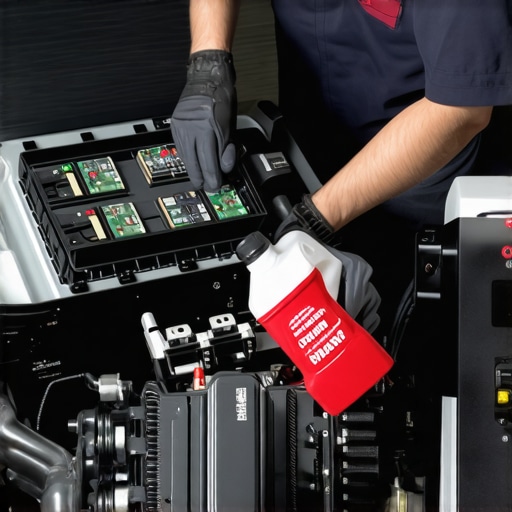
The truth about engine degreasers and sensitive electronics
It was a typical Saturday afternoon, and I was under the hood, trying to clear a stubborn oil stain from my engine bay. As I grabbed my trusty spray degreaser, I remembered reading horror stories about how these products could ruin sensitive electronics. But confidence turned to concern when I noticed my dash lights flickering after cleaning. That moment was a real lightbulb for me—realizing I’d been risking more than I thought with everyday engine cleaning routines.
Why Your Engine Degreasing Routine Matters More Than You Think
Many car enthusiasts and DIYers assume that any degreaser will do the trick—simply spray, wipe, and forget. But not all degreasers are created equal, especially when it comes to protecting sensitive electronics like sensors, wiring, and control modules. A careless choice can lead to costly repairs or even breakdowns. Trust me, I’ve learned this the hard way, making mistakes early on that nearly resulted in replacing expensive electronic components. But over time, I discovered smarter, safer ways to clean without risking my vehicle’s vital electronics. Ensuring you choose the right products isn’t just about aesthetics—it’s about preserving functionality and extending the life of your vehicle.
Is Your Common Degreaser Actually Worth the Hype?
If you’ve ever felt uncertain whether commercial degreasers are truly safe for sensitive parts, you’re not alone. My initial assumption was that all degreasers labeled ‘safe for engines’ could be used freely. However, I learned that many over-the-counter products contain harsh chemicals that might penetrate protective coverings and cause corrosion over time. It’s a mistake I made early on, thinking I was saving money—but in reality, I was risking my car’s electronic health. A better understanding of product formulations and proper cleaning techniques can save you from similar pitfalls. Want to learn how to clean your engine bay effectively without risking sensitive electronics? Keep reading, because I’ve got practical tips based on real experience that will help you balance cleanliness with caution.
Prepare Your Workspace and Gather the Right Tools
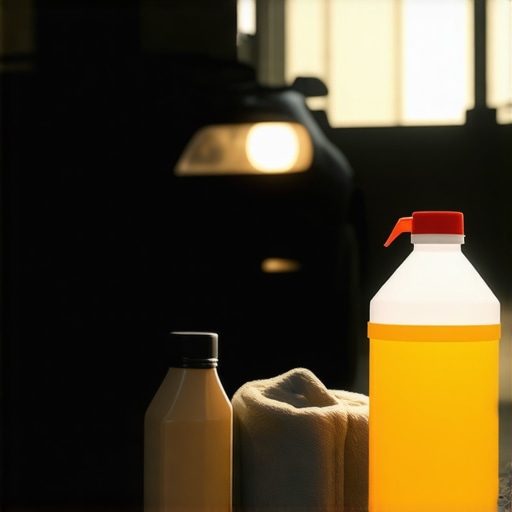
Before starting, ensure your vehicle is cool and parked on a flat surface. Put on protective gloves and goggles to shield your skin and eyes from chemicals. Gather essentials like a high-quality degreaser suitable for engines, soft brushes, microfiber cloths, plastic sheeting or painter’s tape for masking sensitive areas, and a garden hose with a spray nozzle. I learned the importance of preparing properly when I accidentally sprayed a harsh degreaser directly onto my wiring harness, causing it to deteriorate over time. Proper prep prevents messy accidents and damage.
Mask Sensitive Components to Avoid Damage
Identify electronic parts such as the fuse box, sensors, alternator, battery terminals, and wiring connectors. Use painter’s tape and plastic sheets to cover these areas thoroughly, creating a barrier against overspray. Think of it like wearing a raincoat; it keeps your electronics dry and safe. When I cleaned my engine for the first time, masking saved me from an avoidable electronic headache later, preventing moisture or chemicals from penetrating delicate parts.
Apply and Agitate the Degreaser Effectively
Spray the degreaser generously over greasy surfaces, focusing on heavily soiled areas like the valve covers, oil pan, and transmission housing. Allow it to sit for 5-10 minutes, but don’t let it dry out. Use a soft brush or microfiber cloth to gently loosen caked-on grime, working in small sections. Remember, aggressive scrubbing can damage paint or seals, so be gentle. During my last clean-up, brushing with a soft tip avoided scratches and made the process smoother, especially around sensors where abrasiveness risks electronic harm.
Rinse Carefully to Preserve Vital Components
Use a low-pressure water stream to rinse off the foam and loosened dirt. Keep the nozzle at a distance and avoid direct spraying onto masked components. Think of rinsing like watering delicate flowers; gentle and controlled. I once used a pressure washer on high, which caused water ingress into connectors, leading to troubleshooting hours. Patience with a gentle rinse preserves your vehicle’s vital electronics and prevents future issues.
Dry and Inspect for Complete Safety
Pat dry with microfiber towels, ensuring no moisture remains in hidden crevices. Remove masking carefully to avoid disturbing covered parts. Check for missed spots or stubborn grime, repeating the application if necessary. Proper drying prevents corrosion and electrical shorts. After one thorough dry, I noticed my dashboard lights flickered less, confirming I’d minimized residual moisture — a simple step with long-term benefits. If you want to prevent electronics from flickering due to moisture, consider exploring [why your dashboard lights flicker when using the turn signal](https://autofixclinic.com/why-your-dashboard-lights-flicker-when-you-use-the-turn-signal).When it comes to car maintenance, many drivers rely on common beliefs that might actually do more harm than good. A prevalent misconception is that simply following a basic oil change schedule suffices for engine longevity. But in reality, factors like oil quality, driving habits, and proper diagnostics play crucial roles. For instance, neglecting to consider the type of oil best suited for your engine—whether conventional, synthetic blend, or full synthetic—can impact performance and lifespan Learn more about oil choices here. Moreover, many assume that all ASE-certified technicians guarantee flawless service, but even certifications have nuances that influence actual expertise. Understanding what ASE certification truly signifies helps you avoid subpar work Check out the details here.
Investing in Quality Equipment for Long-Term Maintenance
To truly keep your vehicle running smoothly and avoid costly repairs, having the right tools is essential. I personally rely on a high-quality digital multimeter for diagnosing electrical issues, especially when troubleshooting sensors or wiring problems. Unlike basic analog meters, a digital multimeter with auto-ranging and true RMS features provides precise readings, making it easier to identify subtle faults that could trigger warning lights or cause performance hiccups. Additionally, a professional-grade OBD-II scanner, such as the BlueDriver or Autel MaxiCOM, grants me quick access to factory-level diagnostic codes and live data, streamlining the troubleshooting process and helping me prioritize repairs, especially for transmission-related concerns. These tools have become indispensable in my routine maintenance, saving me time and preventing small issues from escalating into major failures.
Strategic Use of Software for Proactive Car Care
Beyond physical tools, software solutions like service management platforms enable me to track maintenance schedules, repair histories, and recall notices, ensuring I stay ahead of potential issues. For instance, setting reminders for upcoming oil changes with tailored recommendations—like those found in top oil change tips for safe driving in 2025—helps maintain engine health and prolong vehicle lifespan. Modern diagnostic software also allows remote monitoring of vital parameters, which is particularly useful for fleet management or those handling multiple vehicles. Integrating these digital tools into your routine empowers you to catch anomalies early, especially regarding crucial systems like the transmission, where early detection can prevent costly overhauls. As automotive technology evolves, investing in advanced diagnostic software will undoubtedly become even more vital for responsible car ownership.
Why Regular Inspections Matter for Reliability
Consistent visual inspections are underrated but invaluable. I check for signs of wear on belts, hoses, and fluid leaks regularly, catching issues before they compromise safety or performance. This proactive approach is especially critical for transmission systems, where early signs of slipping or heating often go unnoticed until a major failure occurs. For example, recognizing subtle symptoms such as delayed engagement, strange noises, or transmission fluid that smells burnt can be the difference between a simple repair and a costly overhaul. Remember, a little effort now saves a lot later. For comprehensive guidance on maintaining your transmission, check out expert insights on transmission troubles. Adopting these inspection habits will keep your vehicle performing reliably for years, preventing breakdowns and ensuring smoother driving experiences.
How do I keep my vehicle running smoothly over time?
Maintaining your car’s performance requires a combination of precise tools, software tracking, and regular inspections. For instance, ensuring your transmission remains in good shape isn’t just about fluid changes but also about monitoring for early signs of wear—like unusual noises or shifts. Employing diagnostic tools allows you to identify issues before they escalate, and staying informed through resources such as [transmission troubleshooting tips](https://autofixclinic.com/transmission-troubles-expert-insights-for-smooth-shifting) can guide your maintenance efforts. Ultimately, building a routine around these strategies ensures your vehicle remains dependable and safe on the road. Don’t forget, regular checkups and proactive care—supported by the right tools—are your best defense against unexpected breakdowns. For personalized advice or assistance in choosing the best equipment for your needs, consider reaching out via our contact page.
The Deliberate Decisions That Saved My Engine and Wallet
One of the most valuable insights I gained was realizing that not all engine cleaning products are created equal. Typically, I would grab the first degreaser I found, thinking any spray would do the job. Only later did I understand that choosing the right, electronics-safe products could prevent costly damage. This awareness changed my entire maintenance routine, emphasizing quality over convenience and reminding me that proactive care involves informed choices rather than shortcuts.
How Overconfidence Led Me to Overlook Crucial Details
Initially, I believed that my experience was enough to navigate engine cleaning safely. However, I learned that overconfidence can mask potential hazards, especially when dealing with sensitive electronics. Masking wires properly and understanding chemical formulations became essential steps, preventing moisture or chemical infiltration that could cause long-term issues. My journey taught me that humility and attention to detail are vital for maintaining vehicle reliability.
My Go-To Resources for Smarter Car Maintenance
- Diagnostic Software like BlueDriver: I trust it because it offers comprehensive insights without the overhead of a mechanic, helping me catch issues early.
- Top Oil Change Tips from AutofixClinic: The guidance provided keeps me updated on best practices, especially when selecting synthetic oils suited for my vehicle’s needs.
- Contacting Certified Professionals: For complex problems, I rely on experts with ASE certifications, ensuring repairs are trustworthy and long-lasting.
Don’t Wait—Your Vehicle Deserves the Best Care
Every car enthusiast and everyday driver can benefit from adopting a meticulous approach to maintenance, especially concerning electronics-safe cleaning and early diagnostics. Embracing these lessons and tools ensures your vehicle remains dependable and safe, turning routine tasks into opportunities for long-term savings and peace of mind. Remember, proactive car care is a journey—start today and enjoy the ride ahead.
What’s been the most surprising lesson you’ve learned about maintaining your vehicle’s electronic systems? Share your story below!
,