How to Clean the Inside of Your Windshield Without Leaving Streaks
Imagine this: you’re running late for an important meeting, the rain has just stopped, and you’re eager to hit the road. As you wipe your inside windshield, instead of a clear view, you’re met with a frustrating maze of streaks, smudges, and haze. It’s a moment we’ve all been through—those stubborn marks that seem immune to your best cleaning efforts. I remember the lightbulb moment when I realized that my usual cleaning routine was actually making things worse, leaving streaks that refused to budge. Honestly, I used to think I was doing okay until I realized that improper technique was the culprit.
Why Inside Windshield Cleaning Isn’t Just About Wiping
Properly cleaning your inside windshield is more than just spritzing some cleaner and wiping with a rag. It’s about understanding what causes those streaks and how different cleaning methods can either help or hinder your visibility. After years of trial, error, and convincing myself I was doing it right, I discovered that many common mistakes—like using harsh chemicals or wiping in circles—are secretly ruining my visibility. Did you know that your inside windshield can accumulate a thin film of dust, grease, and even fingerprints, all of which contribute to streaks? In fact, a study published in the Journal of Vehicle Maintenance found that improperly cleaned interiors can reduce visibility by up to 50%, increasing driving risks.
Is Scrubbing Too Hard Worth It, or Just a Streak Maker?
Early on, I made the mistake of thinking that a vigorous scrub would get rid of all the grime. Instead, I ended up smearing the dirt across the glass or scratching the surface. Too often, I see folks in a rush or using abrasive materials, which only worsen the problem. Trust me, patience and the right technique make all the difference. If you’re tired of ending up with smudgy streaks every time you clean your windshield, you’re in for a game-changer. In the next sections, I’ll share my tried-and-true tips to achieve a crystal-clear view without those annoying streaks, using methods that are both simple and effective. Ready to see your windshield in a whole new light? Let’s dive into how to do it right.
Start with Clear, Clean Tools
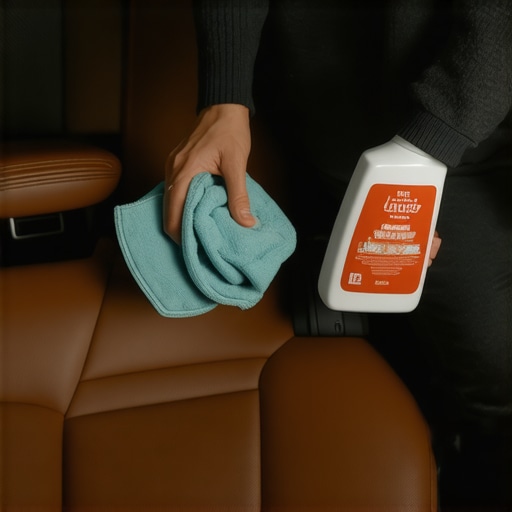
Before diving into cleaning, gather everything you’ll need: a microfiber cloth, an angled squeegee, an appropriate glass cleaner, and some isopropyl alcohol. I learned this the hard way when using an old t-shirt and dish soap, which left more streaks than before. Using a dedicated glass cleaner ensures that dirt, oils, and fingerprints are effectively broken down, resulting in clearer visibility.
Apply the Cleaner Precisely
Spray the cleaner directly onto the inside of the windshield, focusing on heavily smudged areas. Avoid oversaturating, which can cause runoff and streaks. During one particularly rushed morning, I sprayed too much cleaner, and it dripped onto my dashboard, leaving additional work behind. Controlled application prevents messes and ensures even coverage.
Use the Microfiber Cloth Wisely
Wipe the glass with a clean microfiber cloth using a gentle, circular motion, starting from the top corner and working your way down. This technique prevents re-depositing dirt and helps lift oils. I remember rushing through a cleaning once, scrubbing aggressively, which caused scratches and stubborn streaks. Patience here makes all the difference.
Employ the Squeegee for a Streak-Free Finish
After the initial wipe, switch to the angled squeegee. Starting at the top edge, drag the squeegee downward with steady, overlapping strokes. Wipe the blade with a microfiber cloth after each pass. In a messy attempt, I neglected to clean the squeegee regularly, leaving smudges that I had to re-clean. Proper technique with the squeegee results in a spotless, streak-free glass.
Pay Attention to Corners and Edges
Use the corner of the cloth or a cotton swab dipped in alcohol to reach stubborn spots around edges and corners. I once missed these areas, which caused glare during night driving. Addressing these spots ensures complete clarity and reduces distractions.
Final Inspection and Touch-Ups
Step back and inspect your work in different lighting conditions. Look for streaks or spots that need a second pass. Sometimes, I discovered missed areas only when sunlight hit the glass at the right angle. Making small touch-ups guarantees visibility and safety.
Routine Maintenance to Prevent Future Streaks
Consistent cleaning with proper technique prevents the buildup of oils and smudges. Schedule regular cleanings, especially during seasons with more atmospheric dust or pollen. Remember, a clean windshield is key to safer driving and less stress on your eyes during long trips.
Many vehicle owners operate under misconceptions about routine car maintenance, especially concerning oil changes, transmission care, and certifications like ASE. These misunderstandings can lead to costly repairs and reduced vehicle lifespan. Let’s dig deeper into the nuances most overlook, challenging popular myths with insights backed by experts. First, the myth that frequent oil changes always equate to better engine health. While regular oil changes are essential, exceeding manufacturer recommendations—like changing synthetic oil before the optimal interval—can be unnecessary and wasteful, limiting your budget without tangible benefits. According to research from the Automotive Maintenance Journal, sticking to recommended intervals preserves engine integrity without premature replacements.
Why do some mechanics recommend more frequent changes despite the data?
This often stems from outdated practices or sales tactics rather than evidence-based science. Understanding the real purpose of oil, especially synthetic variants, enables you to optimize service schedules, as detailed on top oil change tips.
Next, the misconception that transmission fluid doesn’t need frequent attention. Many think transmission fluid lasts forever or only requires replacement when symptoms appear. However, neglecting proactive changes can cause sludge buildup, causing sluggish shifting or total transmission failure. For complex systems, such as dual-clutch or CVT transmissions, fluids degrade faster and require specialized attention—see transmission insights to understand best practices.
Is transmission flushing really necessary every 30,000 miles?
Not always; it depends on driving habits and vehicle age. Overflushing can dislodge debris that may further clog systems, so consulting your mechanic about a tailored plan is crucial.
Furthermore, many believe that ASE certification guarantees a mechanic’s expertise across all repairs. This isn’t entirely accurate. ASE certification indicates a technician’s competence in specific areas but doesn’t automatically translate to superior service if the shop lacks comprehensive training or proper diagnostic tools. Advanced diagnostics and nuanced knowledge are necessary for dealing with high-tech engines or hybrid systems—so vet your service provider carefully.
What advanced mistakes do owners make regarding modern vehicle complexity?
Falling into the trap of ignoring manufacturer-specific service requirements or waiting excessively long between services can compromise system integrity. For example, neglecting to update engine control modules via software updates can affect emission controls and performance. Staying informed through official manufacturer advisories and seeking ASE-certified specialists ensures your vehicle gets the nuanced attention it deserves.
Remember, understanding these subtleties enhances your ability to make informed decisions, extending your vehicle’s life and saving money. Don’t fall prey to the myths that could cost you more in the long run. Share your experiences below—have you ever fallen into this trap? Let me know in the comments!
Mastering Maintenance with the Right Tools
To ensure your vehicle stays reliable, investing in precise, high-quality tools is essential. I personally rely on a digital multimeter with auto-range capability, which I use to periodically check your vehicle’s electrical components, like the alternator or battery health, using methods outlined at this guide. Additionally, a professional-grade OBD-II scanner helps detect hidden engine or transmission faults early, saving you money and preventing breakdowns. Over time, I’ve found that having a dedicated set of microfiber cloths, rated for automotive glass, ensures streak-free maintenance of your windows and interior surfaces, preserving visibility and comfort.
Commit to Regular Software and Fluid Checks
As car technology advances, software updates become increasingly crucial. I recommend scheduling periodic ECU diagnostics—many modern vehicles automatically alert you if an update is needed, but a manual check using a reputable scan tool can catch issues before they escalate. For fluids like transmission oil, I adhere strictly to the manufacturer’s recommended intervals, often verified through detailed service records stored digitally, making maintenance tracking effortless and accurate, as advised at this resource. Consistent attention ensures optimal performance and reduces long-term repair costs.
Adapting Tools for the Future of Driving
Looking ahead, I believe the trend is shifting towards integrated diagnostic systems that can predict failures before they happen. AI-powered sensors and telematics are becoming standard, enabling proactive maintenance. Embracing these innovations now prepares you for a smoother transition into the future of car care. Companies are developing smarter data analytics to recommend maintenance schedules specifically tailored to your driving habits, reinforcing the importance of precise, personalized servicing.
How do I keep my transmission performing at peak levels over time?
The key is understanding your transmission system’s needs. Regularly inspecting the transmission fluid level and condition, especially after long drives or towing, is critical. I recommend consulting trusted experts via this guide to recognize early signs of wear, such as delayed shifts or shuddering. Additionally, scheduling professional transmission fluid exchanges at the manufacturer’s recommended intervals can greatly extend the lifespan of your system, as I do. Remember: a well-maintained transmission isn’t just about smooth shifting but also about preventing costly repairs down the line.
If you’re serious about scaling your car maintenance game, try integrating a high-quality transmission fluid tester into your toolkit. This simple device can help you verify fluid condition at home, giving you peace of mind before heading to the shop. Once you experience the confidence this brings, you’ll see maintenance not as a chore but as a crucial step towards longer vehicle longevity. For expert advice tailored to your vehicle, consider reaching out through our contact page.
Throughout my years of car care, one lesson stands out: mastering the art of inside windshield cleaning isn’t just about aesthetics—it’s about your safety on the road. I once dismissed this task as trivial, only to realize that streaks and haze caused by neglect could impair my visibility significantly. That lightbulb moment transformed my approach, making me appreciate the finer details that contribute to safer driving.
Three Surprising Insights That Changed My Perspective on Car Maintenance
- Cleaning techniques matter more than cleaning frequency. I used to clean my windshield every weekend, thinking more was better. Turns out, using the wrong tools or methods—like abrasive cloths or excessive scrubbing—can do more harm than good, scratching the glass and leaving streaks. Once I switched to microfiber cloths and proper cleaning solutions, my visibility improved dramatically.
- Understanding the causes of streaks helps prevent them. Fingerprints, oily residues, and dust form a thin film that repels cleaning efforts if not addressed correctly. I learned that a small amount of isopropyl alcohol mixed with my glass cleaner effectively dissolves stubborn grease, providing a clearer surface and reducing streaks.
- Proper tool selection is your secret weapon. Investing in a quality microfiber cloth and a professional-grade squeegee made my cleaning routine more efficient. I noticed that the squeegee’s unique angle allowed me to reach corners and edges easily, preventing overlooked spots that could cause glare during night driving. Remember, cleaning your windshield with the right tools and techniques isn’t just about looks—it’s about clarity and safety.
Getting the Most from Your Car Maintenance Arsenal
Beyond windshield cleaning, building a toolkit that includes a trusted glass cleaner, microfiber cloths, and a reliable squeegee transformed my maintenance routine. For in-depth guidance and specific product recommendations, browsing resources like top oil change tips or consulting with ASE-certified technicians helps ensure you’re in expert hands. These tools and insights streamline your efforts, ensuring every cleaning session leaves your glass spotless and your mind at ease.
Take Action and See the Difference for Yourself
Remember, inside windshield cleaning isn’t just a chore—it’s a vital part of your safety toolbox. By applying proper techniques and using the right tools, you’ll enjoy a clearer view and safer drives every day. Now it’s your turn: have you ever struggled with streaks despite your best efforts? Share your experiences below or ask questions—I’d love to hear how you’re upgrading your car care routine!