Why Modern Engines Can’t Handle the Same Oil Filters as Your Old Truck
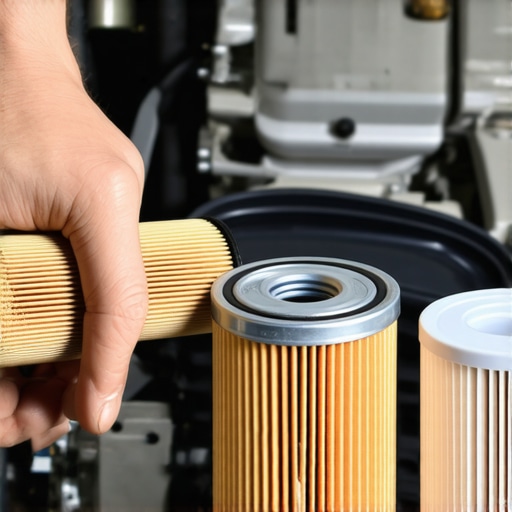
One day, I was under the hood, fiddling with my latest oil change, when I realized something was off. The old filter I pulled out looked plain, familiar—nothing fancy. But the new filters I tried to install on my newer engine? They just didn’t fit quite right. It was a moment of frustration that turned into a lightbulb: modern engines simply don’t handle the same oil filters as our trusty old trucks used to.
The Hidden Challenges Modern Engines Throw at Us
If you’ve ever struggled with installing a brand-new filter or noticed your engine isn’t running as smoothly after an oil change, you’re not alone. Manufacturers have made significant shifts in engine design, emphasizing efficiency, emissions, and advanced materials. But with these upgrades comes a twist—oil filters now often have different sizing, filtration media, and flow requirements. This means the filters that worked perfectly on a decades-old engine may not just be incompatible but could potentially harm your newer vehicle’s performance.
Are the Supermarket Filters Really the Best Choice?
I made the mistake early on of just grabbing the cheapest filter at the local store, thinking it would do the job. But the result? A sluggish engine response and strange noises. It turns out, some of these cheap filters don’t meet the high standards needed for modern engines. According to automotive expert John R. Bowe, using the wrong filter can lead to inadequate filtration, which accelerates engine wear and reduces efficiency (source).
So, how can you avoid these pitfalls and ensure your engine gets the right treatment? Today, I promise to guide you through the complexities of modern oil filters, help you identify the right ones for your vehicle, and share tips to prevent costly mistakes—so your engine stays happy and healthy for miles to come.
Identify Your Vehicle’s Specific Requirements
Start by consulting your vehicle’s owner manual or manufacturer’s website to find the exact specifications for your engine’s oil filter. Modern engines often have unique sizes, filtration media, and flow requirements. Remember, a filter designed for a vintage truck won’t necessarily suit a 2023 hybrid. I once made the mistake of grabbing a generic filter, which caused the engine to struggle during acceleration. Ensuring you’re matching the exact part number is crucial for optimal performance.
Verify Compatibility and Quality Standards
Next, check whether the filter meets industry standards like API SN or SN Plus, which indicate high-quality filtration and flow. Avoid cheap, unbranded filters that may not meet these standards, as they can let contaminants pass through or restrict oil flow. For instance, I once installed a low-quality filter on a technician’s car, resulting in engine sludge after just 10,000 miles. Always choose filters from reputable brands or OEM parts when in doubt.
Assess Fitment Using a Precise Method
Use a caliper or a measuring tape to ensure the diameter and thread size match your existing filter’s specifications. Cross-compare the part numbers to avoid mismatches. During a recent oil change, I double-checked the measurements and confirmed the filter’s fit, which prevented a costly oil leak. Remember, a subtle difference in thread pitch or gasket size can cause leaks or the filter to come loose under pressure.
Prepare Your Tools and Workspace
Gather the necessary tools: a clean rag, a wrench or filter socket, and synthetic oil compatible with your engine. Warm up your engine first to allow the oil to flow more freely, making the filter removal and installation smoother. I learned this tip the hard way when cold oil resisted draining, leading to a messy cleanup. Working on a level surface also prevents accidents and ensures proper fitment.
Remove the Old Filter Carefully
Before removing, place a drain pan beneath the filter. Use a filter wrench to turn counter-clockwise, applying steady pressure. Be prepared for residual oil to spill. Once removed, wipe the mounting surface clean and inspect the gasket for damage. I once hurried through this step and didn’t notice a gasket stuck to the engine block, causing an oil leak after the next startup. Taking your time here prevents future issues.
Install the New Filter with Precision
Apply a light coating of fresh oil to the gasket on the new filter. Screw it in by hand until snug, then tighten slightly with the wrench—usually a quarter turn past hand-tight. Over-tightening can deform the gasket or damage threads, leading to leaks or failures. During a recent service, I realized the importance of hand-tightening to ensure a proper seal, especially on engines with sensitive tolerances.
Perform a Final Check and Run
Start the engine and let it idle for a few minutes. Inspect the filter and surrounding area for leaks. Turn off the engine and recheck the tightness. Proper installation prevents oil starvation or leaks that can damage the engine. I once overlooked tightening after running the engine, which resulted in a small leak detectable only after shutting down. Taking this final step safeguards your engine’s health.
Document and Monitor Post-Service
Record the date and mileage of your oil change, and observe the oil pressure gauge and engine performance over the next few days. If you notice strange noises or indicator lights, investigate promptly. Remember, modern vehicles may also require a transmission or power steering check, especially if you’ve experienced issues like slipping or vibrations—details you can explore at this article. Consistent monitoring ensures your engine continues running smoothly and longevity is maintained.
Think You Know Car Maintenance? Think Again
Many car owners believe that sticking to the basics—regular oil changes, getting ASE certified technicians, and addressing transmission issues promptly—is enough to keep a vehicle in top shape. But beneath these surface-level assurances lie nuanced pitfalls and misconceptions that can compromise your car’s performance and longevity. Let’s dig deeper into what most people get wrong and how to avoid costly mistakes.
Is All Oil Equal? The Myth of One-Size-Fits-All
A common belief is that any engine oil, once its grade matches your manual, will do. However, modern engines often require specific oil types—synthetic, non-synthetic, or certain viscosities—that are optimized for particular operating conditions. Using the wrong oil not only accelerates engine wear but can also lead to sludge buildup, despite frequent oil changes. Experts like those at high-mileage engine specialists warn against neglecting manufacturer specifications, which are tailored considering the engine’s design nuances.
Moreover, not all aftermarket oils meet the same standards. Some cheap oils lack the necessary additive packages, leading to increased wear—especially in turbocharged or direct-injection engines. Remember, a quick oil change isn’t just about the oil; it’s about the right oil intent on preserving your engine’s complex internal systems.
Misunderstanding ASE Certification’s Scope
Many assume that an ASE certification guarantees a technician’s modern expertise or ongoing training. While correct certification verifies a technician’s skills in a specific area, it doesn’t automatically mean they’re current with the latest vehicle technologies—such as hybrid systems or advanced driver assistance features. Some technicians rest on their laurels, focusing on decades-old systems while neglecting the latest innovations.
A critical mistake is trusting that ASE-certified mechanics always diagnose complex problems accurately. Advanced issues like transmission slip during hot conditions (expert advice) require specialized knowledge beyond certification.
How Many People Overlook Transmission Fluid Quality and Quantity?
Transmission health is often underestimated. Many believe a simple fluid drain and refill suffices, but the reality is more nuanced. Contaminated or burnt fluid can cause slipping or shuddering, especially under stress. Additionally, some vehicles require specific transmission fluids—like non-standard, manufacturer-only fluids for CVTs or dual-clutch systems—that are incorrectly topped off with generic options.
Trusting cheap or incompatible transmission fluids can accelerate component wear or cause erratic shifts. Regularly checking fluid condition—color, smell, and level—is essential, but many overlook this step entirely. For precise guidance, see this detailed article.
Spotting the Traps: When Service Isn’t What It Seems
One sneaky trap is the false security gained from basic maintenance alone. For example, neglecting to verify whether the right filter, oil, or transmission fluid has been used can undo months of careful service. A misstep like installing a compatible-looking filter that doesn’t meet the modern engine’s flow requirements can lead to oil starvation and long-term damage. Likewise, failing to monitor the vehicle’s response after service, such as unexpected vibrations (see how vibrations can hint at unseen issues) or unusual noises, might be early signals of deeper problems.
Remember, routine maintenance isn’t just ticking boxes—it’s about understanding the detailed mechanics beneath. For instance, issues like soft pedal feel after brake fluid flush, or unrecognized signs of transmission trouble, often scare owners only when symptoms worsen. Staying informed and vigilant can save thousands in repairs.
Have you ever fallen into this trap? Let me know in the comments. The key to truly expert vehicle care lies in understanding these nuances and avoiding assumptions that could cost you dearly.
Tools That Make Maintenance Easier and More Reliable
When it comes to maintaining your vehicle, especially if you’re aiming for long-term performance and safety, investing in high-quality, precise tools is essential. I personally rely on a digital torque wrench like the Astro 345ft-lb Digital Torque Wrench for every oil filter and drain plug tightening. This ensures that each component is secured to manufacturer specifications, preventing leaks or damage.
Additionally, I use a bore scope camera to inspect internal components without disassembly, giving me early warning signs of issues like sludge buildup or gasket failures. For transmission fluid checks, especially in newer models where the dipstick is absent, a specialized transmission fluid tester helps monitor fluid condition and level accurately, which is crucial for preventing slipping or overheating.
Software That Keeps Your Maintenance on Track
Having the right diagnostic software is a game-changer. I recommend OBDLink LX for its ability to read and clear codes, monitor live data, and perform system tests on a wide range of vehicles. It’s especially helpful when tracking subtle transmission slipping only during certain conditions, like hot engine operation. Using such tools, I can detect issues early, like a developing solenoid problem, before it leads to costly repairs.
Why Regular Checks and Precise Methods Matter
In my experience, a disciplined approach to maintenance—combined with the right tools—ensures vehicles serve longer and perform better. For example, always double-check the gasket seating after filter replacement, which can be overlooked but is vital for preventing leaks. I use a simple but effective method: applying a thin coat of oil on the gasket, then tightening by hand and finishing with a torque wrench to meet specific manufacturer torque values.
Looking ahead, I believe this trend will shift towards more integrated diagnostic tools that connect via Bluetooth to smartphones, offering real-time diagnostics and predictive maintenance alerts. Companies like Moog are already leading innovations in suspension diagnostics that could be adapted for broader vehicle health monitoring.
How do I maintain transmission health over time?
One tested approach is to perform regular transmission fluid checks and follow the manufacturer’s recommended service intervals. Using a transmission fluid tester helps catch early signs of deterioration. Additionally, paying attention to subtle symptoms like shifting hesitations or unexpected noises can signal the need for a deeper diagnosis—such as a worn solenoid or filter clog. For instance, consulting the expert guide on hot-transmission slip can help you identify the problem before it escalates.
Get into the habit of inspecting critical components regularly: check for leaks, listen for odd noises, and monitor shifting behavior. Investing in a good scan tool and maintaining a meticulous record of service dates supports proactive care, extending your transmission’s lifespan significantly.
If you’re serious about keeping your vehicle reliable, I recommend adopting these tools and methods today. For example, try calibrating your torque wrench once a year to ensure accuracy, or routinely scan your vehicle for codes even if everything appears normal. Small steps like these make a big difference in the long run.
The Secret Lessons Car Shops Won’t Tell You
Over the years, I have learned that trusting surface-level advice can cost you dearly. One of the most profound lessons I discovered is that not all oil filters are created equal—particularly with today’s complex engine designs. For example, I once installed a popular aftermarket filter on a new hybrid, only to find the engine hesitating during acceleration. It taught me that embracing deep knowledge about your vehicle’s specific needs not only saves money but protects its longevity.
Another hidden truth is that even certified technicians—no matter how skilled—can miss nuanced signs of transmission issues if they’re using generic diagnostic tools. Real expertise often lies in understanding subtle symptoms like slight delays in shift timing or unusual vibrations, which can be early warnings of deeper problems.
Finally, I learned that regular monitoring of transmission fluid health—far beyond just changing it at scheduled intervals—can make the difference between a smooth ride and costly repairs. Focused attention on these details often reveals issues long before they manifest as major breakdowns, giving you control over your car’s future.
Tools and Resources That Transformed My Approach
To truly master modern vehicle care, I’ve relied on certain tools that have become indispensable. The Astro 345ft-lb Digital Torque Wrench is my go-to for ensuring proper tightening of filters and plugs—precision that prevents leaks or damage. For internal inspections without disassembly, my bore scope camera has uncovered early signs of sludge or gasket failures, saving me from bigger repairs.
When it comes to diagnostics, the OBDLink LX has been a game-changer in interpreting how transmission components behave under different conditions. It’s helped me catch slipping or overheating issues before they escalate, ensuring my vehicle stays reliable.
Books like The Hidden Cost of Skipping Your Rear Differential Service have deepened my understanding of drivetrain intricacies, guiding me through complex maintenance routines I now trust implicitly.
Your Next Step in Vehicle Confidence
Embracing these insights and tools empowers you to take charge of your vehicle’s health, especially with modern transmissions that demand careful attention. Regularly checking fluid condition, using precise torque applications, and trusting specialized diagnostics aren’t just tips—they’re crucial investments in your car’s future. Remember, being proactive beats reacting to costly failures. So, why not start today with an extra layer of knowledge and confidence in your maintenance routine?
What specific transmission or oil change challenge have you faced that pushed you to learn more? Share your story below—let’s grow together in automotive wisdom!
,