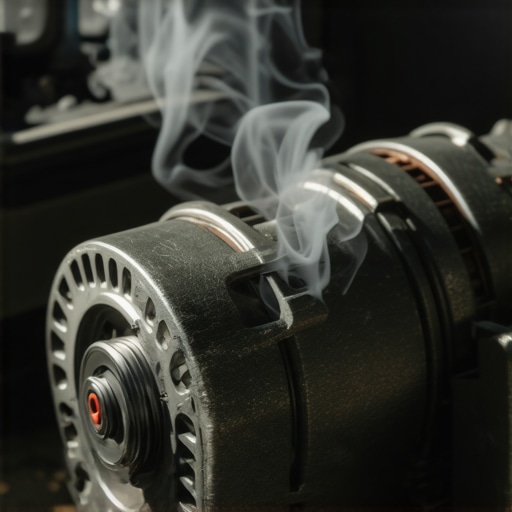
The specific metallic smell that signals your alternator is about to fail
I’ll never forget the rainy Tuesday I spent stranded on the shoulder of I-85, watching the sunset over my dead sedan. It wasn’t a blown gasket or a flat tire; it was a scent I’d ignored for three days. You know that sharp, tangy, metallic odor that hits your nose when you’re near a localized electrical fire or soldering? I smelled it every time I parked, yet I convinced myself it was just old road grime burning off the exhaust. I was wrong. By the time my dashboard flickered and died, my alternator had basically cooked itself alive. I made the classic rookie mistake of thinking a car only speaks through its dashboard lights. The truth is, your nose is often the first line of defense against being stranded. Today, I want to help you identify that specific ‘hot penny’ or ozone smell so you can deal with it before it turns into a dead battery crisis that leaves you hitching a ride.
Follow Your Nose to Save a Heavy Tow Bill
When an alternator starts to fail, it’s usually because the internal bearings are seizing or the wiring is overheating. This creates a very distinct, heavy metallic smell—almost like an electrical fire mixed with hot metal. If you’ve ever pushed a vacuum cleaner too hard and smelled that ‘hot motor’ scent, you’re in the ballpark. I ignored that scent once and ended up paying for a full transmission check because I thought the vibration I felt was a gear issue, when it was actually the electrical system starving for power. Professional mechanics, especially an ASE certified technician, will tell you that sensory diagnostics are just as important as plugging in a computer. According to the Car Care Council, neglected maintenance on electrical components is a leading cause of vehicle fires and total system failure. If you smell something acrid under the hood, the alternator’s voltage regulator might be overcharging the battery, which is a recipe for disaster. Getting a professional car service early on is the difference between a $200 fix and a $1,200 nightmare.
Can You Actually Diagnose a Car Just by Smelling It?
It sounds like an old-timer’s trick, doesn’t it? You might be skeptical that a smell can tell you more than a computer code. But cars are mechanical beasts that generate massive amounts of heat. When things go wrong, they cook. Whether it’s the sickly sweet smell of coolant or the ozone-heavy stench of a dying alternator, your car is literally off-gassing its distress. Have you ever noticed a strange metallic scent after a long drive and just hoped it was the car next to you? I want to know—did you ignore it like I did, or did you pop the hood? Setting the stage for a proper fix starts with admitting that the ‘hot penny’ smell isn’t just your imagination; it’s a call for help.
Narrow Down the Source of That Metallic Funk
The first thing you need to do is isolate the scent. I remember a humid Saturday morning helping a neighbor with a routine oil change. As the engine warmed up, I didn’t just smell oil; I smelled that unmistakable ozone. To confirm it was the alternator, I had him turn on the headlights and the AC to put a load on the electrical system. If the smell intensifies when you demand more power, you’ve found your culprit. It’s a lot like a kitchen toaster; when it’s working too hard, the internal components start to off-gas. If you ignore this, the erratic voltage can lead to transmission troubles where the computer literally forgets how to shift because it’s starving for a steady 14 volts. I once saw a modern sedan start slamming into gear simply because the alternator was failing and couldn’t power the solenoids. 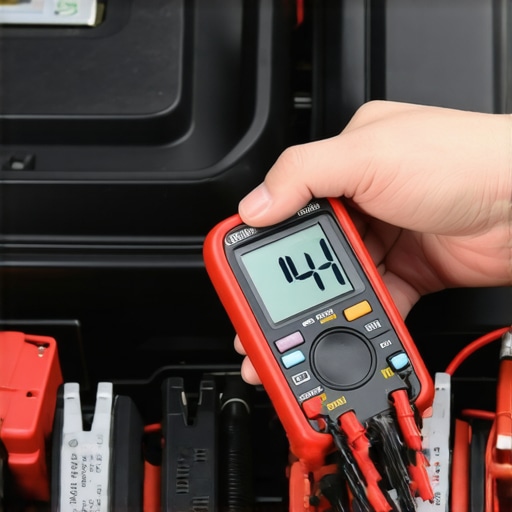
Test the Voltage to Confirm Your Suspicions
Don’t just guess based on your nose. Grab a basic multimeter—it’s the best $20 investment you’ll ever make for your toolkit. With the engine running, touch the leads to your battery terminals. You’re looking for a reading between 13.5 and 14.7 volts. If you see it spiking over 15 or dropping below 12 while that smell is present, your voltage regulator is failing. This overcharging is exactly the hidden drain that kills your car battery by boiling the internal acid. I’ve seen batteries swell up like a sourdough loaf because an alternator wouldn’t stop pumping out juice. It is vital to catch this before the battery plates warp and short out entirely.
Look for the Warning Signs Your Eyes Might Miss
While the hood is open, look at the alternator belt. If it’s glazed, shiny, or shows fine black dust on the housing, it’s slipping and creating friction heat—another source of that metallic ‘hot penny’ smell. Check the wiring harness leading to the back of the alternator for any melted plastic or discoloration. Sometimes the smell isn’t the internal bearings, but a loose connection arching out. If you notice the reason your dashboard lights flicker is actually a loose ground wire near the alternator, you might save yourself a full replacement. However, if the smell is coming from inside the casing, it’s time to seek a professional car service from someone with the right gear. An ASE certified technician has load testers that can simulate driving conditions to see if the alternator is failing under stress. Always check what your transmission fluid color is trying to tell you at the same time, because extreme electrical heat can sometimes migrate through common cooling components in older radiators, leading to multiple system failures.Most drivers treat a routine oil change like a grocery run—something to get over with at the lowest price possible. But here is where the experts and the owners diverge. A true technician sees an oil change as a forensic investigation. If you are just looking at the price tag, you might miss the reason your oil looks like coffee grounds on the dipstick, which is a death knell for your engine’s internals. I have seen countless people think they are doing their car a favor by adding an extra bottle of protection only to face the danger of overfilling your engine oil by just one quart, which can aerate the lubricant and starve your bearings of actual liquid oil. It is a counterintuitive trap: more is not always better.
Stop Treating Your Oil Change Like a Commodity
The contrarian truth in the industry is that the cheapest oil change is often the most expensive in the long run because of the filter quality. Many quick-lube shops use generic filters with thin bypass springs that fail under high pressure. This is especially true for modern forced-induction vehicles. You must consider the hidden cost of using non-OEM oil filters on your turbo, as inadequate filtration leads to micro-abrasions on the turbine shaft. According to a study by AAA, nearly 64 million American drivers cannot afford an unexpected vehicle repair, leading many to choose these budget options that actually accelerate engine wear. 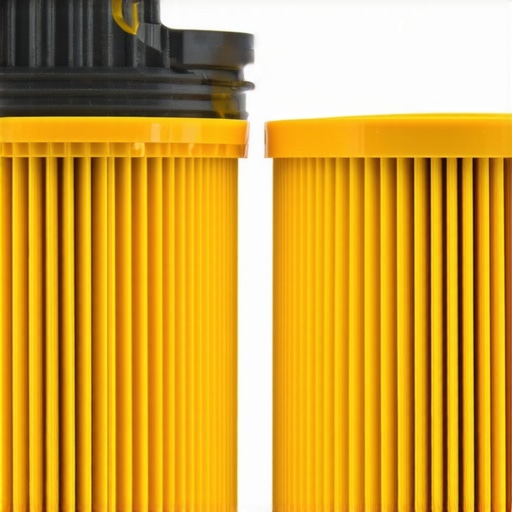
Why a Piece of Paper Does Not Always Fix Your Car
There is a massive misconception that an ASE patch on a sleeve guarantees a perfect diagnosis every time. While I always recommend looking for one, you need to understand what an ASE certification mean for your cars maintenance in a practical sense. It proves the technician has passed a rigorous test, but it does not account for the specific diagnostic intuition required for ghost problems. I have met master techs who can recite torque specs from memory but struggle with the 5 diagnostic practice questions that act like an SHSAT exam prep when it comes to multiplex wiring. Always ask your tech if they have experience with your specific make, not just the general certification.
Why does your transmission still slip after a fluid change?
This is the ultimate advanced reader question. You might think a fluid flush is the cure for a sluggish gearbox, but it can sometimes be the final blow. If the internal clutches are already worn, the grit suspended in the old fluid is often the only thing providing enough friction to move the car. When you replace that with fresh, slippery fluid, the transmission starts to slip. Before you blame the shop, you have to determine how to tell if your transmission slip is mechanical or electronic. Sometimes, the issue is not the gears at all, but a faulty sensor sending incorrect data to the TCM. If you ignore this distinction, you might end up paying for a full rebuild when you only needed a $50 solenoid. Dealing with transmission troubles requires a level of nuance that most quick-fix guides ignore. Have you ever fallen into this trap of thinking a simple fluid change would fix a deeper mechanical failure? Let me know in the comments.When I am deep in the guts of a vehicle, I am not just looking for what broke; I am looking for why the part gave up. To do that properly, you need to graduate from the $20 code reader to what the pros use. I personally rely on bidirectional scan tools because they allow me to talk back to the car. Instead of guessing if a shift solenoid is bad, I can command the transmission to engage that specific gear while the car is on the lift. If I hear the mechanical click, I know the wiring is likely fine and the issue is internal pressure. This level of precision is exactly choosing the right car service involves—looking for shops that invest in the same high-end tech. According to the Automatic Transmission Rebuilders Association (ATRA) technical manual, over 70% of electronic transmission complaints are actually caused by low voltage or bad grounds, not mechanical failure. This is why tools like the Power Probe are in my top drawer; they let me supply power and ground directly to a component to see if it lives or dies. 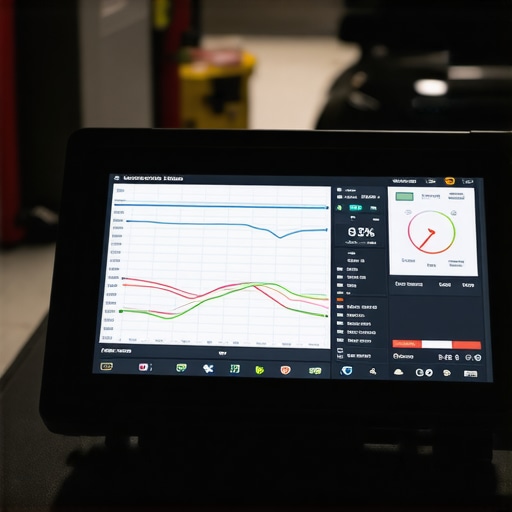
Ditch the Code Reader for a Real Diagnostic Powerhouse
For anyone serious about maintenance, you need a borescope. I use a Teslong dual-lens camera to peer inside spark plug holes and intake runners. It is the only way to see carbon buildup on valves before it causes a misfire. If you want the secret to keeping your engine clean internally between changes, you have to verify that your PCV system isn’t oily and clogged. This is also how I spot the early signs of cylinder wall scoring that might otherwise go unnoticed until your why regular oil changes extend your cars lifespan story turns into a full engine replacement saga. In some niche cases, specifically with modern electric power steering, you might find that why Viper tools are the only way to reset your cars steering angle sensor becomes your reality, especially after a heavy suspension repair.
How can I keep my car running past the 200,000-mile mark?
Staying on top of the ‘small’ fluids is the key. Everyone remembers the oil, but most forget the differential and transfer case fluids. I recommend a fluid extraction pump—it makes these messy jobs so easy you won’t have an excuse to skip them. If you’ve just had major work done, you must follow the strict rules on how to properly break in a newly rebuilt transmission or you will be back at the shop in six months. Long-term results come from a consistent ‘drain and fill’ strategy rather than aggressive chemical flushes, which is the secret to getting 300000 miles out of a modern CVT.
Where Automotive Maintenance is Heading in the Next Decade
We are moving toward a world of predictive telematics. Soon, your car won’t just wait for a light to pop up; it will analyze the wave pattern of your alternator’s output and send a push notification to your phone that a diode is failing before you ever smell that ‘hot penny’ scent. Even with all this AI, the fundamentals of a solid top oil change tips for safe driving in 2025 will still rely on a human eye—preferably an ASE certified technician—looking for leaks. Try this advanced tip: Use a thermal imaging camera to check your fuse box after a long drive. If one fuse is significantly hotter than the others, you’ve found a circuit with high resistance that is waiting to fail.
The Hard-Earned Truth About Relying on Dashboard Lights
One of the most expensive lessons I ever learned was that a dashboard light is often the last stage of a problem, not the first. By the time that little orange engine icon glows, your car has likely been shouting for help for weeks through subtle vibrations or that metallic ‘hot penny’ scent we discussed earlier. True mechanical intuition comes from realizing that an ASE certified technician isn’t just a guy with a wrench; they are investigators who look for the stories your sensors might miss. I’ve realized that the best way to avoid being stranded is to treat your periodic car service as a health screening rather than a chore. If you only look at your gauges, you’re only seeing half the picture.
- Never ignore a change in how your brake pedal feels, even if the fluid level looks ‘fine.’
- A clean engine bay isn’t just for show—it’s how you spot leaks before they hit the pavement.
- The best oil change is the one where the technician actually looks at your belts and hoses while the oil drains.
My Personal Arsenal for a 200,000-Mile Engine
If you want to keep your vehicle on the road for two decades, you need more than just hope. I trust my digital multimeter more than almost any other tool because it doesn’t lie about voltage. I also suggest keeping a dedicated logbook for your transmission health; noting exactly when you performed a fluid swap can save you from transmission troubles down the road. Beyond tools, my greatest resource is the knowledge found in top oil change tips for safe driving in 2025, which emphasizes that modern engines have tighter tolerances than ever before. #IMAGE_PLACEHOLDER_E# I always tell friends that finding an ASE certified technician is about finding a shop that treats your car’s longevity as a personal challenge.
Take Charge of the Machine Beneath You
Owning a car is a relationship based on communication. When you learn to decipher the smells, sounds, and slight hesitations of your engine, you stop being a passenger and start being a partner. Understanding why regular oil changes extend your cars lifespan is the first step, but the final step is taking action the moment something feels ‘off.’ You have the power to prevent the tow truck from ever showing up. Have you ever had a ‘gut feeling’ or a specific smell save you from a major breakdown? Let me know in the comments below.