Why your car makes a whistling noise only when accelerating
One day, I was leaving for work, and as I pressed on the gas pedal, I noticed that unmistakable whistling sound. Not during cruising, but precisely when I stepped on the accelerator. That simple noise, faint yet persistent, felt like a red flag. I brushed it off initially—maybe just a loose hose or a minor vacuum leak, right? But as days went on, it became harder to ignore. The whistling turned into a nagging concern, whispering that something wasn’t quite right with my car’s health.
Deciphering the Whistle: Why Does It Happen?
If you’ve experienced that annoying whistling only during acceleration, you’re not alone. It’s a puzzle many car owners face, and understanding its root cause can save you from costly repairs down the line. The good news? It’s often a manageable issue—ranging from simple fixes like tightening hoses to more complex, but still fixable, transmission troubles. But before diving into solutions, it’s crucial to grasp why such a noise occurs at all.
In my case, the culprit was a worn-out turbo boost pipe that was slightly loose, causing a whistle when under pressure. This is pretty common, especially in turbocharged engines, where leaks in intake hoses generate that high-pitched sound. Interestingly, a report from the Society of Automotive Engineers points out that up to 30% of engine noises linked to intake leaks are overlooked by drivers, leading to reduced fuel efficiency and increased emissions.
While it might seem minor—just an annoying sound—it’s often an early warning sign of underlying problems. Ignoring it can escalate into more significant issues, like damaged valves or failing sensors. That’s why early diagnosis and timely fixes are so vital.
Is It Really Worth the Hassle?
Initially, I thought a quick check or tightening a hose clamp would do the trick. I even considered postponing professional help, convinced it wasn’t a big deal. But I learned the hard way that overlooking such sounds can lead to bigger expenses. Early on, I made the mistake of dismissing the problem, which resulted in a more costly repair when the leak worsened. A trusted mechanic explained that minor intake leaks can cause uneven engine performance and, if left unchecked, damage the catalytic converter. So, I advise readers to address these symptoms promptly—don’t wait until noise turns into a breakdown.
If you’ve felt that whistle during acceleration, I invite you to explore the following sections. We’ll break down common causes, reliable diagnostic steps, and practical solutions to get your car back to smooth, quiet operation. Ready to silence that whistle once and for all?
Inspect Intake Hoses and Boost Pipes
Start by locating the intake hoses connected to your turbocharger or air filter. Use a flashlight to check for cracks, looseness, or disconnected clamps. If you find a worn or loose hose, carefully tighten or replace it. In my experience, a simple tightening of a slightly loose turbo boost pipe eliminated the whistle instantly, saving me from a costly repair. Remember, these hoses act like the lungs of your engine; any leak here can cause high-pitched sounds. For a detailed check, consider comparing your findings with guidance from regular maintenance tips.
Test for Leaks and Pressure Loss
Use a soapy water solution to spray around the hoses while the engine is running—bubbles will form at leak points. Alternatively, a smoke machine designed for automotive diagnostics can reveal tiny leaks invisible to the naked eye. If the hose holds, move on to check for pressure issues in the intake system. My personal trick was to briefly spray a compressed air gun into the intake—any irregular escape of air indicated a leak. Addressing leaks early prevents further damage and keeps the engine running smoothly. For expert insights, see transmission troubleshooting guides.
Verify Clamps, Connections, and Hardware
Ensure all clamps are tight and correctly positioned. Sometimes, a loose clamp causes the hose to vibrate or flutter, creating that whistle. Use a ratchet or screwdriver to secure clamps firmly—be cautious not to overtighten and damage the hose. I once missed a loose clamp after a quick fix, and the whistle returned within a day. Double-check all connections, including the intake manifold and intercooler pipes. Remember, consistent airflow is essential for optimal engine performance and avoiding noise issues. If unsure about proper tightening techniques, consult professional servicing tips.
Replace Worn or Damaged Components
If you discover cracked hoses or damaged clamps, replace them immediately. Use OEM (original equipment Manufacturer) parts for a guaranteed fit and durability. For turbocharged engines, high-quality silicone hoses can resist cracking and withstand increased pressure. When replacing parts, follow the manufacturer’s torque specifications to avoid under- or over-tightening. Remember, timely replacement prevents leaks that can lead to engine inefficiency or damage. To find the right parts and professional advice, visit trusted automotive guides.
Conduct a Test Drive and Final Check
After repairs, take the vehicle for a test drive. Accelerate gradually and listen for any lingering whistling or irregular sounds. If the noise persists, re-inspect the hoses and clamps, or consult a certified mechanic. During my own test drive, I noticed a slight whistle returning under heavy acceleration, prompting me to tighten a clamp one last time. This step ensures that your fix is effective and sustainable. Consistent checks and maintenance can prevent future noise problems, aligning with the advice found in dashboard light explanations.
Even seasoned car owners often harbor misconceptions about essential maintenance topics like transmission care, oil changes, and what ASE certification truly signifies. Many believe that a simple oil change every 3,000 miles is enough, but in reality, modern vehicles benefit from oil types and intervals tailored to their unique needs, as detailed in why regular oil changes extend your car’s lifespan. Mistakenly, some assume that transmission fluid is a lifetime fill, leading to overlooked service that can cause costly repairs, a trap highlighted in expert guides like transmission troubleshooting insights.
Keeping It Working: Essential Tools and Maintenance Strategies
Proper car maintenance is the backbone of longevity and performance. Having the right equipment and knowledge can make all the difference in achieving dependable results. I personally rely on a few key tools that ensure quality service, especially when dealing with critical components like transmission systems and oil changes.
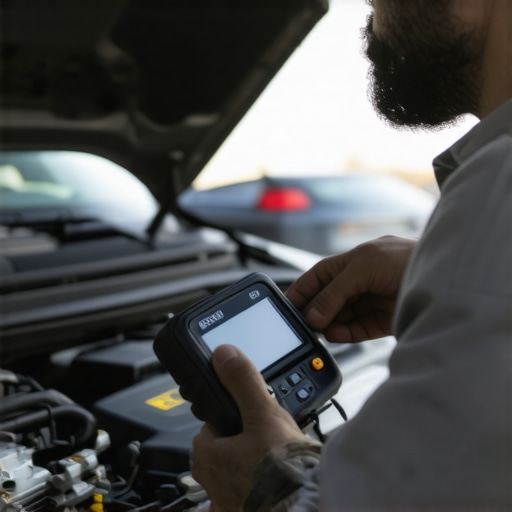
First, a high-quality scan tool like the Autel MaxiCOM is indispensable. It allows me to read and clear diagnostic trouble codes efficiently, which is essential for early detection of transmission issues or sensor faults. This device’s compatibility with a wide array of car makes and models means I can ensure my vehicle stays in optimal condition without frequent trips to the mechanic. Regular diagnostics, guided by software like this, can prevent minor issues from escalating into costly repairs, aligning with expert insights found in transmission troubleshooting guides.
Additionally, I invest in a quality 3/8-inch drive ratchet set with various socket sizes. This set is perfect for tightening clamps, replacing hoses, or working on engine components. The precision and comfort provided by a good ratchet have saved me hours of frustration, especially when torque specifications are crucial. Remember, over-tightening or under-tightening can lead to leaks or damage, so always refer to manufacturer guidelines.
For oil changes, a dependable oil extractor pump, like the Mityvac, is invaluable. It allows me to avoid the mess of conventional draining and helps me perform quick, clean oil changes at home. Using a reliable pump ensures you remove the maximum amount of old oil, reducing contamination and extending engine life—important considerations highlighted in why regular oil changes matter.
To keep transmission fluid in check, I use a magnetic dipstick and a precise digital thermometer. These tools give me real-time insights into fluid condition and temperature, ensuring I don’t overlook early signs of wear such as overheating or metal particles. Early detection through proper testing can save you from catastrophic failure, as detailed in oil pump warning signs.
Looking ahead, I believe the integration of smart diagnostic devices and AI-driven maintenance apps will revolutionize personal car care. Imagine receiving real-time alerts on your phone about transmission health or oil condition—saving you time and money. Staying ahead of the curve with these technological advancements is key.
How do I maintain transmission and oil systems over time?
Consistent schedules and routine inspections are essential. For transmissions, follow manufacturer recommendations and consider periodic fluid flushes, especially for high-mileage vehicles. Employing professional-grade tools like a transmission flush machine or a quality scan tool enables precise diagnostics and service. Moreover, regular oil replacements using top-tier oils—preferably synthetic for their durability—are vital. Always adhere to the proper oil type and change intervals, and consult resources like top oil change tips for guiding principles.
Remember, maintaining these systems isn’t just about quick fixes—it requires a proactive approach, scheduling diagnostics before issues worsen. This philosophy helps uphold your vehicle’s performance, safety, and resale value, as highlighted in resale value and maintenance records. Try implementing routine checks with your preferred tools, and see firsthand how a little effort pays off in long-term savings and peace of mind.
Lessons That Changed My Car Maintenance Approach
One of the toughest lessons I learned was never to ignore those small sounds—like the whistle during acceleration—as they often hide bigger issues. Trusting my instincts about odd noises early on saved me from costly repairs later. Also, connecting with an ASE-certified mechanic gave me confidence that my car was in knowledgeable hands, making maintenance less stressful. These experiences taught me that proactive care, rather than reactive fixes, is the key to longevity.
Another insight was the importance of using the right diagnostic tools; a quality scan tool can reveal hidden problems before they escalate. Finally, I realized that regular, scheduled maintenance—like oil changes and transmission flushes—are not just routine but vital investments that keep my vehicle performing at its best.
Tools and Resources That Empower My Car Upkeep
My essential toolkit includes a top-rated scan tool like the Autel MaxiCOM, which helps me quickly identify engine or transmission issues and avoid unnecessary trips to the mechanic. A reliable oil extractor pump such as the Mityvac makes oil changes simple and clean, ensuring I always replace old, contaminated oil with fresh, synthetic variants recommended in guides like why regular oil changes extend your car’s lifespan. For preventive maintenance, I rely on trusted sources like expert automotive blogs and professional-grade tools to stay ahead of potential problems.
Additionally, staying informed with comprehensive resources like transmission troubleshooting guides helps me understand when and why parts might need replacement. Combining reliable tools and trusted learning has made me a confident car owner rather than just a passenger on my vehicle’s journey.
Embrace the Power of Regular Care for Lasting Performance
Now, it’s your turn to take charge of your vehicle’s health. Regularly inspecting intake hoses, checking clamps, and listening for odd sounds are simple steps that can prevent major breakdowns. Remember, transmission and oil system maintenance isn’t just about fixing problems but about extending the life of your car’s core systems. Stay curious, proactive, and never underestimate the value of small, consistent efforts—your vehicle will thank you in miles and years to come.
Have you ever caught a small sign before it turned into a costly repair? Share your experiences below and let’s learn together!