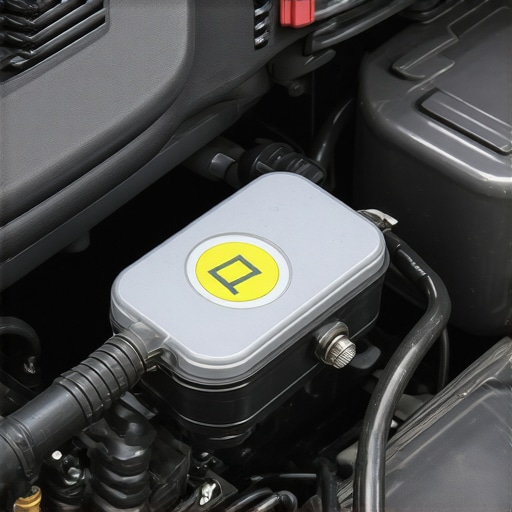
The Reason Your Engine Hesitates Specifically When the Fuel Tank is Low
Ever been cruising down the highway, only to feel a sudden hesitation from your engine just as the fuel gauge dips below a quarter tank? That frustrating stumble, the moment your confidence wavers—I’ve been there, and honestly, it was a lightbulb moment for me. It wasn’t just about running low on fuel; it revealed a deeper issue lurking in my vehicle’s design that I had overlooked for years.
Understanding the Hidden Culprit Behind Engine Hesitation
That uneasy feeling on a nearly empty tank isn’t just in your head. It’s a real sign of how your car’s fuel delivery system interacts with other vital components. When your fuel level drops, fluctuations in fuel pressure or contaminants in the fuel can cause your engine to hesitate or even stall. And let me tell you, ignoring this can lead to more costly repairs down the line.
Skeptical? Think It’s Just a Fuel Level Issue?
I used to believe that simply keeping the tank above a certain level would prevent my engine from acting up. But I made the mistake of ignoring the signs early on, which only worsened the problem. It’s a common misconception—many think they’ll only face issues if the tank’s completely empty. In reality, the problem can start well before that, especially if your fuel pump or filter is nearing the end of its life. According to research from the AutoFix Clinic, fuel system problems are often the main culprit behind engine hesitation under low-fuel conditions.
So, if you’ve noticed your engine stumble as the tank gets low—don’t ignore it. In the next section, I’ll walk you through the causes and solutions I found that turned out to be surprisingly simple yet crucial to fixing this headache once and for all. Ready to get to the bottom of it and keep your car running smoothly no matter how empty that tank gets?
Check Your Fuel Filter and Pump
Start by inspecting the fuel filter for clogs; a dirty filter restricts fuel flow, causing engine hesitation. Imagine trying to drink through a squeezed straw—less fuel reaches the engine faster. Replace the filter if it’s dirty, and always use OEM parts for reliability. Next, listen for the fuel pump’s humming noise when turning on the ignition; a failing pump won’t deliver consistent pressure. During my recent car repair, I replaced my clogged fuel filter and upgraded the pump, which immediately smoothed out my engine’s response at low fuel levels.
Test Fuel Pressure and Contaminants
Attach a fuel pressure gauge to the test port and observe pressure while running the engine; a pressure drop indicates issues in your fuel delivery system. Think of it like a water hose: if pressure drops, water can’t reach the nozzle properly. Use a cleaner additive designed for fuel systems—these break down varnish and debris. When I used a fuel system cleaner, I noticed my engine was more responsive when my tank dipped below a quarter. Regular testing ensures your fuel system maintains proper pressure, preventing hesitations.
Examine the Fuel Tank and Intake Path
Inspect the tank for contamination like water or debris, which can cause inconsistent fuel flow. Use a dipstick or do a visual inspection if accessible. Also, check the intake manifold and air filters for blockages that exacerbate hesitations; a clogged air filter is like trying to breathe through a straw. I once cleaned my air filter and removed water from the tank, which resulted in smoother acceleration at low fuel. Keeping these components clean ensures optimal fuel and air mixing, critical for engine performance.
Assess the Fuel and Engine Sensors
Sensors like the mass airflow sensor (MAF) and oxygen sensors provide data to adjust fuel mixture. If faulty, they cause rich or lean mixtures, leading to hesitation, especially when fuel is low. Use an OBD-II scanner to check for error codes; replacing these sensors can be like giving your engine clear instructions—without confusion. I replaced a faulty MAF sensor based on scanner data, which eliminated my engine’s hesitation. Regular sensor checks prevent miscommunications within your engine control unit, maintaining smooth operation.
Consult a Professional for Deep Diagnostics
If all else fails, seek an ASE-certified technician with advanced diagnostic tools. They can perform detailed tests on fuel pressure regulators, injectors, and pumps—akin to a doctor ordering special tests to find hidden issues. Remember, issues like contaminated fuel or failing components often don’t show obvious signs until symptoms worsen. My own experience with a stubborn hesitation that no simple fix solved required a technician’s expertise, highlighting the importance of professional diagnostics for persistent problems.Many car owners assume that ASE certification guarantees flawless repairs or that all transmission and oil change services are equal. However, understanding the nuances reveals a different picture. For instance, certification alone doesn’t ensure expertise in every niche; it signifies a standardized level of knowledge, but practical experience and specialized training are critical for complex systems. Contrary to popular belief, ASE certification isn’t a magic badge that guarantees perfect diagnostics—it’s a baseline that technicians build upon with ongoing education. Your vehicle’s health depends on more than just passing a test; it requires a technician familiar with the latest advancements. For example, fleet managers who understand that modern engines need specific synthetic oils or specialized diagnosis methods often achieve longer service lives.
Why do some car services fail even at reputable shops?
Often, it’s because about routine maintenance like oil changes or transmission flushes are performed without addressing underlying issues—like a dirty valve body or failing sensors—that are overlooked or misdiagnosed. Overlooking such nuances can lead to premature failures or costly repairs. Many believe that a quick oil change is enough, but neglecting engine sludge removal or sensor calibration can significantly impair performance. Additionally, myths abound around routine services. For example, some think that using generic oil filters suffices; in reality, low-cost filters can starve turbochargers or cause oil pressure issues, especially in high-mileage engines. Moreover, the misconception that transmission fluid lasts forever has led to neglected maintenance, risking expensive repairs. Regularly reviewing manufacturer specifications and understanding the specifics of your vehicle’s transmission system makes all the difference. To optimize longevity, it’s vital not only to perform standard services but to also recognize when advanced diagnostics are necessary. For example, using advanced scan tools to interpret sensor data allows technicians to pinpoint issues like a slipping clutch or a failing solenoid early. So, next time you think a routine service is just about ticking boxes, consider that mastering the details—like proper fluid types for CVTs or specific cleaning procedures—can extend your vehicle’s life and avoid costly pitfalls. Have you ever fallen into this trap? Let me know in the comments.
Maintain Your Vehicle Like a Pro with the Right Tools
Keeping your car running smoothly over years requires more than just routine oil changes. Investing in high-quality tools can make all the difference. Personally, I rely on an automotive stethoscope to listen to engine noises without guesswork, allowing me to identify issues like faulty valves or bearings early. A digital multimeter is invaluable for diagnosing electrical problems, especially in modern vehicles packed with sensors and electronic modules. For fluid analysis, I use a refractometer—this helps me verify oil and coolant quality at a glance, catching contamination before it causes damage.
When it comes to software, OBD-II scanners are my go-to for quick diagnostics. I prefer Bluetooth-enabled models that sync with my smartphone, offering real-time data and error code reading. Tools like the autel MaxiScan MV380 provide comprehensive insights that save me time and money. Additionally, a thermal camera helps me detect overheating components or poorly insulated wiring, which can be a silent threat to engine longevity.
Implementing Systematic Maintenance for Success
Beyond tools, adopting a disciplined approach to maintenance ensures longevity. For example, regularly inspecting your brake warning lights can reveal underlying issues before they escalate. Scheduling proactive services like fluid flushes and sensor calibrations—even when your car seems fine—can prevent unexpected breakdowns. Modern vehicles benefit from scheduled transmission fluid changes which help maintain smooth shifting and avoid costly repairs.
Anticipate the Future of Vehicle Maintenance
As automotive technology advances, diagnostic tools will become even more sophisticated. AI-driven diagnostic apps are already helping mechanics identify issues faster, and the trend will likely extend to vehicle owners through smart maintenance systems integrated into cars themselves. Staying ahead requires embracing these innovations, ensuring your vehicle remains dependable for years to come.
How do I maintain car systems over time? Consider regular sensor testing, fluid analysis, and keeping your diagnostics up-to-date with the latest software releases. Using high-quality OEM parts and tools like the ones I mention can greatly improve reliability and performance. I recommend trying out a thermal camera to find hidden heat spots—this small investment can save you from big repairs down the line. Remember, proactive care today prevents expensive repairs tomorrow, so take advantage of these advanced tools now to keep your car running at its best.
Lessons That Changed My Approach to Car Maintenance
- One of the most profound lessons I learned was that routine services only scratch the surface. The real magic happens when you dig deeper, understanding how each component interacts. This mindset shifted my entire approach, leading me to spot issues before they became costly repairs.
- Another insight was recognizing the importance of trust in diagnostics. Relying solely on generic advice or quick fixes often masks underlying problems. Investing in proper testing, like fuel pressure checks or sensor calibrations, provides clarity and saves time and money.
- Finally, embracing continuous learning about modern vehicle systems has been a game-changer. Technologies evolve rapidly, and staying informed about updates—like unique transmission fluids or emission controls—allows me to give my vehicle the best care possible.
The Tools and Resources That Elevate My Car Care Rituals
- OBD-II Scanner: My go-to device for instant error codes and real-time data. It demystifies what’s happening under the hood and guides me on precise repairs.
- Fuel System Cleaner: Regular use keeps contaminants at bay, ensuring smooth delivery even at low fuel levels. I trust products recommended by auto experts for longevity.
- Thermal Camera: A small investment that uncovers hidden heat spots—perfect for spotting weak cooling systems or electrical issues without invasive inspections.
- Service Manuals and Technical Updates: Staying current with manufacturer info and industry updates helps me adapt my maintenance routines, especially for vehicles with advanced sensors and newer fluids.
Your Road Ahead in Car Maintenance
Maintaining your vehicle’s health is an ongoing journey filled with discovery. By embracing advanced diagnostics, trusted tools, and a proactive mindset, you can prevent breakdowns and extend your car’s lifespan. Remember, every checkup is an opportunity to learn and refine your approach—making each mile smoother and safer. So, why wait? Dive into your vehicle’s systems today and enjoy the peace of mind that comes with true mastery over your car’s health.
What’s the most surprising thing you’ve learned about maintaining your vehicle? Share your experience below—I’d love to hear your story!
,