The Sludge Risk of Following the Dashboard’s 10,000 Mile Interval
Have you ever ignored that little warning light flickering on your dashboard, thinking a simple oil change at the 10,000-mile mark would suffice? I used to do the same—believing that as long as the oil was fresh and topped off, my engine would stay healthy. But one chilly morning, a strange knocking noise woke me up, and I realized I’d been overlooking a silent threat lurking beneath the surface. That moment was a lightbulb flickering in my mind: the dashboard’s interval warning might just be a rough guideline, not the gospel.
Why Sticking Strictly to the 10,000 Mile Rule Could Be Risky
The truth is, following the dashboard’s recommended oil change interval without understanding what’s happening inside your engine can lead to serious sludge buildup and premature wear. Modern engines are more sensitive to oil quality than ever, and neglecting critical signs can cost you in the long run. In my early days of car maintenance, I made a crucial mistake: I trusted the mileage marker blindly. That oversight nearly cost me an expensive engine rebuild. According to recent studies, engines that run on oil too thin or contaminated are at a much higher risk of damage—highlighting that the actual 10,000 miles might be too long for some engines, especially under severe driving conditions. Check out this detailed guide to [the crucial tests for a 2026 oil change](https://autofixclinic.com/5-crucial-tests-for-a-2026-oil-change-avoid-engine-damage).
Is Your Dot on the Oil Change Chart Worth Trusting?
Early in my journey, I assumed a simple oil change was enough. I didn’t realize that even synthetic oils can degrade faster than expected, especially if your driving habits involve frequent short trips or harsh conditions. This mistake taught me to look deeper—beyond the mileage—by paying attention to the actual condition of my oil and engine components. Believe me, if you’re ignoring signs of sludge buildup or wear, your engine could be running for the brink of disaster. Do you find yourself asking, ‘Is my oil really still good?’ or ‘Is there something more I should be checking?’ If so, you’re not alone, and this is precisely what we’ll explore next. Stay tuned, because understanding these subtle signals could save your engine from costly repairs.
Start with a Visual Inspection of Your Oil
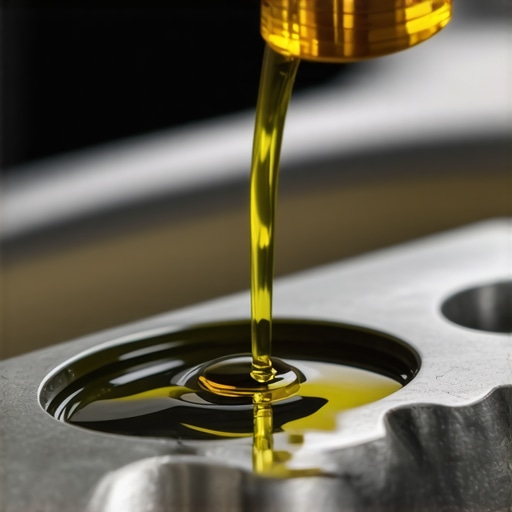
Pull out your dipstick and examine the oil’s color and consistency. Fresh oil should be amber and slightly translucent. If it looks dark, muddy, or gritty, it’s time for a change. A quick visual check can reveal sludge buildup, which standard oil changes often miss—inspect this more at this link.
Test Your Oil’s Viscosity and Condition
Use a synthetic oil tester or have your mechanic measure the oil’s viscosity. Oil that has thinned out may indicate engine wear or contamination, leading to increased friction. Remember, even synthetic oils degrade faster under severe conditions, so check the oil condition rather than rely solely on mileage. Learn about signs of critical engine wear.
Evaluate Oil Filter Effectiveness
Remove and inspect your oil filter. A clogged filter can cause oil starvation, accelerating engine damage. Many car owners mistake a simple replacement for a full filter change; ensure the filter was properly replaced, not just wiped clean. Verify if your filter needs an upgrade at this resource.
Perform a Oil Sample Test for Contaminants
Collect a sample of your engine oil and send it for lab analysis or use a home test kit. This step uncovers metal particles, coolant leaks, or fuel dilution that can silently harm your engine. When I did this, I found tiny metal flakes indicating early wear—prompting a maintenance overhaul before catastrophic failure.
Inspect Spark Plugs and Combustion Conditions
Worn or dirty spark plugs are signs of engine stress often linked to poor oil quality. Remove and examine them; deposits or erosion suggest contamination or overdue maintenance. Proper spark plug condition ensures efficient combustion, reducing engine strain. For more insights, check this article.
Monitor Engine Temperatures and Noise During Operation
Use an infrared thermometer to check your engine’s operating temperature. Higher-than-normal temps can point to oil breakdown or cooling system issues. Also, listen for unusual noises—metallic chatter or knocking could signal sludge accumulation or inadequate lubrication. Pair this with periodic oil analysis for comprehensive oversight.
Schedule Regular ASE Certified Diagnostics
Invest in a diagnostics session with an ASE-certified technician at least once every 6,000 miles. They can perform a detailed engine health assessment, including checking for sludge traps and wear signs you might miss. Regular diagnostics help catch issues early, saving you repair costs later. More on this at this link.
Document and Track Your Findings
Keep a maintenance journal noting oil condition, filter changes, and diagnostics. Tracking these parameters over time reveals patterns—like increasing contamination or worsening viscosity—that call for targeted interventions. Using this data, you can better communicate with your mechanic and advocate for precise repairs.
Take Immediate Action on the Signs of Deterioration
If any tests or inspections indicate your oil is compromised—such as excessive sludge, contamination, or thinning—schedule an immediate flush and replacement. Don’t wait for the dashboard warning light; proactive steps like these preserve engine longevity and prevent costly repairs.Many car owners fall prey to common misconceptions about vehicle service that can lead to costly mistakes. One prevalent myth is that all transmission fluids are created equal, and DIY flushes are sufficient for longevity. In reality, modern transmissions—especially CVTs—require specialized fluids and diagnostic procedures only an ASE-certified technician can properly perform, as highlighted in this detailed guide. Believing that regular oil changes alone guarantee engine health oversimplifies the complex chemistry involved; synthetic oils may degrade faster under severe conditions, requiring advanced testing like viscosity and contaminant analysis to truly assess oil condition, a nuance often overlooked.
Why Do So Many Miss This Key Transmission Warning?
The sneaky trap most drivers miss is ignoring subtle shifts or delays that seem normal but actually indicate deeper issues—like premature clutch wear or fluid breakdown—that require ASE-level diagnostics. Misinterpreting these signs can cause owners to delay necessary repairs, resulting in more extensive damage. For instance, a gearbox droop or shuddering in reverse is often dismissed but can be a crucial symptom pointing toward internal degradation or the need for specialized transmission fluid, which is critical because poor maintenance can accelerate the wear of internal components, as documented in this expert post.
Another frequently misunderstood aspect is that not all oils are suitable for every driving condition. For example, synthetic oils with proper additives can prevent carbon buildup in GDI engines—an issue that many mistakenly believe is inevitable—yet they require specific filters and oil-change intervals, as discussed in this insightful article. Ignoring such nuances can lead to early engine failure despite following conventional service schedules.
Moreover, a blind faith in the so-called “lifetime” fluids can be disastrous. Studies show that even sealed systems benefit from periodic testing and component inspection rather than just assuming these fluids last forever, emphasizing the importance of ASE diagnostics and targeted maintenance. It’s not sufficient to rely solely on dashboard warnings; proactive measurement of oil condition, filter effectiveness, and transmission health can preserve vehicle reliability more reliably than generic interval guidelines.
Finally, don’t overlook the importance of verifying your service provider’s expertise. Falling for quick oil changes at unqualified shops often results in overlooked issues like residual sludge trapping or improper filter installation. An ASE-certified technician will perform detailed diagnostics that can uncover these hidden problems before they escalate, saving you money and extending your vehicle’s lifespan.
Have you ever fallen into this trap? Let me know in the comments. The key takeaway is that genuine quality maintenance involves understanding the intricate nuances of your vehicle’s systems—bivouacking myths with expert diagnostics is your best defense against costly surprises and ensures your ride remains reliable for miles to come.
Tools That Keep Your Engine and Transmission Running Smoothly
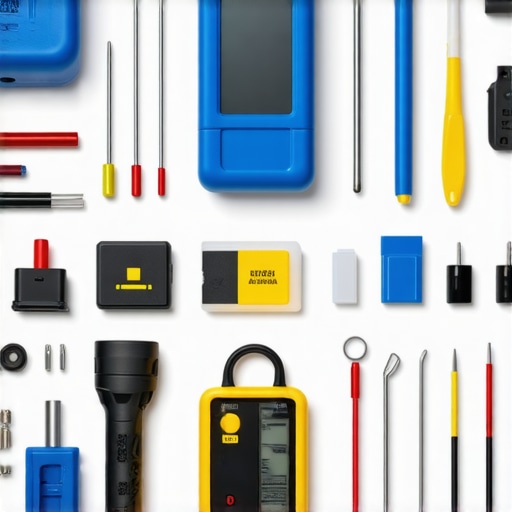
When it comes to proactive vehicle maintenance, having the right tools can make all the difference. Personally, I rely on a combination of high-quality diagnostic equipment and precision testing tools to ensure my car stays in optimal condition. Investing in these instruments not only saves money but also deepens your understanding of your vehicle’s health.
For engine oil analysis, I recommend a digital oil tester like the Testo 270, which provides quick viscosity readings and helps detect oil thinning or contamination early. It’s especially useful after performing oil condition assessments. Similarly, a borescope camera allows me to peer inside engine components through accessible ports, uncovering sludge buildup or wear that standard inspections might miss. This hands-on approach aligns with the best practices for maintaining oil change precision.
When diagnosing transmission issues, I utilize an advanced OBD-II scanner compatible with ASE certification protocols. Devices like the Autel MaxiSys MS909 provide comprehensive data, including transmission fluid temperature, sensor readings, and error codes. Regularly connecting to such diagnostic tools enables me to catch early signs of failure—like the carbon buildup in GDI engines or slipping in CVTs—and perform targeted fixes.
What methods can you use to stay ahead of potential failures?
Beyond tools, establishing a routine of visual inspections and fluid tests ensures long-term reliability. For example, checking your oil’s clarity and viscosity regularly is invaluable, as is sampling transmission fluid for contaminants. In my experience, pairing these practices with diagnostics from an ASE-certified technician maximizes accuracy and longevity.
Looking ahead, I predict that the integration of AI-driven diagnostic systems will revolutionize car maintenance. These systems will analyze sensor data in real time, predicting failures before symptoms even manifest—a game-changer for proactive care.
If you’re ready to elevate your maintenance game, start with investing in a quality OBD-II scanner and an oil testing kit. These tools empower you to detect issues early, saving money and extending your vehicle’s lifespan. Remember, consistent monitoring combined with expert diagnostics forms the backbone of reliable automotive care. For a practical first step, try performing an oil viscosity check after your next oil change—it’s simple and highly informative.
The Hardest Lesson I Learned About car service,transmission,ASE certified,oil change
Trusting a dashboard warning or a quick oil change can lead to overlooking crucial signs. I learned that superficial checks often miss deep-seated engine issues, emphasizing the need for thorough diagnostics by ASE-certified professionals.
3 Myths About car service,transmission,ASE certified,oil change That Held Me Back
Believing synthetic oil lasts forever or that transmission fluid doesn’t need regular testing was a mistake. Busting these myths revealed the importance of condition-based maintenance over fixed intervals.
What Experts Won’t Tell You About car service,transmission,ASE certified,oil change
Most technicians won’t highlight the silent buildup of sludge or the hidden costs of neglecting early signs. Educating myself on these unseen issues has empowered me to take preventive measures.
My Essential Toolkit for car service,transmission,ASE certified,oil change
I rely on a quality OBD-II scanner, a synthetic oil viscosity tester, and a borescope camera—tools that give me real-time insights and help preempt costly repairs, aligning with best maintenance practices.
Books That Changed How I View car service,transmission,ASE certified,oil change
Reading manuals and guides from ASE experts deepened my understanding, especially about differentiating between superficial fixes and genuine repairs needed for longevity.
Where to Go from Here
Continuously learning through trusted resources and practical diagnostics sets me apart from relying solely on a mechanic. Now I proactively monitor my vehicle’s health, reducing downtime and expenses.
Your Turn to Take Charge of Your Car’s Well-being
Understanding the complexities behind oil, transmission, and overall vehicle health offers more confidence in maintenance decisions. Have you ever questioned routine service recommendations? Sharing your experiences might just help others turn their garage into a proactive health hub for their cars.