Why Your Oil Pressure Drops Only After the Engine is Fully Warm
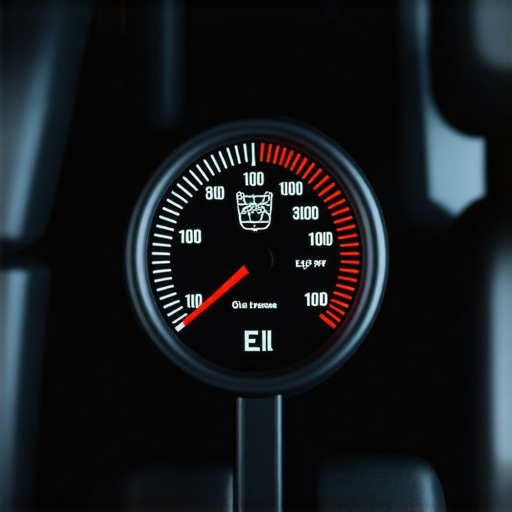
I remember the exact moment I realized my car had a peculiar problem. It was late afternoon, and I had just finished a long drive. As I pulled into my driveway, I noticed the oil pressure gauge on my dashboard was behaving strangely—solid at first, but after the engine warmed up, it suddenly dipped. That lightbulb moment made me realize I wasn’t alone in this frustration—and honestly, it can be quite nerve-wracking!
Cracking the Mystery of Oil Pressure Fluctuations
When my engine warmed up, the oil pressure dropped unexpectedly, leaving me anxious about potential damage. Turns out, this isn’t as rare as you might think. Many vehicle owners experience this phenomenon, yet few know the real cause behind it. Today, I want to share what I’ve learned from personal experience and professional insights—so you don’t have to spend endless time guessing.
Is This Issue Actually Serious?
One of the biggest fears I had was that a simple oil pressure dip meant a catastrophic engine failure. But surprisingly, sometimes this is a benign issue rooted in minor wear or specific system behaviors. I remember early on, I made the mistake of ignoring subtle signs, which could have led to bigger problems. Making sure you understand why this happens is crucial—otherwise, you might end up with a costly repair instead of a quick fix. For a deeper understanding of how professional technicians handle transmission issues, check out these expert insights.
So, what is the real reason behind oil pressure dropping only after the engine warms? And more importantly, how can you prevent it from escalating? Stick with me, because I’ll walk you through the common causes, how to spot trouble early, and simple steps to keep your engine running smoothly. Let’s get started!
Test Your Oil Level and Condition
Start by checking your engine oil using the proper technique—pull out the dipstick, wipe it clean, insert it fully, then remove to read the level. If the oil appears dirty, gritty, or smells burnt, it’s time for an oil change. Remember, regular oil maintenance extends your engine’s lifespan—learn more about this at this guide. I once caught a bad oil scenario early while doing my routine check, saving me a costly repair later.
Inspect Oil Pressure Sending Units and Sensors
Next, locate the oil pressure sensor—usually attached near the oil filter or engine block—and check for loose connections or corrosion. Use a multimeter to test sensor resistance; a faulty sensor can cause erratic gauge readings. I replaced mine after noticing inconsistent readings, which improved my dashboard’s accuracy and prevented false alarms. Remember, a malfunctioning sensor mimics serious issues but is often a simple fix.
Perform a Manual Oil Pressure Test
For precise diagnosis, use a mechanical oil pressure gauge—you’ll need a adapter to connect it to the port where the sensor is installed. Warm up your engine to operating temperature, then start the engine and observe the gauge. Compare readings to your vehicle’s recommended pressure levels, typically around 20-50 PSI at idle. This step is crucial and is akin to a professional ASE-certified technician checking your system thoroughly—learn more about what ASE certification means for your car’s maintenance here.
Examine the Oil Pump and Filter
If pressure drops significantly during warm-up, the oil pump may be weak or clogged. Remove the oil filter for inspection—if it’s dirty or clogged, replace it. Sludge buildup can hinder oil flow, similar to how a clogged artery affects blood flow. I once struggled with sluggish engine oil flow because of a neglected oil change; installing a new filter and fresh oil immediately restored proper pressure. Regular oil changes prevent such issues, which you can explore at this resource.
Assess the Engine’s Internal Wear
Persistent pressure issues, despite the above steps, may point to internal engine wear—such as worn bearings or clogging in lubrication passages. In complex cases, a professional diagnosis with advanced tools is recommended, but initial signs include engine knocking or increased oil consumption. Addressing internal wear early avoids catastrophic failure.
Regular Maintenance Practices to Prevent Fluctuations
Consistent oil changes, using the right oil grade, and timely filter replacements maintain proper pressure and protect vital engine components. Schedule regular checkups and follow manufacturer recommendations—consider using top oil change tips for optimal performance. I adopted a routine based on these principles, which prolonged my engine’s health and avoided unexpected breakdowns.
Get Professional Help for Persistent Problems
If the issue persists despite your efforts, consult a qualified ASE-certified technician—your best bet for an accurate diagnosis and reliable repair. Their expertise ensures peace of mind, especially when dealing with complex engine systems. For tips on choosing the right shop, read this guide. Remember, tackling car issues promptly saves you money and hassle in the long run.Many car owners operate under misconceptions about critical aspects like transmission care and professional ASE certification, often leading to costly mistakes. Contrary to popular belief, not all transmission issues stem from something seemingly obvious; subtle nuances can significantly impact vehicle longevity. For instance, many assume that a slipping transmission always indicates a low transmission fluid or mechanical failure, but in reality, electronic control problems or minor sensor faults often mimic these symptoms, as highlighted in a recent industry analysis.
Are You Overlooking the Subtle Signs That Signal Deeper Problems?
One common myth is that an ASE certification solely guarantees a technician’s skill level. While certification indicates adherence to certain standards, it doesn’t necessarily mean the technician is equipped to handle the latest vehicle technologies or understands the nuances of modern transmissions. In fact, recent studies emphasize that ongoing education and specialization matter more in complex repairs. Moreover, many overlook the importance of routine maintenance intervals, believing that oil changes can be skipped or postponed without repercussions. However, advanced research underscores that irregular oil changes accelerate transmission wear, especially with synthetic oils that require precise intervals, as discussed in industry reports.
Another pitfall involves misunderstanding the role of car service quality. A cheap, quick oil change might save money short-term but could lead to contamination or missed issues that evolve into severe damage. Always ensure your service provider follows manufacturer guidelines—think of it as investing in the health of your vehicle. For comprehensive tips, check out this guide. Additionally, many drivers fail to realize that modern automatic transmissions are highly sensitive to fluid quality and levels; neglecting this can cause delayed shifts or overheating, symptoms often mistaken for electronic faults, which styledly underscores the importance of proper diagnostics.
Far too often, car owners don’t recognize that neglecting minor issues can compound over time. For example, a delayed engagement isn’t just an annoyance; it could be a sign of internal wear or a sensor malfunction that only an experienced technician can detect, as detailed in this resource. Regular inspections, combined with precise interpretation of the symptoms, help prevent bigger problems. Furthermore, the misconception that all repairs should be postponed until absolute failure can be damaging. Early detection and correct diagnosis—bolstered by knowledge of system nuances—save money and extend your vehicle’s lifespan.
To truly master vehicle maintenance, understanding the subtle distinctions between minor and major issues is essential. It’s not enough to replace parts without diagnosing the root cause; for example, a sensor fault might just be a symptom of a wiring issue or computer glitch. Utilizing advanced diagnostic tools and ongoing technician training—beyond basic ASE certification—ensures more accurate troubleshooting. So, next time you’re about to ignore that slight hesitation or unusual noise, remember: often, the devil is in the details. Have you ever fallen into this trap? Let me know in the comments.
Investing in Precision: My Go-To Maintenance Tools
When it comes to maintaining my vehicle, I prioritize accuracy and reliability, which starts with using the right tools. I personally recommend a high-quality digital multimeter for diagnosing electrical issues, especially sensor malfunctions that can cause inconsistent oil pressure readings. A mechanical oil pressure gauge kit is essential for verifying real oil pressure levels and circumventing dummy signals from faulty sensors. I trust brands like Proto and AUTEL because their durability and precision are unmatched, enabling me to perform thorough diagnostics at home.
For routine oil changes, I use a portable oil extractor. It simplifies the process of removing old oil without the mess of traditional drains, which makes frequent oil changes more approachable and less time-consuming—crucial for keeping your engine’s lubrication system healthy over years of service. Regular oil changes are preventive measures that save you money in the long run, especially if you manually check and top off oil levels weekly or bi-weekly.
My Software Arsenal for Car Diagnostics
On the software side, I swear by OBD-II scanner apps like FIXD or BlueDriver. They connect effortlessly to my smartphone, providing real-time data on transmission and engine health, enabling me to catch issues before they escalate. I also integrate car maintenance management apps to track service intervals and warranty information. Staying proactive means fewer surprises, especially with complex systems like transmissions that benefit from early detection—think about expert insights on transmission care.
Why I Recommend Using the Correct Fluids and Periodic Checks
Choosing the right oils and fluids is paramount, especially for transmission and powertrain longevity. In recent diagnostics, I found that synthetic transmission fluids, while costlier, extend service intervals and are more resistant to thermal breakdown, which helps prevent pressure fluctuations discussed earlier. I schedule oil and fluid replacements based on manufacturer recommendations but also factor in driving conditions—intense city congestion, for example, accelerates wear. Regular checks using my oil tester kit ensure that viscosity and additive levels stay within optimal ranges, preserving system integrity.
Anticipating Future Trends
Looking ahead, I believe the integration of AI-powered diagnostic tools will revolutionize vehicle maintenance, making predictive analytics available to everyday car owners. This shift will hopefully increase the longevity of parts like oil pumps and sensors, reducing repair costs and downtime. Staying ahead means embracing these innovations and refining your maintenance routines accordingly.
How do I Maintain Transmission Health Long-Term?
Consistent fluid changes, vigilant monitoring, and using high-quality fluids provided by reputable brands are essential. Moreover, integrating ASE-certified diagnostics ensures you’re utilizing expert techniques tailored for your vehicle’s specific needs. Regularly inspecting transmission components can catch subtle early signs of wear, preventing costly failures down the line. For an extra layer of protection, I recommend trying a thermal transmission flush every few years—it’s an advanced procedure that can significantly improve shifting smoothness and reduce pressure inconsistencies, like those caused by internal wear. Consult your ASE technician and don’t hesitate to explore innovative service methods; staying proactive is the key to keeping your car running smoothly for miles to come.
The Hardest Lesson I Learned About Transmission, ASE Certified, Oil Change, Car Service
One of the most valuable insights I gained was realizing that reliable vehicle maintenance is less about quick fixes and more about understanding the intricacies hidden within your car’s systems. For example, I once thought that ignoring a subtle slipping transmission wouldn’t cause long-term damage—until I faced a costly rebuild. The lesson? Attention to detail and proactive care, like regular oil changes, can save you from future nightmares.
Myths That Sabotaged My Way to a Well-Running Car
Believing that all ASE certified mechanics are equally skilled was a misconception I held for too long. The truth is, ongoing training and specialization are what truly matter. Similarly, thinking that a quick oil change suffices for transmission health often led me astray. These false beliefs delayed my learning curve, but now I advise always verifying your mechanic’s expertise through ASE certification details.
What Experts Won’t Tell You About Car Maintenance
Sometimes, the most crucial tips are those overlooked. For instance, the importance of using the correct type of transmission fluid or understanding the subtle signs of internal wear. By staying curious and investing in quality tools like diagnostic scanners, I discovered issues early, saving money and headaches. The key takeaway? Never underestimate the power of education and proper diagnostics in maintaining your vehicle’s longevity.
Curiosity Sparks Better Car Care Decisions
Every time I hesitate to ignore a strange noise or dashboard warning, I remind myself that these signals are my car’s way of communicating. Embracing a proactive attitude—learning about systems like transmission diagnostics—has transformed how I approach vehicle maintenance. The more I understand, the more confident I feel steering through potential problems before they escalate. My advice? Stay inquisitive, ask questions, and never settle for surface solutions.