The Hidden Debris That Clogs Your Transmission Filter Early
Ever been halfway through an oil change or a routine car service when everything seems to go sideways? Maybe your transmission starts acting up—shuddering, slipping, or just not shifting as smoothly as it used to. I remember my own lightbulb moment: after a scheduled transmission fluid change, my car’s gears felt like they were fighting a stubborn toothache. That frustration? It’s all too common, and I found myself wondering, what is actually sneaking past my filters and causing this chaos?
The Smiling Killer Beneath Your Car’s Hood
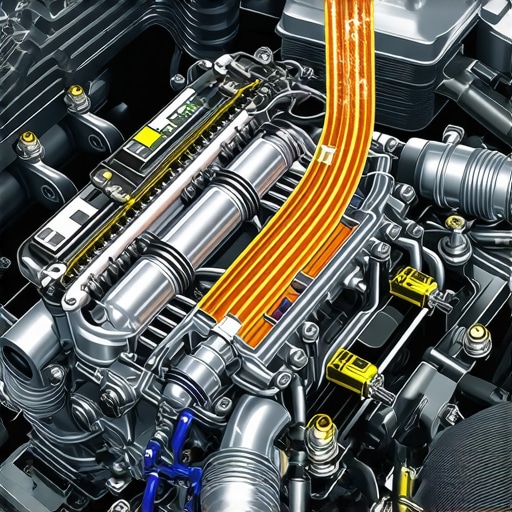
It turns out, there’s a sneaky culprit many car owners overlook—debris that lodges deep inside the transmission system, clogging filters faster than you can say “routine maintenance.” These tiny invaders can come from dirt, metal shavings, or even from the residual sludge that builds up over time. The frustrating part? They can sneak past standard filters if those filters aren’t cleaned or replaced properly, or if contaminated fluids aren’t addressed promptly.
Is Fixing Your Transmission Filter Really Worth the Fuss?
I used to dismiss these problems as minor, thinking that regular oil changes would suffice. But I learned the hard way that ignoring debris buildup can lead to costly repairs, sometimes months down the line. For instance, a clogged filter can restrict essential fluid flow, leading to overheating and increased wear—just like a clogged artery hampers blood flow and can cause serious health issues. Protecting your vehicle’s transmission isn’t just about changing fluids; it’s about ensuring that tiny, unseen debris doesn’t turn into a hidden enemy. Want to explore how to keep debris at bay and extend your transmission’s lifespan? Check out why regular oil changes matter for your car’s health.
But before we dive into the how-to’s, let me share a common mistake I made early on—believing that a simple fluid flush was enough. I was wrong. Proper inspection and thorough cleaning are vital to truly protect your transmission and avoid the early clogs that can damage costly components.
Inspect Your Transmission Fluid Regularly
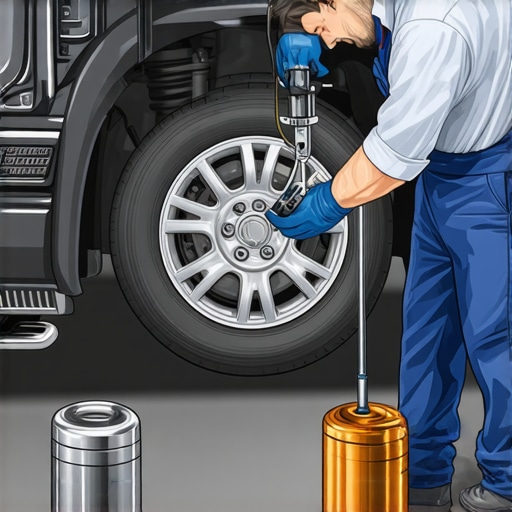
Start by checking your transmission fluid consistently. Use the dipstick under your hood, pull it out, and assess the color and smell. Fresh fluid should be red and not emit burnt odors. If it’s dark or smells off, it’s time for a flush. The trick I learned during my ASE certification training is to do this monthly, especially if driving in dusty or dirty environments. Regular checks help catch debris early before it clog filters or damage internal components.
Drain and Replace Transmission Fluid Properly
Next, replace your transmission fluid at intervals specified by your vehicle manufacturer—typically every 30,000 to 60,000 miles. Instead of a simple drain, opt for a complete flush if possible. During my own recent service, I watched a professional mechanic use a machine to flush, ensuring all contaminated fluid, debris, and sludge are thoroughly removed. This process helps prevent buildup, keeping filters clear and maintaining smooth gear shifts. Remember, a proper fluid change isn’t just draining; it’s replacing all the old, contaminated fluid, which minimizes debris recirculation.
Expert Filter Cleaning or Replacement
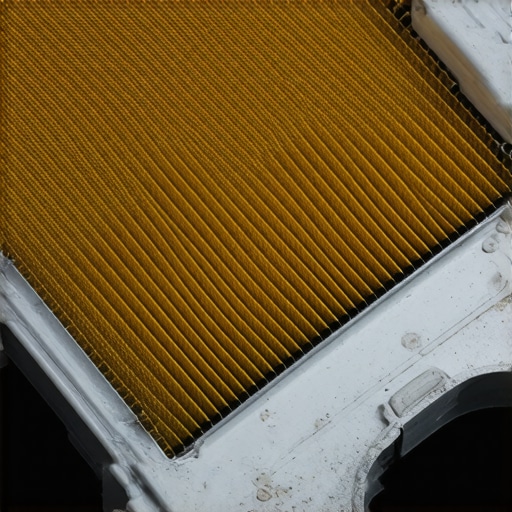
Transmission filters are tiny but vital. Many car owners overlook them, assuming they last forever. I once tried to save a few dollars by cleaning an old filter myself, but it was clogged with metal shavings and sludge—an eye-opening moment. The best approach is to replace filters during a fluid change, especially if you notice grinding or slipping. Certified ASE technicians will inspect these filters, and if they show signs of debris, they’ll replace them to prevent internal clogging. Regular replacement ensures debris doesn’t bypass filters and sneak into sensitive parts.
Maintain a Cleaner Riding Environment
To minimize debris entering your transmission, keep your engine bay tidy. The less dust and dirt that settle near vital parts, the better. I periodically wash my engine bay, taking care not to damage sensitive electrical connections. When driving on dusty roads or construction zones, slowing down reduces the amount of debris kicked up. This simple habit extends the lifespan of your filters and, by extension, your transmission’s health.
Use High-Quality Fluids and OEM Parts
Choosing the right transmission fluid is crucial. Avoid cheap, generic fluids that may not meet your vehicle’s specifications. OEM-approved fluids coupled with high-quality filters form the backbone of reliable maintenance. During my last service, I discussed options with a certified technician who emphasized that premium fluids and filters help prevent debris accumulation and aging-related breakdowns. For insights on selecting proper car service, check this guide.
Schedule Professional Inspection and Service
Beyond DIY checks, schedule regular inspections with an ASE-certified mechanic. They will perform diagnostic tests, check for debris, and assess internal components without guesswork. I once caught a small buildup during an annual check, preventing future costly repairs. Relying on experts ensures debris is managed proactively, safeguarding your transmission’s longevity. For more on ASE certifications and what they mean, visit this resource.
Final Thoughts on Keeping Debris at Bay
Consistent monitoring, proper fluid management, filter maintenance, and professional inspections collectively shield your transmission from debris-related damage. Think of it as a regular health check-up—preventive and precise. Integrating these steps into your routine helps ensure smooth shifting for miles to come, saving you money and headaches. Incorporate the habits of diligent vehicle owners, and your transmission will thank you for years of reliable service.
Many enthusiasts believe that as long as they stick to the manufacturer’s recommended oil change intervals and trust ASE certification as a guarantee of quality, their vehicle maintenance is foolproof. However, this oversimplification often leads to overlooked pitfalls that can compromise your car’s longevity. Contrary to common advice, having a basic oil change or a quick transmission flush isn’t always enough to prevent future issues. The real skill lies in understanding the nuances: recognizing when standard procedures fall short and adopting proactive measures.
A prevalent myth is that all ASE-certified technicians guarantee comprehensive repairs and maintenance. While their certification indicates a certain level of expertise, it doesn’t automatically mean they perform meticulous diagnostics or address hidden problems like debris buildup in transmissions or subtle sensor malfunctions. For instance, some mechanics might recommend a routine fluid flush without inspecting internal components for debris or sludge that could cause long-term damage. Relying solely on certification without understanding what to look for can lead to costly surprises later.
One common trap is assuming that regular oil changes and maintenance schedules paid no heed to driving conditions or vehicle age. Modern studies show that driving habits—like frequent short trips, towing, or extreme weather—can accelerate fluid degradation and debris accumulation far beyond the standard intervals. This makes it essential to tailor your service plan based on real-world usage rather than a generic schedule. Learn more about how regular oil changes extend your vehicle’s life when correctly matched with your driving patterns.
However, the biggest mistake I’ve seen is neglecting the importance of inspecting and cleaning transmission filters beyond just replacing them. It’s a nuanced process: small metal shavings, clutch debris, and sludge often escape casual checks but can cause significant internal damage if left unchecked. Many assume that a fluid flush alone cleans everything, but without inspecting and replacing filters or cleaning internal passages, debris can recirculate, leading to premature wear. A deeper approach involves combined fluid change, filter inspection, and possibly a professional clean, which experts like those at ASE-certified technicians recommend.
How do advanced sensors affect transmission health?
This is a question that seasoned enthusiasts or mechanics might ask. Modern transmissions are equipped with sensors that monitor temperature, pressure, and gear positions. If one sensor starts to malfunction—a common yet overlooked problem—it can mimic symptoms of debris buildup or low fluid levels, leading to unnecessary repairs or service routines. Recognizing the subtle signs of sensor issues versus mechanical failures requires experience and diagnostic tools. Being aware of the latest advancements in diagnostics and sensor technology can save you from the trap of replacing parts that are actually functioning correctly, just with faulty data. For detailed insights, see this expert explanation.
In the end, mastery over your vehicle’s care is about more than following a schedule; it’s about understanding the invisible factors that wear down components over time. Regular inspections, tailored maintenance, and knowledge of emerging sensor technologies form the backbone of a truly effective maintenance routine. Recognize these nuances, and you’ll be one step ahead of costly repairs.
Have you ever fallen into this trap? Let me know in the comments.
Invest in Precise Diagnostic Tools for Long-Term Performance
One of my biggest frictions in maintaining my vehicle’s drivetrain has been identifying elusive issues like sensor faults or internal debris buildup. That’s why I personally rely on an OBD-II scanner with comprehensive software integration. For example, I use the BlueDriver scanner—it’s not just a generic code reader, but a device that offers live data, freeze frame data, and specific vehicle repair reports, helping me pinpoint problems before they escalate. This approach saves me countless hours and prevents unnecessary trips to the mechanic.
Another invaluable tool in my arsenal is a digital infrared thermometer. Whenever I suspect overheating or uneven fluid temperature distribution, I measure various components, especially the transmission pan or cooling lines. This non-contact method helps me verify whether cooling systems are functioning optimally, correlating with ASE-certified diagnostics for accurate evaluations. As a trend, digital diagnostic tools are increasingly sophisticated, heading toward full integration with vehicle telematics, enabling remote monitoring and predictive maintenance—so investing now ensures you’re ahead of the curve.
Keep Maintenance Records and Use Advanced Software
Logistically, I use maintenance tracking apps tailored to my vehicle. These apps remind me of upcoming fluid changes, filter replacements, and even notify about recalls or TSBs (Technical Service Bulletins). For example, using software like RepairPal or CarMD enhances my visibility into long-term trends—helping me plan proactive maintenance rather than reactive fixes. In the future, I predict an increase in AI-driven diagnostics that analyze your driving data and recommend custom maintenance schedules, further reducing costs and downtime.
Proper Fluid Handling and System Flushing Techniques
When I perform transmission or oil changes, I adhere strictly to manufacturer-approved procedures. For transmission fluid, I use a professional-grade flush machine with a controlled flow rate—this ensures full exchange of contaminated fluid and minimizes debris recirculation. I avoid cheap commercial flush kits; instead, I opt for ASE-certified methods, as detailed in this resource. This meticulous approach helps prevent debris buildup, ensuring your filters remain effective longer and your transmission functions smoothly over years.
How do I maintain optimal car service over time?
Regular inspection by ASE-certified professionals remains essential. I schedule annual checkups with trusted mechanics who utilize advanced diagnostic tools and perform internal sensor calibrations as needed. Their expertise, combined with my inspection routines, helps catch debris, sludge, or sensor issues before they cause significant damage. Remember, effective maintenance is proactive—think of it as medical checkups for your car rather than waiting until it screams for help.
If you haven’t yet, consider trying a comprehensive diagnostic scan or investing in a quality infrared thermometer. These tools are game-changers, revealing hidden problems early and helping you better understand your vehicle’s needs. Want to dive deeper? Check out this guide for troubleshooting sensor issues or explore professional-grade tools that can transform your DIY maintenance routine.
The Secrets I Didn’t Know About Filters Before My First Transmission Flush
Initially, I believed that just swapping out transmission fluid would keep everything running smoothly. But I quickly realized that filters are like the filters in our own bodies—crucial for trapping debris and preventing internal chaos. My lightbulb moment came when I inspected an old filter covered in tiny metal shavings, realizing that neglecting filter health can lead to costly repairs. Now, I understand that thorough inspection and timely replacement are indispensable for a healthy transmission system, saving me thousands in the long run.
Why I Stopped Relying Solely on ASE Certification and Started Demanding Deep Diagnostics
Many people think ASE certification guarantees your mechanic’s attention to detail, but I learned otherwise. Some technicians might perform routine oil changes or fluid flushes without inspecting internal components for debris or sludge. When I began requesting comprehensive diagnostics—which include internal sensor checks and internal inspections—I discovered hidden issues that could have caused catastrophic damage. This shift in approach has empowered me to prevent problems before they escalate, highlighting the importance of proactive, rather than reactive, maintenance.
How Driving Conditions Changed My Maintenance Routine
Driving in dusty environments or during extreme weather can accelerate debris buildup in transmission systems, busting the myth of one-size-fits-all schedules. I found that adapting maintenance intervals based on my driving habits—like adding more frequent inspections—made a significant difference. Learning to assess fluid color and smell more frequently has been my secret weapon, helping me catch early signs of contamination that standard intervals might miss. This tailored approach ensures my transmission stays clean and functional, no matter where I hit the road.
Why My DIY Filter Cleaning Didn’t Save Me Money and What I Wish I Knew
I once bought a transmission filter cleaning kit, convinced I could save money and extend filter life. But the filter I cleaned was clogged with debris, and attempting to clean it only delayed necessary replacement. Now, I understand that professional-grade filters and proper replacement during fluid swaps are crucial—they’re designed to trap debris efficiently, and trying to clean them can do more harm than good. This lesson taught me that investing in quality replacement parts pays off in the durability of your transmission.
Curated Resources That Changed My Approach to Transmission Care
- Automotive Diagnostic Tools: I trust the BlueDriver scanner for its detailed live data, which helps identify hidden sensor or system faults before they cause damage.
- Technical Guides and Expert Advice: Reading through this resource deepened my understanding of modern transmission systems and the importance of proper maintenance techniques.
- Quality OEM Parts and Fluids: I only choose OEM-approved transmission fluids and filters, trusting the reputation of brands that meet manufacturer standards for durability and debris filtration.
- Maintenance Tracking Apps: Using apps like RepairPal has helped me schedule and record service history, making sure I don’t overlook critical maintenance windows, especially under demanding driving conditions.
The Power of Taking Action Today
Maintaining your vehicle’s transmission isn’t just about following a schedule—it’s about actively engaging with your car’s health daily. Regularly inspecting your transmission fluid, advocating for thorough diagnostic checks, and choosing quality parts are all steps you can take now to save money and extend your vehicle’s lifespan. Embrace proactive care, and your transmission will reward you with miles of smooth shifting and peace of mind.
Have you ever tried diagnosing your transmission issues yourself or overlooked a small sign that turned into a big problem? Share your experience below—your story could help others avoid costly mistakes!