The danger of driving with a cracked serpentine belt
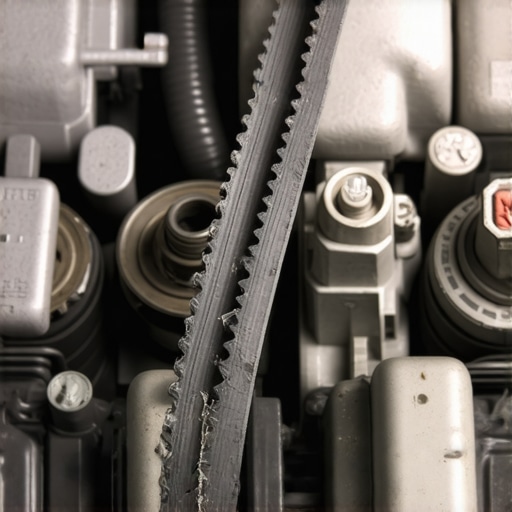
I vividly remember the moment I realized my car was making strange noises during a routine drive. It was a chilly morning, and as I pulled out of my driveway, I felt a sudden shudder—like the engine was protesting. Turns out, the serpentine belt had developed a noticeable crack overnight. That lightbulb moment made me stop and think: how many drivers overlook this tiny crack, dismissing it as no big deal? Yet, ignoring a cracked serpentine belt can lead to catastrophic engine failure. So today, I want to share how you can prevent ending up stranded — because trust me, I’ve been there, and it’s not a mistake you want to make.
Understanding the Hidden Danger of a Cracked Serpentine Belt
The serpentine belt is a vital component that drives multiple accessories such as the alternator, power steering pump, and air conditioning compressor. When it gets cracked or frayed, it’s like a ticking time bomb. I learned this the hard way early on when I avoided replacing a small crack, thinking it was harmless. That mistake nearly cost me thousands in repairs because, eventually, the belt snapped, leaving me stranded and vulnerable to engine overheating. I now recommend regularly inspecting your belt and knowing what signs to look for — an approach I detail on top oil change tips.
Is It Really Worth Worrying About a Tiny Crack?
Initially, I thought a crack was just cosmetic. Maybe a sign to keep an eye on, but nothing urgent. But according to automotive experts, even small cracks can expand rapidly under the stress of everyday driving — especially in extreme weather conditions or if your engine is under heavy load. The National Institute for Automotive Service Excellence (ASE) emphasizes that cracked belts are a precursor to breakage, risking engine damage and costly repairs. That’s why timely replacement is crucial, something you can easily learn more about at what ASE certification means.
Performing a Precise Oil Change
Start by warming up your engine for a few minutes, which allows the oil to drain more completely, reducing dirt and debris. Then, safely lift your vehicle using jack stands or a hydraulic lift, ensuring stability—think of it like a surgeon preparing their operating table. Remove the drain plug carefully, letting the old oil flow into a container, and avoid over-tightening the plug afterward to prevent leaks, as discussed in the danger of over-tightening. Use a high-quality filter, and install it properly to prevent future leaks or clogs.
Checking and Replacing Transmission Fluid
Locate the transmission dipstick, usually marked clearly under the hood. With the engine running, pull out the dipstick, wipe it clean, then dip it back in to read the fluid level—think of it as your car’s blood pressure test. If the fluid is dark or smells burnt, it’s time for a change, which can be critical for smooth shifting. Follow the specific procedures for your vehicle, as described in transmission troubleshooting tips. Properly dispose of the old fluid and refill with the recommended type and quantity, ensuring your transmission performs reliably.
Identifying and Choosing a Certified Car Service
Look for an ASE-certified technician, indicated by their certification badges—this is like a badge of honor in the auto repair industry, guaranteeing expertise. To verify, ask for proof or consult the ASE certification explanation. When scheduling service, specify your vehicle’s needs and verify that the shop uses genuine parts and up-to-date diagnostic tools. This strategic approach ensures thorough care and extends your vehicle’s lifespan, as highlighted in regular oil change benefits.
Using Proper Tools for Accurate Diagnostics
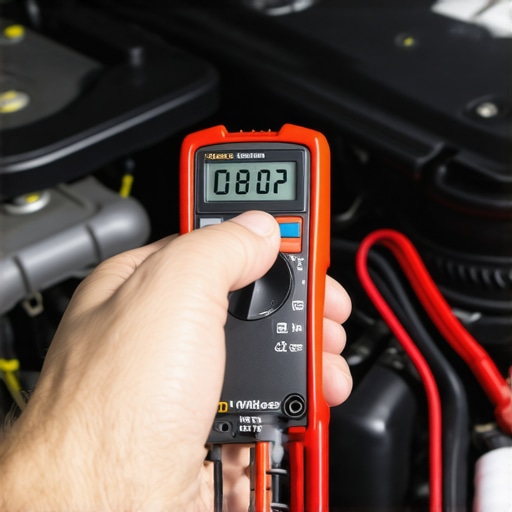
Equip yourself with a reliable multimeter for electrical checks, like testing the alternator’s output to avoid unexpected breakdowns. Accurate diagnostics prevent unnecessary part replacements and save money, especially when dealing with complex systems like the transmission or engine controls. Remember, a well-maintained car is like a well-oiled machine—every component must work in harmony, which is why understanding the tools and techniques is essential instead of relying solely on guesswork, as explained in fuel injector diagnostics.
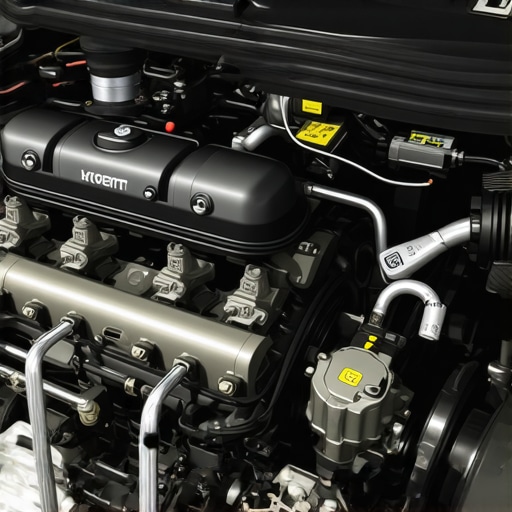
Many vehicle owners operate under misconceptions that can lead to costly mistakes. One prevalent myth is that all oil changes are created equal, yet the type of oil and the interval used can significantly impact engine longevity. Contrary to popular belief, relying solely on mileage or time intervals without considering your driving habits can accelerate engine wear. Additionally, there’s a misconception that transmission fluid doesn’t need regular inspection; however, its condition directly affects shifting smoothness and transmission health. Ensuring only certified technicians handle your service is often overlooked, but their specialized knowledge reduces the risk of oversight and further damage. A common trap is trusting cheap, quick oil changes at unverified shops, which may skip essential steps like proper filter installation or torque specifications. For example, over-tightening your drain plug can cause leaks or strip threads—this simple mistake underscores the importance of proper technique. Advanced car owners should ask: “How do different driving conditions affect fluid degradation and service schedules?” Studies confirm that severe conditions like stop-and-go traffic or extreme temperatures necessitate more frequent maintenance, emphasizing personalized schedules rather than generic advice. Don’t forget that a technician with ASE certification has undergone rigorous testing; their expertise is backed by industry-recognized standards. Avoid the misconception that certifications are useless; instead, verify your mechanic’s credentials through reliable resources. Regularly inspecting your vehicle’s fluids and trusting qualified professionals can save thousands in repairs and extend your car’s life. Want to sharpen your maintenance routine? Check out top oil change tips or learn more about what ASE certification really means. Have you ever fallen into this trap? Let me know in the comments.Maintaining your vehicle over time requires more than just routine oil changes and visual inspections; it demands a strategic approach with reliable tools and proven methods. As an automotive enthusiast and ASE-certified technician, I’ve accumulated a toolkit that I trust for precision and efficiency in diagnosing and servicing cars. One indispensable item is a high-quality digital multimeter. I personally use the Fluke 87V, which provides accurate readings of electrical components, ensuring the alternator, sensors, and wiring are in optimal condition—preventing unexpected breakdowns. For fluid analysis, I recommend a refractometer, which allows me to quickly assess oil and coolant purity without sending samples to labs. This practice helps extend the lifespan of vital fluids, saving money in the long run. When it comes to transmission service, I rely on a dedicated transmission flush machine like the OPTEKA High-Flow, which ensures thorough cleaning of the system and prevents premature wear. Incorporating these tools into my routine has significantly improved my ability to catch issues early.
Looking ahead, I predict that diagnostic technology will become even more integrated with vehicle system updates, making remote diagnostics the norm. Staying ahead means investing in advanced software and hardware, like OBD-II scanners with bi-directional capabilities, which I frequently use for real-time monitoring during tune-ups or repairs. These tools help me diagnose complex problems quickly, reducing downtime and ensuring the vehicle operates smoothly for years.
**How do I maintain transmission health over time?** Regular fluid checks with a dipstick or digital analyzer, combined with scheduled flushes using professional-grade equipment, are key. Don’t neglect the transmission filter either; many overlook its role in preventing debris from circulating—a mistake that can lead to costly repairs. When selecting a car service shop, ensure they employ ASE-certified technicians and the latest diagnostic tools. Their expertise guarantees that your vehicle receives thorough, correct maintenance without shortcuts.
For car owners committed to long-term reliability, mastering the use of these specific tools and techniques makes all the difference. I encourage you to try out a high-quality transmission flush or conduct a fluid analysis with a refractometer—it’s simple, effective, and can save you from unexpected breakdowns. Want more advanced maintenance tips? Visit our [top oil change tips](https://autofixclinic.com/top-oil-change-tips-for-safe-driving-in-2025), or learn what an [ASE certification really means](https://autofixclinic.com/what-does-an-ase-certification-mean-for-your-cars-maintenance). Keep your vehicle running smoothly and confidently—your future self will thank you.
What I Wish I Knew Before Ignoring Small Signs
One of the most valuable lessons I learned is that tiny cracks or minor leaks are often canaries in the coal mine. Overlooking subtle signs can lead to big problems down the line, like costly transmission repairs or engine failures. Trust your instincts and pay attention to the details that seem insignificant at first—these are often your best indicators of upcoming issues.
Why Certifying Expertise Saved My Wallet and My Time
Discovering the importance of seeking ASE-certified technicians transformed how I approach vehicle service. They are trained to spot problems early, perform precise diagnostics, and suggest the right maintenance schedule—saving me money and peace of mind. Never underestimate the power of certified expertise; it’s an investment, not an expense.
How a Small Tool Can Reveal Big Problems
Using a simple multimeter or a refractometer changed the game for me. These tools provided immediate insights into my car’s health, uncovering issues that might have gone unnoticed and prevented major failures. Incorporating these tools into regular inspections is a game-changer—especially for those committed to proactive care.
Curated Resources for the Inquisitive Car Owner
Over the years, I’ve collected some tools and resources that I trust. For example, top oil change tips have helped me optimize my maintenance routine, and understanding what ASE certification means ensures I trust my mechanic’s expertise. These trusted sources keep me confident in the decisions I make about my vehicle.
Every Drive is a Lesson—Are You Listening?
Remember, your car communicates with you—whether through unusual noises, warning lights, or subtle performance changes. Paying close attention and arming yourself with the right knowledge and tools will empower you to keep your vehicle reliable for years to come. So, what signs have you ignored in the past that turned into costly lessons? Drop your story below and let’s learn together.