How to rescue paint from dried bird droppings without scratching
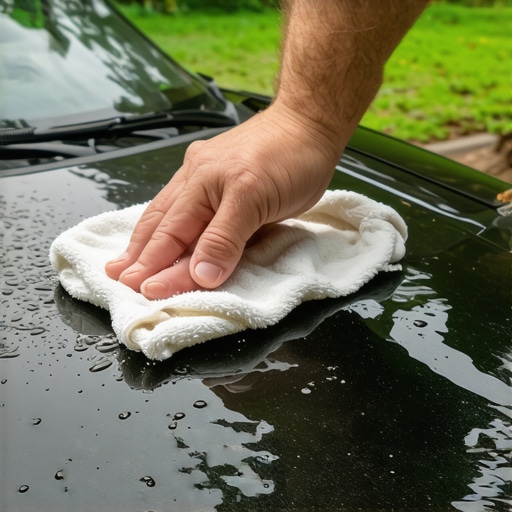
One morning, as I was preparing for an important appointment, I glanced out the window and noticed a fresh bird dropping splattered across my car’s gleaming hood. Excited to be on my way, I grabbed the supplies I thought were sufficient — but in my haste, I rubbed harshly, thinking I could wipe it off quickly. Suddenly, I saw fine scratches appear, marring the shiny surface I had spent hours polishing. That lightbulb moment hit me hard: I had destroyed my paint more effectively than the bird ever could. If you’ve ever faced this frustration, you’re not alone. Dried bird droppings are incredibly stubborn and can damage your vehicle’s finish if not handled correctly. Today, I promise to share proven techniques on how to safely rescue your car’s paint from those tricky spots without scratching. Once you learn the right approach, you’ll save time, money, and preserve that glossy look you love.
Why Saving Your Car Paint Matters More Than You Think
Your car isn’t just a machine; it’s a reflection of your care and pride. Left unchecked, bird droppings can eat through the clear coat, leading to dull spots, stains, and even more costly repairs down the line. Plus, scratches compromise your paint’s protective barrier, making your vehicle vulnerable to rust and corrosion. Interestingly, according to auto paint specialists, bird droppings can be acidic enough to damage your car’s surface within hours if not removed properly. That means procrastinating on cleaning them could cost you more than just aesthetic appeal — it could impact your car’s longevity. I learned this lesson the hard way early in my car-care journey, making the mistake of using abrasive cloths that only worsened the problem. So, if you’re tired of costly fixes and want to keep your vehicle looking pristine, understanding how to deal with dried bird droppings safely is essential.
Is It Really Worth the Effort? My Early Mistake That Taught Me the Hard Way
When I first started caring for my car with genuine enthusiasm, I assumed all cleaning was straightforward. I thought scrubbing harder would remove stubborn spots faster. Tragically, that’s when I learned otherwise. I caused micro scratches that looked like tiny spiderwebs under the sunlight. Not only was my effort ineffective, but it also set me back weeks in my detailing goals. That mistake made me realize I needed better techniques and the right products. If you’ve ever used dish soap or rough cloths on your paint, you know what I mean — it’s a common mistake but one that can have lasting consequences. The good news? With a little patience and knowledge, you can rescue your car’s paint without causing harm. Keep reading, and I’ll guide you through the safest and most effective methods to handle this common annoyance.
Prepare Your Workspace and Gather Your Tools
Before diving into oil changes or transmission checks, ensure you have a clean, flat workspace with good lighting. Gather essential tools: a jack, jack stands, socket wrench, oil catch pan, new oil filter, gloves, and rags. Think of it as preparing a kitchen for a gourmet recipe—organization is key. I once attempted an oil change in a cluttered driveway, which led to spills and lost time. Organizing your tools saves frustration and prevents accidents.
Drain Old Oil Safely and Efficiently
Position your vehicle on level ground, loosen the drain plug with a socket wrench, and let the oil flow into the catch pan. Use gloves to avoid skin contact with hot oil. Remember, oil systems are like the bloodstream of your car—don’t rush this step. When I did mine, I cracked the drain plug because I didn’t measure torque; now, I always consult the vehicle’s manual or reliable resources like oil change tips to get it right.
Positioning and Measuring for the Perfect Oil Drain
Use a jack to lift the vehicle securely, placing jack stands under the frame. Use a funnel to guide the oil safely into a container. This prevents spills that could harm your environment and reduce cleanup time. Once the oil is drained, replace the drain plug, tightening it to manufacturer specifications to prevent leaks, which can lead to costly engine damage.
Replace Oil Filter with Precision
Remove the old filter using an oil filter wrench—be cautious, as residual oil may spill. Lightly lubricate the rubber gasket of the new filter with fresh oil, then screw it in by hand, followed by tightening with the wrench. This step is crucial: a loose filter can cause leaks, while over-tightening risks stripping threads. I once learned this the hard way when my engine started to smoke—it was a misdiagnosed filter issue.
Refill with Quality Oil and Check for Leaks
Pour new oil through the funnel, using the amount specified in your vehicle’s manual. Start the engine and let it run for a few minutes to circulate the oil. Turn off the engine and inspect around the filter and drain plug for leaks. Use a rag to wipe away any drips. Monitoring the oil level with the dipstick, add more if needed, making sure it’s within the recommended range. Regularly referencing oil change guides keeps your engine in prime condition.
Address Transmission and Brake System Checks
Think of your transmission like the gears in a bicycle—smooth shifting depends on proper fluid and mechanical health. For automatic transmissions, check the transmission fluid level and color using the dipstick—if it’s dark or smells burnt, it’s time for a flush. For manual gearboxes, listen for grinding sounds or difficulty shifting, which indicate internal wear. When I noticed gear shifts becoming stiff, I referred to expert insights to confirm the need for servicing. Similarly, brake system tests involve inspecting rotors for warping or uneven wear and checking brake fluid for contamination. Remember, your brakes are your primary safety feature, much like your car’s nervous system coordinates all movements.
Consult Certified Professionals When in Doubt
While DIY fixes are rewarding, some issues require expert intervention. Certified technicians with ASE certification undergo rigorous training—think of it as earning a black belt in car care. They can diagnose problems like subtle transmission issues or engine misfires that aren’t obvious. For peace of mind, schedule a consultation through our contact page. Proper maintenance not only extends your vehicle’s lifespan but also ensures safety and reliability on every trip.
While most car owners recognize the importance of regular maintenance, there’s a surprising amount of nuance and common myths that can lead you astray if you’re not careful. For instance, many believe that changing the oil every 3,000 miles is an absolute rule, but modern oils and engines often allow for longer intervals—sometimes up to 7,500 or even 10,000 miles—when using high-quality synthetic oils. Relying solely on mileage without considering driving habits and environment can actually do more harm than good.
Are Your Oil Change Intervals Too Conservative or Too Lazy?
Experts like those at AutoFix Clinic emphasize that extending oil change intervals without understanding your specific vehicle and conditions can lead to sludge buildup, engine wear, and ultimately, costly repairs. This is especially true in stop-and-go city driving or extreme temperatures, which accelerate oil degradation. The key is tailoring your maintenance schedule—blindly following the 3,000-mile rule can sometimes cause premature oil changes, wasting money, but neglecting needed changes can also damage your engine over time.
Another prevalent misconception involves transmission care. Many owners think that adding a stabilizer or synthetic additive can ‘fix’ slipping gears or shifting issues. In reality, such quick fixes mask deeper problems like worn clutch packs or internal sensors. Moreover, neglecting proper fluid maintenance—like overlooking the importance of using the correct transmission fluid type—can lead to overheating and transmission failure. Check out expert insights on transmission troubleshooting for a comprehensive understanding.
People often assume that all ASE certifications are equal or automatically guarantee a mechanic’s expertise. However, the abbreviation ‘ASE’ covers various specialties, from brakes to engine performance, and not all certifications are fresh or relevant to your specific issue. An ASE Master Technician has passed multiple exams across different areas, but even then, practical experience and ongoing training are vital. I recommend probing a technician’s recent work and continuing education—don’t hesitate to ask for proof of skills or look for reviews. Remember, as outlined in this guide, ASE certification is a mark of dedication but not a guarantee of perfection.
Consider the notion that DIY car maintenance always saves money—it’s a tempting idea, but it can hide pitfalls. For example, forgetting to tighten the oil drain plug to manufacturer specs can cause leaks or even engine damage. Similarly, using the wrong transmission fluid or neglecting to reset transmission control modules post-service can lead to shifting issues.  Knowing these nuances helps you avoid common oops and ensures your maintenance is truly effective. So, next time someone tells you to just ‘save money’ by skipping professional service, think about the hidden costs of mistakes—sometimes, expertise pays for itself.
Have you ever fallen into this trap? Let me know in the comments. Staying informed about these subtle yet impactful details will extend your vehicle’s lifespan and keep it running smoothly for years to come.
Investing in Reliable Tools for Long-Term Performance
When it comes to maintaining your vehicle, having the right tools isn’t just about convenience—it’s about ensuring safety and precision over time. I personally recommend a high-quality digital multimeter for checking battery health and sensor outputs. Unlike cheap analog models, my digital multimeter provides accurate readings quickly, which is essential when diagnosing electrical issues like faulty sensors or charging problems. Additionally, a torque wrench is indispensable; improper tightening of components such as oil drain plugs or lug nuts can lead to leaks or safety hazards. I use a click-type torque wrench set to manufacturer specifications, which I always verify in the vehicle’s manual or via trusted sources like this detailed guide. I believe investing in quality tools saves money and prevents damage in the long run.
Software That Keeps Maintenance on Track
Modern cars are increasingly dependent on software diagnostics. I rely on a professional-grade OBD-II scanner that can interpret advanced error codes beyond basic readouts. My preferred device is Bluetooth-enabled, allowing me to monitor real-time data through a dedicated app on my smartphone. This setup enables me to catch issues like misfires or sensor failures before they escalate into costly repairs. Regularly reviewing diagnostic logs helps me identify patterns, such as gradual increases in transmission temperature, and schedule timely maintenance. As technology advances, I predict that diagnostic tools will become more integrated with vehicle systems, possibly employing AI-powered analytics to forecast failures even before sensors detect anomalies.
Long-Term Care for Critical Systems
To keep your vehicle operating smoothly, routine checks on fluid conditions are vital. I recommend keeping a maintenance journal to record oil, transmission, and brake fluid changes. For example, regularly testing transmission fluid with a simple test strip—available at automotive stores—can reveal signs of contamination or breakdown. Early detection allows me to perform proactive fluid replacements, which prolong component life and prevent overheating issues like those discussed in this insightful article. Furthermore, I make it a point to inspect belts and hoses every oil change, especially in extreme climates, to catch signs of wear or hardening that can cause leaks or failures.
How do I maintain transmission health over time? Regular fluid checks and expert service are key. Ensuring the correct fluid type and level prevents overheating and shifts from becoming rough. For complex issues, I consult ASE-certified specialists—certifications that are a mark of comprehensive training, as explained here. This approach minimizes downtime and preserves the integrity of your drivetrain.
If you’re eager to elevate your car maintenance routine, I suggest trying an advanced diagnostic method like monitoring transmission temperature with a dedicated sensor. This proactive step can help you spot potential overheat conditions early and avoid costly repairs. Remember, being equipped with the right tools and knowledge empowers you to keep your vehicle reliable for miles to come. For personalized guidance, don’t hesitate to reach out through our contact page. Your car’s longevity depends on the care you give it today—and these strategies are a strong start.
What I Didn’t Expect About Oil Change Secrets
One of the biggest surprises was realizing that even seasoned DIY enthusiasts can fall into traps that damage their vehicle’s integrity. I once believed that changing my oil every few thousand miles was enough, but I learned that extending intervals with synthetic oils requires attention to driving conditions and manufacturer recommendations. That lightbulb moment taught me to read my car’s specific needs rather than follow a one-size-fits-all rule. Additionally, I discovered that small tools like a quality torque wrench can prevent costly over-tightening, preserving components like oil filters and drain plugs. These lessons underscore the importance of continuous learning and humility in car maintenance—there’s always more to discover when you pay close attention.
Tools and Resources That Truly Made a Difference
Over the years, I’ve come to rely on several trusted tools and sources. A professional-grade torque wrench ensures correct tightness, preventing leaks or stripped threads. My digital multimeter helps monitor electrical components, saving me from guesswork. For learning more about best practices, books like Automotive Maintenance & Repair Fundamentals have provided a solid foundation, emphasizing fundamental principles that apply regardless of vehicle brand. These tools and guides have empowered me to approach car care with confidence, reducing reliance on guesswork and increasing safety.
Your Next Step to Confident Car Care Starts Today
Taking control of your vehicle’s maintenance isn’t just about saving money; it’s about commitment to longevity and safety. Embrace the mindset that every small check, from inspecting brake fluid to tightening that oil drain plug, adds up to a well-functioning car. Remember, even the most reliable vehicles benefit from proactive care, especially when guided by the right knowledge and tools. If this inspires you, consider reaching out through our contact page for personalized advice or a maintenance plan tailored to your vehicle. The journey towards expert-level car maintenance begins with a single step—are you ready to take it?