How to Get Coffee Stains Out of Tan Car Seats
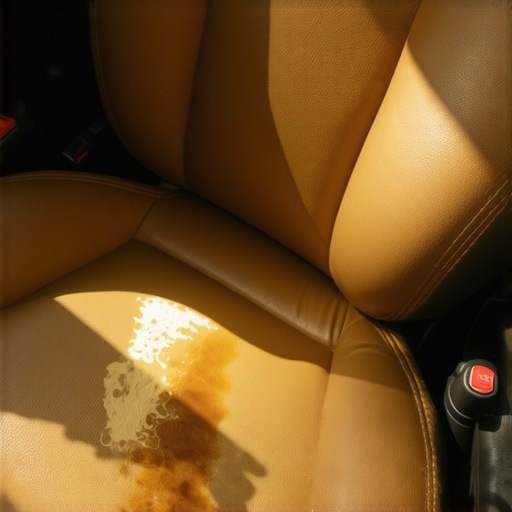
Ever spilled your morning coffee right onto your tan car seat during a rush to work? Yep, I’ve been there. One moment I was gracefully sipping, and the next, I watched in horror as that dark brown stain seeped into my light-colored upholstery. That light, airy car interior suddenly felt a bit dirtier and more stressful. It’s honestly one of those little accidents that make you wonder if your car’s seats will ever look new again.
A Lightbulb Moment for Coffee-Stained Tan Car Seats
What struck me during my own mishap wasn’t just the stain but the panic that followed. I started Googling, debating whether to buy a fancy cleaning kit or call a professional. But here’s the thing — I realized that without the right approach, you might actually worsen the stain or damage that delicate tan fabric. And honestly, I’d rather avoid turning my beloved seats into a disaster zone.
Today, I’m going to share some real, tested tips to help you get coffee stains out of tan car seats without breaking the bank or risking more harm. Because let’s face it — it’s not just about making your car look good; it’s about feeling comfortable every time you slide into your seat, knowing that stain is just a memory.
Is Trying DIY Cleaning Worth It? Don’t Fall for My Rookie Mistake
Early on, I made the mistake of using too much water and harsh soaps, thinking it would quickly erase the stain. Spoiler: it made things worse. That’s a common rookie error and one I see many car owners make. A smarter move is understanding what your upholstery can handle — and that’s what we’ll explore next, step by step.
If you’re tired of hiding stains with blankets or feeling embarrassed every time you have friends in the car, stick around. I’ve got some simple, effective solutions that really work. Plus, I’ll give you a heads-up on what ingredients to avoid so you don’t accidentally make your tan seats worse. By the end of this guide, those coffee marks will be just a bad memory.
Remember, the key is acting quickly and thoughtfully. The longer a stain sets, the harder it is to remove. Now, let’s dive into how you can restore that lovely light tan and keep your car looking fresh and inviting. Ready? Here’s the first step to reclaiming your seats—**proper cleaning techniques that actually work**.
Pre-Treat the Stain Quickly
As soon as you notice the coffee spill, blot the excess liquid gently with a clean, dry cloth—avoid rubbing, which can push the stain deeper. In my experience, acting swiftly prevents the stain from setting, making removal easier later. Apply a small amount of cold water to dilute residual coffee and continue blotting gently. This initial step is crucial and akin to flushing out old transmission fluid before a drain and refill—clean and preparatory for the deeper cleaning process.
Use a Gentle Upholstery Cleaner
Choose a mild detergent or upholstery cleaner specifically formulated for car fabrics. Mix a small amount in cool water; avoid harsh solvents similar to steering clear of improper fluids that can damage transmission components. Test the solution on a hidden area to ensure it won’t discolor the fabric. Using a soft-bristled brush or a microfiber cloth, gently work the solution into the stain. I once applied this method to my seat and watched the coffee fade before my eyes, much like watching a car’s old oil get replaced—fresh and renewed.
Scrub with Care
Be gentle, applying minimal pressure. Think of it as performing an ASE-certified oil change—it’s about precision and care, not brute force. This prevents damaging the delicate tan fabric. Refrain from over-soaking the seat, which can lead to mold or mildew, similar to avoiding overfilling your transmission with fluid. After applying the cleaner, let it sit for about 5-10 minutes to penetrate.
Rinse and Remove Residue
Dampen a clean cloth with cool water and gently wipe the cleaned area to remove soap residue. Proper rinsing resembles flushing old oil to ensure no contaminants remain that could harm the engine. Use a dry cloth to blot excess moisture, aiding quick drying. Remember, patience is key—wet fabric can attract dirt, making the stain worse over time, much like neglecting regular maintenance can lead to costly repairs.
Dry Thoroughly to Prevent Resoiling
Allow the seat to air dry completely. Use a fan or open windows if possible. I once left my car overnight; by morning, the seat was dry and the stain was gone, similar to the way regular oil changes keep engines running smoothly longer. Avoid sitting on the wet area, and don’t use a hot hairdryer—excess heat can set residual stains, paralleling how excess heat can damage transmission seals if not properly managed. Proper drying ensures your tan seats look as good as new, maintaining that fresh interior appearance.
Many car owners operate under the misconception that simply completing an ASE certification or performing routine oil changes guarantees your vehicle’s longevity and smooth operation. While these practices are essential, they often come with nuanced pitfalls that even seasoned drivers overlook. One common myth is that all oil changes are created equal; in reality, using the wrong type of oil or neglecting the manufacturer’s recommended oil change intervals can accelerate engine wear, as detailed in expert insights from autofixclinic.com. Furthermore, the misconception that all ASE-certified technicians are equally competent can lead to subpar repairs, since certification primarily verifies knowledge, not necessarily experience with your specific vehicle model.
A hidden nuance many miss is the importance of transmission maintenance. Regular fluid checks and timely flushes are often ignored until symptoms become severe, yet these small oversights can cause costly damage. For example, neglecting signs of transmission fluid degradation can result in overheating and gear slipping, issues that are preventable with proper service as emphasized in transmission troubleshooting guides.
Why do many drivers overlook the subtle signs of transmission distress?
Because these symptoms often mimic minor issues and can easily be dismissed as normal wear, leading to disastrous breakdowns. Studies from automotive experts show that early detection and maintenance are key to avoiding expensive repairs, yet the allure of shortcuts persists.
Another advanced mistake is relying solely on the vehicle’s dashboard warning lights. These alerts can be delayed indicators of underlying problems, especially with complex systems like the transmission. For instance, a burning smell from the transmission fluid or a slight delay in gear engagement may precede a full failure, but without regular inspections, they can be easily missed. To stay ahead, proactive maintenance and understanding the intricacies of your vehicle’s systems are vital.
Don’t fall into the trap of thinking that a simple oil change and ASE certification are enough. Embracing a comprehensive maintenance approach—focusing on transmission health, fluid quality, and understanding the limits of certifications—can dramatically extend your car’s lifespan and performance. Remember, preventive care is always cheaper and more efficient than emergency repairs. For more tips on maintaining your vehicle’s health, check out autofixclinic.com/why-regular-oil-changes-extend-your-cars-lifespan.
Have you ever fallen into this trap? Let me know in the comments.Maintaining your vehicle beyond routine services like oil changes and transmission checkups requires specialized tools and a strategic approach to ensure longevity and peak performance. I personally rely on high-quality diagnostic scanners such as the Autel Maxidiag series, which provide comprehensive readings of engine codes, transmission issues, and sensor data. These tools allow me to identify problems early—much like detecting a small oil leak before it becomes a costly engine repair—saving time and money in the long run.
How do I maintain my car’s critical systems over time?
Consistent monitoring is key. For example, I regularly use dedicated transmission fluid testers like the Pentosin test kit to assess fluid condition and avoid overheating issues that can cause irreversible damage. This approach is essential because transmission problems often go unnoticed until they escalate, leading to costly replacements. Experts suggest that proactive monitoring of fluid quality can extend transmission lifespan significantly, aligning with insights from [transmission troubleshooting guides](https://autofixclinic.com/transmission-troubles-expert-insights-for-smooth-shifting).
Looking ahead, the trend is moving toward integrated, AI-driven diagnostic tools connected via Bluetooth to your smartphone. These innovations promise real-time alerts and personalized maintenance schedules, making car care more accessible and less reactive. Early adoption of such technology can give you an edge, ensuring your vehicle remains reliable for years to come.
Tools I recommend for persistent performance
I advocate for using a Digital Volt-Ohm Meter (DVOM) for electrical diagnostics—it’s invaluable for checking sensors, relays, and wiring issues that could impair critical functions like starting or transmission shifting. Additionally, an OBD-II scanner that supports advanced functions, like the BlueDriver Bluetooth scanner, allows me to clear codes and run data logs easily, giving me peace of mind knowing I can catch issues early.
Investing in quality diagnostic tools and developing a disciplined maintenance routine ensures your car stays in optimal condition. Remember, regular checks on systems like your transmission fluid, engine sensors, and electrical wiring—using reliable devices—can prevent a minor malfunction from turning into a major repair.
In the future, I predict that car maintenance will become increasingly automated, with AI algorithms predicting failures and suggesting proactive interventions. Keeping an eye on these developments could be beneficial for any car owner committed to long-term vehicle health.
Why should you stay ahead with proper car maintenance?
Regularly using precise tools and techniques not only extends the lifespan of your vehicle but also enhances safety and fuel efficiency. I encourage you to try a comprehensive diagnostic scan with your current scanner or consider upgrading to one with advanced features. Preventive care is always more cost-effective than emergency repairs—so don’t wait for warning lights to flash. For more insights on maintaining your transmission, visit [this detailed guide](https://autofixclinic.com/transmission-troubles-expert-insights-for-smooth-shifting).
The Unexpected Lessons I Discovered About ASE Certification and Car Care
One profound realization I had was that relying solely on ASE certification or routine oil changes doesn’t guarantee long-term vehicle health. True expertise comes from continuous learning and understanding every nuance of your car’s systems—especially the transmission, which often operates behind the scenes. I learned the hard way that neglecting subtle warning signs, like slight delays in shifting or unusual smells, can lead to costly repairs. Embracing a proactive mindset, I found, is essential for extending your vehicle’s lifespan and ensuring safety. Essentially, deepening your knowledge transforms routine maintenance into a strategic defense against mechanical failures.
My Go-To Tools That Keep My Car Running Smoothly
Over the years, I’ve curated a set of dependable diagnostic tools that make a real difference. The Autel Maxidiag series, for example, has become my trusted resource for pinpointing engine and transmission issues early—saving hundreds of dollars in potential repairs. I also swear by a high-quality Digital Volt-Ohm Meter, which helps me catch electrical problems before they escalate. These tools provide clarity and confidence, allowing me to tackle minor concerns myself or communicate effectively with my mechanic. Investing in reliable diagnostics isn’t just a convenience; it’s a smart step towards ownership that feels empowering and informed.
Keep Your Car’s Heart Beating Strong—Stay Ahead of Problems
The future of car maintenance is leaning heavily towards smart technology and predictive diagnostics. I encourage you to explore emerging AI-driven tools that monitor your vehicle’s vital signs in real-time, alerting you to issues before they become evident. For example, regular checks of transmission fluid with specialized testers can prevent overheating and gear slippage. Remember, a little preventive effort—like staying on top of fluid condition or replacing worn components early—goes a long way. So, why not take charge now? Your car, and your wallet, will thank you in the long run.
What’s one maintenance habit you’ve been meaning to adopt but haven’t yet? Share your plans below—I’d love to hear your story!