How to Protect Your Paint from Bird Droppings and Tree Sap
One summer afternoon, I was rushing to a family picnic, my car gleaming in the sunlight. As I approached, my stomach dropped. Bright streaks and ugly smudges marred my pristine paint. Bird droppings and stubborn tree sap had betrayed me, turning an otherwise perfect day into a mini crisis. That lightbulb moment made me realize—protecting my car’s paint isn’t just about looks; it’s about preserving the investment and future enjoyment of my vehicle.
Why Your Car Desperately Needs Protection from Bird Droppings and Tree Sap
At first, I thought a quick wash would do the trick. But I quickly learned that bird droppings and tree sap are more than just aesthetic nuisances—they can cause real damage. Bird droppings contain acids that can eat into clear coats and paint if left for too long, leading to stains and potential corrosion. Similarly, tree sap is rich in resins that harden and bond tightly to surfaces, making them incredibly difficult to remove without damaging the finish.
According to automotive experts, acids in bird droppings can start damaging your vehicle’s paint within minutes. For instance, fleet managers know that quick action is crucial, especially in areas with high bird populations or lots of trees. The longer these substances stay on your car, the harder and more costly their removal becomes. As someone who’s been there, I can honestly say that neglecting to protect your paint can turn your investment into an ongoing maintenance nightmare.
Is a Quick Fix Enough or Should You Be Proactive?
My early mistake was thinking a simple rinse would suffice. I didn’t know that certain substances, like sap, require special care. Rushing to wash with generic soap can sometimes embed residues further into your paint, making the problem worse. That’s why I decided to dig deeper into effective ways to shield my car from these sneaky threats. After all, a little prevention goes a long way—and I want to share what I’ve learned, so you don’t have to go through the same hassle.
If you’re tired of fighting stubborn stains and worried about long-term damage, stay tuned. Next, I’ll walk you through practical, easy-to-implement steps to keep your paint pristine, no matter what nature throws at you. Trust me, it’s worth it!
Apply a High-Quality Wax or Sealant
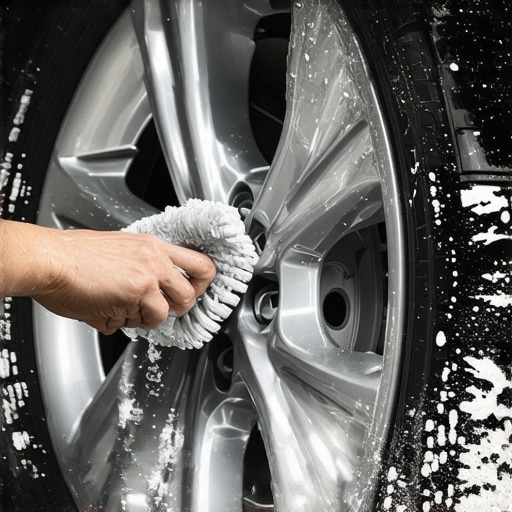
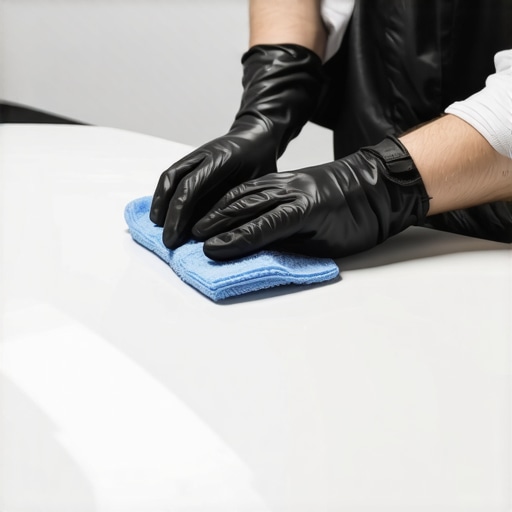
Start by thoroughly washing your vehicle using a pH-balanced automotive shampoo, ensuring all dirt and residue are removed. Rinse it well and dry with a microfiber towel to prevent water spots. Once clean, apply a reputable wax or paint sealant following the manufacturer’s instructions. This creates a protective barrier that makes removing bird droppings and sap easier and reduces their adhesion. Micro-Story: I once used a synthetic wax on my car, which made subsequent cleanings quicker and kept the paint shiny longer. This simple step saved me hours of scrubbing later.
Park Strategically to Minimize Exposure
Opt for parking under covered areas like garages or carports whenever possible. If natural shade isn’t an option, consider using portable car covers, especially during peak seasons of bird activity or in areas with abundant trees. This physical barrier prevents droppings and sap from reaching your paint surface directly. Micro-Story: During a camping trip, I placed a lightweight cover over my car, which kept it spotless despite being parked near a dense tree line—saving me from a tedious cleaning session.
Regularly Clean Off Bird Droppings and Sap
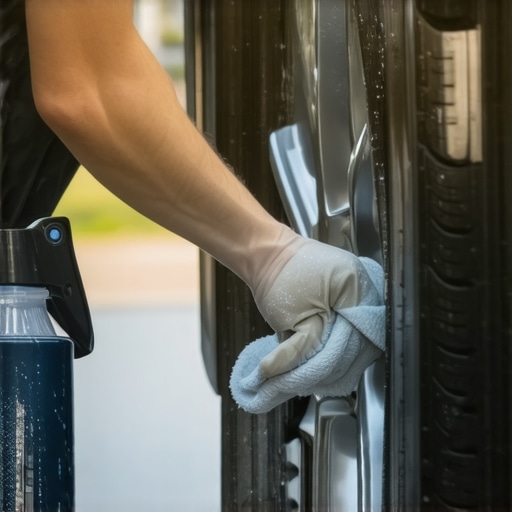
Stay vigilant and clean any deposits as soon as possible. Use a soft microfiber cloth and warm water to gently remove droppings and sap—never scrub aggressively to avoid paint damage. For stubborn residues, a dedicated detailer’s spray or a gentle automotive-safe cleaner can be applied. Avoid harsh chemicals like bleach or dish soap, which can strip protective wax layers. Micro-Story: I once waited a day before cleaning bird droppings, which resulted in stubborn stains. After that, I adopted a habit of quick cleaning, preventing etching and staining.
Invest in Protective Films or Coatings
Consider applying a ceramic coating, which chemically bonds to the paint, providing long-term protection against contaminants. These coatings are more resilient than wax and can help repel substances like sap and bird droppings, making cleaning simpler. Professional application ensures proper coverage and durability. Learn how to choose the right car service for proper application. My personal experience with a ceramic coating extended my vehicle’s showroom shine while reducing the effort needed for maintenance.
Establish a Consistent Maintenance Routine
Create a schedule for regular washing, waxing, and inspections. This proactive approach keeps your paint layers intact and alert you to potential issues early. Incorporate quick cleaning techniques that target specific areas prone to bird droppings or sap build-up. Remember, consistency is key in preserving your car’s exterior. Regular maintenance isn’t just for the engine; it extends to your vehicle’s bodywork too. Over time, these small efforts pay off in maintaining the car’s value and aesthetic appeal.
Many drivers assume that an ASE certification guarantees flawless car maintenance or that following standard service schedules is always enough. However, as an automotive expert, I can tell you there’s more beneath the surface. For instance, many overlook that ASE-certified mechanics have specialties—certification doesn’t mean universal expertise, and shops often advertise generic credentials to attract business without real specialization. A common myth is that simple oil changes or transmission flushes are routine, but executing these tasks correctly requires nuanced knowledge of vehicle-specific systems—something not every shop fully masters. For example, a transmission fluid service isn’t just a drain and fill; improper techniques can lead to more harm than good, especially if the technician isn’t aware of the specific type of transmission. This is why understanding the real differences—like between a simple pan drop versus a full flush—is essential. Another hidden nuance involves the often underestimated importance of advanced diagnostics. Modern vehicles store codes that can reveal underlying issues before they escalate, yet many shop technicians rely solely on code readers rather than deep diagnostics, risking missed problems. In fact, studies show that experienced technicians utilize diagnostic tools more precisely, reducing unnecessary repairs and preventing costly breakdowns (expert insight). Beware of the trap where drivers believe that all car services are interchangeable—skimping on quality or neglecting manufacturer-specific procedures can lead to premature component failure. For example, a poorly performed oil change might look fine externally but can cause engine wear if the correct oil type or filter isn’t used, or if the technician neglects to reset the oil life monitor properly.
Can You Trust ASE Certification Alone to Pick Your Service Shop?
It’s a valid question, and the answer is no. ASE certification demonstrates a technician’s competence, but it doesn’t replace the need for comprehensive, factory-recommended maintenance or nuanced diagnostics. Choosing a shop that combines ASE-qualified staff with honest evaluations and transparent pricing offers the best value. Always ask about their approach to complex issues like transmission troubleshooting or advanced electrical diagnostics. For deeper insights into maintaining your vehicle’s longevity, consider exploring tips for selecting the right car service. Remember, regular and proper maintenance isn’t just about following schedules—it’s about understanding what lies beneath and making informed decisions. Have you ever fallen into this trap? Let me know in the comments.
Investing in the Right Equipment Makes All the Difference
Maintaining your vehicle over the years requires more than just basic knowledge; having the proper tools ensures tasks are done accurately and efficiently. I personally swear by a high-quality digital multimeter, like the Fluke 115, which allows precise electrical diagnostics—saving me hours and preventing unnecessary part replacements. For fluid analysis, a refractometer helps me verify oil and coolant quality at a glance, ensuring the long-term health of components like the transmission and engine. Professional tip: Regularly testing your battery voltage with a multimeter can preempt unexpected failures, especially in colder months.
Technology Streamlines Maintenance and Troubleshooting
Modern automotive software has transformed how we keep vehicles in top shape. I use an OBD-II scanner like the Autel MaxiCOM MK808 to access comprehensive diagnostic codes instantly, enabling me to identify issues like transmission trouble or sensor malfunctions early. These devices, when combined with manufacturer-specific apps, offer insights beyond generic codes—directing me to precise repairs before symptoms worsen. As the trend continues, OEM diagnostic tools are becoming more affordable for the everyday enthusiast, empowering us to handle complex repairs without constantly visiting a mechanic.
Building a Reliable Maintenance Routine Pays Off
Consistency is key. I recommend scheduling seasonal checks of vital systems—transmission fluid, oil, and coolant—to catch wear and tear early. For example, regular oil analysis with a dedicated test kit can reveal contamination or metal shavings that hint at internal problems, helping you plan repairs proactively. Investing in a set of quality LED work lights makes inspections safer and more thorough, especially in low-light conditions. Over time, these habits significantly extend your vehicle’s lifespan and preserve its value.
Where Do You Start? Implementing Advanced Maintenance Techniques
If you’re ready to elevate your car upkeep, try integrating a long-lasting ceramic coating to your routine. It creates a resilient barrier against contaminants like bird droppings and sap, simplifying cleaning and safeguarding your paint. Combining this with a routine use of diagnostic tools can help catch issues early, especially in areas with harsh climates or heavy traffic. Remember, proactive maintenance can prevent costly repairs, and modern tools are accessible enough for committed car owners. For more detailed guidance, explore tips on selecting the right car service to ensure professional-grade care when needed. Take the initiative: pick one advanced technique mentioned here—like testing your oil with a refractometer—and give it a try this month.
What I Didn’t Expect About ASE Certs and Car Longevity
One of the biggest revelations I had was realizing that ASE certification isn’t a magic bullet—it’s a foundation. It’s easy to assume that a shop with certified technicians guarantees flawless service, but the truth is, ongoing education and a technician’s specializations matter much more. I learned that some ASE-certified shops focus heavily on quick fixes, neglecting deeper diagnostics that prevent future issues. This lightbulb moment taught me to ask the right questions and seek shops that prioritize deeper expertise over surface credentials.
Tools That Turn Car Maintenance Into Peace of Mind
Over the years, I built a toolkit that included a quality OBD-II scanner like the Autel MaxiCOM MK808, which transformed how I approach troubleshooting. I also rely on a refractometer for oil quality checks—simple yet powerful, giving me confidence in knowing when to change fluids before trouble starts. These tools became invaluable in my routine, saving both time and money, and empowering me to make informed decisions about my vehicle’s health.
Embracing Proactive Care for a Smoother Ride
The most rewarding lesson I learned is that consistent, preventive maintenance can dramatically extend a vehicle’s lifespan. Instead of waiting for warning signs, I schedule seasonal inspections—checking fluid levels, inspecting belts, and verifying the condition of protective coatings. This proactive mindset keeps minor problems at bay and keeps my car running like new, proving that investing a bit more effort upfront pays dividends in the long run. For comprehensive tips on maintaining your car’s longevity, visit this resource.
My Best Advice for Fellow Car Enthusiasts
If I could share one final insight, it’s this: never underestimate the value of quality, dedicated tools and a curious mindset. Dive into learning about your vehicle’s systems, and don’t be afraid to ask shops about their diagnostic approaches. Remember, a well-maintained car isn’t just about aesthetics—it’s about preserving safety, performance, and your investment. Start with small steps today—like testing your oil or inspecting your tires—and watch how these habits transform your driving experience. And for those interested in further resources, explore tips on selecting the right car service to ensure expert care when you need it most.