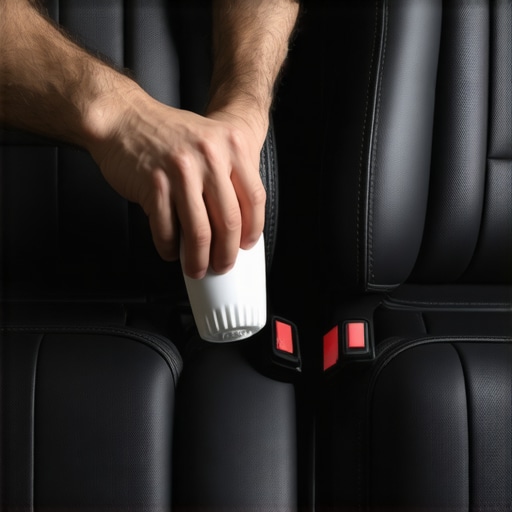
The Best Way to Condition Your Leather Seats for Longevity
It hit me unexpectedly one morning as I slid into my car, and the leather seat beneath me betrayed years of neglect with a stubborn crack. Frustration welled up—I had always thought regular cleaning was enough, but my precious leather seemed destined to fade and crack prematurely. That lightbulb moment made me realize I’d been doing it all wrong.
Leather seats are a luxury that can transform the look and feel of your vehicle, but without proper conditioning, they become brittle, cracked, and lose their supple touch far too soon. Over my years of experience, I’ve learned that conditioning isn’t just about cleanliness; it’s about nourishing the leather from the inside out, protecting it against sun, sweat, and everyday wear. Today, I want to share with you the *best way to condition your leather seats to ensure they last for the long haul*.
Why Proper Conditioning Matters More Than You Think
Think your leather seats are indestructible? Think again. Leather is a natural material that requires care—ignoring this can lead to costly replacements long before their time. A well-conditioned seat is like a well-hydrated skin—soft, resilient, and resistant to cracking. Conversely, neglect accelerates wear, leaving your seats looking dingy, torn, and aged.
Many car owners—including myself at one point—make the mistake of just wiping their seats with a regular damp cloth or applying generic protectants. This is a mistake because not all products are created equal. Using the wrong conditioners can clog the pores, cause discoloration, or even dry out the leather further. I learned this the hard way early on, and the lesson stuck. For more insights into what kind of products are best, check out [this guide on choosing the right car service](https://autofixclinic.com/choosing-the-right-car-service-for-your-vehicles-needs).
But what truly makes a difference is the *method* and *regularity* of conditioning. I found that the most effective approach involves targeted products designed specifically for leather, applied with care and consistency. This isn’t just maintenance; it’s an investment in your car’s interior and your comfort.
Before we get into the practical steps, here’s a quick question: have you ever noticed your leather seats creasing or cracking despite routine cleaning? If so, you’re not alone. Many people overlook the importance of conditioning, thinking it’s an optional step, but it’s truly a game-changer.
In the sections ahead, I’ll guide you through the *step-by-step* process of conditioning your leather seats, revealing tips I’ve picked up over years of car care—so your seats stay soft, shiny, and durable for miles to come.
Gather Quality Leather Conditioner and Supplies
Start by choosing a conditioner specifically formulated for automotive leather, such as a pH-balanced, lanolin-based product. I once made the mistake of using an all-purpose moisturizer, which left a greasy residue and attracted dirt, making the seats look worse. Investing in the right product ensures proper nourishment and protection.
Prepare the Seats Before Conditioning
Vacuum the seats thoroughly using a soft brush attachment to remove loose dirt and debris from creases and seams. Follow up with a damp microfiber cloth to wipe away surface dust. This step prevents trapping dirt under the conditioner, which can accelerate wear.
Test the Conditioner First
Apply a small amount of the conditioner on a hidden area, such as the underside of a seat, to check for adverse reactions like staining or discoloration. I learned this lesson after a failed test stained a beige seat, which took hours to clean. Always testing first safeguards your investment.
Apply the Conditioner Evenly with Care
Use a clean, soft microfiber cloth or sponge to apply a small amount of conditioner to the leather surface. Work in circular motions, ensuring even coverage across the entire seat, including ripples and seams. Don’t pour the product directly onto the leather; instead, dampen your applicator for better control.
Focus on the Leather’s Grain and Creases
Pay special attention to areas prone to cracking, such as the edges and creases. I remember accidentally using too much on a crease, leading to a greasy buildup that attracted dust. A light, even application penetrates deeper without leaving residue.
Allow Time for Absorption
Let the conditioner sit undisturbed for about 10-15 minutes to penetrate the leather fibers. Use this interval to clean the surrounding interior components or take a short break. Proper absorption is essential; racing through this step diminishes effectiveness.
Buff Off Excess and Maintain
After the absorption period, buff the seats with a dry microfiber cloth to remove any excess product and restore shine. Regular conditioning—every 3 to 6 months—keeps leather soft and resilient. Skipping this step leads to dry, cracked seats, similar to the lightbulb moment I experienced with my own vehicle.
Protect Your Seats from Daily Damage
Use seat covers or UV protectant sprays to shield from sun damage and sweat. I started parking in shaded areas and using protectant sprays, which greatly extended the lifespan of my leather seats. Consistent care makes all the difference in avoiding costly replacements.
 When it comes to maintaining your vehicle, many car owners rely heavily on the reputation of ASE-certified technicians or popular service routines, but there are subtle nuances that often go unnoticed. Contrary to common belief, ASE certification alone doesn’t guarantee that a mechanic has comprehensive expertise in every aspect of auto repair, particularly advanced systems like transmissions. In fact, the certification mainly verifies a technician’s general knowledge and experience, but ongoing training and specialization are crucial for tackling complex problems effectively. For example, a technician might be ASE-certified but still lack the depth needed for diagnosing sophisticated transmission issues, which can be costly if misdiagnosed. This is why understanding the intricacies of transmission troubleshooting, such as fluid dynamics and sensor interactions, can save you from unnecessary repairs. Dive deeper into what ASE certification really entails in this detailed guide.
Another common misconception concerns routine oil changes. Many believe that changing oil more frequently than manufacturer recommendations will extend their engine’s lifespan indefinitely. While regular oil changes are essential, overdoing it can sometimes lead to issues like oil dilution or unnecessary waste. The key lies in understanding the specific oil viscosity and engine demands, especially in modern direct-injection engines prone to sludge buildup if oil is changed inconsistently. Advanced car owners should also consider the type of oil—synthetic, conventional, or high-mileage formulas—and how they interact with engine components over time. For an in-depth look at optimizing oil change intervals, check out these expert tips.
Misunderstanding how transmission service is performed is another pitfall. Many assume that a simple fluid drain and refill suffice, but in reality, transmission fluid’s condition is affected by time and driving conditions, and neglecting it can lead to shifting problems or even complete transmission failure. Advanced issues, such as degraded solenoids or worn bushings, often require detailed inspection beyond basic fluid maintenance. Benefit from insights in this comprehensive resource.
A critical mistake many make is neglecting to ask their mechanic about specific diagnostic tests or maintenance procedures, especially for complex systems like the transmission. Diagnostic procedures like scan tool analysis or wear pattern evaluations can uncover hidden problems before they escalate. Don’t fall into the trap of assuming a quick fix is enough; investing in detailed diagnostics often saves money in the long run.
Are There Hidden Dangers in Routine Maintenance? Discover What You Might Be Missing
Lastly, always be cautious of service shops that push for unnecessary repairs under the guise of routine maintenance. For instance, some shops might recommend replacing transmission fluid or performing certain diagnostics without proper evidence of malfunctions, leading to unwarranted expenses. Knowing the signs of real issues versus routine checks helps you maintain control over your vehicle’s health.
Understanding these nuances involves more than just trusting certifications or conventional wisdom. It requires a savvy approach—asking the right questions, researching service procedures, and staying informed. For detailed insights on choosing the right car service, visit this resource. Have you ever fallen into this trap? Let me know in the comments, and stay vigilant to get the best care for your vehicle.Maintaining your vehicle’s performance over time requires more than just basic knowledge; it demands the right tools and consistent habits. Investing in quality diagnostic equipment, for instance, can save you money and prevent costly repairs. One tool I rely on heavily is an OBD-II scanner—specifically, the BlueDriver. Unlike generic code readers, BlueDriver provides detailed explanations of trouble codes and real-time data, empowering me to diagnose issues before they escalate. I personally use this device during regular inspections to monitor transmission health, fluid temperatures, and sensor readings, which are critical for seamless shifting and engine performance.
Another indispensable piece of equipment is a digital multimeter. I prefer a high-precision model like the Fluke 115. It helps me check electrical systems, test battery voltage, and verify sensor outputs accurately. This precision ensures that I catch wiring problems early, especially in critical areas like the ABS system or transmission solenoids. When diagnosing complex issues, I also integrate software solutions like auto-diagnostic apps that sync with my diagnostic tools, giving me the insights needed to make informed repairs.
How do I maintain transmission health over time?
Regular transmission fluid changes are key, but so is monitoring fluid quality via detailed data. I schedule fluid replacements based on real-time readings from my diagnostic tools rather than relying solely on mileage. This approach helps prevent slipping and overheating, especially in high-mileage vehicles. As the trend towards hybrid and electric vehicles grows, I anticipate a shift toward advanced diagnostic tools capable of analyzing regenerative braking systems and battery management modules. Staying ahead means continually updating my toolkit and knowledge base.
Looking toward the future, integrated software that combines engine diagnostics, maintenance logs, and predictive analytics will become standard. These platforms will analyze wear patterns and suggest proactive interventions, minimizing downtime and repair costs. I recommend regularly reviewing service data through tools like oil change tracking apps to spot trends early.
Want to elevate your vehicle maintenance game? I suggest trying the advanced diagnostic technique of wiring harness testing with your multimeter. It’s a game-changer in detecting elusive electrical issues that typical visual inspections miss. Proper maintenance isn’t just about replacing parts; it’s about understanding your vehicle’s unique systems and acting proactively to keep everything running smoothly. For expert guidance tailored to your vehicle, consider consulting services like professional advice.
The Road Less Traveled in Auto Care: Lessons From My Journey
One of my most eye-opening experiences was realizing that even the best-looking leather seats can hide a history of neglect. I once thought that regular wiping was enough, only to find cracked and faded seats that felt more like parchment than luxurious leather. That moment taught me that true longevity comes from understanding and practicing proper conditioning, not just superficial cleaning.
Another lesson was discovering how crucial choosing the right products can be. I experimented with generic conditioners that left residues or discolored my seats. It became clear that investing in specialized, pH-balanced products designed specifically for automotive leather is key to preserving its durability and appearance over years of use.
Lastly, I learned that consistency beats intensity. A little conditioning every few months is far more effective than sporadic attempts at revival. Regular care, combined with mindful application, ensures my seats remain supple and resilient, saving me money and enhancing comfort—proving that routine maintenance truly pays off.
Tools and Resources That Transformed My Maintenance Routine
My go-to tools include a quality ASE-certified diagnostic scanner, which helps me understand the health of my vehicle’s systems beyond surface signs. For oil and fluid management, I trust top-rated oil change tips that align with manufacturer recommendations, ensuring optimal engine performance. When it comes to transmission health, I refer to transmission troubleshooting guides that reveal subtle signs before big problems emerge.
Books like Automotive Care Mastery have deepened my understanding of preventative maintenance, emphasizing that early intervention keeps you ahead of costly repairs. Also, reputable online communities and forums provide real-world advice, sharing experiences that help me make informed decisions tailored to my vehicle’s unique needs.
Embrace the Power of Personal Knowledge and Action
The journey of vehicle maintenance is ongoing and rewarding. When you understand the intricacies of your car’s systems, you gain confidence—not just in fixing problems but in preventing them. I encourage you to become a proactive participant in your vehicle’s health, armed with the right tools, resources, and mindset. Remember, every small step in routine care adds up to a lifetime of reliable driving.
What’s one custom maintenance tip that has made a difference for your vehicle? Share your story below and keep the conversation going. Your experience might inspire someone else to take better care of their ride and go further down the road healthier and happier.