How to tell if your mechanic actually replaced the transmission filter
Ever sat in a mechanic’s garage, watching your car get service, and wondered silently, “Did they really do what I paid for?” I remember the light bulb moment when I realized after a transmission service that my vehicle still shifted rough—turns out, not all mechanics follow through with the same diligence. That little nagging doubt can turn a routine oil change into a stressful game of “trust and verify.” Today, I want to share how you can confidently determine whether your transmission filter truly got swapped out, saving you money and future headaches.
Skeptical? Here’s Why You Shouldn’t Take Their Word for It
Many car owners assume that once they pay for a service, everything’s been taken care of, especially at a shop with certified technicians. But early on, I learned the hard way—assuming can be costly. I once had a transmission flush that, frankly, felt like a ripoff because my car still had shifting issues afterward. The mistake I made? Not checking the work myself. According to ASE certification standards, technicians are expected to follow strict protocols, but quality can vary. Learning what signs to look for is essential for protecting your vehicle.
Is a Transmission Filter Replacement Actually Worth the Hype?
Many drivers don’t realize that transmission filters need regular attention—just like engine oil. Neglecting this part can lead to decreased performance or even costly repairs. A common misconception is that a transmission flush fixes everything, but if the filter isn’t replaced, dirt and debris can accumulate quickly. My experience taught me to ask detailed questions about the service performed, especially if the transmission fluid was drained—but the filter might have been overlooked.
To avoid being misled, I recommend learning simple techniques to verify if your transmission filter was replaced, which we’ll explore next. For a broader understanding of how proper maintenance extends your vehicle’s lifespan, check out why regular oil changes matter.
Inspect the Transmission Fluid Themselves
After a transmission service, I once checked my car’s fluid to see if it looked clean and new—if it was dark or gritty, I knew something was off. To do this, park on level ground, engage the parking brake, and locate the transmission dipstick (usually marked). Pull it out, wipe it clean, then insert it again before removing to review the fluid’s condition. Fresh fluid should be bright red and free of debris. If the fluid looks stagnant or dark, it indicates the filter might not have been replaced, or the fluid wasn’t properly drained.
Compare Service Records and Ask Your Technician
I always keep a copy of my service receipts. When I recent transmission work was done, I reviewed the invoice to confirm if the filter was listed as replaced. If unsure, I call the shop directly or visit in person, asking for clarification. A reputable shop should readily confirm the service details. Remember, ASE certification indicates a technician’s expertise—ask if the tech was ASE-certified (learn more about ASE). This can give you peace of mind about their knowledge.
Perform a Visual Inspection at Home
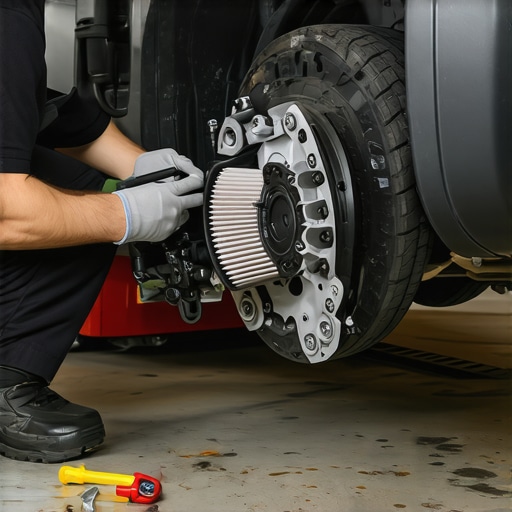
For a more hands-on approach, I once jacked up my car safely and removed the transmission pan’s drain plug to see if the filter was installed. Be cautious; this involves draining the transmission fluid and may require tools. When you do this, look for the filter—it’s usually a small, replaceable component connected to the pan. If the filter is absent, it’s a clear sign it wasn’t replaced. If you’re uncomfortable with this step, consider a professional inspection or using a flashlight to look through gaps to see if a filter is present.
Use a Magnet or Light to Detect Residual Debris
After draining the fluid, examining it with a magnet can reveal metal particles indicating wear. During my own check, I noticed a few tiny metal shavings, signaling that the filter probably wasn’t cleaned or replaced. Clean fluids are vital for transmission health. If your fluid shows signs of wear or contamination, schedule a follow-up service or ask your mechanic whether a filter change was necessary and performed.
Request a Follow-Up Test Drive
Finally, I take my car for a cautious test drive after service. Smooth shifting and absence of slipping or noise suggest that the internal components, including the filter, are functioning properly. Pay attention to any rough shifts or delays. If issues persist, revisit the mechanic or consult a different shop with your findings.
Checking whether your transmission filter was replaced isn’t always straightforward, but these practical steps empower you to verify the work done. Regular maintenance and informed questions save money and extend your vehicle’s lifespan—just like learning how to identify signs from transmission troubleshooting guides. Stay vigilant, and your car will thank you over the years.
Many car enthusiasts and everyday drivers alike are often misled by widespread beliefs about oil changes, car service, and what it truly means to maintain a vehicle properly. A common myth is that simply following the manufacturer’s recommended oil change intervals is enough to keep your car in top shape. However, this overlooks crucial nuances that can significantly extend or shorten your vehicle’s lifespan. For instance, the quality of the oil used, the driving conditions, and the technician’s expertise all play vital roles. While a quick oil change might seem straightforward, professionals with ASE certification are trained to perform comprehensive diagnostics and identify underlying issues that could cause premature wear, especially in complex systems like the transmission.
One trap many fall into is assuming that a service labeled as an “oil change” automatically includes inspecting or replacing other vital components, such as filters or transmission fluid. In reality, some shops cut corners to save time and costs, leaving critical tasks undone. For example, neglecting to replace a transmission filter during service can lead to dirt buildup, degraded performance, and expensive repairs down the line. This is where understanding the distinctions—like the difference between a simple filter swap and a full flush—is essential.
Advanced car maintenance reveals that more drivers should pay attention to the quality of their service provider. An ASE-certified technician brings a level of professionalism and thoroughness that often surpasses uncertified mechanics, ensuring that all aspects of vehicle health are evaluated, not just the immediate reason for the visit. Learn more about the significance of ASE certification and how it can benefit your vehicle’s longevity by visiting this resource.
Another critical yet overlooked aspect is the concept of regular vehicle diagnostics beyond scheduled service intervals. For example, inspecting transmission fluid condition yourself by checking for dark, gritty fluid or metal shavings can warn you of impending issues sooner than waiting for warning lights. Such detailed attention to subtle indicators can save thousands and prevent breakdowns.
Furthermore, the myths surrounding “lifetime” fluids are particularly deceptive. Experts agree that even sealed transmissions require periodic fluid replacement to prevent sludge buildup and component wear. Studies support this, noting that regular maintenance reduces mechanical failures and improves efficiency. This insight is often lost in generic marketing but understanding it can be a game-changer in vehicle upkeep.
Have you ever fallen into this trap? Let me know in the comments. Remember, mastering the nuances of car maintenance—like knowing when to question a quick oil change or understanding the importance of qualified technicians—can dramatically influence your vehicle’s performance and lifespan.
Keep Your Vehicle Running Smoothly with the Right Tools
Maintaining your car over time requires precision and reliable tools. Personally, I rely on a high-quality digital multimeter from Fluke, which provides accurate readings of battery health and electrical systems, empowering me to diagnose issues before they escalate. For fluid checks, a refractometer helps me determine oil viscosity and contamination levels, ensuring optimal performance and prolonging engine life. Investing in a decent auto scanner, like the BlueDriver Bluetooth scanner, allows me to quickly read and clear diagnostic trouble codes, saving time and money during routine checkups.
Why I Trust Specific Equipment for Car Checks
Each tool I use is chosen based on its accuracy, durability, and ease of use. For example, my torque wrench from Snap-on guarantees precise tightening during repairs, which is critical for components like wheel lug nuts or transmission bolts. I also keep a set of quality bay lighting like rechargeable LED work lights to illuminate hard-to-see areas when inspecting or working under the vehicle. These tools collectively help me maintain my car proactively, preventing costly breakdowns and ensuring safety.
Adopt Smarter Maintenance Practices to Save Money
Regularly scheduled oil changes are fundamental, but their effectiveness depends on using the right lubricants and following manufacturer recommendations. Industry trends predict a shift toward synthetic oils with longer intervals, but only if combined with comprehensive inspections and data-driven diagnostics. Learning to interpret vehicle data and using advanced tools enables me to customize maintenance routines, saving time and reducing unnecessary expenses. For instance, checking transmission fluid condition with a dedicated tester can reveal early signs of wear, guiding timely repairs.
How do I Maintain Car Systems Over Time
One effective strategy is to implement scheduled inspections with diagnostic tools that monitor fluid quality, electrical health, and sensor accuracy. This proactive approach allows me to catch issues like slipping transmissions or worn-out filters early. Additionally, keeping detailed service records helps track when components like filters, fluids, or belts need replacement, ensuring consistent vehicle health. As technology advances, integrating these tools into routine maintenance will become even more critical—making proactive care more accessible for everyone.
Future Trends in Vehicle Maintenance Tools
The future points toward smarter, interconnected diagnostic systems—think onboard computers that communicate wirelessly with your smartphone to alert you of potential problems before warning lights even turn on. AI-powered diagnostic software will analyze patterns over time, suggesting optimal maintenance schedules personalized to your driving habits. Embracing these innovations now positions you ahead of the curve, ensuring your vehicle remains reliable and safe for years to come.
If you haven’t already, I recommend trying out a professional-grade diagnostic scanner like the BlueDriver, which seamlessly pairs with your smartphone, to gain immediate insights into your car’s health. This small investment can save you hundreds by avoiding unnecessary repairs and catching issues early.
The Hardest Lesson I Learned About oil change,car service,transmission,ASE certified
One of the most eye-opening experiences was realizing that not all car service shops follow the same protocols, even if they claim ASE certification. A quick oil change can sometimes just be that—a quick oil change—unless you’re vigilant about what else was addressed. I once trusted a shop to handle my transmission, only to find later that the filter hadn’t been swapped, leading to costly repairs. That taught me to always double-check and ask detailed questions about the work being performed.
3 Myths About oil change,car service,transmission,ASE certified That Held Me Back
Believing that a service listed as complete is always thorough is a major misconception. I used to think that if my car was serviced at a shop with ASE certification, everything was covered. But I discovered that some mechanics might skip steps like replacing transmission filters to save time or money. Learning the difference between a simple fluid change and a full transmission flush has been crucial in maintaining my vehicle’s health.
What Experts Won’t Tell You About oil change,car service,transmission,ASE certified
Many drivers aren’t aware that transmission filters require regular attention just like engine oil. Neglecting this part can cause dirt accumulation and performance issues. The key is understanding what services should be performed and educating yourself to hold shops accountable. For deeper insights, check out why regular oil changes matter.
Curated Gear for Proactive Maintenance
Having the right tools makes all the difference. I rely on a high-quality digital multimeter from Fluke to assess electrical systems and a refractometer to check oil viscosity. Investing in a Bluetooth-enabled auto scanner like BlueDriver has allowed me to read and clear diagnostic trouble codes instantly, preventing small issues from becoming major problems. These tools have empowered me to take control of my vehicle’s health rather than relying solely on shop visits.
Make Yourself the Expert: Don’t Rely on Assumptions
By inspecting transmission fluid condition at home—looking for dark, gritty fluid or metallic shavings—I catch potential issues early. Regular visual checks and knowing what to look for can save you thousands. Remember, a premium service experience is rooted in your knowledge and questions. For instance, ask whether the transmission filter was replaced during your last service, and verify it with your receipts or by direct inspection.
Take Action Before Small Problems Grow
If you’ve recently had transmission work done, take a moment to perform a quick inspection—check the fluid, listen for unusual noises, or feel for rough shifts. Using smart diagnostic tools can reveal warning signs before they escalate. Being proactive is the best defense against costly repairs, and in the long run, it keeps your car running smoother for longer. Your vehicle’s well-being depends on your curiosity and willingness to learn its secrets. Ready to be your own mechanic? Dive deeper into transmission troubleshooting guides and start inspecting today.