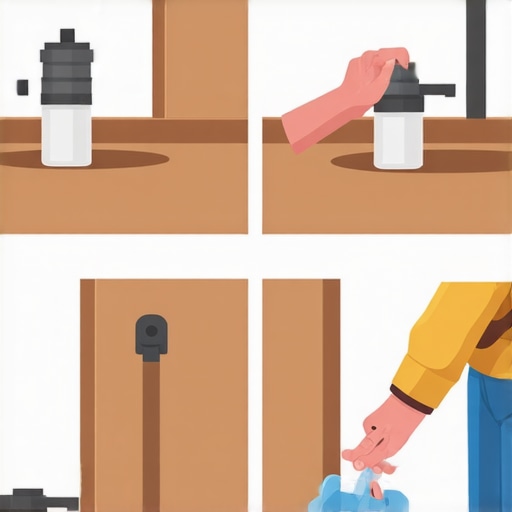
How to tell if your transmission fluid is actually burnt or just old
I still remember the sinking feeling in my gut when I pulled the dipstick on my old truck and saw a deep, muddy brown instead of that cherry-red glow I was expecting. I was convinced the whole gearbox was toast. I actually spent three nights scouring forums, convinced I was looking at a four-figure repair bill. It turns out, I was overreacting. Most of us are taught that anything other than bright red means disaster, but that is not always the case. Today, I want to show you exactly how to read those signs so you do not end up paying for a rebuild you do not actually need. We are going to look past the color and get into the grit of what makes fluid truly ‘burnt’ versus just ‘well-traveled.’
Don’t Panic Over a Little Discoloration
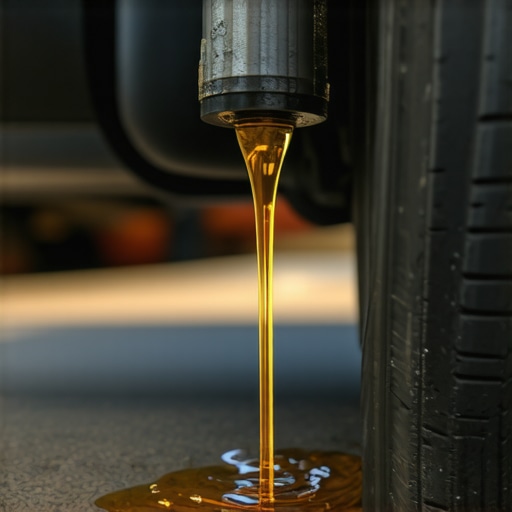
I made a huge mistake early on by assuming color was the only metric that mattered. I once drained perfectly functional fluid just because it looked like weak tea, essentially throwing money down the drain. You have to realize that heat and time naturally oxidize the liquid. If you find your fluid is looking a bit murky, it might just be doing its job. However, if your transmission fluid turned brown in just six months, that is a different story entirely. Usually, old fluid is just a sign that you are due for some expert insights for smooth shifting. The real test is the ‘sniff and smear’ method. Burnt fluid has a very distinct, acrid smell—think of scorched toast or a campfire—and it often feels gritty between your fingers. If it still feels oily and smells vaguely sweet, even if it is dark, you are likely just looking at old age rather than a mechanical meltdown.
Is a Fluid Change Actually Worth the Risk on an Old Car?
This is the big one I hear from my neighbors all the time. There is a common fear that if the fluid is too old, changing it will actually cause the transmission to slip. While it is true that fresh detergents can sometimes wash away the friction material holding a dying transmission together, staying on top of your car service is almost always the better bet. According to Car and Driver, modern synthetic transmission fluids are incredibly resilient, but they still have a finite lifespan before they lose their ability to manage heat. Have you ever noticed a strange smell coming from your engine bay after a long drive? I would love to hear if you have ever been told you needed a full replacement when a simple drain and fill would have sufficed. Understanding what your transmission fluid color is trying to tell you is the first step in becoming your own best advocate at the shop.
Master the Two-Step Sensory Test
Once you have the dipstick out, stop looking at the color for a second and focus on the texture. Think of your transmission fluid like a specialized hydraulic lubricant that doubles as a coolant; it needs to be slick. I always tell people to rub a drop between their thumb and forefinger. It should feel as smooth as silk. If you feel even a hint of sand or tiny metal flakes, you are looking at internal wear that no amount of fresh fluid will fix. The smell is your second biggest clue. High-quality fluid has a sweet, chemical scent. If it hits your nose like a burnt clutch or a literal house fire, the friction plates inside have likely started to char. This is where you need to decide if you are dealing with a simple maintenance task or a failing component. Sometimes, the delay in your upshift might just be a dirty sensor rather than a mechanical death knell, so do not jump to conclusions until you have felt the grit.
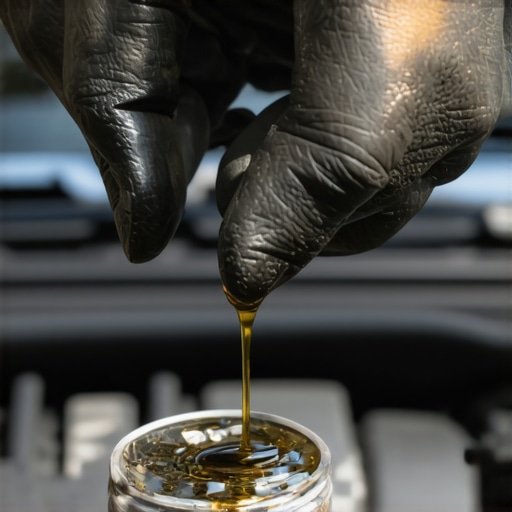
Is it Actually Slipping or Just Confused?
Before you commit to a heavy repair bill, you have to determine the source of the trouble. Modern cars are rolling computers, and a glitchy solenoid can mimic a mechanical slip perfectly. I have seen folks spend thousands on a rebuild when all they needed was a software flash or a new wiring harness. You should learn how to tell if your transmission slip is mechanical or electronic before you let anyone drop the pan. If the car shifts fine when cold but acts up when hot, that is usually a fluid or mechanical expansion issue. If it happens randomly regardless of temperature, I would bet my last wrench it is an electronic sensor giving the computer bad data. This is why why finding a patron saint of auto repair—a mechanic who actually cares about diagnostics—is so much more important than just finding the cheapest shop in town.
The Time I Ended Up Wearing Five Quarts of ATF
A few years back, I was working on a project truck and decided to do a ‘quick’ fluid check while the engine was running—as you are supposed to for most vehicles. I was impatient and pulled the dipstick while the pressure was spiking because of a clogged vent. A geyser of hot, red fluid shot straight out of the tube and coated my favorite work shirt. Aside from the mess, it taught me that pressure tells a story. If your fluid is bubbling or foaming on the stick, it means it is either overfilled or air is getting sucked into the pump. Air is compressible; transmission fluid is not. When air gets in, the shifts feel soft and ‘mushy,’ much like a brake pedal that needs bleeding. It is a simple fix, but many people ignore it until the heat kills the seals. Keeping a dedicated car service schedule for all fluids is the only way to avoid these high-pressure surprises.
Check the Filter Before You Blame the Gears
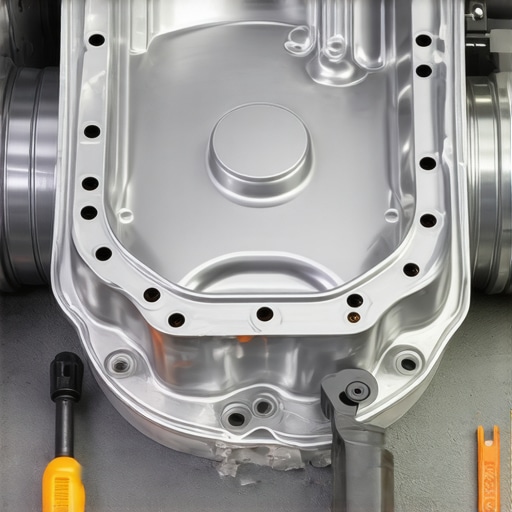
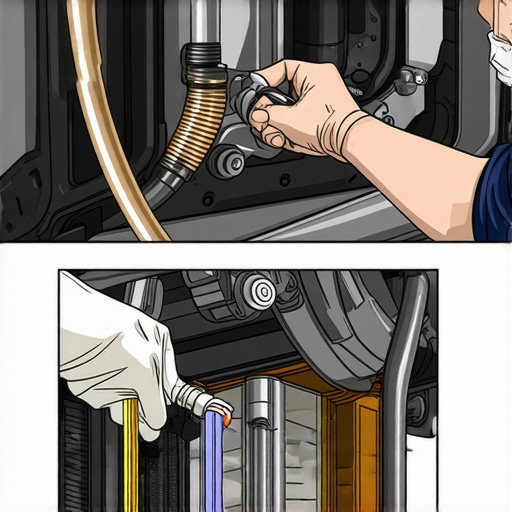
Many people forget that there is a filter inside that transmission pan, just like the one on your engine. If that filter is clogged, the pump has to work twice as hard, and you will get symptoms that feel like a total transmission failure. If you take your car to a shop, you need to know how to tell if your mechanic actually replaced the transmission filter or if they just did a ‘lazy flush’ where they suck the old fluid out the top. A real service involves dropping the pan, cleaning the magnets, and putting in a fresh filter. This level of detail is exactly what does an ase certification mean for your cars maintenance—it ensures the person under your car knows the difference between a superficial fix and a proper preventative service.
Why Lifetime Fluid is a Dangerous Marketing Gimmick
You have probably seen those owner manuals that claim the transmission fluid is ‘filled for life.’ I am here to tell you that this is one of the most expensive myths in the automotive world. In my years under the hood, ‘lifetime’ usually translates to ‘until the powertrain warranty expires.’ If you plan on keeping your vehicle past the 100,000-mile mark, ignoring your fluid is a recipe for disaster. SAE International research indicates that even the most robust synthetic fluids undergo thermal degradation and polymer shear, losing their vital viscosity when subjected to the stop-and-go stresses of modern traffic. Staying proactive with your top oil change tips for safe driving in 2025 is a start, but the gearbox needs its own dedicated schedule. If you are hauling heavy loads or driving through hilly terrain, you are likely making the mistake that kills transmissions during heavy mountain towing by not shortening those intervals. This isn’t just about color anymore; it is about the chemical stability of the lubricant.
Can a Simple Software Update Fix a Slipping Gear?
Surprisingly, yes. I have seen countless DIYers and even some independent shops jump straight to a mechanical diagnosis when the issue is actually digital. Modern transmissions are governed by a Transmission Control Module (TCM) that manages line pressure and shift points based on hundreds of inputs per second. Before you sign off on a five-thousand-dollar rebuild, ask if the technician has checked for Technical Service Bulletins (TSBs). Manufacturers often release software patches that adjust the shift pressure or timing to compensate for natural wear on the clutch packs. This is where what does an ase certification mean for your cars maintenance truly shines—it is not just about knowing how to turn a wrench; it is about having the diagnostic logic to check the computer first. If you skip this step, you might end up paying for a mechanical fix that doesn’t actually solve the ‘ghost’ in the machine.
The Deadly Risk of Stop-Leak Additives
Here is the ‘trap’ I see far too many people fall into: the magic bottle of stop-leak. When you notice a small pink puddle on the driveway, it is tempting to dump a ten-dollar chemical fix into the reservoir. Don’t do it. These products work by using ester-based chemicals to swell the rubber seals. While it might stop a drip temporarily, it also softens every other internal seal, eventually leading to a total loss of internal pressure and catastrophic failure of the piston seals. Much like the truth about using stop-leak products in your radiator, these are ‘limp-home’ solutions at best and mechanical-killers at worst. You are much better off choosing the right car service for your vehicles needs and fixing the gasket properly. Have you ever been tempted by a ‘miracle’ fix in a bottle, only to have it backfire? Let me know your horror stories in the comments—I have certainly had my share. Staying on top of a why regular oil changes extend your cars lifespan routine is the only real way to keep the repair shop from becoming your second home.
The Gear That Actually Saves You Money
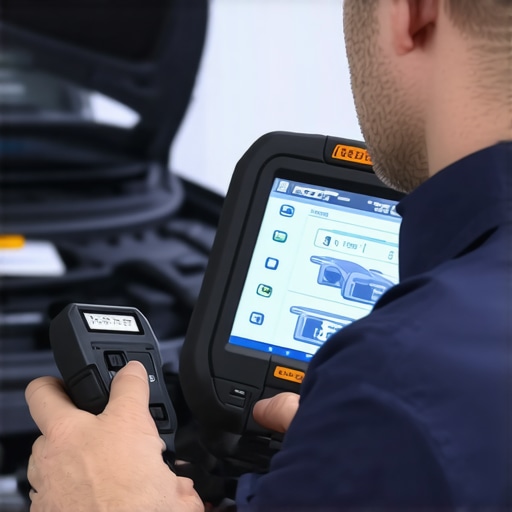
I’ve spent thousands on tools over the years, but if you’re serious about keeping your car out of the scrap heap, you need more than a basic socket set. I personally swear by bidirectional OBDII scanners. Most cheap dongles only show engine codes, but a professional-grade scanner lets you look at the Transmission Control Module (TCM) in real-time. This is how I catch high temperatures before they cook the seals. I use it to command the solenoids to fire while the car is parked, which is the fastest way to find a ‘sticky’ valve without taking a single bolt out of the pan. It is the difference between guessing and knowing, and it is exactly what does an ase certification mean for your cars maintenance—having the right data to make surgical repairs rather than throwing parts at a problem.

How do I keep this gearbox healthy for the long haul?
Consistency beats intensity every single time. You don’t need a miracle additive; you need a calendar. If you are managing multiple vehicles, you have to realize that why heavy traffic wears down your delivery fleet faster than highway miles is a mathematical certainty, not a suggestion. For my personal rig, I perform a simple ‘drain and fill’ every 30,000 miles. I don’t wait for the fluid to turn brown. This replaces about a third of the fluid and refreshes the additive package without shocking the system. If you’re driving a modern commuter, you might even find the secret to getting 300,000 miles out of a modern cvt lies in these shortened intervals. Technical documentation from ZF Friedrichshafen AG, one of the world’s largest transmission manufacturers, explicitly recommends oil changes every 80,000 to 120,000 kilometers (roughly 50k to 75k miles) depending on driving style, despite what many vehicle manufacturers claim about ‘lifetime’ fills.
Don’t Treat Your Fleet Like a Rental
If you are responsible for more than one vehicle, scaling your maintenance requires a different mindset. You can’t just react to puddles on the ground. You need to implement a program that tracks idle hours, not just mileage. I’ve seen transmissions in delivery vans fail at 60,000 miles because they spent half their life sitting in traffic getting heat-soaked. Learning how to get more miles out of your fleets transmission starts with cooling. I often recommend installing secondary auxiliary coolers for any vehicle that hauls or sits in gridlock. It is a small upfront cost that prevents a five-figure downtime disaster later. This proactive approach is the core of choosing the right car service for your vehicles needs and ensuring your bottom line isn’t swallowed by gearbox rebuilds.
The Future of Shifting is Digital
As we move toward 2025, the trend is shifting toward predictive maintenance powered by telematics. We are seeing software that can actually predict a clutch failure weeks before the driver feels a slip by analyzing micro-variations in shift timing. However, no software can replace a clean filter and fresh oil. Even as cars get smarter, the mechanical reality of friction remains. I expect that soon, your car will alert your phone the second your fluid viscosity drops below a safe threshold. Until then, you have to be the brain of the operation. My best advice? Next time you have the car up for a top oil change tips for safe driving in 2025 session, take five minutes to perform a why a live drive is the only way to catch intermittent engine hesitations or transmission shudders. Catching a glitch while it is still digital is much cheaper than catching it once it becomes metal shavings.
Hard Truths from a Decade Under the Chassis
Over the years, I have realized that transmission fluid isn’t just oil; it is a communication medium. If you ignore the signals, you are basically hanging up on your car. Here is the wisdom I wish I had when I started: first, never trust a ‘lifetime’ label. It is marketing, not mechanics. Second, the moment you smell something sweet and smoky, pull over. That smell is the friction material of your clutches burning off. Finally, always ask for your old parts back. If a shop claims they replaced a filter, seeing the old, clogged one in a box provides peace of mind and confirms you aren’t paying for a ‘ghost’ service. This level of transparency is exactly what does an ase certification mean for your cars maintenance—it is about accountability and technical standards.
My Must-Have Arsenal for Transmission Health
If you want to move beyond basic maintenance, you need the right data. I personally rely on three specific items. First, a bidirectional OBDII scanner; it is the only way to see what the Transmission Control Module is actually thinking in real-time. Second, I highly recommend reading the service literature from ZF Friedrichshafen AG. They build the gearboxes for many top brands and their maintenance specs are often stricter (and better) than the car manufacturer’s manual. Lastly, don’t overlook a simple infrared thermometer. Checking the pan temperature after a long haul can tell you if your cooling system is failing long before a dashboard light flickers. Staying ahead of these details is the secret to transmission troubles expert insights for smooth shifting. For the latest advice on all vehicle fluids, check out our top oil change tips for safe driving in 2025.
#IMAGE_PLACEHOLDER_E#
Your Journey Toward a 300,000-Mile Gearbox
Taking care of your transmission doesn’t have to be a source of anxiety. By performing regular sensory checks and sticking to a consistent why regular oil changes extend your cars lifespan routine, you are taking the power away from the dealership service desk and putting it back in your own hands. Your car is one of your biggest investments, and it deserves a proactive approach rather than a reactive one. Whether you are managing a personal daily driver or a professional delivery team, choosing the right car service for your vehicles needs is the final piece of the puzzle for long-term reliability. Don’t wait for the shudder to start; give your gearbox the fresh fluid it craves today. Have you ever caught a major transmission issue just by noticing a change in the way your car smells? Let me know your experience in the comments below!