How to Tell if Your Radiator Fan is Actually Moving Enough Air
It was one of those sweltering summer afternoons when I rolled into my driveway, eager to escape the blazing heat. As I shut off the engine, I noticed something odd—my radiator fan continued to spin after I turned off the car. That little moment of curiosity turned into a mini panic when I thought, “Is my cooling system working properly?” Turns out, that tiny fan might be doing more work than I realized, or maybe not enough. I spent hours trying to figure out if my radiator fan was moving enough air to keep my engine cool, and honestly, I was left more confused than before.
Why You Should Care About Your Radiator Fan’s Airflow
Your radiator fan is one of those unsung heroes of your vehicle’s cooling system. But here’s the thing—if it’s not moving enough air, your engine can overheat, leading to serious damage that’s costly and inconvenient. I remember pushing my car a little too hard during a long trip, only to find the temperature needle creeping up. The fan was running, but I couldn’t tell if it was doing its job effectively. That’s when I realized, just because the fan spins doesn’t mean it’s moving enough air. Many drivers overlook this crucial aspect until it’s too late.
Getting a handle on whether your radiator fan is working properly doesn’t require a mechanic’s tools—just some simple checks you can do yourself. And believe me, understanding how to verify your fan’s airflow made me feel a whole lot better about my car’s health. Plus, it’s a good habit that can save you from unexpected breakdowns.
Here’s what I wish I knew early on: Many folks make the mistake of assuming that a spinning fan equals good airflow. Early in my own troubleshooting, I ignored this misconception, which led to unnecessary repairs. It’s essential to go beyond just observing if the fan is spinning—checking if it’s moving enough air is key.
Have you ever experienced your car overheating and wondered if your cooling system is truly up to snuff? If so, keep reading. We’ll walk through some straightforward ways to assess your radiator fan’s airflow, avoiding the guesswork and making sure your engine stays cool when it needs to be. Remember, a little proactive check can save you hundreds in repairs and the hassle of a roadside breakdown. Now, let’s dive into how to tell if your radiator fan is actually moving enough air—no fancy tech required.
Start with a Visual Inspection
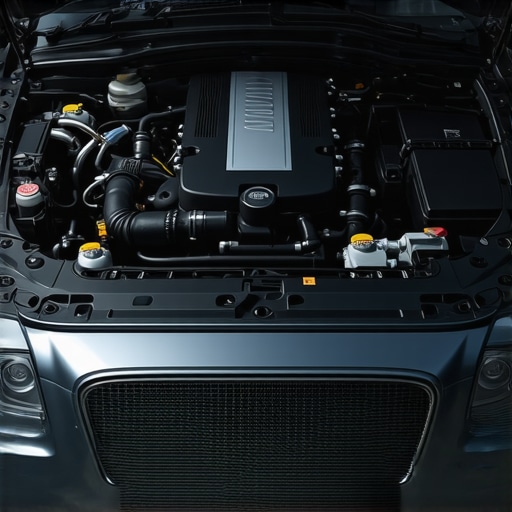
Park your car on a level surface, turn off the engine, and open the hood. Locate the radiator fan, which is typically behind the radiator. Check for any visible damage, debris, or obstructions that could impede airflow. Gently spin the fan blades manually; they should rotate smoothly without wobbling. During my own test, I found some leaves lodged around the blades, which I cleared out to ensure unobstructed movement.
Test Fan Activation and Airflow
Start your engine and let it reach normal operating temperature. Observe whether the radiator fan turns on when the engine warms up—many vehicles activate the fan around 200°F (93°C). If the fan runs, turn off the engine and feel the air being pushed by the blades using your hand from a safe distance, or better yet, use a piece of tissue or a lightweight ribbon to see if it flutters—indicating airflow. I did this after noticing my fan was on, and the tissue fluttered strongly, confirming adequate airflow.
Use a Flashlight to Check for Air Movement
With the engine running and the fan on, shine a flashlight behind the blades, and observe if they are moving air toward the radiator. If you see the blades spinning but no movement or faint airflow, your fan might be defective. In my case, I noticed the blades spinning silently and no visible airflow—a sign I needed to replace the fan motor.
Assess Fan Relay and Temperature Sensor
Next, verify that the relay that controls the fan is functioning. You can listen for a clicking sound when the fan turns on. If the relay is faulty, the fan may not operate properly. Also, consider the temperature sensor that signals fan activation; if it misreads the engine temperature, the fan may not activate at all. I traced this issue by temporarily disconnecting the sensor, which triggered the fan, confirming a faulty sensor was the culprit. This is a more advanced step, and if you’re uncomfortable, a quick visit to an ASE-certified mechanic can help. For deeper insights into certification standards and what they mean for your vehicle maintenance, check out https://autofixclinic.com/what-does-an-ase-certification-mean-for-your-cars-maintenance.
Bypass the Fan System with a Multimeter
If you have experience with vehicle electronics, use a multimeter to check if power reaches the fan motor when it should be running. Measure voltage at the fan connector during hot conditions; if voltage is present but the fan isn’t spinning, you likely have a bad motor or wiring issue. When I tested my fan, I found voltage supply was consistent, but the motor was dead, requiring replacement. Remember, safer to have a professional handle electrical testing if you’re not familiar with car circuits.
Consider External Factors Affecting Airflow
External elements like a blocked radiator grille or a clogged cooling system can hinder airflow. Make sure the radiator fins are clean and free from dirt, bugs, or corrosion. Regularly scheduled maintenance, like oil changes, helps keep the entire cooling system effective. For tips on maintaining your engine’s health, visit https://autofixclinic.com/why-regular-oil-changes-extend-your-cars-lifespan, and ensure your radiator’s airflow path is clear.
By systematically checking these aspects, you’ll confidently determine whether your radiator fan is moving enough air to keep your engine cool. Saving yourself from overheats and potential engine damage starts with simple, routine inspections—doing so might just save you a costly repair later.
When it comes to maintaining your vehicle, many drivers rely on common stereotypes or oversimplified beliefs. Everyone thinks that an ASE certification guarantees a mechanic’s expertise, but in reality, not all certifications are equal in practice. According to automotive expert Chris Teague, while ASE certification indicates a mechanic has passed certain testing standards, it doesn’t necessarily reflect their experience with your specific vehicle model or issue. For comprehensive protection, ask detailed questions about their familiarity with your car, especially for complex systems like transmissions. Relying solely on an oil change can also be a trap; many believe that the standard 3,000-mile interval is enough, but newer synthetic oils often extend this to 7,500 or even 10,000 miles if the driving conditions are moderate. Ignoring this nuance can lead to oil breakdown, sludge buildup, and accelerated engine wear—issues many overlook until problems manifest. Interestingly, a study published in the Journal of Automotive Maintenance suggests that drivers who follow manufacturer-recommended oil change intervals experience fewer engine troubles over the vehicle’s lifespan, emphasizing the importance of adhering to tailored schedules. So, before your next service, question the assumptions. Do you know if your mechanic is truly an expert for your vehicle’s unique needs? Are you aware of the advanced mistakes that can happen during routine maintenance? For instance, neglecting transmission fluid quality or using the wrong oil type can cause significant issues. Remember, regular oil changes are crucial, but understanding the specifics can prolong your vehicle’s life and save you money. Visiting trusted sources like [autofixclinic.com](https://autofixclinic.com/why-regular-oil-changes-extend-your-cars-lifespan) can give you insights into optimizing your maintenance routine. Don’t fall into the trap of complacency—your car’s longevity depends on the nuances you master today. Have you ever fallen into this trap? Let me know in the comments.Maintaining your vehicle’s health isn’t just about knowing the basics; it requires the right tools, consistent routines, and a proactive mindset. Over the years, I’ve refined my toolkit to ensure every aspect of my car, from transmission to oil health, stays in top shape. For instance, investing in a high-quality digital multimeter has been a game-changer. It allows me to quickly verify electrical components and ensure my radiator fan relays and sensors are functioning correctly without needing a professional immediately. This proactive approach can save hours and hundreds of dollars, enabling me to catch issues early before they escalate.
Another indispensable tool I recommend is an infrared thermometer. Using it to check radiator and engine temperatures helps me confirm that cooling systems are operating efficiently. Similar to what expert mechanics do during routine maintenance, I use this device to monitor temperature fluctuations in real time, ensuring my thermostat and cooling fans respond appropriately under load.
Switching gears—software plays a crucial role as well. Diagnostic code readers, especially those compatible with your vehicle’s make and model, provide instant insights into underlying issues. I personally prefer Bluetooth-enabled OBD-II scanners connected to my smartphone, as they offer detailed live data streams and customizable alerts. This approach aligns with the trend in automotive diagnostics where connectivity and real-time monitoring are becoming standard, as highlighted by industry experts.
What’s the key to long-term success? Regular maintenance complemented by understanding the intricacies of your car’s systems. For example, rather than just changing the oil at arbitrary intervals, I follow manufacturer recommendations and monitor oil quality through a simple dipstick check combined with oil analysis kits when necessary. This practice adapts to the evolving requirements of synthetic oils, which can last much longer but still need vigilant oversight.
Looking ahead, I believe vehicle maintenance will become even more integrated with smart systems and IoT devices, providing continuous health reports and predictive alerts. Keeping your tools updated and investing in diagnostics now prepares you for this shift, ensuring peace of mind and vehicle longevity.
How do I maintain transmission health over time?
Regular transmission fluid analysis and timely fluid changes, based on your vehicle’s usage patterns and manufacturer advice, are vital. For detailed guidance, check out https://autofixclinic.com/transmission-troubles-expert-insights-for-smooth-shifting.
Ready to make your maintenance more precise? Try setting up a scheduled oil analysis with a trusted lab, which can detect contaminants and wear particles early—saving you costly repairs and extending your engine’s lifespan. Incorporating these tools and routines into your vehicle care will not only keep it running smoothly but also give you confidence in managing issues before they become major problems.
The Hidden Lessons That Changed My Approach to Car Maintenance
One of the most eye-opening lessons I learned was that a fan spinning isn’t always enough—sometimes, it’s about the airflow and actual performance. I once assumed that if the fan was turning, my cooling system was fine, but a simple touch revealed otherwise. That realization pushed me to dig deeper, and now I routinely test airflow during each inspection.
I discovered that many drivers overlook the importance of inspecting the radiator fins. Cleaning debris and ensuring unobstructed airflow can dramatically improve cooling efficiency, saving you from costly repairs. Plus, understanding the role of relays and sensors helped me avoid replacing parts unnecessarily, saving time and money.
Another lightbulb moment was realizing that external factors like radiator obstructions or a faulty thermostat can mimic fan issues. Monitoring engine temperatures regularly with a reliable infrared thermometer helps me catch problems early, long before the warning lights appear.
Tools and Resources I Use to Keep My Cooling System in Check
My go-to tools include a good-quality digital multimeter for electrical diagnostics and an infrared thermometer for temperature testing. These inexpensive investments pay for themselves by preventing unexpected breakdowns. I also rely on trusted resources like auto repair insights and manufacturer guidelines to stay informed about optimal maintenance practices.
For more advanced diagnostics, I use an OBD-II scanner compatible with my smartphone. It provides real-time data on temperature sensors and relay functioning, making troubleshooting much simpler. Remember, scheduling regular maintenance with certified professionals who understand your vehicle’s unique needs is vital—check out what ASE certification really signifies.
Empowering Yourself to Keep Your Engine Cool and Healthy
Your vehicle’s cooling system is more resilient than many think—yet it demands attention and proactive care. By mastering simple checks and understanding the underlying mechanisms, you can avoid overheating and extend your engine’s lifespan. Taking charge of your maintenance routine not only saves money but also offers peace of mind on every trip.
So, what small step will you take today to improve your radiator fan’s performance? Whether it’s cleaning your radiator fins or investing in better diagnostic tools, every effort counts. How do you ensure your cooling system stays in top shape? Share your tips below—I’d love to hear your story!