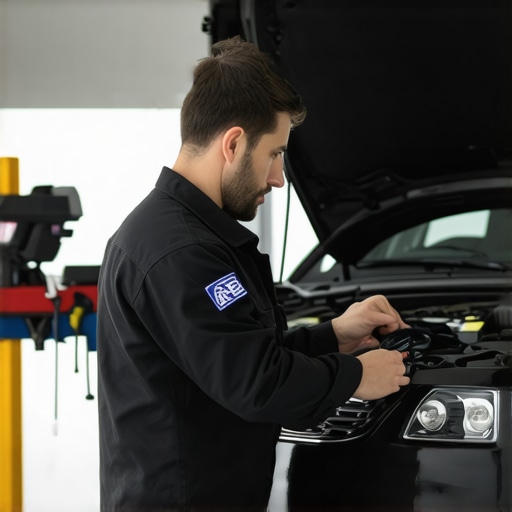
Why Your Tech Refuses to Install Those Online Brake Parts
I remember the moment like it was yesterday. I was mid-repair on my wife’s car, excited to swap out some online-purchased brake pads. But as I tried to install them, the stubbornness kicked in. The parts wouldn’t fit properly, and a creeping sense of frustration started to take hold. Have you ever had that lightbulb moment where you realize your meticulously ordered parts just don’t want to cooperate? That’s exactly how I felt—and it’s more common than you’d think.
Dealing with Uncooperative Brake Parts: What’s Really Going On?
If you’re like me, you rely on online parts for their convenience and, hopefully, better prices. But when those parts won’t install, it feels like hitting a wall. The truth is, several sneaky issues can cause this frustration—from manufacturing tolerances to incorrect part versions. This is especially true in the age of digital shopping, where even slight discrepancies can cause big headaches. I’ve found that understanding the root causes can save you hours of head-scratching and unnecessary replacements.
Is It Really Worth Trying to Force It?
One mistake I made early on was trying to force a part in without verifying its compatibility. It seemed logical—if it looks similar, it should fit, right? Wrong. For example, some online brake pads are designed for specific caliper setups, and using the wrong one can cause installation issues. A smarter move is to double-check with a quick visual test—like the one detailed here. Trust me, a little prep work goes a long way to prevent the aggravation of early-fit failures.
This challenge isn’t just about inconvenience; it can compromise safety if ignored. I’ve seen folks assume their parts are defective when, in reality, the problem lies in a simple mismatch. So, before you get out your wrench again, let’s look at the common pitfalls and proven strategies to make your brake installation smooth and secure.
Double-Check Before You Force It
Recall a time I faced a stubborn brake caliper that refused to accept a new piston. Instead of pushing harder, I gently removed the piston, compared it with the replacement, and realized they had different diameters. This quick visual check saved me from damaging the caliper and having to buy a new one. The same principle applies when installing parts from online sources—compare the physical components carefully.
Verify Part Numbers and Compatibility
Always cross-reference the part number on your order with the manufacturer’s specifications. I once ordered brake pads labeled for a 2018 model, only to realize they didn’t fit my 2020. Double-checking the exact vehicle make, model, and year ensures you’re installing compatible parts. Use your vehicle’s VIN to confirm details online or consult the manufacturer’s compatibility list.
Use Visual and Fit Tests
Before mounting, do a physical comparison: line up mounting holes, check for correct clip placements, and ensure dimensions match. For example, when replacing oil filters, many shops merely wipe the old filter and install a new one—skipping the critical step of actually inspecting the filter for metal particles or sludge here. Performing these tests prevents costly mistakes and guarantees proper fitment.
Don’t Rely on Visual Similarity Alone
A common mistake is assuming parts look similar and will fit. I once swapped out a gasket that looked identical, only to find that it caused a leak. Use calipers or a digital micrometer to measure thickness and diameter, ensuring precise matches. This step eliminates guesswork when dealing with parts from different suppliers.
Consult Official Diagrams and Resources
Digitally access manufacturer diagrams or official repair manuals. During my transmission rebuild, I used diagrams to verify component placements, reducing errors. For complex assemblies like transmissions, this step is crucial, preventing misalignment and ensuring safety.
Test Fitment Before Final Assembly
As I did with a set of suspension parts, perform a dry fit—assemble components loosely to check for correct fitment, then tighten fully. This approach catches issues early, saving time and preventing damage during final installation. For example, confirming the fit of clutch plates or transmission sensors can forestall operational problems.
Use Specialized Tools for Exceptional Precision
Sometimes, parts require specific tools—such as pullers, alignment pins, or torque wrenches—to ensure proper fit and function. When working on a GDI engine, I employed the correct alignment tools to install sensors, which significantly improved the process and error minimization here.
Many car owners and even some professionals operate under outdated or simplified beliefs regarding ASE certification, vehicle service routines, transmissions, and oil changes. Let’s dig deeper into these nuances to help you make more informed decisions.
Why Most People Mistake Regular Maintenance for Complete Vehicle Safety
It’s a common myth that simply following a maintenance schedule guarantees vehicle safety. While adherence to recommended service intervals is vital, overlooking the quality of parts and the technician’s expertise can lead to overlooked issues. For instance, relying solely on a mileage-based oil change without considering driving conditions or oil condition can cause significant engine wear. A visual test, such as the one discussed here, reveals whether your synthetic oil remains effective beyond the standard interval.
Common Pitfall: Assuming All ASE Certification Is Equal
Many assume that an ASE certification guarantees a technician’s exceptional skill or that certified professionals always deliver perfect service. However, ASE certification is a minimum standard, and ongoing training, specialization, and experience matter immensely. For example, an ASE Master Technician with a specialty in transmissions will likely handle complex rebuilds better than a generalist with just certification. Don’t hesitate to ask about specific ASE certifications and the technician’s track record. This insight can prevent costly mistakes, especially in intricate repairs like transmission rebuilds or diagnosing subtle issues in modern engines.
Beware the Trap of Overconfidence in Transmission Repairs
The transmission system is often misunderstood, leading to overconfidence in diagnosing and fixing problems. A popular misconception is that low transmission fluid is always the cause of slipping or shifting issues. While fluid level plays a role, the condition and compatibility of the fluid are equally critical. Sometimes, using the wrong type of fluid or neglecting the need for software updates exacerbates problems. For example, newer vehicles may require OEM-specific transmission fluids or software calibrations—tasks that require specialized knowledge. Skipping these steps can trigger the ‘oops’ moment, leading to permanent damage or costly replacements. Reviewing here for professional fixes helps avoid such pitfalls.
Why a Routine Oil Change Can Go Wrong Without Correct Inspection
Many believe that an oil change is just about draining old oil and pouring new. But this routine harbors hidden complexities. For instance, selecting the wrong oil viscosity for your engine, especially in extreme climates or for turbocharged models, can lead to increased wear or sludge buildup. Moreover, some shops fail to perform a proper visual inspection, missing metal flakes or sludge that indicate severe engine issues. An advanced sign of engine trouble can be detected by visual cues—like the presence of metal particles in the oil. Regularly performing visual tests and understanding your vehicle’s specific needs, such as the tips discussed here, ensures longevity and optimal performance.
Advanced Insight: How Do You Know When a Car Service Is Truly Adequate?
Many buyers rely on an honest-sounding checklist or glossy certification to judge car services. But a truly comprehensive service goes beyond ticking boxes. It involves verifying that calibration steps, such as resetting lane assist sensors here, or software updates were properly executed. Advanced diagnostics using OEM tools uncover hidden issues that generic scans miss. Asking for detailed reports and confirmation of calibration steps can prevent future drivability problems. Have you ever fallen into this trap? Let me know in the comments.
How Do I Keep My Vehicle Running Smoothly Over Time?
Maintaining your car, especially when it involves complex components like transmissions and engine systems, demands more than just routine oil changes. From precision tools to specialized software, the right equipment can significantly extend the lifespan of your vehicle and ensure safety. As an enthusiast and professional, I personally rely on diagnostic scan tools such as the Snap-on Verus Pro because they provide comprehensive data that go beyond generic OBD-II readers. These tools allow me to perform deep system diagnostics, verify sensor health, and calibrate components like lane assist sensors here.
For visual inspections, I utilize high-quality inspection mirrors and digital micrometers to measure clearances precisely, which is essential when dealing with transmission rebuilds or oil seals. When it comes to oil quality assessment, I use microscopic slide tests to evaluate the presence of wear particles, preventing catastrophic engine damage. This practice aligns with professional standards, especially when considering advice from experts on synthetic oil validation.
Want to keep your transmission shifting perfectly? Try calibrating your sensors with the latest ASE-approved software updates.
Predicting future trends, I believe integrating AI-driven diagnostics and IoT sensors will become commonplace, enabling real-time health monitoring and predictive maintenance. This leap will make DIY maintenance more accurate and professional services more efficient—saving you money and preventing breakdowns.
Are you wondering how do I maintain my transmission or oil change process over time? Regular calibration and using the right tools are key. For instance, performing proper sensor resets ensures systems like lane assist remain accurate, which is crucial for safety and comfort. Invest in good diagnostic equipment and make calibration a routine part of your maintenance checklist—this small step yields long-term benefits and peace of mind.
Lessons I Wish I Learned Sooner About ASE Certifications and Car Care
- One of the toughest truths was realizing that an ASE certification alone doesn’t guarantee expert-level service. The real expertise comes from ongoing training, specialization, and hands-on experience, especially with complex systems like transmissions. I’ve found that asking about a technician’s specific ASE credentials and track record can make all the difference.
- Early on, I believed that following routine maintenance schedules was the ultimate safeguard. But I learned that the quality of parts used and the technician’s attention to detail are equally vital. For example, using the correct oil viscosity and proper calibration steps, like resetting sensors properly, can prevent costly failures later.
- I underestimated the power of visual inspections beyond basic checks. Comparing new parts with old ones, measuring with calipers, and performing fit tests reveal potential mismatches or hidden wear—saving time, money, and frustration. It’s an approach that’s often overlooked but incredibly effective.
My Go-To Arsenal for Mastering Car Maintenance
- Diagnostic Scan Tools such as the Snap-on Verus Pro: These tools provide deep insights, allowing me to verify sensor health and calibration, which is crucial for systems like lane assist. They help catch issues before they escalate, keeping safety at the forefront.
- Digital Micrometers for Precision: Measuring component dimensions accurately ensures compatibility, especially when dealing with parts from different suppliers or used components. This level of precision prevents guesswork and unnecessary replacements.
- Visual Inspection Techniques and High-Quality Mirrors: Combining visual tests—like checking for metal particles in engine oil or wear on electronic connectors—gives a clearer picture of the health of critical systems. It’s surprising how much you can diagnose just by a careful look and measure.
- OEM Diagrams and Repair Manuals: Access to official diagrams minimizes the guesswork during complex repairs. Accurate component placement and calibration are pivotal, particularly for advanced systems like transmissions and hybrid engines.
Embrace the Journey to Better Car Care
Whether you’re an enthusiast or a professional, the road to mastering ASE certified car service is ongoing and filled with valuable lessons. Don’t hesitate to leverage advanced tools, ask the right questions, and prioritize meticulous inspections. Your vehicle’s longevity and safety depend on the effort you invest today. Are you ready to take your car maintenance to the next level? Share your experiences or questions below—I’d love to hear your story.