How to tell if your car’s computer is throwing false codes
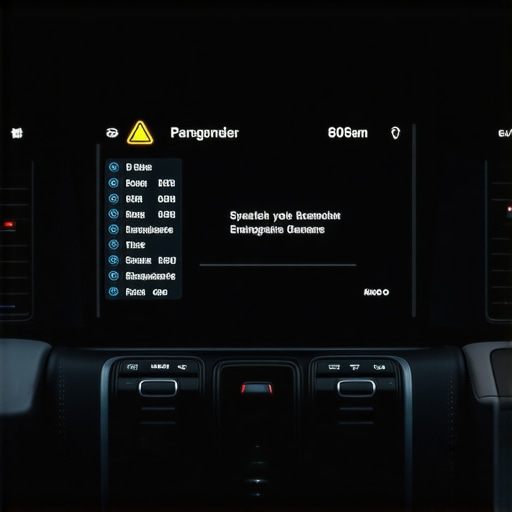
I remember the frustrating moment vividly: I’d just rolled into the driveway after a quick errand, expecting a smooth ride, only to see the check engine light flicker on again. My heart sank. I’d recently spent good money on a mechanic to fix a coolant leak, and now my dashboard was flashing codes that didn’t quite sit right. It felt like my car was playing a cruel game of digital tic-tac-toe, throwing out signals that didn’t match reality. Ever been there? That light comes on, and suddenly, the car feels like it’s questioning your patience instead of fixing a genuine problem.
Decoding the Mystery: Why Your Car Might Be Give False Codes
The truth is, modern vehicles are powered by complex onboard computers designed to keep us safe and optimize performance. But these systems can sometimes generate false alarms—like a friend who screams “Fire!” over a little spark. Early in my journey with car diagnostics, I made a costly mistake: trusting every code at face value. That led me down unnecessary repairs, and frankly, a financial drain. The key is understanding that these codes aren’t always accurate, especially if your car’s sensors or the computer itself are acting up.
According to automotive experts, false diagnostics can occur due to sensor malfunctions, electrical interference, or software glitches. For instance, a faulty oxygen sensor might send misleading signals, prompting the engine control unit (or ECU) to throw a code that doesn’t truly reflect an issue. Recognizing this can save you from unwarranted repairs and stress.
Are you tired of chasing phantom codes? Do you worry about spending money on repairs your car doesn’t actually need? You’re not alone. Many drivers face this dilemma, but the good news is, with a bit of knowledge, you can learn to tell when your car is honest—or just confused.
Before we dive into how to identify these false codes, let me ask: have you ever received a diagnostic trouble code (DTC) that turned out to be a false alarm? If so, you’re in the right place. Understanding the root causes and learning to verify the codes can keep your auto maintenance stress-free.
Now, let’s get practical. We’ll explore how to distinguish real problems from digital mischief, so your wallet and your peace of mind stay intact. And if you’d like to deepen your understanding of reliable car maintenance, I recommend checking out [this guide on ASE certifications](https://autofixclinic.com/what-does-an-ase-certification-mean-for-your-cars-maintenance), which explains how certified technicians help provide trustworthy diagnostics.
Test the Sensor Inputs Yourself
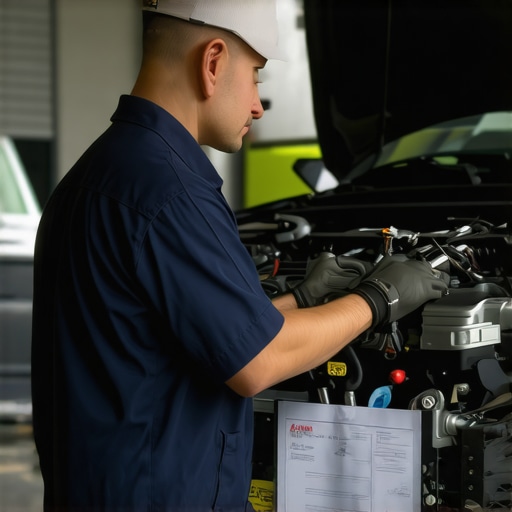
Start by disconnecting the suspect sensor’s connector and observing the diagnostic code. For example, if the O2 sensor is giving a false reading, unplugging it often triggers a specific code like P0131. Reconnect and note any change. This hands-on approach helps determine if the sensor is truly faulty or just misreporting due to wiring issues. I once diagnosed a fake code by unplugging the oxygen sensor, which immediately cleared the check engine light and prevented a costly replace.
Use a Multimeter to Check Electrical Connections
Employ a multimeter to test the sensor’s voltage or resistance—consult your vehicle’s service manual for specific values. For instance, a coolant temperature sensor should fluctuate as the engine warms up. If readings stay frozen, the sensor or wiring might be defective. Using a multimeter transformed my approach from guesswork to precision, avoiding unnecessary parts replacement.
Verify the Code with an OBD-II Scanner
Connect an OBD-II scanner to retrieve live data and code details directly from your vehicle’s ECU. Many scanners let you clear codes and see if they reappear during test drives. This process was a game-changer for me: I cleared a code for a faulty MAP sensor, then drove around; the code didn’t return, confirming the sensor or wiring was at fault—not the ECU itself.
Assess Sensor Performance During Operation
Use the scanner’s live data feature to observe sensor output in real-time. For example, a faulty MAF sensor might show inconsistent readings. If data looks suspicious, swap with a known-good sensor if available. This step helps pinpoint whether the code reflects a true problem or just a sensor malfunction. I once swapped in a spare sensor and watched the live data stabilize, saving hundreds on unnecessary repairs.
Inspect Wiring and Connectors Carefully
Visually examine the wiring harness and connectors for corrosion, fraying, or damage. Use dielectric grease to improve connections. Faulty wiring can cause intermittent signals leading to false codes. During my troubleshooting, cleaning corrosion from sensor connectors eliminated erratic codes, illustrating the importance of wiring inspection over rushing to replace parts.
When to Trust the Expert
If your tests reveal the sensor and wiring are sound, but codes persist, it’s time to consult a qualified mechanic. Certified technicians, especially those with ASE certifications, can perform advanced diagnostics on systems like ASE-certified shops. Their experience helps prevent unnecessary replacements, saving you money and hassle. My experience with a certified technician confirmed the computer module itself was at fault, not the sensors.
Many drivers operate under misconceptions about essential car services like oil changes and ASE certification. Common beliefs, such as the idea that changing oil every 3,000 miles is always necessary, overlook how modern synthetic oils have extended recommended intervals, sometimes up to 10,000 miles if verified by vehicle-specific data. In my experience, trusting generic routines without understanding the nuances can lead to unnecessary expenses or overlooked issues. For example, many assume ASE certification guarantees a mechanic’s infallibility; however, certification focuses on knowledge standards, not hands-on experience or honesty. It’s crucial to recognize that even certified technicians can overlook minor transmission issues if they rely solely on basic diagnostics. Thinking all transmissions require a flush every 30,000 miles is also a myth—some cars benefit from drain-and-fill procedures instead, which preserve transmission longevity when performed correctly. Overlooking these subtle differences is a common trap; servicing without understanding the vehicle’s specific needs can cause premature wear or costly failures.
Why do transmission flushes sometimes cause more harm than good for certain models?
Research from automotive experts suggests that aggressive flushing can disturb debris or varnish in older transmissions, leading to component failure. Therefore, consulting a knowledgeable mechanic who understands your vehicle’s history and type is vital. Remember, not every car benefits from the same service intervals; knowing when to push for a transmission flush—or a simple drain-and-refill—can make all the difference. For more insights, explore transmission maintenance tips tailored to your vehicle. Meanwhile, many assume that a basic oil change is sufficient for engine health, but neglecting other components like spark plugs or coolant systems can undermine overall performance. Regular oil changes are critical, but they should be part of a broader maintenance strategy detailed in professional guides like why regular oil changes extend your car’s lifespan. Ultimately, understanding these nuanced aspects allows for smarter decisions, saving money and improving safety long-term. Have you ever fallen into this trap? Let me know in the comments.Maintaining your vehicle’s performance over the long haul requires more than just regular oil changes; it demands the right tools, consistent habits, and an understanding of evolving automotive technologies. As someone who’s been through the ups and downs of DIY car care, I recommend investing in a quality digital multimeter, like the Fluke 117, which offers precise readings essential for diagnosing sensor and wiring issues. Pair this with a reliable OBD-II scanner, such as the BlueDriver, that provides real-time data and helps verify code authenticity, preventing unnecessary repairs. Regularly updating your vehicle’s software through manufacturer portals keeps your car’s computer systems current, safeguarding against glitches that can cause false error codes. In terms of long-term results, adhering to manufacturer-recommended service intervals—especially for transmission maintenance—ensures longevity and peak performance.
How do I maintain my vehicle’s performance over time?
Beyond the tools, establishing a routine inspection of belts, hoses, and fluid levels is vital. For example, checking transmission fluid condition and level with a dedicated tester or dipstick can reveal early signs of wear before critical failure, as discussed in transmission maintenance guides. Using a high-quality microfiber cloth along with degreasing agents helps keep engine components clean, reducing the risk of sensor malfunctions caused by dirt and grime. Embracing proactive measures like inspecting wiring harnesses for corrosion and securing loose connectors can save you from costly diagnostics down the line. I’ve personally seen how a thorough cleaning of sensor connectors prevented false codes and unscheduled repairs.
Looking ahead, the trend points toward smarter, connected diagnostics that can predict issues before they become apparent—think of it as car health monitoring for the digital age. Automakers are integrating AI-powered diagnostics into vehicles, which will automate maintenance alerts and suggest precise interventions. To prepare for this future, I recommend familiarizing yourself with the latest diagnostic apps and automotive software updates.
If you’re serious about keeping your vehicle reliable, try calibrating your sensors with a multimeter and verifying these diagnostics by clearing codes with your OBD-II scanner. It’s a hands-on skill that can save you hours and hundreds of dollars, and I’ve found it incredibly rewarding. Proper maintenance isn’t just about fixing what’s broken but proactively ensuring your car’s systems function harmoniously for thousands of miles. For more detailed guidance, visit this resource on oil change benefits.
3 Hidden Lessons That Transformed My Approach to Car Maintenance
First, never assume every diagnostic code is accurate; sometimes, sensors or wiring issues create illusions of problems, leading to unnecessary repairs. Recognizing this saved me hundreds of dollars and taught me to verify codes with practical tests rather than blind trust.
Second, tools are worth the investment. A quality multimeter and reliable OBD-II scanner became my best allies. They allowed me to distinguish genuine issues from false alarms, empowering me to troubleshoot effectively and confidently on my driveway.
Third, professional guidance from certified technicians can be a game-changer. Professionals with ASE certifications bring experience that algorithms and DIY tests can’t replicate. Knowing when to seek expert advice helps prevent costly missteps and prolongs your vehicle’s lifespan.
Tools and Resources That Made a Difference
Investing in a Fluke 117 multimeter and BlueDriver OBD-II scanner revolutionized my diagnostics. These tools offer precision and real-time data, making troubleshooting more accurate and less stressful. For in-depth knowledge, reading guides on vehicle maintenance and exploring reputable sources like certified repair shops build your confidence and understanding.
Lastly, staying informed through trusted online communities and official manuals helps you adapt to new vehicle technologies, ensuring your maintenance approach remains effective and up-to-date.
Your Journey Starts Now—Harness What You’ve Learned
Applying these insights means you’re no longer at the mercy of confusing error codes or costly repairs. With patience and the right knowledge, you can keep your car running smoothly and confidently. Remember, every diagnostic challenge is an opportunity to become more skilled and self-reliant in car care.
What diagnostic trick or tool helped you the most during your car maintenance experience? Drop your story below—I’d love to hear about your wins!