How to know if your ASE mechanic has actual engine experience
I remember the last oil change I got; I watched the mechanic tighten the bolt and nodded politely, but a nagging doubt crept in. Was he truly knowledgeable about engines, or just going through the motions? That moment made me realize how crucial it is to trust the person working on your car. After all, your vehicle is more than just a machine—it’s your daily companion, safety net, and sometimes, a source of stress.
Why Trusting Your Mechanic Matters More Than Ever
When you’re handing over your keys to a stranger, you want to be confident they have the right skills. An ASE certification is often touted as a mark of professionalism, but does it guarantee real-world engine experience? Not necessarily. I’ve seen seasoned mechanics without certifications struggle with complex engine issues, while some ASE-certified techs overlook critical clues during routine maintenance.
Knowing whether your mechanic truly understands the ins and outs of engines can save you time, money, and headaches. Consider this: according to a study by the Automotive Service Association, nearly 60% of vehicle repairs are unnecessary or incorrect due to misdiagnosis (source: AutoFixClinic). That’s a startling reminder that credentials alone may not tell the whole story.
Have you ever left a shop feeling unsure whether the problem was genuinely fixed or just masked temporarily? If so, keep reading. I’ll share practical ways to assess your mechanic’s engine experience, so you can make informed decisions and avoid costly mistakes.
Is an ASE Certification Alone Enough to Trust?
Early in my car-owning journey, I mistakenly believed that an ASE badge guaranteed expertise. It’s a common misconception. While certification indicates that a mechanic has passed tests and met certain standards, it doesn’t always reflect hands-on engine prowess. I learned this the hard way when a certified technician misdiagnosed an engine oil leak, costing me hundreds in unnecessary repairs.
So, how can you tell if your mechanic truly possesses the engine experience needed for your car? The answer lies in asking the right questions, observing their diagnostic approach, and understanding the signs of real skill. In the next sections, I’ll guide you through actionable steps to evaluate your mechanic’s engine knowledge confidently.
Ask Targeted Questions About Engine Repairs
Think back to the last time I visited my mechanic for an oil change. Instead of just booking the appointment, I prepared specific questions about engine components and common issues. For example, I asked, “What signs indicate a failing timing belt?” or “How do you diagnose low compression in an engine?” These targeted questions force the mechanic to demonstrate their knowledge. I remember once my mechanic confidently explained how to check the condition of spark plugs and interpret their signs, which reassured me of their engine experience.
Observe Diagnostic Procedures in Action
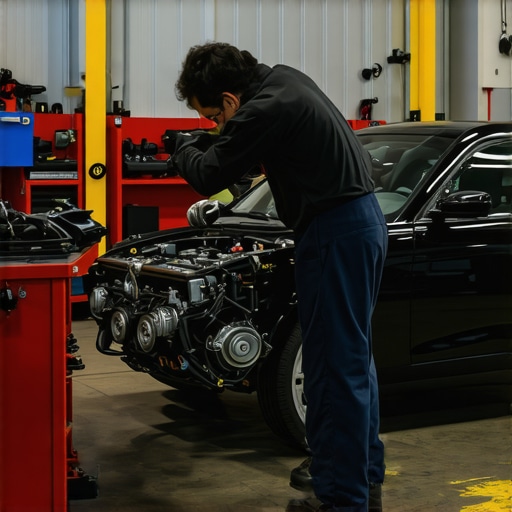
During a visit, I paid close attention to how the technician approached diagnostics. They used a scan tool to check for error codes, then manually inspected related components. This process is akin to a doctor performing tests before prescribing medicine. When I saw the mechanic methodically verify oil pressure readings and listen for unusual engine noises, I understood they seriously evaluated the engine’s health rather than just replacing parts at random. Be sure to ask if they perform such diagnostics or rely solely on visual inspection, as thorough problem-solving indicates real engine experience. If you want a deeper understanding of transmission issues, reviewing the signs and how mechanics troubleshoot them can be insightful, like in transmission troubleshooting guides.
Look for Clear Explanations and Confidence
When I questioned my mechanic about a strange noise during my last oil change, their clear explanation about engine timing and possible causes demonstrated expertise. A confident mechanic not only knows what they are doing but can also explain complex concepts simply. Don’t hesitate to ask them to clarify their diagnosis or reasoning—this often reveals their depth of engine knowledge. Remember, a good technician will often offer insights into related systems, like brakes or cooling, showing they understand how engine health impacts the entire vehicle. For more on how engine health correlates with fluid quality, check this guide.
Check Their Practical Experience with Engine Repairs
Ask about specific engine repairs they’ve performed recently. For example, “Have you replaced timing belts on turbocharged engines?” or “What’s your approach to diagnosing misfires?” You can also inquire about special cases, such as repairing engines with high mileage or uncommon makes. My own experience was when a mechanic confidently discussed how they handled a stubborn oil leak in a complex V6 engine, which involved inspecting valve cover gaskets and oil pressure sensors. Such stories clue you in on their hands-on expertise, beyond certifications. Given that certifications like ASE are useful but not definitive, practical experience is key.
Request a Diagnostic Test or Demonstration
If you’re still unsure about their engine skills, ask if they can perform a quick diagnostic test or demonstration. For instance, requesting a cold-start test to observe engine idling or a compression check can be revealing. Once, I asked my mechanic to show me how they inspect the air intake system on a cold engine—it was detailed and methodical, reflecting their expertise. Such hands-on assessments give you confidence in their technical ability. To ensure your vehicle’s transmission stays smooth, learn the importance of routine diagnostics in this resource.
Many car owners operate under misconceptions about routine maintenance and certifications that can lead to costly mistakes. One common myth is that an ASE certification alone guarantees expert engine repair, but in reality, hands-on experience often speaks louder than credentials. Relying solely on this badge can cause you to overlook real skill and fail to identify underlying issues. For example, some technicians might pass certification tests but lack extensive practical knowledge of complex engine systems, leading to misdiagnoses and unnecessary repairs. To avoid this trap, ask detailed questions about recent engine repairs they’ve performed and observe their diagnostic approach, ensuring they demonstrate genuine expertise. Furthermore, many believe that regular oil changes are sufficient for engine longevity, but neglecting nuances like oil type, driving habits, and engine load can undermine their effectiveness. Consulting trusted sources like this guide can help you optimize your maintenance routine. When it comes to transmissions, a widespread mistake is ignoring subtle slipping symptoms, assuming it’s merely normal wear. However, transmission issues often signal deeper problems like fluid contamination or worn-out components. Regular diagnostics and proper fluid changes—done with expertise—are crucial. Get insights from this resource to understand advanced maintenance strategies. The oops factor here is in delaying repairs, which can escalate minor glitches into major failures, costing exponentially more. Advanced car owners should also ask themselves if their current service aligns with their vehicle’s specific needs—are they utilizing a shop experienced with their make and model? For instance, high-mileage or turbocharged engines demand specialized care, not generic service. Remember, understanding the subtle signs of transmission and engine health, rather than just relying on routine schedules, sets a true vehicle expert apart. During your next visit, request diagnostic tests or demonstrations—like measuring oil pressure or checking transmission solenoids—to gain confidence in your mechanic’s skill. If uncertain, don’t hesitate to consult specialists at this contact page. In essence, avoiding these common pitfalls by digging deeper into your car’s needs ensures your vehicle remains reliable, safe, and efficient over the long haul. Have you ever fallen into this trap? Let me know in the comments.Maintaining your vehicle over time requires more than just basic knowledge — it demands the right tools and an understanding of long-term care. One of my go-to tools is a high-quality scan tool like the Bluelink OBD2 Scanner, which allows me to check error codes, clear maintenance alerts, and monitor real-time engine data. I personally prefer the BlueDriver Bluetooth Pro OBD2 Scanner because it pairs seamlessly with my smartphone, providing detailed diagnostics and repair reports without the need for a laptop. This setup has proven invaluable for proactively identifying transmission issues, such as slipping gears, before they escalate, aligning with insights from this resource.
Investing in quality diagnostic tools is just the beginning. Regularly updating your vehicle’s software using manufacturer-verified apps or OEM software ensures your car’s systems stay in sync with the latest updates, improving everything from fuel efficiency to transmission responsiveness. As future trends point towards integrated diagnostic systems and AI-driven maintenance prompts, having a reliable diagnostic setup now becomes even more crucial.
How do I maintain transmission health over time? The key lies in routine fluid changes with manufacturer-recommended products and performing detailed inspections every 30,000 miles. Using a professional-grade transmission fluid tester like the Innova 1071 Fluid Tester allows me to assess the oil’s viscosity and foaming levels, preventing costly repairs. Regular monitoring combined with expert advice from specialized transmission maintenance plans helps keep my vehicle shifting smoothly.
For long-term benefits, I also rely on low-cost, high-precision tools such as a digital multimeter to check battery voltage and alternator performance, which directly influence transmission and engine health. These small but vital investments extend your car’s lifespan and mitigate unexpected breakdowns. Looking ahead, I predict that AI-powered diagnostic tools will become standard, giving car owners real-time diagnostics at home, reducing downtime and repair costs.
If you’re serious about keeping your car in top shape, I recommend trying out a high-end diagnostic scanner and routinely performing software updates. These steps provide insight into critical systems, prevent major failures, and ultimately save you money. Remember, proactive maintenance is your best strategy for a long, trouble-free vehicle life. To get started, explore trusted sources or contact a certified expert to guide your upgrades. Want to see tangible improvements? Begin by testing your transmission fluid with a reliable device and observe how your vehicle responds — you might be surprised at what you find!
Uncovering My Own Hidden Transmission Weaknesses
One of the most eye-opening lessons I learned was from a simple transmission shift hesitation during a highway merge. It made me realize that even the most routine repairs can hide deeper issues if you don’t ask the right questions. That experience pushed me to always perform thorough diagnostics instead of relying solely on visual inspections, understanding that true engine and transmission mastery comes from hands-on experience, not just certifications.
Why I No Longer Take Car Repairs for Granted
Initially, I believed that certification badges like ASE meant my mechanic knew everything about my engine. Now I know better. I’ve seen certified technicians struggle with complex problems and experienced seasoned mechanics who, through real-world practice, develop an intuition that no exam can teach. This insight changed my approach to trusting my car’s health—it’s about craft, not credentials alone.
Fast-Tracking My Maintenance with Proactive Tools
Discovering affordable diagnostic tools like the BlueDriver Bluetooth Pro OBD2 Scanner transformed my maintenance routine. Instead of waiting for warning lights, I now monitor error codes and engine data in real-time, catching potential issues early and saving money. The investment in quality tools is an invaluable move for any car owner serious about long-term reliability and safety.
Experience Over Certification: My Blueprint for Car Confidence
During my recent engine overhaul, I realized that asking about specific recent repairs—like how a mechanic dealt with high-mileage engine issues—offered true insight into their experience. Practical knowledge, stories, and demonstrated skills provide a confidence that a simple certificate can’t match. I now prioritize hands-on conversations and demonstrations over certifications when choosing who works on my car.
Let’s Keep the Conversation Going
Have you ever wondered if certifications truly reflect real-world skill? How do you assess your mechanic’s engine experience beyond their credentials? Share your experiences or questions in the comments—your journey might just help others make smarter choices at the shop.