The Hidden Cost of Skipping Your Rear Differential Service
It was one of those mornings when I noticed a strange whine while accelerating—an eerie noise I couldn’t ignore. Turns out, I had skipped my rear differential service for too long, and it caught up with me in a big way. That lightbulb moment made me realize how easy it is to overlook this crucial maintenance step, especially when you’re busy or assume it’s not urgent. Today, I want to share my experience and help you avoid the costly mistakes I made.
Why Skipping Rear Differential Service Can Hurt Your Car in the Long Run
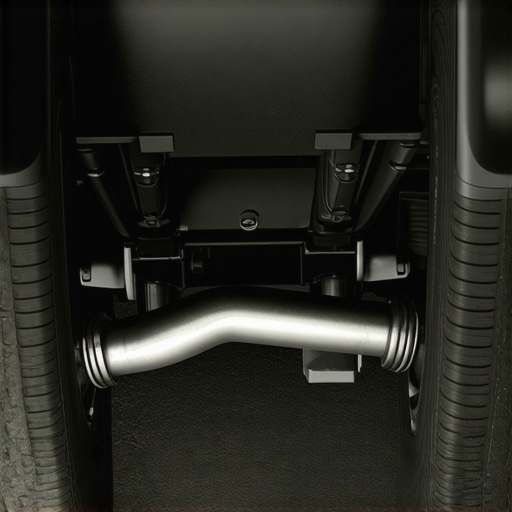
Many drivers focus on oil changes and brake checks, but the rear differential often falls off the radar. Yet, neglecting its maintenance can lead to serious issues, including uneven tire wear, poor handling, and even transmission damage. When the differential isn’t properly lubricated, its internal gears grind against each other, causing increased wear and potential failure. This can not only cost hundreds in repairs but also leave you stranded unexpectedly.
From my own mistake, I learned that a simple service can prevent this chaos. Revisiting my maintenance schedule and acting early saved me from a disaster that would have been much more expensive and inconvenient. It’s comparable to the importance of regular transmission fluid checks—skipping it might seem harmless until your car refuses to shift smoothly.
According to automotive experts, neglecting differential fluid changes can reduce the lifespan of your drivetrain components significantly. In fact, some mechanics suggest that a well-maintained differential can last as long as the vehicle itself, provided you keep up with the recommended service intervals. For more insights, you might want to review related maintenance tips on the real costs of ignoring your differential fluid.
Have you ever experienced that sudden noise or handling issue and wondered what could be wrong? If so, you’re not alone. Many drivers only realize their differential needs attention when something goes wrong—and by then, it’s often too late.
In the sections ahead, I’ll guide you through how to recognize early signs of differential issues and outline the simple steps to keep your drivetrain healthy. Trust me, catching this early can save you a ton of money and hassle—so let’s dive into understanding why this service matters so much.
Prepare Your Vehicle for Differential Service
Start by parking your car on a level surface and engaging the parking brake. Gather essential tools: a jack, jack stands, a socket set, a drain pan, and new differential fluid as specified in your owner’s manual. Wearing gloves and safety glasses is a must to protect yourself from gear oil splash. I once skipped this and ended up with oil all over my driveway—I learned the hard way that safety gear saves time and mess.
Access the Differential
Lift the vehicle using the jack and secure it with jack stands. Locate the rear differential, usually found between the rear wheels. Remove any covers or shields blocking access to the drain plug and fill plug. Be cautious—these bolts can be tight and rusty. An air impact wrench can make this step faster but use it carefully to prevent stripping the bolts. Remember, if the cover has a thick gasket or sealant, replace it to prevent leaks during refilling.
Drain the Old Fluid
Place the drain pan under the differential’s drain plug. Carefully unscrew the drain plug with the socket wrench. Allow the gear oil to flow out completely. This oil often looks dark and gritty when overdue for a change. Pour the drained oil into a container for proper disposal. I once neglected to have a container ready, spilling gear oil on my driveway—so set this step up beforehand. For a thorough flush, you might consider adding a differential flush product before draining, but confirm this is recommended for your vehicle to avoid damage.
Inspect Interior Components
While the oil drains, check the gears and bearings if accessible. Look for metal shavings or unusual wear signs, which indicate underlying issues. If you notice significant wear, consulting a professional early can prevent a costly breakdown. This inspection saved me from a failure on a road trip—spotting minor corrosion early kept my car healthy longer.
Refill with New Gear Oil
Once the old oil is drained, clean the drain plug and restore the cover or gasket, then tighten securely. Using a funnel, refill the differential through the fill plug with the manufacturer-recommended gear oil. Fill until it begins to seep out of the fill port, indicating it’s full—don’t overfill, as excess oil can cause pressure issues. I once overfilled and had to drain some out, a reminder to always follow the specified capacity.
Double-Check and Clean Up
Reinstall the fill plug tightly and wipe any spilled oil. Lower the vehicle and test drive to ensure smooth operation. Watch for unusual noises or vibrations, which can signal incomplete service or underlying problems. Regularly checking your differential fluid, like doing with your transmission fluid on vehicles that need it, is as vital as an oil change. For more details on maintaining other key components, visit related transmission maintenance tips.
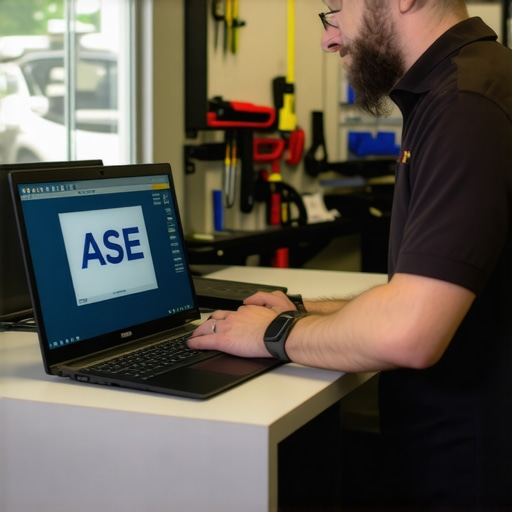
While many drivers believe that an ASE certification guarantees expert-level knowledge, the reality is more nuanced. ASE (Automotive Service Excellence) tests are valuable, but they primarily validate that a mechanic has passed certain skill assessments—nothing about their ongoing learning or specific expertise in areas like transmission repair or advanced diagnostics. Relying solely on an ASE badge can create a false sense of security. In fact, some ASE-certified technicians may still overlook critical nuances, especially regarding modern complex systems.
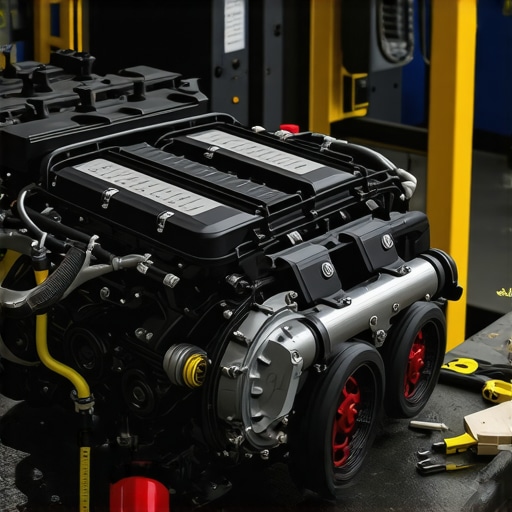
Why do some ASE-certified mechanics still make costly mistakes on modern transmissions?One common myth is that regular oil changes are enough to keep your engine healthy. But in high-performance or turbocharged engines, cheap synthetic oils can sometimes accelerate wear if they don’t meet exact specifications. A study by SAE International emphasizes the importance of using manufacturer-approved fluids, especially in specialized transmissions, to avoid damage—highlighting that not all synthetic oils are created equal.
Many car owners assume that all oil changes are straightforward, but in vehicles with sophisticated transmission systems, the choice of transmission fluid can mean the difference between smooth operation and costly repairs. Using the wrong fluid type or neglecting to replace it at recommended intervals can lead to premature failure. For example, European cars often require specific fluids; using mismatched types can cause seals to swell or shrink, leading to leaks and poor shifting performance. Learn more about this issue in this detailed post.
Another misconception involves routine car service. Many drivers believe that sticking to the manufacturer’s maintenance schedule is optional or overly cautious. However, neglecting advanced checks like differential fluid replacements or transmission flushes can be disastrous. A failure to recognize early signs of transmission wear—such as slipping, shuddering, or delayed engagement—can escalate into complete system failure, often requiring costly rebuilds or replacements. An expert’s advice is to treat these systems as critical components, and proactive maintenance can extend their lifespan significantly.
How can you tell if your transmission is silently failing?Understanding the ‘hidden’ nuances can prevent expensive surprises. For instance, some mechanics recommend inspecting internal components for signs of micro-pitting or gear wear during routine fluid changes. These subtle indicators often go unnoticed but serve as early warning signs. Checking for metal particles in the fluid or unusual noises during shifts can save you from a breakdown. Regularly reviewing your vehicle’s maintenance journal, coupled with professional diagnostics, ensures small issues don’t snowball into costly repairs. As my experience has shown, the difference between a well-maintained transmission and one on the edge of failure often hinges on attention to these overlooked details. If you’re unsure about your current maintenance plan, it’s wise to consult in-depth guides like this resource.
Now that we’ve dug into the nuances and myths, I invite you to reflect: Have you ever fallen into this trap? Let me know in the comments.
Investing in Quality Tools for Ongoing Maintenance
Maintaining your vehicle’s transmission and differential components isn’t just about knowing what to do—it’s about having the right tools at hand. I personally swear by a digital infrared thermometer for quickly checking differential and transmission temperature during service, which helps prevent overfilling or underfilling fluids. A high-quality magnetic pry bar is invaluable for removing stubborn drain plugs and covers without damaging gaskets or threads. For those who prefer a more comprehensive approach, a professional-grade scan tool like the Autel MaxiCOM can provide live data on transmission and drivetrain sensors, helping you identify issues before they escalate. Remember, investing in reliable equipment saves time and ensures accuracy, especially when performing delicate tasks like fluid refills or component inspections.
Streamlining Long-Term Results with Proven Methods
Consistency is key to lasting vehicle health. Regularly scheduling differential and transmission fluid checks using a high-quality, calibrated fluid tester—such as a refractometer—ensures you maintain optimal viscosity and lubrication. I recommend setting reminders aligned with manufacturer intervals, but always be attentive to your vehicle’s unique behavior; slight shifts in handling or odd noises can indicate the need for an early fluid top-up or a professional inspection. Additionally, keeping detailed records of each service can help you track wear patterns and anticipate future repairs. As vehicle technology evolves, so do the tools we use—digital diagnostic apps integrated with Bluetooth OBD-II adapters are becoming essential for at-home diagnostics, giving you real-time insights into your car’s health without visiting a mechanic.
Scaling Up with Advanced Techniques and Future Trends
Looking ahead, the integration of AI-powered diagnostics and predictive maintenance algorithms promises to revolutionize car care. Machine learning models are now capable of analyzing data from various sensors to forecast component failure, allowing proactive service scheduling. For example, I’ve started experimenting with aftermarket telematics systems that monitor differential temperature and fluid quality remotely, alerting me via smartphone if a threshold is crossed. To stay ahead, I suggest investing in training on these emerging technologies and staying updated through reputable automotive forums and publications. This proactive approach not only extends your vehicle’s lifespan but also minimizes downtime and repair costs.
How do I maintain my differential and transmission over time?
To keep these systems running smoothly, I regularly perform fluid analysis using specialized tools like refractometers to detect contaminants early. Ensuring you use manufacturer-approved fluids, especially in European vehicles where incorrect transmission fluid can cause severe damage, is critical. Remember, small investments in diagnostic equipment and routine checks now can prevent expensive repairs later, including serious transmission rebuilds. An advanced tip I recommend is scheduling semi-annual fluid tests and keeping detailed maintenance logs—this strategy provides peace of mind and keeps your car performing at its best. If you’re ready to elevate your maintenance game, try setting up a baseline reading with a water content digital tester and compare it over time; this simple step can reveal hidden wear and tear before noticeable symptoms emerge. Staying informed about emerging tools and methods will keep your vehicle on the road longer and ensure every mile is smooth.
What I Wish I Knew Before Ignoring My Differential
One of the most eye-opening lessons I learned was that even seemingly minor neglect in transmission and differential maintenance can snowball into major repairs. Trust me, catching small signs early—like subtle vibrations—can save you thousands. This insight pushed me to develop a more proactive approach, which has kept my cars running smoothly for years.
Top Tools That Transformed My Maintenance Routine
Investing in quality equipment like a digital oil tester and a Bluetooth diagnostic scanner changed how I approach vehicle care. These tools empowered me to diagnose issues before they become emergencies, giving me confidence and saving money. I genuinely believe that small upgrades in your toolkit can have a massive impact on your vehicle’s longevity.
Embracing the Future: Maintenance in the Age of Tech
Emerging technologies such as AI diagnostics and remote monitoring are revolutionizing car care. Implementing these can provide early warnings about transmission or differential wear, turning maintenance from reactive to predictive. Staying informed and adopting these innovations will ensure your vehicle remains reliable and safe for years to come.