How to Safely Handle a Sudden Engine Stall in Heavy Reading Traffic
How to Safely Handle a Sudden Engine Stall in Heavy Reading Traffic
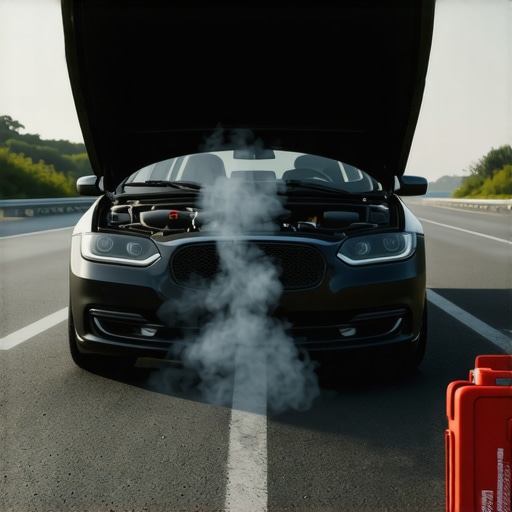
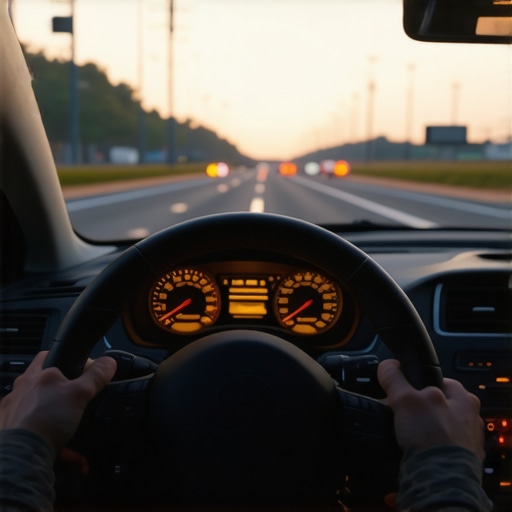
You are navigating the A33 Relief Road during the height of the afternoon rush. To your left, an HGV is rumbling toward the M4, and to your right, the South Reading Bus Rapid Transit lanes are buzzing with activity. Suddenly, the rhythm of your commute is shattered. Your engine sputters, the dashboard lights flicker like a distressed signal, and the familiar hum of your vehicle vanishes into an eerie silence. Your car has stalled in the middle of some of the most congested traffic in Berkshire.
My name is Suzy Holmes. As a Graduate Sports Therapist and experienced Massage Therapist, I spend my days helping people recover from physical trauma and chronic tension. You might wonder why a health professional is writing for Autofix Clinic. The reality is that automotive emergencies and physical health are deeply intertwined. When your car fails in a high-pressure environment like Reading’s Oxford Road, your body undergoes a massive “fight or flight” response. The sudden surge of cortisol and adrenaline causes your muscles to lock, your heart rate to skyrocket, and your decision-making to potentially cloud. While the technicians at Autofix Clinic focus on your engine, I am here to ensure that both you and your vehicle make it through this ordeal safely and with minimal long-term strain.
Immediate Action: The First 10 Seconds of a Stall
The moment your engine dies, time seems to dilate. In the first few seconds, your priority is safety – not just for your car, but for your physical well-being. The most important thing to remember is that while the engine has stopped, you still have control, albeit a more physically demanding version of it.
1. Don’t Panic and Stay Calm: As a therapist, I see the results of “bracing” every day. When the engine stalls, drivers often white-knuckle the steering wheel. This isometric tension can lead to acute neck and shoulder pain. Take one deep breath to break the panic cycle.
2. Engage Your Hazard Lights Immediately: This is your primary communication tool. Reading’s roads are notoriously packed, and drivers behind you need an immediate signal that you are no longer moving at speed. This is especially vital if you find yourself in a situation similar to what to do when your car loses power on a bridge, where space is at a premium.
3. Manage the Loss of Power Assistance: This is a critical technical fact: when your engine stalls, you lose the vacuum assist for your brakes and the hydraulic/electric assist for your steering. You will likely have one or two “normal” feeling brake presses before the pedal becomes “rock hard.” Do not pump the brakes; apply steady, firm pressure. Similarly, the steering will feel incredibly heavy. You will need to use your full upper body strength to guide the car toward the shoulder or a safe curb.
4. Shift to Neutral: If you are still rolling, shifting into Neutral (N) can sometimes allow you to attempt a restart while moving, though in heavy Reading traffic, it is often safer to focus on reaching a standstill in a safe location first. Once stopped, apply the handbrake firmly.
Navigating Reading’s Traffic Hotspots
Reading presents unique challenges for a stranded motorist. Recent data from the Reading Council highlights the intensity of our local roads. For instance, nearly 10,000 drivers were clocked by ANPR cameras in restricted zones recently, with a staggering 3,600 fines issued on Oxford Road alone. When your car stalls, you might find yourself inadvertently drifting into a bus lane or a restricted zone.
In these moments, safety must take priority over the fear of a fine. If you stall near the Oxford Road or the Wokingham Road, focus on getting the vehicle to a position where it does not obstruct the flow of HGVs or emergency services. Reading has become a frequent shortcut for heavy goods vehicles, as noted in recent BBC reports, making the “Move Over” rule even more critical. An HGV cannot stop as quickly as a car, especially if you have stalled just over the crest of a hill or around a tight bend.
Be aware of the “Thames Valley Berkshire Live Lab” project, which uses mobile data to monitor traffic flow. While this technology helps improve road safety, it also means that traffic jams can form rapidly behind a stalled vehicle. If you are stuck in a “moving traffic” camera zone, do not attempt to push the car yourself unless you are in a low-speed, low-risk environment. The physical strain of pushing a 1.5-ton vehicle can cause significant lumbar disc issues, often requiring the intervention of osteopaths in Reading to correct.
Why Did It Happen? Common Technical Culprits
Understanding why your vehicle failed can help lower your anxiety. At Autofix Clinic, we see several recurring themes when it comes to sudden stalls in stop-and-go traffic.
- Failing Fuel Pump: This is a common culprit. If the pump is struggling, it may fail to provide enough pressure when you are idling or slowing down. You can learn how to spot a failing fuel pump before you get stranded by listening for a high-pitched whining sound from the fuel tank area.
- Clogged Fuel Filters or Injectors: Reading’s “stop-and-start” nature means your engine spends a lot of time at low RPMs, which can exacerbate issues with fuel delivery.
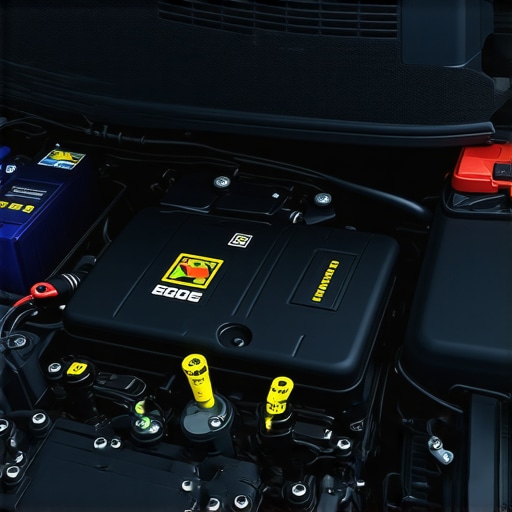
- Electrical Failures: A dying battery or a faulty alternator can cause the engine to lose its spark. If your dashboard lights dimmed before the stall, the electrical system is the likely suspect.
- Sensor Issues: Modern cars rely on Mass Air Flow (MAF) and Crankshaft Position sensors. If these send incorrect data to the car’s computer, the engine may simply shut down to prevent damage.
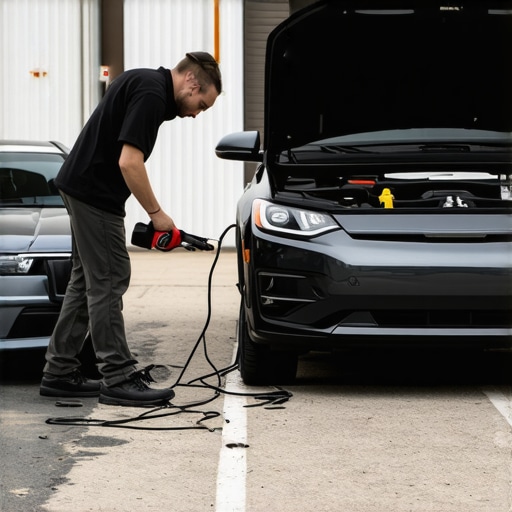
When these issues occur, it is essential to consult an expert. This is why an ASE technician is better than a general lube tech; they have the diagnostic tools to find the intermittent fault that a standard visual inspection might miss.
The Physical Toll: Managing Stress and Tension
As a sports therapist, I am particularly concerned with what happens to your body after the tow truck arrives. A sudden stall in heavy traffic is a high-stress event. When you are bracing against a heavy steering wheel or frantically checking your mirrors as a bus approaches your rear bumper, your trapezius and levator scapulae muscles (the ones in your neck and tops of your shoulders) go into a state of hyper-contraction.
Once the adrenaline wears off, you may experience:
- Tension headaches.
- Stiffness in the lower back from the “hard” braking required without power assist.
- A general sense of fatigue and “brain fog” from the cortisol spike.
Many drivers find that in the days following a breakdown, they need to search for a Chiropractor Near Me to address spinal misalignments caused by sudden bracing. The physical impact of car-related stress is real. If you feel a persistent ache in your back or neck, consulting Reading Osteopaths can help reset your musculoskeletal system.
For those who experience more muscular tightness rather than joint issues, a sports massage near me is an excellent way to flush out the metabolic waste products (like lactic acid) that accumulate during high-stress incidents. Recovering from the “commuter crunch” is just as important as fixing your car’s alternator.
Prevention: Keeping Your Vehicle Reading-Ready
The best way to handle a stall is to prevent it from happening in the first place. Reading’s road network, with its constant construction and heavy congestion, is particularly hard on vehicles. Stop-and-go driving is considered “severe service” by most manufacturers.
1. Regular Maintenance: Don’t skip your service intervals. Ensuring your spark plugs are clean and your fuel system is treated can prevent 90% of sudden stalls. Choosing the Right Car Service for Your Vehicle’s Needs is the first step in long-term reliability.
2. Battery Health: The average car battery lasts 3 to 5 years. If yours is older, the strain of powering your lights, wipers, and radio while idling on the A33 might be too much for it.
3. Cooling System: Does your engine temperature spike when you’re stuck near the Oracle shopping center? This is a red flag. Overheating can lead to a protective engine shutdown (a “soft stall”). You should investigate why your engine temp spikes only when idling in traffic before it leads to a total breakdown.
4. Professional Diagnostics: If your car stumbles even once, don’t ignore it. That “hiccup” is a warning. Taking your car to an ASE-certified technician for a diagnostic check can save you from a dangerous situation on the road later.
The Road to Recovery
Dealing with a stalled car in heavy traffic is an exhausting experience, both for your vehicle and your body. Once you have safely moved your car to the side of the road and called for assistance, remember to take care of yourself. If you’ve been standing on a hard brake pedal or wrestling with a heavy steering wheel, your body has done a significant amount of work.
I often recommend a sports massage reading residents can access to help decompress after such an event. If the incident has left you feeling particularly out of alignment, visiting a clinic for caversham massage or osteopathy can prevent a temporary stress response from becoming a chronic pain issue.
At Autofix Clinic, we pride ourselves on more than just mechanical repairs. We understand the Reading community and the specific stresses our roads put on drivers. Whether you need a complex engine diagnostic or advice on the safest place to wait for a tow truck at night, we are here to help.
Summary of Safety Steps:
- Hazards on: Immediately alert other drivers.
- Neutral gear: Keep the car rolling to a safe spot if possible.
- Firm Braking: Be prepared for a very hard brake pedal.
- Two-Handed Steering: Muscle the car to the curb.
- Safe Exit: Exit the vehicle via the passenger side if you are near moving traffic.
Don’t let a mechanical failure ruin your week or your health. Fix the car, then fix the driver. If you’ve recently suffered through a breakdown and feel the physical “hangover” of that stress, reach out to Reading Osteopaths or book a Reading sports massage to get your body back in gear. And for your car? Bring it to Autofix Clinic, where we ensure your vehicle is ready for whatever the Reading commute throws at it.