The Reason Your AC Smells Like Old Gym Socks When You Start the Car
Have you ever turned on your car’s air conditioning on a hot summer day only to be greeted by that unmistakable, unpleasant smell of old gym socks? I remember the first time it happened to me. I was late for work, sweating in the heat, and just wanted a cool breeze. Instead, I was hit with that sour, musty odor that made me regret even flicking the AC switch. It was a moment of realization—something was definitely off with my car’s ventilation system, but I had no idea what caused it or how to fix it.
That experience turned into a bit of a detective story, and I eventually uncovered the root of the problem. Today, I want to share what I learned, not just to help you avoid that gag-inducing smell but to genuinely improve your driving comfort and prevent potential issues beneath the surface. Believe me, understanding this can save you money and help your vehicle run more smoothly.
Understanding Why Your Car’s AC Smells Like Old Gym Socks
The culprit often lies in the hidden enemy inside your ventilation system: mold, bacteria, and mildew that thrive in damp, dark places—especially the evaporator coil. When your AC runs, it cools the air by passing it over this coil, but if moisture lingers, it creates an ideal environment for microbial growth. Over time, this build-up releases the foul smell that invades your car’s interior.
What caught me off guard early on was making the mistake of simply spraying air freshener without addressing the cause. It’s like putting a bandaid on a leaking tap—temporary fix, but the underlying problem persists. Learning to properly clean and maintain the AC system is key. If you’re curious about how air conditioning systems work and the importance of the cabin air filter, I recommend checking out this detailed article for more insights. Addressing the root cause will not only eliminate the smell but also improve airflow and air quality inside your car.
Have You Encountered This Smelly Car Nightmare?
Trust me, I’ve been there—believing a quick spray of air freshener would do the trick, only for the smell to return a day later. Early on, I made the mistake of ignoring the accumulation of mold and not cleaning the evaporator or replacing the cabin air filter regularly. That neglect cost me more in the long run, as mold can cause allergies and respiratory problems, too. Staying proactive is the best way to keep things fresh.
Start with a Deep Clean of Your AC System
Begin by turning on your car and setting the AC to maximum airflow and cold temperature. Locate the cabin air filter, typically behind the glove box, and replace it if it’s dirty or clogged—this immediately improves air quality. Next, access the evaporator case, which is behind the dash, and spray a dedicated AC condenser cleaner or antifungal spray directly onto the coil. Use a long, slender brush or a compressed air can to dislodge mold and debris, just like cleaning out a dusty vent. I remember once swapping out the filter and applying a microbiocide spray during a summer weekend; the difference was dramatic—the smell vanished within minutes, leaving a fresh scent.
Clear Out Microbial Growth Inside the Ducts
Use an AC System Cleaner
Spray an enzyme-based AC cleaner into the intake vents with the engine running and the air conditioning on. This allows the disinfectant to circulate through the evaporator and ducts, eliminating mold and bacteria that cause the smell. Be sure to follow the product instructions carefully—overuse can be counterproductive, like overfilling your oil. I once used too much, and my windshield fogged up due to excess condensation, but when I adjusted the amount, it cleaned the coils effectively without causing new issues.
Run the System Regularly
Switch on your AC at least once a week, even in winter. This helps dry out any residual moisture and prevents microbial build-up. Think of it as exercising a muscle; consistent use keeps it healthy. I noticed that after a few weeks of regular cycling, the smell didn’t return, and the system stayed fresher longer.
Maintain and Prevent Future Odors
Replace the cabin air filter every 15,000 to 20,000 miles or once a year. Check the manufacturer’s recommendations. A clogged filter traps moisture and dirt, fueling microbial growth. For added protection, consider installing an antimicrobial treatment during your regular service appointments. Many ASE-certified shops can perform a comprehensive cleaning that includes disinfecting the entire ventilation system, much like how this article details the importance of proper maintenance.
Furthermore, keep your interior dry—wipe down any leaks or spills promptly. Use a moisture-absorbing product or desiccant bags inside your cabin during humid months. Remember, microbes love damp environments, so reducing moisture is key to staying fresh and odor-free. Once I adopted these steps, I noticed not just fresher air, but also fewer allergy symptoms when driving, proving that proper maintenance benefits both comfort and health.
Many vehicle owners believe that an ASE (National Institute for Automotive Service Excellence) certification guarantees a technician’s absolute expertise. While ASE certification indicates a certain level of proficiency, relying solely on it can be misleading. The real nuance lies in understanding that ASE is a standardized test score, reflecting knowledge at a specific moment, but not necessarily a guarantee of practical skills or updated knowledge about the latest vehicle technologies.
One common misconception is that ASE-certified shops always perform quality work. However, the certification doesn’t certify a shop or guarantee that every technician within the facility is equally competent. Look for shops with consistent reviews, technicians with specialized experience, or those who stay current with ongoing training. Additionally, many customers overlook the importance of specialized certifications for complex systems like transmissions or engine control modules, which are more indicative of a technician’s expertise in specific areas.
Another pitfall is trusting a routine oil change service without understanding the subtler aspects of oil types and their effects on engine longevity. Not all synthetic oils are created equal, and using the wrong viscosity or quality can accelerate engine wear. For example, high-mileage oils are formulated with conditioners that help seal aging engine parts, but improperly using them can lead to deposits or leaks. Knowing the specifics—not just accepting generic advice—is crucial for optimizing engine health. To learn more about how engine oil impacts seals and aging, check out this comprehensive guide.
What Advanced Car Maintenance Strategies Are Often Overlooked?
For those seeking to get behind the scenes, understanding the nuances of transmission service is essential. Many car owners are unaware that using the wrong type of transmission fluid—despite the manufacturer’s specifications—can lead to early wear or shifting issues. Modern transmissions, especially CVTs and dual-clutch systems, require precision fluids formulated for their unique internal mechanisms. Using standard ATF instead of a manufacturer-approved fluid can cause irreversible damage, a mistake that doesn’t become apparent until costly repairs are needed. For a detailed look into proper transmission care, see this article.
Moreover, many owners neglect the importance of regular inspection of the vehicle’s vacuum system, which can influence engine performance and emissions. A minor vacuum leak might seem inconsequential but can lead to rough idling, increased fuel consumption, or even trigger warning lights. Detecting these leaks requires attention to detail and sometimes the right tools, like a can of carb cleaner to listen for hissing sounds or determine leak points. For an advanced diagnostic approach, refer to this method.
In essence, the world of vehicle maintenance is layered. An ASE badge indicates a baseline competence, but true mastery involves understanding these hidden nuances, risk factors, and proper procedures. Avoid being lulled by surface-level assurances—invest time in learning what your vehicle truly needs. This approach not only prolongs the lifespan of your car but ensures safe, efficient driving for years to come. Have you ever fallen into this trap? Let me know in the comments.
Must-Have Tools for Consistent Maintenance
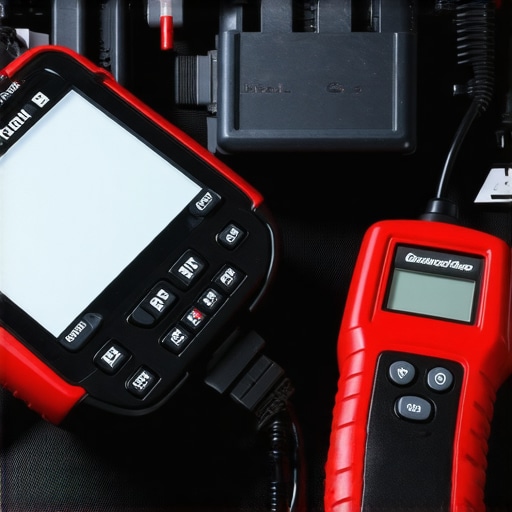
Reliability in your vehicle hinges on using the right equipment. I personally swear by a high-quality for diagnosing electrical issues, especially when tracking down weird sensor readings or checking battery health. A scan tool with OE software access is invaluable; it allows me to read and clear advanced diagnostic trouble codes, ensuring I don’t miss nuances that generic scanners might overlook. For example, when dealing with transmission shuddering, having a comprehensive scanner helps pinpoint whether it’s a sensor glitch or mechanical fault.
Next, an endoscope camera has transformed my maintenance routine. This slender, flexible tool lets me peek into hard-to-reach areas like the engine bay or behind the dashboard without disassembly. It’s perfect for inspecting vacuum lines or checking for sludge buildup in the engine’s hidden corners, saving both time and money.
Smart Software and Apps to Optimize Maintenance
Managing vehicle health with digital tools elevates your DIY game. I use OBD2 diagnostic apps that connect via Bluetooth to my scanner. These apps not only read trouble codes but also display real-time data—ideal for diagnosing transient issues like occasional misfires or sensor fluctuations. Over time, I’ve noticed patterns—like my engine oil level rising unexpectedly—which these tools help me track and address proactively.
Additionally, personalized maintenance trackers like Motorflow or Car Minder give reminders based on mileage or time intervals, ensuring I never miss critical services like transmission fluid changes or belt inspections. This foresight extends vehicle longevity and keeps costs predictable.
Methodical Maintenance for Long-Term Results
Consistent upkeep isn’t about rushing; it’s about a methodical approach. For instance, during each oil change, I check for abnormal metal flakes in the drain, which can hint at early wear inside the engine—an easy step with a simple magnifying glass and some oil analysis. I also inspect the transmission fluid color using a clear container and compare it with manufacturer guidelines. If you’re unsure how to verify the fluid’s condition without a dipstick, I recommend this method.
Scaling up requires more than just basic tools. As your vehicle ages or adds miles, investing in a fluid exchange machine may be justified. These devices can flush precisely and thoroughly, removing sludge and contaminants that standard drain-and-fill methods might leave behind. More importantly, pairing this with a professional ASE-certified service ensures that your transmission and other critical components receive expert attention, reducing long-term costs and breakdown risks.
How do I maintain my vehicle over time to prevent costly repairs?
Developing a routine that combines diagnostic tools, quality replacement parts, and knowledge of your vehicle’s specifics is essential. For example, regular inspection and timely replacement of the cabin air filter prevent microbial growth that can cause unpleasant odors and respiratory issues. Remember, investing upfront—both in good tools and expert services—pays off by minimizing breakdowns and maximizing your vehicle’s lifespan.
In the future, I predict advancements like AI-powered diagnostic systems will make maintaining ASE-certified standards more accessible to enthusiasts and professionals alike, guiding you step-by-step through complex tasks. For now, start with a simple but effective tip: try running a microbiocide spray into your AC ducts during your next maintenance session. It’s a game-changer for keeping your air clean and fresh, especially during hot summers.
Lessons That Changed My Approach to ASE Certified,Car Service,Transmission,Oil Change
- One of the toughest lessons I learned was that quick fixes rarely last. Relying solely on sprays or temporary solutions masked the real issues like mold in the evaporator, which only worsened over time. Now, I prioritize deep cleaning and proper maintenance to keep my car smelling fresh and performing reliably.
- Understanding the nuances of vehicle systems has been a game-changer. For example, knowing how microbial growth thrives in damp, dark areas motivated me to replace my cabin air filter regularly and run disinfectants through the ducts. That insight saved me from costly repairs and unpleasant odors.
- Patience beats haste when it comes to car care. Instead of rushing through maintenance tasks, I take a methodical approach—checking for leaks, inspecting ductwork, and following manufacturer guidelines. This habit has extended my vehicle’s lifespan and kept it running smoothly.
Gear Up: My Must-Have Tools for Reliable Car Maintenance
- A quality digital multimeter helps me diagnose electrical quirks before they become major problems. It’s a staple for understanding engine sensors and avoiding surprise breakdowns.
- Investing in a flexible borescope allows me to peek into places I couldn’t see without disassembly—identifying issues like sludge buildup or tiny cracks in hoses early on.
- An OBD2 scanner with OE software access is essential. It provides real-time data and detailed codes, helping me make informed decisions about repairs or parts replacements.
Ignite Your Drive with Confidence and Purpose
Taking charge of your vehicle maintenance, especially understanding how to prevent smells and microbacterial growth, transforms your driving experience. It’s empowering to know you can keep your car fresh, reliable, and safe for every journey. Remember, mastery begins with curiosity and consistency. Embrace the process, and watch your vehicle reward you with years of faithful service.
What step will you try first to improve your vehicle’s smell and performance? Share your plans below—I’d love to hear how you’re taking control of your car care journey!