Why your car won’t start even with a brand new battery
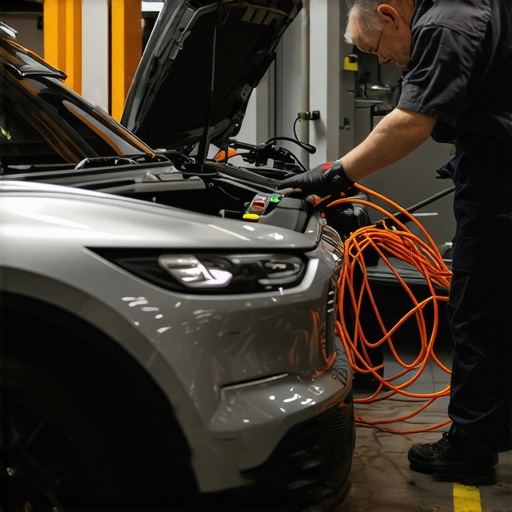
Ever been stranded in your driveway, engine dead as a doornail, even after swapping out a brand-new battery? I remember the first time it happened to me. I had just replaced my battery, feeling confident that my car would burst to life like always. Instead, I heard that frustrating click, click, and nothing. That was a real lightbulb moment—sometimes, the problem isn’t the battery at all.
What’s Really Going On When Your Car Still Won’t Start
So, today, I’m going to walk you through the common reasons your car refuses to start despite a fresh battery. We’ll cut through the confusing noise, share some personal mistakes I made early on, and get you back on the road faster. Trust me, understanding the real issues can save your weekend—and your wallet.
Is It Worth Rushing To Replace Parts?
My biggest mistake early on was assuming that a new battery meant all was well. But sensors, cables, and hidden electrical gremlins can throw a wrench in your start cycle. In fact, according to AutoFix Clinic, electrical problems—like loose connections or faulty sensors—are some of the trickiest to diagnose but most common culprits behind mysterious starting issues. If your car still won’t start, it’s worth checking connections before rushing out for another replacement.
If you’ve faced this head-scratcher, you’re not alone. Many vehicle owners get caught in this cycle of replacing parts that aren’t the root cause. The good news is, with a few simple checks, you can often find the real problem without wasting money on unnecessary repairs.
Inspect the Battery and Connections
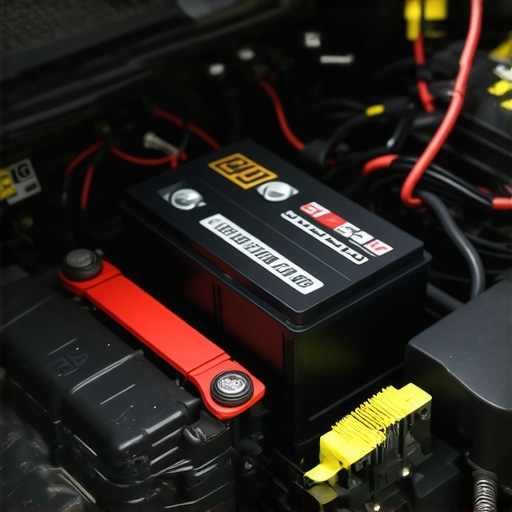
Start by visually examining your battery terminals for corrosion, loose clamps, or damage. Use a wire brush to clean any corrosion, then tighten the clamps securely. Remember, even a new battery can have a poor connection, which prevents power flow. I once found a loose clamp on my van’s battery after a sudden dead engine, and tightening it instantly fixed the problem.
Test the Battery Voltage Carefully
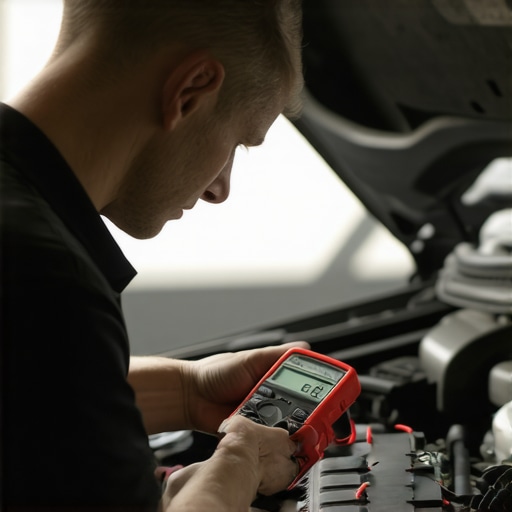
Use a multimeter to verify your battery’s voltage, ensuring it reads around 12.6 volts for a healthy charge. A reading below 12.4V indicates a discharged battery. If your voltage is low, try jump-starting or charging the battery before moving further. I’ve seen batteries that tested fine but still caused starting issues; thus, a proper voltage check is key.
Examine the Starter and Wiring
Listen for a clicking sound when turning the key—this often indicates a faulty starter or wiring issue. Access the starter motor and check for loose or damaged wires. Use a test light or multimeter to verify power at the starter solenoid—if power reaches it but the engine doesn’t turn, the starter may be faulty. In my experience, replacing a failing starter can resolve stubborn starting problems.
Inspect Fuses and Relays
Locate the fuse box and check relevant fuses for the starting circuit. Use your vehicle’s manual to identify the correct fuse; replace any blown fuses. Additionally, test relays by swapping them with identical functioning ones. A blown fuse or malfunctioning relay can silently prevent your engine from firing up. I once replaced a relay that I suspected was bad, and voila—the car started right up.
Verify Ignition Switch Operation
Turn the key to the start position and see if dash lights come on; if they don’t, the ignition switch may be faulty. You can test wiring continuity at the switch or temporarily bypass it to see if the engine turns over. I recommend extreme caution here—if you’re unsure, consult an ASE-certified tech. A faulty ignition switch often mimics other electrical issues, leading to confusing dead stops.
Check the Neutral Safety Switch or Clutch Pedal Sensor
If your car is manual, ensure the clutch pedal sensor operates correctly; for automatics, verify the neutral safety switch. Engage the clutch or shift to neutral and attempt starting again. A malfunction here can prevent the starter from activating. Once, I faced a similar problem that was resolved by adjusting the switch, saving me hours of guesswork.
Use a Diagnostic Scanner for Hidden Issues
If all else seems fine, connect an OBD-II scanner to check for any hidden electrical or sensor glitches. An advanced scanner can reveal codes that cause starting failures—like faulty crankshaft sensors or ECU issues. Regular diagnostic checks can preempt bigger breakdowns, and I made this a routine to avoid unexpected stalls. Consider tools like the one mentioned in this article for dealing with electrical ghosts that confound even seasoned technicians.
Consider Professional Help When Necessary
If none of these steps resolve the issue, it’s time to consult an ASE-certified technician. Complex electrical problems, especially those involving control modules or wiring harnesses, require professional diagnosis. Remember, attempting advanced repairs without proper training can do more harm than good. I’ve learned the hard way that knowing when to pull back can save your car—and your wallet.
 When it comes to maintaining our vehicles, many drivers cling to misconceptions that can cost them time and money. A prevalent myth is that a transmission fluid DIY change guarantees optimal performance, but in reality, using the wrong fluid or neglecting to drain the old fluid properly can cause serious damage. Advanced technicians know that modern transmissions require precise fluid specifications and procedures, often needing specialized tools and knowledge to avoid costly mistakes. For example, cheap transmission fluid isn’t just a cheap product—it’s a cheap risk, and using inferior oils can lead to premature solenoid failure, as discussed in this detailed analysis. Additionally, many assume that all oils are interchangeable, but with increasingly complex transmission designs, the wrong fluid can cause slippage or chattering, especially in CVT or dual-clutch systems. This is crucial for fleet managers aiming to extend vehicle life consistently, avoiding unexpected breakdowns that stem from improper servicing.
Another often overlooked aspect is the importance of ASE certification when selecting a technician. Many assume that all certified mechanics are equally competent, yet those with advanced certifications like L1—specializing in diagnostics—are better equipped to handle complex electrical or software-related issues in modern transmissions. The difference is akin to comparing a basic mechanic to an electrical specialist; the latter can diagnose and resolve nuanced problems that might fool generalists. To spot a genuine ASE tech, look for the blue seal and verify their certification status online—little tricks that your smart choices can rely on.
Beyond certification and correct fluids, understanding the limitations of traditional car services like routine oil changes is vital. An oil change isn’t just about replacing dirty oil—it’s about ensuring the right oil type, at the right intervals, with filters capable of handling high-mileage or turbo engines. Overlooking these details can cause engine wear that leads to reduced fuel economy or, worse, engine failure. Regularly, simple misjudgments, like using a synthetic blend in high-performance engines, can accelerate component wear if not aligned with manufacturer recommendations, as highlighted in this comparison.
Finally, considering all these nuances emphasizes the need for critical thinking and knowledge beyond surface-level facts. It’s about digging beneath the myth that high-quality parts and good service are enough—there’s a nuanced expertise that needs to be cultivated, especially with emerging technologies and complex systems. If you’ve ever fallen into the trap of trusting cheap fixes or unqualified mechanics, now’s the time to reassess. Have you ever been fooled by a simple-looking repair that turned out to be much more complex? Let me know in the comments.
How Do I Keep My Vehicle Running Smoothly Over Time?
Investing in the right tools and knowledge can dramatically extend your car’s lifespan and reduce unexpected repairs. One essential piece of equipment I personally rely on is a high-quality diagnostic scanner. This isn’t just a fancy gadget—it’s the backbone of proactive maintenance, allowing you to identify electrical and sensor issues before they escalate into costly breakdowns. I use a scanner that supports live data streaming and code clearing, which helps me monitor engine parameters and catch anomalies early.
Beyond diagnostic tools, maintaining transmission health is crucial, especially with modern, complex systems. I recommend using a professional-grade fluid extractor when performing transmission fluid changes. Unlike manual drips or short fills, these tools ensure you replace almost all the old fluid, minimizing contamination risks and preventing sludging or solenoid failure, as discussed in this detailed analysis. To keep the transmission performing optimally, I also verify fluid conditions using a dedicated transmission fluid tester, which helps me catch issues like overheating or sludge buildup early.
When it comes to long-term results, routine oil changes with correct oil types—preferably synthetic for high-mileage engines—are non-negotiable. I recommend setting reminders based on your vehicle’s manual and using quality oil filters. For example, using a cheap filter can cause inadequate filtration and turbo wear, as highlighted here. Regular oil analysis kits are also useful if you want to track oil health over time, especially in fleets or high-mileage vehicles.
Scaling your maintenance efforts can involve integrating mobile diagnostics and remote monitoring tools. Wireless OBD-II adapters connect to your smartphone, providing real-time alerts and trend analysis, making maintenance predictive rather than reactive. Future trends seem to lean toward AI-driven predictive diagnostics, which could notify you of issues before symptoms even appear. I believe mastering these technologies now will prepare you for the cars of tomorrow, which are more connected than ever.
What About Routine Service and ASE Certification?
Regularly visiting an ASE-certified mechanic guarantees that your vehicle benefits from expert knowledge and up-to-date repair techniques. Especially with complex systems like modern transmissions, professional diagnosis can uncover hidden wear patterns or software glitches. Remember, ASE certification isn’t just a badge—it’s assurance that your technician understands the intricacies of today’s vehicles.
Keeping your car in top shape isn’t just about quick fixes—it’s a blend of the right tools, consistent service, and a proactive mindset. As technological advances continue, so do the methods we use to keep vehicles running reliably. Take the initiative today by trying out a diagnostic scan or a transmission fluid test to spot potential failures early—your future self will thank you.
Interested in a practical first step? Try using an advanced diagnostic scanner to check your car’s live data and see for yourself how minor issues can be identified before they turn into major repairs. Taking control of your vehicle maintenance not only saves money but also keeps your car dependable for miles to come.
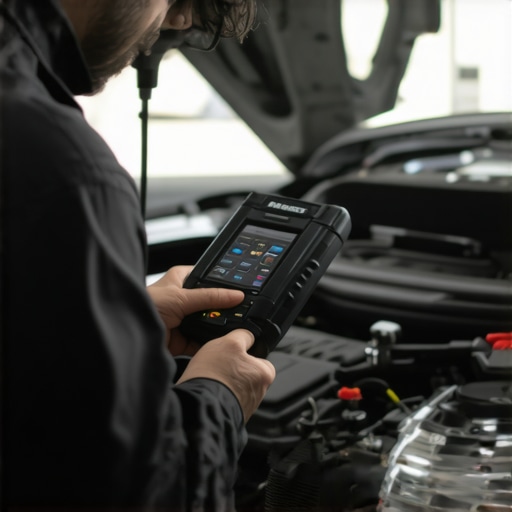
Image description: A professional mechanic using a diagnostic scanner on a modern vehicle’s dashboard, highlighting the integration of advanced tools in everyday maintenance.
Lessons Money Can’t Teach You About Transmission and Car Care
- One of my biggest lightbulb moments came when I realized that a new battery isn’t always the fix—hidden electrical issues often lurk behind simple dead starts, which made me rethink quick fixes and focus on diagnostics instead.
- After years of guessing, I discovered that inspecting and cleaning battery connections can save you from unnecessary replacements, a small step with a big payoff, especially since corrosion is often invisible at first glance.
- Using a multimeter to verify voltage became my go-to move, revealing subtle battery health hints that both save money and prevent getting stranded again.
- Understanding the role of relays and fuses transformed how I troubleshoot starting problems—replacing a blown fuse or swapping a relay can sometimes fix issues faster than complex repairs.
- The ultimate revelation was that a diagnostic scanner is your best friend—it uncovers hidden codes and sensor glitches, giving you control before problems escalate into costly repairs.
My Personal Arsenal for Warding Off Unexpected Car Woes
- The advanced diagnostic scanner is essential; it provides real-time data, catches soft failures, and helps me stay ahead of vehicle issues without guesswork.
- The professional-grade transmission fluid extractor ensures I perform thorough fluid changes, which prolongs transmission health and prevents breakdowns in demanding conditions.
- High-quality oil analysis kits and proper synthetic oils keep my engine clean and efficient, especially in high-mileage or fleet vehicles.
- Wireless OBD-II adapters connected to my phone allow me to monitor trends and get timely alerts—making maintenance predictive and less reactive.
Take the Next Step Toward Smarter Car Care
Empowering yourself with the right tools and knowledge can transform your approach to maintenance. Whether it’s investing in a reliable scanner or learning to inspect connections, each step adds years to your vehicle’s lifespan. Future automotive tech will only demand more of proactive, educated owners—so why not start now? Have you ever struggled with diagnosing a stubborn starting issue? Share your experience below—your story might save someone else from the same frustration.
Remember, mastering car maintenance isn’t just about fixing problems—it’s about understanding your vehicle and making smart decisions every mile of the way. Stay curious, stay prepared, and keep your engine singing smoothly for miles ahead.

,