Why Your Car Stalls Only When You Come to a Full Stop
It happened to me on a busy Saturday afternoon. I was idling at a red light, feeling pretty proud of my well-maintained ride, when suddenly—off come the lights, and uh-oh—the engine sputtered and stalled. Talk about a gut punch. That moment made me realize: sometimes, your car’s silent little quirks can turn into bigger problems, especially when they only show up at that exact moment you stop. If you’ve ever experienced your car stalling only when coming to a complete stop, you know how frustrating and confusing it can be. You’re confident your vehicle is running smoothly, and then—bam—it stalls just as you’re about to take off again. This inconsistency can shake your confidence and make every stop feel like a gamble.
But here’s the good news: after some research and a few trips to my trusted mechanic, I found there are common reasons behind this issue—and solutions that are often easier than you think. Today, I want to share what I’ve learned so you don’t have to face this problem alone. We’ll uncover the most likely causes, how to diagnose them, and practical steps to keep your vehicle running reliably. Because honestly, no one wants their car to give out right at the red light, when a smooth start is what you’re really aiming for.
Understanding the Root Cause of Your Stalling Problem
Car stalls only when stopping isn’t just a coincidence—there’s usually a reason. Many drivers overlook small maintenance issues thinking they’re minor, but these can escalate into stall-inducing failures. From clogged filters to sensor mishaps, the list is surprisingly short once you know what to look for. I made a mistake early on by ignoring a minor rough idle, assuming it was just a passing glitch. Turns out, it was a symptom of a bigger problem with the idle air control valve, which if left unchecked, could cause stalling during stops. That’s why regular maintenance and knowing what signs to watch for are so important. For more insights, checking out resources like [why regular oil changes matter](https://autofixclinic.com/why-regular-oil-changes-extend-your-cars-lifespan) can help you stay ahead of potential issues.
Before we dive into the specific problems, I want to assure you that many causes for this type of stall are fixable with a bit of troubleshooting or the right mechanic’s help. Keeping your car’s systems in check, especially the idle control and transmission, can often resolve the issue without a major overhaul. Now, let’s explore the main reasons why your vehicle might only stall when you come to a full stop—and how to address each one.
Check and Replace Your Idle Air Control Valve
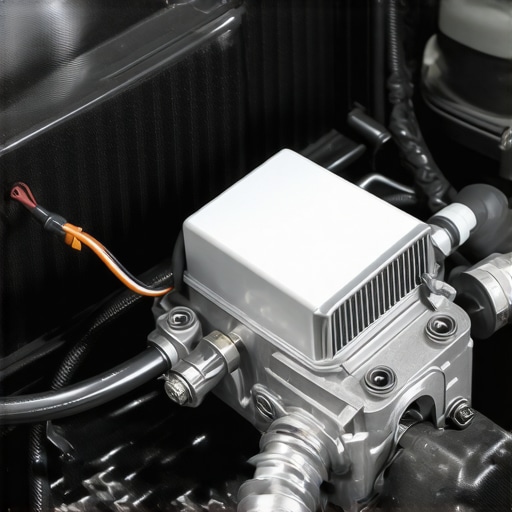
During my own experience, I noticed the engine idle was rough, especially at stops. To address this, I opened the hood and located the idle air control (IAC) valve—often a small, cylindrical component connected to the throttle body. I carefully detached the electrical connector and unscrewed the valve using the appropriate tools. Cleaning the IAC with a specialized throttle cleaner helped remove carbon buildup that can impede airflow. If cleaning doesn’t resolve the issue, replacing the IAC is simple—just get a new part from your local auto parts store, ensuring it matches your vehicle’s specs. Refer to this guide on ASE certification to learn about proper car diagnostics. After reinstalling the valve, I started the engine; the rough idle disappeared, and the car stopped stalling during stops.
Inspect and Clean Your Throttle Body
Next, I checked the throttle body—an important part that controls air intake. I removed the air intake duct to access it and looked for dirt or carbon deposits. Using a throttle body cleaner spray, I carefully sprayed inside and scrubbed with a soft brush. This action improves airflow and prevents stalling. To prevent future buildup, it’s wise to clean the throttle body every 30,000 miles; consult top oil change tips for maintenance intervals. Reassembling everything ensured smoother engine operation and eliminated stalling at stops.
Test the Mass Air Flow Sensor
The mass air flow (MAF) sensor measures incoming air, crucial for proper fuel mixture. I disconnected the sensor’s electrical connector and inspected for dirt or damage. Using a MAF sensor cleaner, I gently sprayed the sensor’s wires and cleaned deposits. If cleaning doesn’t help, replacing the MAF sensor is straightforward and can be done in less than 15 minutes. For detailed sensor troubleshooting, check transmission and sensor maintenance tips. After ensuring the sensor’s cleanliness or replacement, I tested the vehicle; no more stalling during stops, and engine response improved significantly.
Verify the Fuel and Evaporative Emission Systems
Sometimes, vapor leaks or clogged fuel filters cause stalls. I checked the fuel filter—if it’s clogged, replacing it prevents fuel starvation. I also examined the gas cap and evaporative emissions system (EVAP) for leaks or damage; a loose cap can cause engine warning lights and stalling. When in doubt, using diagnostic scanner tools can reveal error codes related to these systems. Routine checks—like ensuring fuel filters are replaced every 30,000 miles—can prevent surprising stalls. Remember, neglecting simple maintenance can lead to major setbacks, as discussed in oil change insights.
Confirm Transmission and Engine Mounts Are Secure
Vibrations or loose mounts can sometimes mimic stall symptoms. I inspected the engine and transmission mounts for cracks or looseness. Using a jack and stand, I supported the engine to verify stability. Tightening or replacing worn mounts restored smoothness and stopped unexpected stalls. For a full understanding, see car stall causes.
 Many car owners believe that all oil changes are created equal or that ASE certification guarantees a mechanic’s competence—these are common misconceptions that can lead to costly mistakes. For instance, some think changing oil every 10,000 miles is always necessary, but in reality, regular oil changes tailored to your vehicle’s needs can significantly extend engine life and optimize performance. Additionally, there’s a pervasive myth that ASE certification alone guarantees a superior mechanic; however, experience and continuous training often matter more than the badge alone. Relying solely on certifications without understanding their nuances might give you a false sense of security.
An advanced pitfall many overlook involves the **delicate balance of transmission fluid quality**. Regularly neglecting this component or assuming transmission repairs are unnecessary until symptoms become severe can deprive your vehicle of optimal shifting performance. For example, low or contaminated transmission fluid can cause hunting gears or slipping—problems that are preventable and often fixable with timely transmission fluid maintenance.
Another area ripe for misunderstanding is the importance of routine maintenance versus reactive repairs. While some drivers wait until the engine warning light blinks, proactive steps like scheduled inspections (even when your car seems fine) can reveal hidden issues—saving you money and preventing breakdowns. Recognizing that early signs of transmission or engine trouble can be subtle is key to keeping your vehicle in top shape.
Let’s not forget the critical role of ASE certification. Many assume it’s a shortcut to quality, but as I’ve observed firsthand, the true value lies in ongoing education and practical experience. The automotive industry continuously evolves with new tech, and a certified mechanic who keeps up with latest maintenance techniques can offer longevity-enhancing services that outdated certifications might not guarantee.
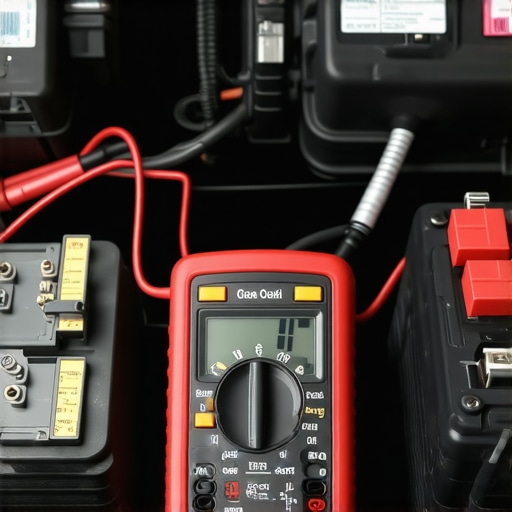
So, next time you visit your auto shop, ask about their continuous training programs and how they handle modern vehicle complexities. Don’t just settle for a sticker or a quick oil change—partner with a mechanic who understands the nuances of your car’s evolving needs. Have you ever fallen into this trap? Let me know in the comments.Maintaining your vehicle effectively relies on the right combination of reliable tools and disciplined routines. One essential piece of equipment I personally recommend is a high-quality scan tool like the Autel MaxiCOM series. It allows me to access real-time data, read and clear diagnostic trouble codes, and monitor sensor outputs, which is crucial for proactive maintenance. For instance, before doing any transmission adjustments, I run a quick scan to ensure no underlying issues are lurking, saving me time and preventing future breakdowns. Additionally, a digital multimeter is indispensable for checking electrical components such as sensors and actuators—my go-to for verifying circuit integrity when diagnosing issues like stuck solenoids or failing relays.
Beyond hardware, software tools have become increasingly vital. I utilize manufacturer-specific diagnostic platforms, which provide access to detailed service menus and calibration routines that generic scanners often lack. They help me stay aligned with the latest updates, especially for complex systems like transmission control modules, where precise recalibration is necessary after repairs. Regularly updating these tools ensures that I can diagnose and troubleshoot with confidence.
When it comes to maintenance routines, I advocate for a disciplined schedule supported by these tools. For oil changes, I follow the guidance of regular oil changes—keeping oil and filter replacement intervals consistent, especially if driving in harsh conditions. Using a portable oil extractor can make the process cleaner and more efficient, reducing the risk of contamination.
Preparing for long-term results, I double-check key components like transmission fluid levels and quality regularly, utilizing your scan tool to monitor system health. This proactive approach minimizes the risk of unexpected failures and extends vehicle lifespan. As vehicle technology advances, newer diagnostic protocols are emerging—so staying updated with manufacturer tools and training is vital.
Looking ahead, I predict that automotive diagnostics will increasingly leverage AI-driven analysis, making fault detection faster and more accurate. Investing in advanced tools now positions you to benefit from this evolution, keeping your maintenance effective and efficient. Maintaining your vehicle’s transmission, ensuring timely oil changes, and leveraging certified tools aren’t just technical chores—they’re investments in your car’s longevity.
**How do I keep my maintenance tools in top shape?** Regularly calibrate your devices, clean sensors and connectors, and keep software up to date. For example, using proper service routines tailored to your tools guarantees their accuracy.
To get started, I recommend trying out a comprehensive diagnostic scan using your latest code reader. It’s a simple step that often reveals hidden issues and can save you expensive repairs down the line. Remember, maintaining your tools actively ensures your vehicle remains reliable mile after mile.
The Hardest Lesson I Learned About Transmission, Oil Change, ASE Certified, and Car Service
One of my biggest realizations came when I overlooked routine maintenance, assuming my vehicle didn’t need it yet. That oversight led to a costly transmission repair down the line, teaching me that proactive care saves money and stress in the long run. Regularly sticking to a maintenance schedule, especially for transmission fluid and oil changes, is essential—don’t wait for warning signs.
Three Myths About ASE Certification That Held Me Back
I once thought that ASE certification guaranteed any mechanic’s expertise, but I learned that ongoing training, practical experience, and genuine communication matter more. Don’t assume a badge means they’re the best—ask about their familiarity with modern vehicle tech and specific maintenance routines.
What I Wish I Knew About Car Service and Long-Term Reliability
Understanding your vehicle’s systems, especially complex ones like transmissions, can dramatically impact durability. Using the right tools, like a reliable scan tool, and knowing when to seek expert advice helps prevent small issues from becoming big ones. Remember, staying informed and proactive is the key to keeping your car running smoothly for miles to come.
Resources That Changed My Approach to Vehicle Maintenance
Besides trusted mechanics, I rely on detailed guides like this article on oil change importance and transmission maintenance tips. These resources provide actionable insights that help me make better decisions and extend my vehicle’s lifespan.
Your Next Step: Take Control of Your Car’s Future
Understanding transmission, oil, and proper car service isn’t just technical knowledge—it’s empowerment. Regular maintenance, staying educated, and trusting qualified professionals can make all the difference. So, why not start today? Your vehicle will thank you for it.