The hidden cost of neglecting your cabin air filter
It was a scorching summer day when I realized my car’s air conditioning suddenly felt weaker. I rolled down the windows, thinking maybe the system was just tired. But then, I remembered a frustrating problem I’d kept ignoring—my cabin air filter. That lightbulb moment hit me hard: neglecting this tiny component could be costing me more than just comfort.
As someone who’s been around cars long enough to get my ASE certification, I learned the hard way that many drivers overlook the importance of their cabin air filters. They think it’s just about fresh air or a faint smell—something that can wait. But in reality, neglecting your cabin filter can lead to a cascade of issues, impacting your health, your vehicle’s performance, and even your wallet.
Today, I want to share my journey and help you understand why this small part deserves your attention. We’ll explore what happens when you skip regular replacements and how these hidden costs can sneak up on you when you least expect them.
What You’re Missing When You Dodge Cabin Air Maintenance
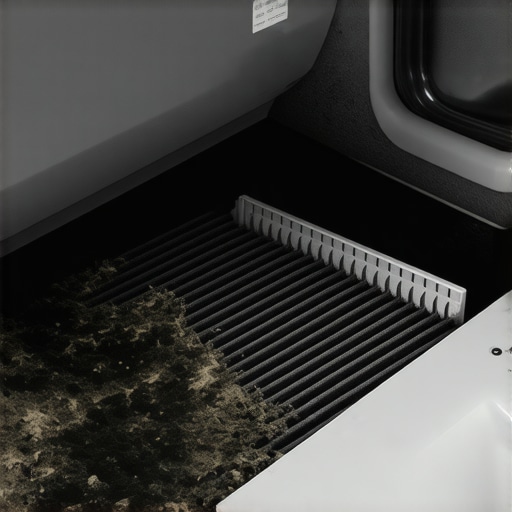
Imagine breathing in dusty, pollen-laden air every time you turn on your car’s climate system. Over time, a clogged filter doesn’t just reduce airflow; it becomes a breeding ground for mold, bacteria, and allergens that could trigger asthma or allergies—something I’ve seen firsthand during my years working with trained ASE techs. This isn’t just about comfort; it’s about your health.
But the issues go beyond health concerns. A dirty cabin filter forces your HVAC system to work harder, which can strain your heater or AC and even lead to system failures. The added stress can shorten the lifespan of your blower motor and increase energy consumption, leading to higher fuel costs. Plus, if you’ve ever experienced a faint musty smell turning your car into a mold incubator, you know how unpleasant—and possibly costly—it can be.
Why am I so passionate about this? Because I made the mistake early on of ignoring my own cabin filter. I thought, “It’s not that dirty,” or worse, “It’s just a small part.” But that oversight ended up costing me a few hundred dollars in repairs after mold started clogging my system.
It’s a lesson I share openly because, frankly, many drivers underestimate this tiny filter’s impact. According to research, poor indoor air quality inside vehicles can be worse than outside pollution—highlighted by a recent study showing indoor air can have up to five times higher pollution levels. So, can you really afford to neglect the filter that’s supposed to protect you?
If you’re like me, this story hits close to home. Have you noticed a stuffy smell or reduced airflow? Maybe your HVAC system is noisier than usual? If so, you’re not alone, and the good news is, this is a problem with a simple solution—one we’ll cover step-by-step in the next sections.
Locate the Cabin Air Filter
Start by consulting your vehicle’s owner manual or searching online for the specific location of your cabin air filter. Most vehicles have it behind the glove compartment or under the hood near the windshield. As I did on my own car during a chilly morning, I found mine tucked behind the glove box, secured with a few clips.
Gather Required Tools and Replacement Filter
Prepare a new cabin air filter suitable for your vehicle. For best results, choose OEM or high-quality aftermarket filters, as endorsed by ASE-certified technicians. You’ll also need basic tools like screwdrivers or pliers, depending on your car’s design.
Remove the Old Filter Carefully
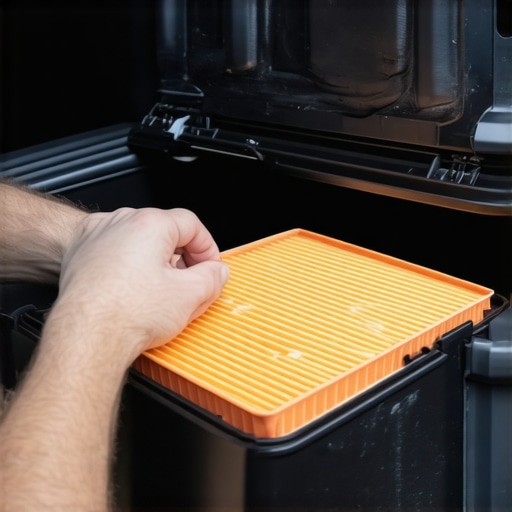
Access the filter housing by opening the glove compartment or removing panels as needed. Gently remove any clips or screws, then carefully pull out the old filter. Be prepared for dust or debris; wearing gloves and a mask can help prevent inhaling allergens. Once out, inspect the old filter for excessive dirt or damage, which indicates the importance of regular replacements.
Clean the Housing and Install the New Filter
Before inserting the new filter, vacuum or wipe out any dust inside the housing to prevent debris from bypassing the filter. Insert the new filter with the airflow arrows pointing in the correct direction—this detail is often printed on the filter itself. In my experience, installing the filter upside down caused immediate airflow issues, so double-check this step.
Reassemble and Test
Secure all clips or screws, then reassemble any panels or the glove box. Turn on your vehicle and activate the HVAC system to verify airflow. I noticed that after replacing the filter, my AC performance improved noticeably, and the smell was gone—clear signs of a successful job. Regular replacement, roughly every 12,000 to 15,000 miles or once a year, can prevent mold buildup and ensure cleaner air, as advised by automotive experts.
 Most drivers believe that a simple oil change is just about adding fresh lubricant, but in reality, there’s much more nuance involved that even seasoned car owners often overlook. Contrary to the common myth that replacing oil every 3,000 miles is universally necessary, advanced drivers recognize that modern synthetic oils can last up to 7,500 or even 10,000 miles when the vehicle is properly maintained—yet many still stick to outdated schedules, risking engine wear and tear. An often missed detail is the importance of the oil’s viscosity and how seasonal temperature changes influence which grade to select, as explained by industry experts in SAE standards. Delaying transmission fluid replacements or neglecting cooler inspections can lead to silent but costly failures, especially since transmission issues like shuddering or slipping are typically misdiagnosed as minor glitches, while they may indicate deeper problems with contaminated fluid or worn clutches.
How do modern transmission flush techniques impact long-term vehicle health?
Recent research suggests that aggressive flushing, if not performed correctly, can dislodge debris and cause more harm than good, underscoring the importance of choosing a service provider with ASE-certified expertise. Not every car service shop is equipped for this delicate process, making it vital to verify their certifications and experience before proceeding. Many drivers also underestimate the significance of regular system diagnostics, which can identify failing sensors or solenoids early, preventing breakdowns. For example, a malfunctioning engine temperature sensor can mislead the car’s ECU, leading to inefficient fuel use and increased emissions, as detailed in diagnostic studies by automotive engineers. Recognizing these nuances can save you thousands in repairs and keep your vehicle running smoothly far beyond the average lifespan. Remember, a well-informed owner is a safe owner. Have you ever fallen into this trap? Let me know in the comments.Keeping your vehicle running smoothly over the years requires more than just basic knowledge; it demands the right tools and disciplined maintenance routines. As an ASE-certified professional myself, I’ve developed a set of precise equipment and methods that streamline repairs and prevent long-term damage. One of my must-have tools is a high-quality digital multimeter, which I use to monitor engine sensors, coolant temperature, and electrical systems accurately. A reputable multimeter like the Fluke 117 helps identify faulty sensors—such as the engine temperature sensor—that can cause or mimic issues like overheating or poor fuel economy, as discussed in detail here https://autofixclinic.com/why-your-engine-temperature-spikes-only-when-you-stop-moving. Additionally, I rely on a professional-grade transmission fluid tester probe, which lets me assess fluid condition without draining, ensuring shifts remain smooth and preventing costly failures. Regular use of an OBD-II scanner, specifically a Bluetooth-enabled device paired with diagnostic software like Torque Pro, enables me to catch diagnostic trouble codes early, especially for emissions or sensor-related faults that could be overlooked during routine inspections. For filtering and inspection, I prefer eco-friendly LED inspection lights—these produce clear illumination without generating excess heat, making it easier to spot leaks or corrosion. Once, I suspected a transcooler issue, and with my clean, bright light, I could trace the problem back to a clogged transmission cooler, which can cause overheating and damage if left unchecked. Investing in quality tools isn’t just about fixing problems; it’s a way to foresee issues before they escalate, saving time and money. Looking toward the future, I predict that vehicle maintenance will become increasingly digital, with AI-driven diagnostic tools and sensor technology enabling real-time monitoring, so staying updated with the latest equipment becomes vital. For car enthusiasts and professionals alike, mastering the use of advanced tools ensures your vehicle’s health is consistently managed, reducing breakdowns and extending lifespan. How do I maintain my tools over time? I regularly calibrate my multimeter and sensor testers following manufacturer guidelines and store them in protective cases to avoid damage. Testing and maintaining your equipment is crucial because inaccurate readings can lead to misdiagnosis and improper repairs. For example, using an uncalibrated sensor tester might suggest your coolant isn’t circulating properly, when in reality, your sensor just needs a recalibrate—saving you from unnecessary coolant flushes or parts replacements. I recommend dedicating time monthly to inspect, clean, and calibrate your tools, especially if you perform regular maintenance. Proper care of your equipment is an investment that translates directly into more reliable diagnostics and better vehicle performance. Feel inspired to elevate your maintenance game? Start by upgrading to a professional-grade multimeter and learn how to interpret sensor signals accurately. This small step can significantly improve your troubleshooting skills and help identify issues early, preventing costly repairs down the line. Remember, mastering your tools is part of becoming a truly skilled, ASE-certified car care expert.
What I Wish I Knew About Regular Maintenance Early On
One of the biggest lessons I learned is that no detail is too small when it comes to vehicle health. Overlooking simple tasks like checking your transmission fluid or cleaning your battery terminals can lead to costly repairs later. My early mistakes taught me the importance of staying proactive—regular diagnostics and using quality tools can make all the difference in preventing breakdowns and extending your car’s lifespan.
Understanding that each component interacts within a complex system was a turning point. For instance, neglecting your cabin air filter isn’t just about bad odors; it can cause mold issues and strain your HVAC system, leading to earlier replacements. Recognizing these interconnected issues helps in developing a comprehensive maintenance routine that saves both time and money.
Investing in knowledge and quality tools has empowered me to troubleshoot more effectively. I’ve learned that using an ASE-certified multimeter or a reliable scanner can reveal hidden issues before they escalate. This approach not only boosts confidence but also ensures your vehicle receives the care it deserves for optimal performance.
Tools and Resources That Changed My Approach to Car Maintenance
My go-to toolkit includes a high-precision digital multimeter, which I trust for accurate sensor readings—crucial for diagnosing problems like engine overheating, as explained in this resource. An honest, ASE-certified technician’s certification provides peace of mind when choosing professional services, ensuring that repairs are done right the first time.
I also rely on comprehensive guides like top oil change tips to maintain engine health and prevent premature wear. These trusted resources have helped me develop a maintenance schedule tailored specifically to my vehicle’s needs, making the process less daunting and more rewarding.
Your Next Step Toward Confidence Behind the Wheel
Remember, becoming proficient in vehicle maintenance isn’t just about fixing problems—it’s about understanding your car on a deeper level. Each small step, like regularly replacing your cabin air filter or testing your coolant with a multimeter, contributes to a smoother, safer drive. Embrace the learning process, invest in quality tools, and seek knowledge from trusted sources to keep your vehicle running efficiently for years to come. Have you ever discovered a hidden issue during routine maintenance? Share your experiences below and inspire others to take charge of their car care journey.