How to Tell if Your ASE Tech is Specialized in Your Vehicle Type
It hit me one chilly morning during an oil change—my trusted mechanic, certified by ASE, was confidently working on my car, but something just didn’t sit right. I realized I had no real way of knowing if he truly understood my specific vehicle or was just going through the motions. Ever been in that position? You trust your mechanic’s badge, but doubts creep in when your car doesn’t run as smoothly after service. That disconnect can cost you time, money, and peace of mind.
Recognizing the Signs Your ASE Certified Technician May Not Be the Specialist Your Car Needs
Is the Certification Enough to Guarantee Expertise?
When I first started paying attention to the actual skills behind those badges, I made a big mistake. I assumed that ASE certification meant they knew everything about my vehicle. Turns out, it’s more about passing exams and staying updated, not necessarily about experience with every car model. To get clarity, I dived into resources like what ASE certification really entails. It helped me realize that not all ASE certifications are created equal—some techs specialize, while others are generalists.
Have you ever wondered if your mechanic’s expertise really matches your vehicle’s needs? You’re not alone. Many car owners are surprised to learn that ASE certification is just one piece of the puzzle. Experience with your specific car model or type can make all the difference, especially with vehicles that require specialized knowledge—like hybrids, turbocharged engines, or transmissions.
The truth is, selecting a tech who truly understands your car can prevent costly misdiagnoses and repairs down the line. But how can you tell whether your ASE-certified mechanic is the right fit for your vehicle? That’s what we’ll explore next. For now, consider this: trusting the badges is good, but digging a little deeper into their experience can save you from future headaches.
Ask the Right Questions About Experience
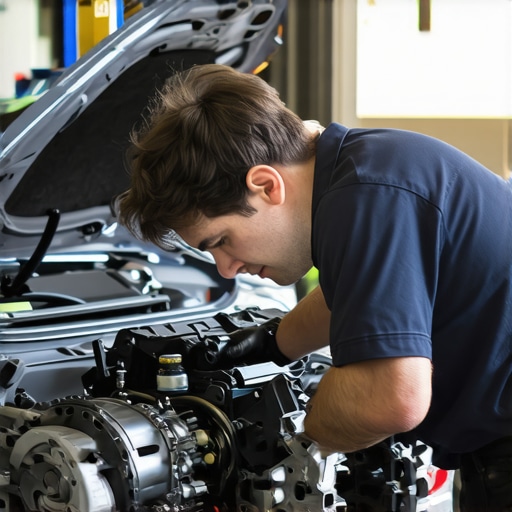
Begin by directly asking your mechanic how many years they’ve been working on your vehicle’s make and model. I did this during a recent oil change, and the mechanic confidently shared he had over a decade of experience with hybrid engines, which was reassuring. To dig deeper, inquire about specific repairs they’ve completed recently, especially those related to transmission or complex systems. This tailored questioning ensures you’re not just relying on a badge but on actual hands-on knowledge.
Verify Their Credentials Online and In Person
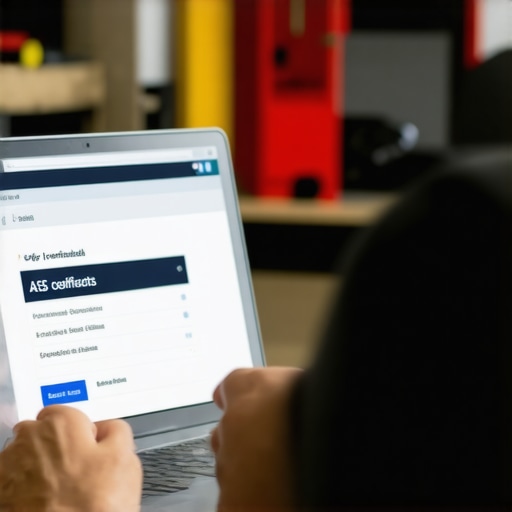
Visit their official website or use platforms like the ASE website to check if their certifications are current and valid. For example, I used the ASE’s online verification tool when I suspected my mechanic was generalist-level. Confirming their credentials in real-time removed any doubt about their expertise and helped me choose the right service provider.
Assess Specialized Knowledge for Your Vehicle
Vehicles with unique features—like turbochargers or hybrid systems—require specialized know-how. During my last appointment, I asked if the technician was familiar with modern GDI engines to prevent misdiagnosis. When they confidently explained their experience with such systems, I felt more secure. Always ask about specific technologies to ensure they can handle your vehicle’s nuances.
Request Photos or Documentation of Work
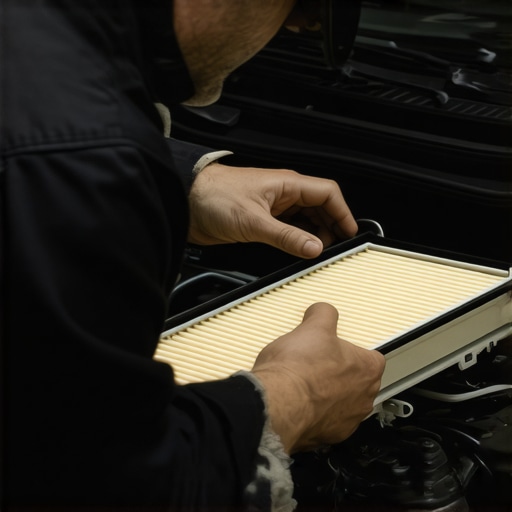
A good mechanic should be willing to show you worn parts they removed or diagnostics they’ve performed. I requested pictures of my old oil filter and transmission fluid, which they provided promptly. This transparency not only confirms the work was done but also educates you about your vehicle’s condition, empowering you as an owner. Don’t hesitate to ask for proof—it’s your right.
Observe Their Communication and Professionalism
Clear, confident explanations signal expertise. I once visited a shop where the mechanic avoided eye contact and provided vague answers. Conversely, the technician who explained how my transmission trouble was diagnosed demonstrated genuine knowledge. Pay attention to how they communicate—this reflects their competence and commitment to quality.
Test Their Willingness to Share Knowledge
Finally, a trustworthy technician educates, not just fixes. During my recent service, I asked about the importance of regular oil changes, and they explained with clarity how it impacts engine life. If your mechanic readily shares insights and recommends preventive maintenance, it’s a sign they care about your car’s longevity.
While many car owners rely on the assumption that an ASE certification guarantees expert handling of their vehicle, this belief oversimplifies the reality. In fact, ASE badges reflect passing certain exams and ongoing education, but they don’t always indicate extensive hands-on experience with specific car models or advanced systems like hybrid drivetrains or modern turbocharged engines. Relying solely on certification can lead to overlooked nuances, such as unfamiliarity with the latest technologies, which are critical for proper diagnostics and repairs.
One common myth is that regular oil changes are enough to keep a vehicle in peak condition. However, many owners overlook the importance of choosing the correct synthetic or conventional oil grade tailored for their engine design and climate conditions. For example, using standard oil when your engine requires synthetic can accelerate wear and reduce efficiency. As experts suggest, understanding the specific oil interval and type for your car is essential, and consulting authoritative sources like this guide can prevent premature engine issues.
What advanced diagnostic mistakes do even seasoned mechanics make?
Autonomous diagnostics using high-tech tools are invaluable but can also mislead if the mechanic lacks experience in interpreting data correctly. For instance, a common trap is mistaking a foaming transmission fluid for a sign of contamination caused by water ingress, when in fact, it may be due to overfilled fluid or incompatible additive use. This subtle nuance underscores why in-depth experience is crucial; experts like technicians certified with practical troubleshooting skills can identify such issues faster, preventing costly replacements. It’s worth noting that according to a study by the Automotive Service Association, experienced technicians make fewer diagnostic errors, especially with complex systems like transmissions and engine control modules. Always ask your mechanic specific questions about recent repairs and their troubleshooting methods—sometimes, asking the right questions reveals more than years of certification.
Additionally, many car owners don’t realize that certain common maintenance tasks, such as transmission cooling system upgrades or differential fluid changes, require specialized tools and knowledge. Overlooking these nuances can lead to premature component failure or overheating, especially when towing or driving in extreme conditions. For instance, adding a transmission cooler can significantly extend the lifespan of your drive-train, but only if installed correctly by someone experienced with your vehicle’s specific parameters. Recognizing the difference between a quick fix and a true fix can save both money and stress in the long run.
Have you ever fallen into this trap? Let me know in the comments. The devil truly is in the details when it comes to car maintenance and diagnostics, and understanding these nuances empowers you to make smarter decisions about your vehicle’s health.Maintaining a vehicle’s optimal performance over time requires more than just basic knowledge; it demands the right tools and a disciplined approach. One essential piece of equipment I rely on is a high-quality code scanner, like the Autel Maxisys series. This device allows me to dive into the vehicle’s ECU with precision, diagnose error codes, and reset systems after repairs. Unlike generic scanners, the Maxisys offers advanced bi-directional controls, enabling me to run actuators and perform system tests that are crucial for modern vehicles. Regular use of a professional-grade scanner ensures I catch issues early, especially with transmission controls or hybrid systems, reducing long-term repair costs.
How do I maintain transmission health over time
Having a reliable, digital transmission fluid tester is another tool I consider indispensable. It helps me monitor the condition of the fluid without having to remove the pan, providing immediate insights into potential wear or contamination. For example, I use the BlueDevil Transmission Tester, which gives quick results and helps determine whether a fluid change or flush is needed before problems escalate. Paired with an infrared thermocouple, I can verify whether the transmission is operating within safe temperature ranges, preventing overheating that leads to premature failure.
Predicting the future of car maintenance tools
Advancements in diagnostic technology suggest a future where augmented reality (AR) overlays could assist technicians in real-time. Imagine wearing AR glasses that highlight worn connections or hidden corrosion during inspections, or software that predicts failures based on current data trends. Already, some OEMs are experimenting with AI-driven diagnostics that analyze vast datasets to recommend precise repair actions, minimizing guesswork and unnecessary replacements. Embracing these innovations could revolutionize how we keep vehicles running smoothly over the long haul.
How do I stay on top of ongoing car maintenance?
One practical tip is to develop a personalized maintenance schedule that leverages digital reminders linked to your vehicle’s service history. I install a maintenance app on my phone that tracks oil changes, transmission fluid tests, and other routine tasks. Combining this with regular visual inspections—checking for leaks, worn belts, or corrosion—keeps me proactive. Moreover, I always consult trusted sources like this guide to fine-tune my approach and ensure I’m not overlooking critical aspects of vehicle health. Preparing these checks and tools not only extends your car’s lifespan but also enhances safety and resale value.<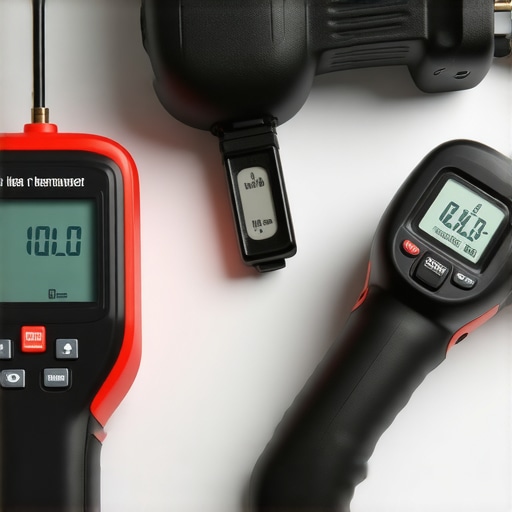 > To really up your maintenance game, I recommend trying out a transmission fluid test kit first. It’s straightforward, cost-effective, and can save you from costly repairs down the line. For example, testing can reveal contamination or breakdown long before warning lights appear, giving you the chance to act proactively. Remember, diligent maintenance with the right tools isn’t just about fixing what’s broken—it’s about preventing issues from happening in the first place. Start small, stay consistent, and watch your vehicle reward your efforts with dependable performance.
What I Wish I Knew About ASE Certification Before Relying on It
One of my lightbulb moments was realizing that an ASE badge isn’t a guarantee of comprehensive expertise on every vehicle model. It’s more about passing exams and staying updated—experience with specific systems matters just as much, if not more. This insight changed how I select mechanics and how I approach vehicle diagnostics, emphasizing the importance of hands-on knowledge over certifications alone.
How the Right Tools Opened My Eyes to Better Car Care
Investing in a professional-grade code scanner and diagnostic tools transformed my ability to catch issues early. Tools like the Autel Maxisys series provided insights I couldn’t get from a visual inspection or basic diagnostics, saving time and money. These instruments revealed subtle signs of wear and system anomalies that otherwise would have gone unnoticed, reinforcing the value of staying ahead with technology.
The Power of Asking Better Questions in Your Search for a Mechanic
Engaging mechanics with targeted questions about their experience with your specific vehicle systems led me to technicians who truly understood the nuances of my hybrid and turbocharged engines. Asking about recent repairs, specialized training, or familiarities with technologies like GDI engines made a significant difference. It’s a simple step that builds trust and ensures your vehicle is in capable hands.
The Surprising Impact of Transparency on Confidence and Savings
Seeking detailed explanations and documentation, like photos of worn parts or diagnostic reports, boosted my confidence in the repairs performed. Transparency from a mechanic not only confirms that work was accurately completed but also educates you on your vehicle’s condition. This approach fosters a collaborative relationship, empowering you to maintain your car more effectively and avoid unnecessary replacements.
Action Steps: Embrace Continuous Learning and Curiosity
My journey has shown me the importance of staying curious about your vehicle’s technology and maintenance protocols. Regularly consulting trusted resources, understanding new diagnostics, and investing in your own knowledge base can turn car care from a stressful chore into an empowering routine. And remember, combining certification with practical experience and the right tools is what truly ensures vehicle longevity and safety.
Tools That Changed My Car Maintenance Philosophy
Some of my go-to resources include the comprehensive guide to ASE certification, the AutoFix Clinic contact page for expert advice, and trusted diagnostic equipment like the Autel Maxisys series. These tools and sources have helped me make informed decisions, avoiding shortcuts and focusing on sustainable, expert-driven maintenance routines.
Embrace Your Role in Car Care—It’s Worth It!
Taking ownership of your vehicle maintenance journey, armed with curiosity and the right tools, can significantly extend your car’s lifespan. Recognize that expert advice paired with hands-on experience and your proactive questions create a powerful combination. Don’t wait for warning lights or breakdowns—be proactive, ask questions, and keep learning to keep your vehicle running smoothly for years to come.
Have you ever realized that certification isn’t enough and needed to dig deeper into your mechanic’s experience? Let me know below, and share your own stories of learning about true car care.