Why your transmission bangs into gear only when the engine is hot
I remember idling in stop-and-go traffic on a sweltering July afternoon, my hands gripping a lukewarm steering wheel. My old sedan felt perfectly fine for the first ten minutes of the commute. But then, as the temp gauge hit that sweet spot in the middle, it happened. Clunk. A shift so violent I actually checked my rearview mirror to see who had hit me. There was nobody there. Just me, my overheating gearbox, and a sinking feeling in my stomach. This wasn’t a minor slip; it was a full-blown assault on my car’s chassis. I spent the next hour dreading every red light, knowing that as soon as the light turned green, my transmission would act like an angry mule kicking a barn door. If you are reading this, you’ve probably felt that same heart-stopping jolt. You aren’t alone, and more importantly, your car isn’t necessarily headed for the scrap heap just yet. Today, I am going to walk you through exactly why your car waits until it is warm to start acting up and how we can stop the banging before it breaks something expensive.
The Hot Shift Headache That Ruins Your Drive
It is one of the most frustrating automotive mysteries. Your car behaves like a dream when you first pull out of the driveway, yet thirty minutes later, it is throwing a tantrum. Most drivers assume their transmission is toast the second they feel that metallic bang. I have been there, staring at a repair quote that cost more than the car’s actual trade-in value. However, after years of getting my hands greasy and consulting with ASE certified professionals, I realized that heat is simply a magnifying glass. It reveals the secrets your transmission hides when the fluid is thick and cold. When your engine and transmission reach operating temperature, the internal fluid thins out, and any small leaks or worn-out seals suddenly become major problems. My biggest transmission troubles started because I ignored these thermal warnings. I thought I could just ‘drive through it.’ I was wrong.
Is this just a sign that I need a new transmission?
This is the number one fear for every car owner. You hear a loud noise, you feel a jerk, and you immediately start Googling the cost of a replacement. But here is the truth: a bang is often a cry for help, not a death rattle. In my early days of car maintenance, I made a massive mistake by ignoring what your transmission fluid color is trying to tell you. I kept driving on fluid that looked more like chocolate syrup than cherry juice, thinking a flush would fix it later. By the time I took action, the heat had already warped the internal components. According to the Automatic Transmission Service Group (ATSG), nearly 90% of all transmission failures are actually caused by overheating, which fundamentally changes how fluid behaves under pressure. Sometimes, the fix is as simple as replacing a sensor or identifying the specific smell of a failing transmission solenoid. We are going to dive into the ‘why’ behind this heat-induced chaos so you can speak the same language as your mechanic—or fix it yourself. Have you ever felt that terrifying jolt at a red light only after the car has been running for a while?
Look at your fluid before you panic
The very first thing you need to do is pull that dipstick while the engine is running and the transmission is warm. Think of transmission fluid as the lifeblood of the system; when it is cold, it is thick and forgiving, like honey. As it heats up, it thins out, and if it is contaminated or worn out, it loses its ability to hold pressure. I once spent three weekends chasing a ‘ghost’ in my old truck, swapping out sensors and swearing at the moon, only to realize the reason your transmission fluid turned brown in just six months was a failing internal seal. If your fluid smells like burnt toast or looks like dark coffee, your internal clutches are likely slipping when the heat rises. Always check the level first; you might find that why your transmission fluid level is low but there’s no puddle is due to a slow leak onto the exhaust manifold that evaporates before it hits the ground.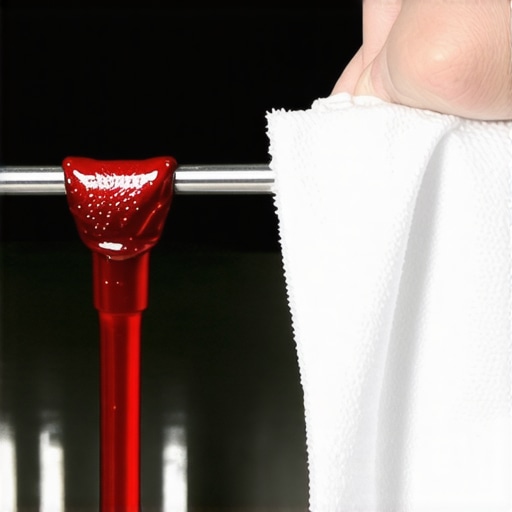
Decide if your transmission is failing or just confused
Not every hard shift is a mechanical disaster. Modern cars rely on ‘solenoids’—which are basically little electronic gates that open and close to let fluid flow through the gears. When these get hot, the copper wiring inside can expand and short out. This is when you start noticing the specific smell of a failing transmission solenoid, which often accompanies a ‘Limp Mode’ or a sudden jerk. To save yourself thousands, you must learn how to tell if your transmission slip is mechanical or electronic. I remember helping a neighbor who was convinced he needed a $4,000 rebuild. We plugged in a scanner and saw his transmission fluid temperature was hitting 240 degrees because his auxiliary cooler was clogged with road debris. A simple cleaning and a fluid swap saved his car and his bank account.
The live drive reveals what the scan tool misses
If you take your car for a choosing the right car service for your vehicles needs, make sure they perform a ‘live drive’ diagnostic. A static scan in a parking lot won’t show the pressure drops that happen right before a gear change. You need to see the data as it happens. Often, the intermittent transmission shudder that only surfaces during a live drive is the key to identifying a bad torque converter or a glitchy throttle position sensor. When I was first learning the ropes, I ignored a slight delay in my upshift. I thought it was just ‘old car charm.’ It wasn’t. It was the first sign of transmission troubles that eventually led to me being stranded in a parking lot. If you want to know how to get more miles out of your fleets transmission or even your personal daily driver, you have to be proactive about heat management. Check your cooling system, ensure your radiator isn’t clogged, and never assume a ‘sealed for life’ transmission actually means you should never change the oil.
The sealed for life lie is killing your car
If you have ever been told your transmission is ‘sealed for life,’ you have been handed a marketing brochure, not a maintenance plan. In my experience, this is the most dangerous myth in the automotive world. I’ve seen countless owners ignore their gearboxes for 100,000 miles because the manual said they didn’t need to worry about it, only to end up with a car that bangs into gear like a sledgehammer once the engine gets hot. The truth is that no fluid is immortal. According to research by SAE International, automatic transmission fluid (ATF) loses its essential lubricating properties and viscosity stability when exposed to the sustained high temperatures of modern driving. When that fluid breaks down, it stops protecting the internal seals, which eventually harden and leak. If you want to avoid a total rebuild, you need to ignore the ‘lifetime’ label and stick to a real-world service interval.
Why do manufacturers claim fluid lasts forever if heat destroys it?
It comes down to the ‘cost of ownership’ metrics. Car brands want to show that their vehicles are low-maintenance for the first few years. But as a seasoned gearhead, I can tell you that why regular oil changes extend your cars lifespan is the same logic that applies to your transmission—fresh fluid is always cheaper than a fresh engine or gearbox. I once met a driver who thought he was being proactive by topping off his own fluids, but he fell into the classic ‘oops’ factor: the danger of overfilling your engine oil by just one quart can actually lead to aeration, which causes the oil to foam and lose its ability to cool the system. The same thing happens in your transmission. If you overfill it, or use a generic fluid that doesn’t meet the exact friction coefficients required by your car, you are essentially cooking your clutches from the inside out.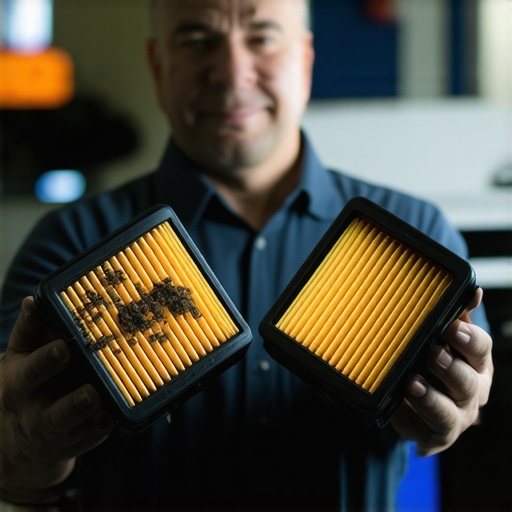
Does your mechanic actually know how to test a hot gearbox?
Just because a shop has a sign out front doesn’t mean they are specialists. I’ve had readers tell me their mechanic ‘couldn’t find anything wrong’ because they only tested the car while it was cold. When you are choosing the right car service for your vehicles needs, you have to insist on a technician who understands thermal expansion. While what does an ase certification mean for your cars maintenance is a great indicator of foundational knowledge, a true professional knows that a hard shift after 30 minutes of driving usually points to a pressure loss in the valve body, not just a ‘glitch.’ Also, be wary of the ‘filter skip.’ Some shops will drain the fluid but won’t drop the pan because it’s messy or time-consuming. You must know how to tell if your mechanic actually replaced the transmission filter, because a clogged filter will starve the system of pressure exactly when the fluid thins out from the heat. Even something as seemingly unrelated as the hidden cost of using non-oem oil filters on your turbo can reflect a shop’s overall philosophy on parts quality. If they cut corners on your oil filter, they are definitely cutting corners on your transmission service. Have you ever fallen into the ‘lifetime fluid’ trap and paid the price later? Let me know in the comments below.
I have spent a lot of time under car hoods, and if there is one thing I have learned, it is that you cannot manage what you do not measure. When my old sedan started that violent clunking, I did not just start throwing parts at it. I grabbed my OBDII scanner—specifically one that reads manufacturer-specific codes—and went for a drive. Most cheap scanners only tell you why a Check Engine light is on, but to solve a hot-shift issue, you need to see the transmission control module (TCM) data in real-time. I personally use an Autel unit because it allows me to monitor the ‘solenoid duty cycle.’ This shows me exactly how hard the computer is working to keep the shifts smooth. If you see that duty cycle spiking as the temperature rises, you know the fluid is losing its grip. This is one of those the specific engine glitches that stay hidden until you perform a live drive diagnostic until you actually put the car under load.

Beyond the tech, I also started looking at the hardware. For anyone serious about how to get more miles out of your fleets transmission, an external transmission cooler is the best $100 you will ever spend. I installed one on my truck after a particularly brutal summer, and it dropped my operating temps by nearly 30 degrees. This is vital because heat is a cumulative killer. Every time your fluid hits 240 degrees, you are cutting its lifespan in half. According to the official ZF Aftermarket service documentation, while many manufacturers claim a ‘lifetime fill,’ the actual gearbox manufacturer recommends a fluid and filter change every 50,000 to 70,000 miles to prevent the exact ‘banging’ issues we have been discussing. Ignoring this is just as bad as skipping your engine’s care; we all know why regular oil changes extend your cars lifespan, yet we treat the transmission like a secondary thought.
How can I keep my transmission shifting smooth for the next decade?
The secret is consistency and high-quality components. When you are choosing the right car service for your vehicles needs, ask if they use OEM-equivalent fluid. Many shops use a ‘universal’ ATF with a friction modifier additive. In my experience, these additives eventually break down under high heat, leading to that dreaded late-summer jerkiness. I always tell people to check their service records for a specific mention of the filter. If you saw the reason your transmission fluid turned brown in just six months, it is almost always because the filter was bypassed or the system was already too far gone. Looking toward the future, we are seeing a massive shift toward 9 and 10-speed transmissions. These units are incredibly sensitive to fluid levels. Even being half a quart off can cause the whole system to freak out. I predict that within five years, DIY fluid checks will be almost impossible without specialized software, making the role of what does an ase certification mean for your cars maintenance even more critical for the average driver. My advice? Get a high-quality scanner now and learn your car’s baseline temperature before the summer heat hits. If you notice the temp creeping up more than usual, don’t wait for the bang—change that fluid immediately.
Hard Truths I Learned While Chasing Transmission Ghosts
After years of dealing with gearboxes that seemed to have a mind of their own, I have realized that most failures are actually just neglected warnings. One major revelation was that the mistake that kills transmissions during heavy mountain towing is often the same one that kills them in city traffic: assuming the cooling system can handle it without help. Another lightbulb moment? Realizing that why yumas desert heat makes standard oil changes risky for diesel engines also applies to your transmission fluid; standard fluids simply are not built for extreme thermal stress. Trust your senses; if it smells burnt, it is burnt. Don not wait for a computer to tell you what your nose already knows.
The Gear That Keeps My Garage Moving
If you want to move beyond guessing and start fixing, you need the right tools. I never leave home without a bidirectional scan tool that can monitor real-time transmission temperatures. Beyond the hardware, I highly recommend keeping a detailed log of your fluid changes. I also follow top oil change tips for safe driving in 2025 to ensure my entire powertrain stays synchronized. Finally, the ATSG (Automatic Transmission Service Group) manuals are the gold standard for anyone who wants to understand the hydraulic logic inside their car. These resources turned me from a worried driver into a confident owner who knows exactly why that clunk is happening.
Stop Fearing the Bang and Start Driving Again
Taking care of your transmission does not have to be a source of constant anxiety. By being proactive and staying on top of your car service needs, you can easily double the life of your vehicle. Remember that a hard shift is usually just a request for a fresh start. Don not let a little heat ruin your relationship with your car. Stay curious, stay mechanical, and utilize the secret to keeping your engine clean internally between changes to keep the whole machine happy. Have you ever felt your car jerk specifically after a long highway drive? Let me know your experience in the comments below!