The Simple Way to Remove Pet Hair from Car Carpets Without a Shop Vac
I remember the exact moment I realized my sedan had transitioned from a vehicle to a mobile kennel. It was a Tuesday morning, I was wearing my favorite dark suit for a meeting, and I hopped into the driver’s seat only to emerge looking like I’d been hugged by a polar bear. My Golden Retriever, Cooper, is a ‘good boy,’ but his fur has a supernatural ability to weave itself into the very fibers of car carpets. I didn’t own a fancy shop vac at the time, and my little cordless hand vacuum was about as useful as a toothpick in a hurricane. I spent three hours that afternoon sweating in the driveway, and I barely made a dent. It was humiliating and honestly, a bit gross. If you have ever felt that sinking feeling when a passenger looks at your passenger seat with visible hesitation, this is for you. Today, I’m going to show you how to win the war against fur using nothing but a few household items and a bit of elbow grease.
The Day My Sedan Became a Fur-Coated Nightmare
When I first started trying to keep my car clean, I made the classic rookie mistake of thinking a standard lint roller would save me. I went through an entire sixty-sheet roll in about five minutes, and the carpet still looked like a forest. I even considered taking it in for hi-def detailing just to let someone else deal with the mess, but my pride (and my wallet) wouldn’t allow it. The truth is, pet hair has microscopic barbs that hook into the looped pile of automotive carpeting. Simply pulling at it with suction often isn’t enough, especially if your vacuum lacks the raw power of a professional unit. It’s not just about aesthetics either; pet dander can get sucked into your ventilation system, leading to that ‘wet dog’ smell every time you turn on the heater. If you have noticed that your air conditioning vents smell a bit funky, a hidden layer of hair might be the culprit.
Can you actually clean this mess without a fancy vacuum?
You might be skeptical. We have been told by every car commercial that we need a 6-horsepower wet/dry vac to get a clean interior. But I am here to tell you that friction is actually more important than suction. Have you ever tried to pull a piece of tape off a sweater? It’s the same principle. We need to break the static bond and the physical hook of the hair before we even think about picking it up. During my early trials, I even worried that scrubbing too hard would ruin the carpet texture, much like how summer heat ruins leather seats, but car carpets are surprisingly resilient if you use the right ‘agitators.’
Why Standard Vacuuming Usually Fails the Pet Hair Test
Most household vacuums are designed for the flat, open surfaces of a living room rug, not the tight corners and stubborn synthetic fibers of a car’s footwell. According to the Professional Decal Application Alliance (PDAA), the static electricity generated by the movement of passengers in a car actually helps ‘lock’ hair into synthetic fabrics. This is why you can vacuum for an hour and still see those little silver strands staring back at you. I’ve found that the best approach involves ‘gathering’ rather than ‘sucking.’ By using items like rubber gloves or a simple squeegee, you can clump the hair together into manageable piles. It’s a bit like choosing the right car service; you have to match the tool to the specific job. Have you ever found a ‘magic’ trick for pet hair that actually worked, or are you still struggling with a lint-covered interior? Let me know, because I’ve tried them all—from balloons to pumice stones—and I’m ready to dive into the ones that actually move the needle.
Grab Your Kitchen Gloves and Start Scrubbing
The first thing you need to realize is that suction is your last step, not your first. If you try to vacuum first, you are just fighting a losing battle against static electricity. Instead, head to your kitchen and grab a pair of those thick, yellow rubber dishwashing gloves. Put them on and run your hand over the carpet in one direction. The rubber creates a massive amount of friction and a slight static charge that actually pulls the hair out of the fibers and rolls it into neat little ‘fur logs.’ I remember one Saturday morning I tried to use a balloon for this—I’d heard it creates static. Halfway through, the balloon popped, scaring Cooper half to death, and I ended up with hair stuck to my forehead and glasses instead of the carpet. It was a mess. The gloves are much more dignified. If you want results that rival the benefit of using steam to clean your fleets interior, you have to start with this manual agitation. It’s the same level of care you’d expect when asking what does an ASE certification mean for your cars maintenance—it is about using the right tool for the specific material.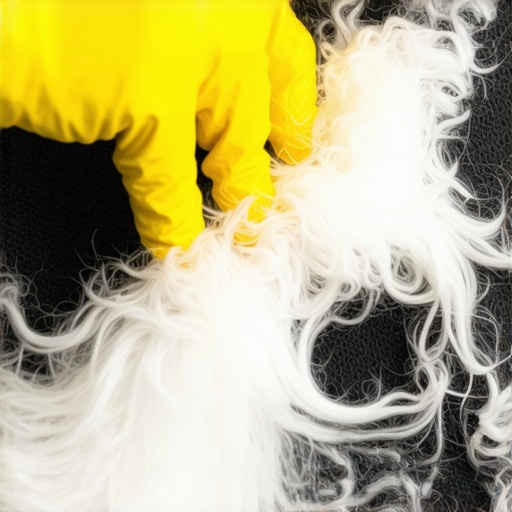
Break the Static Bond with a Simple Spray
If the hair is particularly ‘stubborn,’ it is likely because the air is dry and the static bond is high. To combat this, mix a teaspoon of liquid fabric softener with water in a spray bottle. Lightly mist the carpet—do not soak it. The softener neutralizes the static and helps the hair slide out of the carpet pile. This is a pro-level hack that makes the ‘fur log’ method ten times faster. Neglecting the chemistry of your car’s interior is a mistake; it is just as important as knowing top oil change tips for safe driving in 2025. If you leave that hair to rot in the fibers, you’ll eventually get a musk that is almost as hard to get rid of as the scent when why your engine oil smells like raw gasoline after a short trip.
The Squeegee Isn’t Just for Your Windshield
Once you’ve sprayed your mixture, take a handheld window squeegee—the kind with the rubber blade—and drag it across the floor mats. You will be horrified (and satisfied) by the amount of hair that suddenly appears. It’s like magic. I once did this in my brother’s old truck, and we pulled out enough hair to build a second dog. He hadn’t cleaned it in years, and the hair was so deeply embedded it looked like part of the fabric. Just like learning how to restore headlights that have turned yellow and hazy, this process requires patience and repetitive motion. Work in small sections, dragging the squeegee toward you, and then pick up the resulting clumps by hand. Only after you have cleared 90% of the visible hair should you bring in the vacuum to finish the job. This ensures you aren’t clogging your filters or just moving the hair around. Focus on the ‘cracks’ where the seat meets the floor; that is where the dander hides and where the smells truly live.
Cleaning your interior is one thing, but if you are obsessing over pet hair while ignoring what is under the hood, your priorities might be slightly skewed. I have spent years around shops, and I have seen the same mistakes repeated by people who think they are being ‘extra careful.’ For instance, the biggest myth that still persists is the 3,000-mile oil change rule. While it was standard in 1985, modern synthetic oils are engineered to last much longer. The Society of Automotive Engineers (SAE) has published numerous studies showing that draining high-quality synthetic oil too early doesn’t actually provide additional protection; it just creates more waste. If you are following top oil change tips for safe driving in 2025, you know that your driving habits and engine design matter more than a generic number on a window sticker.

The High Cost of Over-Maintaining Your Vehicle
The ‘Oops’ factor often comes from the ‘more is better’ philosophy. I have seen owners add extra oil to ‘top it off’ for a long trip, only to end up with a foaming mess in the crankcase. There is a real danger of overfilling your engine oil by just one quart because it can lead to oil aeration, which actually starves your engine of lubrication. It is the same logic with components; saving five dollars on a filter can lead to the hidden cost of using non-oem oil filters on your turbo. These tiny internal components are what stand between you and a five-figure repair bill. Precision is always better than abundance when it comes to automotive fluids and filtration.
Is an ASE certification enough to trust your mechanic?
Many drivers see that blue seal and assume they are in the hands of a master technician. While the tests are rigorous, certification is only a baseline of theoretical knowledge. You need to know what does an ASE certification mean for your cars maintenance versus years of hands-on experience with your specific make and model. Always look for a shop that balances technical knowledge with transparent communication. Don’t be afraid to learn how to spot a fake ase certification at a local shop, as unfortunately, some places will hang old signs to project authority they haven’t earned recently.
Stop Ignoring the Nuances of Your Gearbox
When it comes to transmission troubles expert insights for smooth shifting, expertise is non-negotiable because one wrong diagnostic call can cost you thousands. People often mistake a simple electronic sensor failure for a mechanical meltdown. This is where choosing the right car service becomes a life-saving skill for your wallet. A specialist will look at the data before they ever touch a wrench. Have you ever fallen into the trap of over-maintaining your car or trusting a shop sign that wasn’t quite right? Let me know in the comments because your stories help others avoid the same expensive headaches.
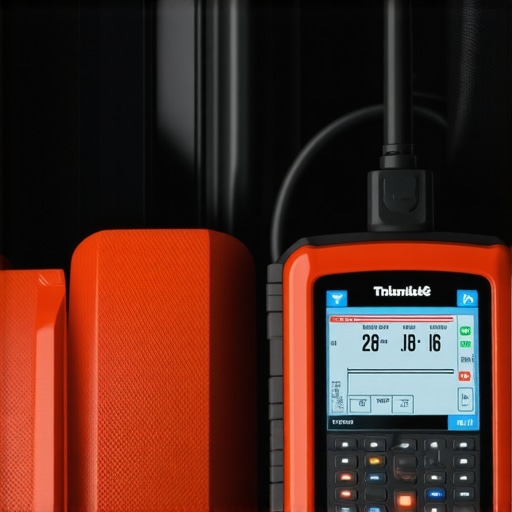
I’ve spent a lot of time talking about the cosmetic battle against pet hair, but the mechanical ‘hair’ lurking in your engine—things like sludge and microscopic metal shavings—is what actually ends a vehicle’s life. I personally swear by my Foxwell NT510 Elite diagnostic scanner. I don’t just pull it out when a dashboard light starts blinking; I use it to monitor live data streams while I drive. This high-level oversight is exactly how you determine if a transmission slip is mechanical or electronic before a shop convinces you to pay for a full rebuild you might not actually need. Having this data in your pocket changes the dynamic of every repair conversation.
Why a High-End Diagnostic Scanner is My Favorite Tool
Most people think a scanner is just for clearing codes, but for me, it is a window into the car’s soul. When I was troubleshooting an intermittent lurch in my own SUV, the scanner revealed a lazy oxygen sensor that was technically ‘within range’ but performing poorly enough to ruin my fuel economy. According to technical documentation from the Automatic Transmission Rebuilders Association (ATRA), nearly 90% of all automatic transmission failures are attributed to heat and fluid degradation rather than pure mechanical breakage. By using a tool to monitor real-time transmission temperatures, I can see when my gearbox is struggling during mountain climbs and adjust my speed accordingly. This level of proactive care is a huge part of transmission troubles expert insights for smooth shifting that the average driver simply misses.
How do I keep my car running like new for decades?
The secret to extreme longevity isn’t just blindly following the owner’s manual; it is about staying ahead of the wear curve through observation. For instance, the reason why regular oil changes extend your cars lifespan isn’t just the fresh lubricant; it is the fact that a skilled eye is looking at your CV boots and brake lines every five thousand miles. If you truly want to know how to get more miles out of your fleets transmission, you have to ignore the ‘lifetime fluid’ marketing and perform regular exchanges. I have helped friends save thousands by simply identifying that their transmission fluid turned brown in just six months, indicating a cooling issue rather than a mechanical failure. This is why choosing the right car service matters; you need a partner who understands these nuances.
Predictive Technology Will Soon Replace the Guesswork
Looking ahead, I predict that within the next decade, physical dipsticks will vanish entirely from consumer vehicles. We are moving toward a future where AI-driven telematics will text your phone to alert you of a failing solenoid weeks before you feel a single shudder. While this technology is exciting, it also makes it harder for the DIY enthusiast. This shift is why understanding what does an ASE certification mean for your cars maintenance is becoming more critical—you need technicians who are as comfortable with a laptop as they are with a torque wrench. My advice? This weekend, take five minutes to pull your transmission dipstick and wipe it on a clean white paper towel. If it isn’t bright pink or red, you have a story to tell your mechanic before it becomes a crisis.
The Hardest Lesson I Learned About Trusting the Blue Seal
After years of detailing my own cars and chatting with pros in the shop, I realized that a clean interior is just the gateway drug to a healthy engine. One of the biggest lightbulb moments for me was realizing that knowledge is your best defense against high repair bills. I used to think that a shop’s logo was a guarantee of quality, but I soon learned why knowing what does an ASE certification mean for your cars maintenance is crucial. It’s a standard of knowledge, but you still need to be the advocate for your vehicle’s specific needs. I also learned the hard way that skipping simple tasks leads to catastrophic failures. For instance, understanding why regular oil changes extend your cars lifespan is about more than just keeping things slippery; it’s about removing the contaminants that act like sandpaper on your internal components. Don’t just focus on the fur you can see; focus on the microscopic grit you can’t.
My Personal Toolkit for a Lifetime of Smooth Driving
If you want to move beyond basic cleaning and start truly maintaining your vehicle, you need a curated set of tools that offer high value without breaking the bank. First, keep those rubber gloves and a squeegee in your trunk; they are the ultimate low-tech solution for pet hair emergencies. Second, invest in a mid-range diagnostic scanner like the Foxwell NT510. It’s the single best way to avoid being overcharged when choosing the right car service. Finally, I always recommend keeping a logbook of your service history. When you can show a buyer or a mechanic exactly when your fluid was swapped, you gain instant credibility and protect your car’s resale value. Also, be vigilant when sourcing parts online; you must know how to spot a counterfeit oil filter before it ruins your turbo, as the market is currently flooded with high-quality-looking fakes.
Take Control of Your Vehicles Longevity Today
Your car is likely one of the biggest investments you’ll ever make, and taking care of it shouldn’t feel like a chore. Whether you are scrubbing out stubborn Golden Retriever fur or staying ahead of transmission troubles with expert insights for smooth shifting, the goal is the same: pride of ownership and peace of mind on the road. Don’t be afraid to get your hands dirty this weekend. Start with the small stuff, like the rubber glove trick, and work your way up to more complex maintenance. Every small win builds the confidence you need to keep your car running like new for decades to come. Have you ever discovered a weird car maintenance ‘life hack’ that actually worked better than the professional tools? Let me know in the comments below!