The Risk of Using ‘Stop Leak’ Additives in Your Cooling System
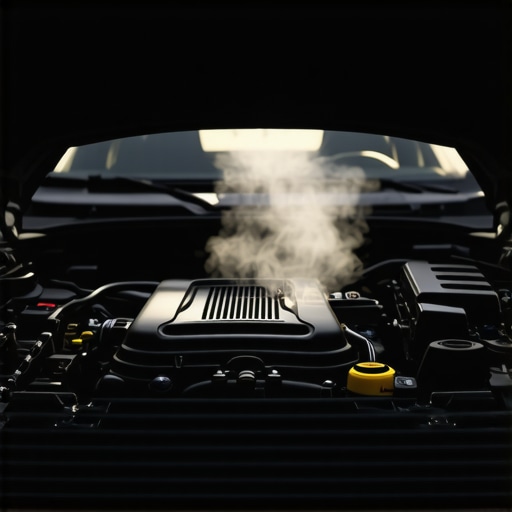
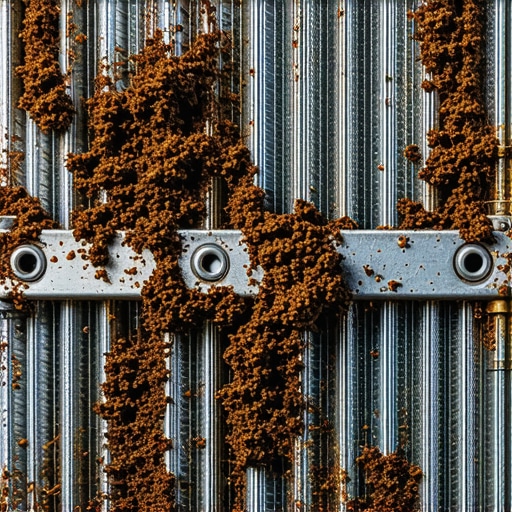
I stood there in the flickering light of my garage, the smell of sweet maple syrup wafting from under the hood of my old truck. It was a classic low-coolant situation, and I had a 300-mile drive ahead of me the next morning. Instead of doing the right thing—finding the actual source of the leak—I reached for a bottle of stop-leak additive I’d bought on a whim. It felt like the ultimate shortcut. Pour it in, let it circulate, and let the chemicals work their magic. I felt like a pro until, six months later, my cabin heater stopped working entirely and my temperature gauge started dancing near the red zone. I had effectively sealed my radiator, but I had also sealed my heater core and half the narrow passages in my engine block.
The Day My Quick Fix Turned Into a Nightmare
We’ve all been in that spot where a sudden repair bill feels like a punch to the gut. It is why those miracle in a bottle products fly off the shelves at every auto parts store. But here is the reality I learned through a very expensive lesson: your cooling system isn’t just a big tank of water; it is a precision-engineered network of tiny capillaries. When you dump a thickening agent into that system, it does not have a GPS. It does not know to only stick to the hole in your radiator. It sticks to everything. It is a bit like trying to fix a leaky pipe in your house by pouring concrete down the drain. Sure, the leak might stop, but so does the flow. If you have ever wondered why your engine coolant looks like murky coffee, it is often because of these types of additives reacting poorly with the existing fluid.
Is a $10 bottle of sealant really going to ruin my engine?
The skepticism is fair. You see the testimonials, and you think, “It worked for my cousin’s Jeep!” But modern engines, especially those designed in the last decade, have radiator tubes that are incredibly narrow. Many modern radiators feature cooling tubes less than 1.5mm wide, which is barely the thickness of a penny. When I made my mistake, I did not realize that the sealant was actually a mix of metallic particles and organic fibers that clumped together in the highest heat areas—usually the spots where you need flow the most. If you are experiencing transmission troubles because of heat exchange issues, the problem might be deeper than you think.
Why These Gunk-Filled Bottles Are a Mechanic’s Worst Enemy
If you take your car to someone who is ASE certified, the first thing they will do is check the consistency of your coolant. When they see that gritty, sludge-like texture typical of stop-leak products, they know they are in for a long day. It is not just about the radiator anymore; it is about the water pump, the thermostat, and the engine’s internal jackets. Have you ever noticed why your engine temp spikes only when you are stopped? That is often a sign of poor flow, which can be the result of a partially blocked radiator caused by a quick fix gone wrong. Today, I am going to show you why a proper car service is the only way to handle a leak, and how to identify the real culprit before you reach for the goop. Have you ever used one of these additives and regretted it later?Instead of reaching for the chemical ‘band-aid’, you need to start with your senses. If you smell that sugary, syrupy scent inside the cabin, you are likely dealing with a heater core leak rather than a radiator issue. I remember spending a frantic Saturday afternoon under my dashboard because I ignored that specific smell for weeks, thinking it was just a leftover spill. By the time I checked, my carpet was soaked. Identifying the location is the first actionable step. If the puddle is near the front, it is the radiator or water pump; if it is dripping from the back of the engine, check your heater hoses.
Chase the Sugary Scent to Its Source
Once you have a general idea of the location, you have to get a cooling system pressure tester. You can rent these at most auto parts stores. It is essentially a hand pump with a gauge that attaches where your radiator cap goes. When the engine is cold, you pump it up to the pressure rating listed on your cap—usually around 15 or 16 psi. This mimics the pressure of a hot engine without the danger of 220-degree fluid spraying in your face. This is exactly how a technician who is ASE certified diagnoses a leak accurately. While the system is pressurized, grab a high-lumen flashlight and follow every hose. 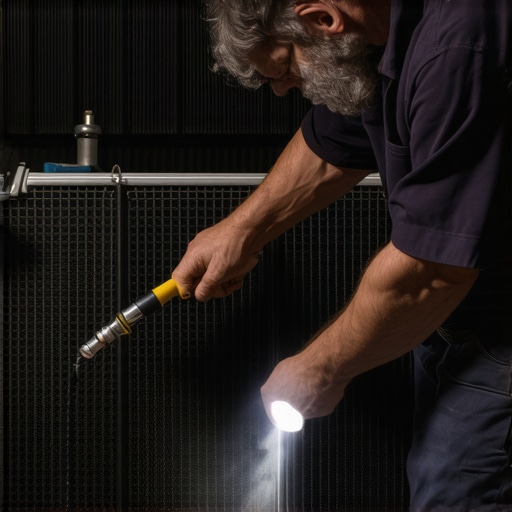
Pressure Testing is the Only Real Diagnostic
I once helped a neighbor who was convinced his head gasket was blown because his car was overheating and the coolant looked like murky coffee. He was ready to scrap the car. We hooked up a pressure tester and found a tiny pinhole leak in a bypass hose that was only spraying when the car hit full operating temperature. A $12 hose and a fresh car service to flush the system saved him from a multi-thousand dollar mistake. If you see bubbles or fluid escaping during this test, you have found your culprit. No chemicals required.
Flush Out the Chemicals Before They Set
If you have already made the mistake of using a stop-leak product, your priority is to get it out before it hardens in your heater core. You need a back-flush. This involves disconnecting the heater hoses and running water in the opposite direction of normal flow. You would be shocked at the amount of gritty, metallic sediment that comes out. This sediment is a silent killer for your drivetrain; high engine temps lead directly to transmission troubles because the transmission fluid cooler is often integrated into the radiator. If the radiator is clogged with ‘leak-stop’ goop, your transmission is essentially being slow-cooked.
Why Professional Maintenance Trumps the Quick Fix
While you are under the hood, it is the perfect time to check your other fluids. High heat from a failing cooling system thins out your motor oil, making a routine oil change even more critical after an overheating event. If your engine has been running hot, the oil has likely oxidized and lost its lubricating properties. Following top oil change tips ensures that while you are fixing the leak, you aren’t leaving the rest of the engine vulnerable. Always replace the radiator cap after a leak repair; a weak spring in the cap is a common reason why your engine temp spikes only when you are stopped, as it fails to maintain the pressure needed to keep the coolant from boiling.
Your High-Mileage Transmission Might Hate Fresh Fluid
Most drivers believe that a fluid flush is the ultimate cure for any hesitation or hard shifting. In reality, if you have neglected your maintenance for years, a high-pressure flush can be the fastest way to the junkyard. New transmission fluid is packed with fresh detergents. In a worn system, these chemicals can strip away the vital friction material that is actually keeping your old clutch plates from slipping. It is a classic ‘oops’ factor: you think you are helping, but you are actually removing the only thing keeping the gears turning. This is why transmission troubles often escalate immediately after a service if the technician is not careful. If you have noticed the reason your transmission fluid turned brown in just six months, it is usually a sign of extreme heat or internal wear that a simple fluid swap will not fix.
Can a minor radiator leak actually kill your transmission?
It sounds like a stretch, but because many cars use an integrated cooler inside the radiator, a leak can lead to cross-contamination or a silent drop in fluid levels. You might find why your transmission fluid level is low but there’s no puddle because the fluid is being lost internally or burnt off due to the lack of cooling. According to studies by the Car Care Council, cooling system failure remains a leading cause of mechanical breakdown, and that includes the secondary damage done to the drivetrain. When you are choosing the right car service, ask if they check for ‘strawberry milkshake’—the dreaded mix of coolant and transmission fluid that spells disaster. 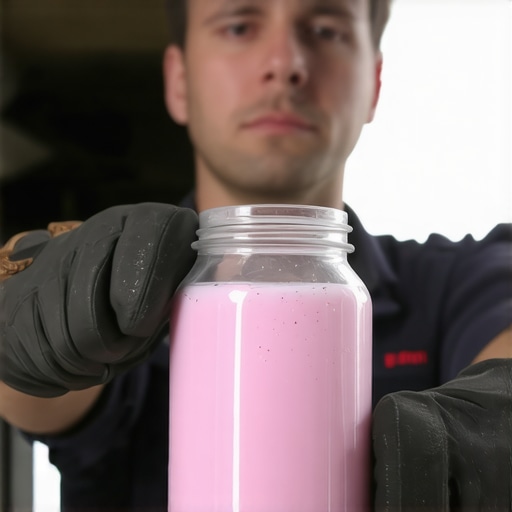
The Hidden Link Between Coolant and Oil Quality
We often treat engine systems as silos, but they are deeply interconnected. When I ignored my leak, the resulting heat did not just threaten the radiator; it chemically altered my engine oil. High temperatures cause oil to oxidize and thin out, which is why a post-overheat oil change is non-negotiable. Even if the oil looks okay on the dipstick, its molecular structure is likely compromised. Following top oil change tips means understanding that ‘normal’ intervals do not apply after a thermal event. A tech who is truly ASE certified will tell you that heat is the common enemy of every fluid in your car. Have you ever fallen into the trap of doing a flush only to have things get worse? Let me know in the comments below.To avoid the chemical traps I fell into, I had to change my entire approach to maintenance. I stopped relying on the ‘it looks fine’ eyeball test and started using professional-grade data. If you really want to stay ahead of transmission troubles, you need a handheld infrared thermometer. I use a Fluke 62 Max, but even a basic model lets you scan the surface of your radiator while the car is running. If you see a 20-degree drop in temperature in one specific corner of the radiator fins, you’ve found a internal clog that no flush will ever fully clear. This is the kind of diagnostic precision you get when you are ASE certified or at least thinking like someone who is. It’s the difference between replacing a $150 radiator now or a $4,000 engine later.
Stop Relying on the Dipstick Alone
The second tool in my kit is a digital refractometer. Most people use those cheap plastic float testers for their coolant, but they are notoriously inaccurate. A refractometer measures how light bends through the fluid to give you an exact freezing and boiling point. It’s also how I caught a client’s car that was showing signs of early electrolysis, which is when your coolant becomes electrically charged and starts eating your engine from the inside out. When choosing the right car service, ask them if they test for voltage in the coolant. If they look at you like you have three heads, find a new shop. According to technical standards set by the Society of Automotive Engineers (SAE) in document J306, the viscosity and chemical stability of lubricants are non-negotiable for component longevity. 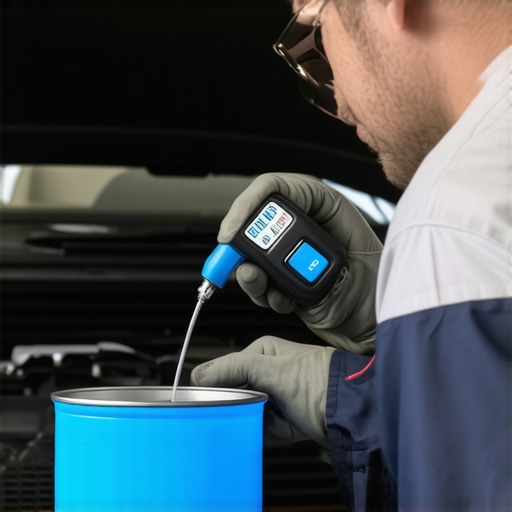
How do I keep my car running past the 200,000-mile mark?
The secret isn’t just doing the work; it’s the documentation and the quality of the parts. I’ve seen too many people do a DIY oil change using the cheapest filter on the shelf, only to have the anti-drainback valve fail and cause dry starts every morning. Following top oil change tips means using OEM or high-efficiency synthetic filters that can actually handle the 10,000-mile intervals modern oils promise. Also, never assume the job was done perfectly just because you paid for it. I always double-check to how to tell if your mechanic actually replaced the transmission filter by looking for fresh gasket sealer or clean bolt heads on the transmission pan. In the future, I predict we will see built-in spectroscopic sensors in oil pans that tell your phone the exact chemical breakdown of your oil in real-time, making the ‘scheduled’ service a thing of the past. For now, we have to be the sensors. My advanced tip for you this week: grab a cheap OBD-II Bluetooth adapter and download an app like Torque Pro. Set it to monitor ‘Transmission Fluid Temperature’ during your next long drive. If you see it creeping over 220 degrees, pull over and check your cooling system before the ‘goop’ becomes your only option.
The Hardest Lesson My Wallet Ever Had to Teach Me
After years of tinkering, I realized that modern cars are less like tractors and more like high-performance computers. A single bottle of miracle goop can trigger transmission troubles that cost thousands to fix because the internal cooling passages are simply too small to handle the grit. I’ve learned that a technician who is ASE certified isn’t just paying for a certificate; they are paying for the specialized knowledge of how these interconnected systems react to stress. Always remember that heat doesn’t stay in one place—it migrates from your engine to your transmission, turning your vital fluids into sludge if you aren’t careful.
Tools That Saved Me from Thousands in Repairs
To keep my vehicles running past that 200,000-mile mark, I never rely on guesswork. First, I always keep a digital refractometer in my glovebox to ensure my coolant chemistry hasn’t turned acidic. Second, I only trust high-efficiency synthetic filters during an oil change, as cheap ones are often the silent cause of engine wear. Finally, when I’m choosing the right car service, I look for shops that use live-data scanners rather than just guessing and checking with my parts. #IMAGE_PLACEHOLDER_E# These small investments in quality tools and professional expertise are what separate the cars in the junkyard from the ones still on the road.
Take the Lead on Your Vehicle’s Longevity
It is easy to feel overwhelmed by the complexity of modern engines, but you don’t have to be a master mechanic to make smart choices. By staying on top of your maintenance schedule and avoiding the allure of chemical shortcuts, you are giving your car the best chance at a long life. Whether it is a routine car service or a complex repair, your attention to detail is the most valuable part of the process. Following top oil change tips is a great place to start, but the real secret is consistency. Have you ever tried a quick fix that ended up causing more problems than it solved? Share your story in the comments below.