Why your steering feels loose after hitting a curb at low speed
Ever side-swiped a curb during a tight parking maneuver only to find your steering feels oddly loose afterward? That frustrating, unsettling sensation slipped in right after what seemed like a minor bump—and now, you’re left wondering if you’ve just damaged your beloved car. I remember the first time it happened to me; one quick hit, a slight jolt, and suddenly, my steering wheel didn’t feel quite right. It was like the car had lost some of its grip, making me question whether I’d done irrevocable damage.
What’s Going on When Your Steering Feels Off After a Curb Hit?
Here’s the deal—hitting a curb at low speeds might seem insignificant, but it can have a surprisingly big impact on your vehicle’s steering components. Most folks assume that a gentle tap can’t cause trouble, but that light contact can jar your ASE-certified trained professional to check the alignment and suspension parts, because even minor impacts can lead to misalignment, especially if there’s existing wear or a hidden crack. Trust me, I made the mistake early on of ignoring that slight looseness, and it only got worse over time—showing me that quick fixes often turn into costly repairs if neglected.
So, why does your steering suddenly feel loose after such a bump? Well, it often involves the steering linkage or the wheel alignment. Damage or misalignment in these parts can cause your steering to feel vague or unresponsive. Today, we’ll explore the common causes and what you can do about them before it becomes a safety issue.
Could it Just Be a Temporary Shift? The Big Skepticism
Many drivers dismiss these sensations as a minor realignment or a bump in the road, thinking it might self-correct. Here’s where early mistakes come into play—like I did at first, assuming everything would settle on its own. But some issues, like a bent tie rod or slightly warped wheel, won’t fix themselves. Relying on that hope can lead to uneven tire wear, poor handling, or worse. Industry data shows that ignoring steering issues after impacts can increase the risk of accidents—so don’t brush off that loose feeling just yet.
If you’ve experienced this, you’re not alone, and chances are good that with a bit of inspection and the right repair strategy, you can restore your steering’s confidence. Next, I’ll walk you through how to diagnose the problem step-by-step, so you can decide whether a visit to your trusted mechanic is needed or if a simple alignment might do the trick. Ready to regain control? Let’s dive into the specifics.
,
Inspect the Tire and Wheel for Damage
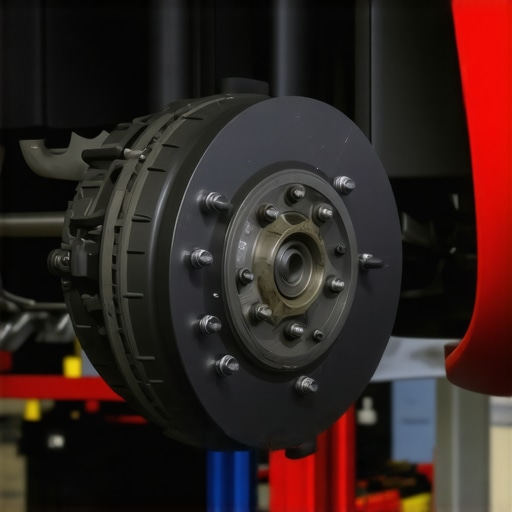
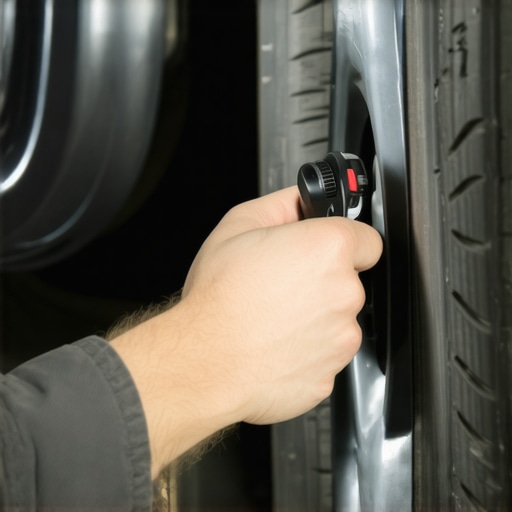
Start by visually examining your wheel and tire for visible dents, cracks, or bent rims. In my experience, a slightly warped rim can cause a vague steering feel. Remove the wheel if necessary to check for hidden damage. Remember, even a small bend can throw off your alignment, leading to that loose sensation during turns.
Check the Tire Pressure and Condition
Next, verify that your tire pressure matches the manufacturer’s recommended PSI, which you can find in your vehicle’s manual or on a sticker inside the driver’s door. Under- or over-inflated tires can mimic steering issues. Also, inspect for uneven wear or sidewall bulges. An example from my own car involved a minor impact that caused sidewall deformities, subtly affecting steering response.
Test and Feel the Steering Wheel
Drive in a straight line on a smooth road and gently turn the steering wheel left and right within a small arc. Notice if the steering feels loose, binds, or has excessive play. I once did this test after hitting a curb and found the wheel had about an inch of free play—indicating a possible tie rod issue. This simple test helps pinpoint if the problem is mechanical or alignment-related.
Perform a Visual Inspection of Suspension Components
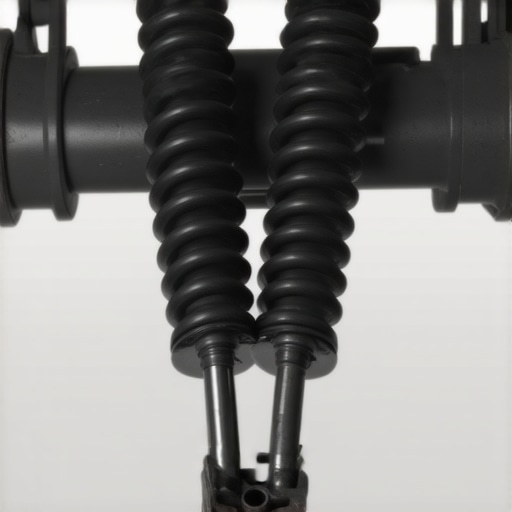
Lift the front end using a jack and secure it with jack stands. Visually examine the tie rods, control arms, and the steering linkage for bent, cracked, or worn parts. Use a flashlight to look for fluid leaks from power steering hoses or damaged boots. During my inspection, I discovered a torn boot on the outer tie rod, which could have led to steering looseness if left unaddressed.
Check the Power Steering Fluid Level
Open the hood and locate the power steering fluid reservoir. Ensure the fluid level is within the recommended range. If it’s low, top it up with the correct type specified in your owner’s manual. A sudden drop might indicate a leak or failing pump, both of which can cause steering vagueness. I added fluid to a vehicle with a slow leak, which temporarily improved steering feel but required further repair.
Assess Wheel Alignment
If the above steps reveal no apparent damage, schedule a professional wheel alignment. Misalignment from hitting a curb often manifests as the steering wheel not centering or pulling to one side. During a personal visit to an ASE-certified shop, my alignment was off by a few degrees, leading to loose steering; fixing it restored my confidence behind the wheel.
Consider the Steering Rack and Bushings
If the wheel, tire, and alignment checks are OK, but the loose feeling remains, examine the steering rack and bushings for play or wear. These components are crucial for precise steering. Sometimes, worn bushings can cause excess movement, which a certified mechanic can diagnose thoroughly.
Prevent Future Damage and Maintain Smooth Operation
To avoid repeat issues, regularly check your suspension and steering components, especially after impacts. Use quality lubricants and follow the recommended maintenance schedule for your vehicle. For more insights on maintaining your vehicle efficiently, see how regular oil changes extend your car’s lifespan. Proper maintenance not only improves safety but also keeps your steering responsive and predictable.
 Many drivers believe that an ASE certification alone guarantees top-quality vehicle maintenance, but there are nuances that often go unnoticed. While ASE technicians are trained and tested for technical knowledge, the certification doesn’t automatically mean that every service is performed with the latest techniques or tailored to your specific vehicle needs. A common misconception is that simply choosing an ASE-certified shop ensures your car is receiving comprehensive care; however, shops can vary significantly in standards, tools, and attention to detail. It’s crucial to ask detailed questions about the service procedures to ensure you’re not just paying for a badge but for expert, customized support.
Another overlooked aspect involves transmission repairs and oil changes. Many assume these are routine, straightforward tasks, but they carry intricacies that can be missed if only superficial checks are performed. For instance, with transmission maintenance, neglecting to inspect the transmission fluid for contamination or wear can lead to hidden problems later—such as slipping gears or complete failure. This is why expert insights emphasize the importance of comprehensive diagnostics beyond the standard fluid change.
A significant trap to avoid in car maintenance is relying solely on quick-service chains for crucial repairs. While convenient, these shops often cut corners, especially in complex systems like the transmission or engine internals. An article by automotive experts highlights that improperly serviced transmissions, due to rushed fluid flushes or incorrect part replacements, can accelerate wear and lead to costly repairs—undermining the very reason for choosing certified service. Be wary of those “fast fixes,” and prioritize a trusted mechanic who performs thorough diagnostics.
So, what about oil changes? Many drivers think that a quick oil and filter swap is enough to keep their engine healthy. Yet, advanced engines today demand more vigilant maintenance—like monitoring oil quality, checking for contaminants, and making sure the right viscosity is used for your driving conditions. The difference between a generic oil change and a tailored maintenance plan can be substantial in prolonging engine life. Regularly reviewing your vehicle’s specific needs and discussing them with an experienced, certified mechanic can prevent subtle issues before they escalate.
Focusing on these nuances isn’t just about avoiding repairs; it’s about understanding that behind every certified badge, there’s a need for personal vigilance and asking the right questions. For instance, does your mechanic perform a full diagnostic check even during routine oil changes? Do they provide detailed reports on transmission fluid condition? These are the signs of a truly expert service provider.
Lastly, consider the advanced aspect of transmission diagnostics. Modern vehicles often have electronic sensors and adaptive systems that, if overlooked, can mask underlying transmission issues. A study published in the Journal of Automotive Diagnostics shows that a combination of visual inspection, fluid analysis, and electronic diagnostics significantly reduces the risk of undetected problems and ensures longevity. Becoming aware of such nuances allows you to advocate for your vehicle better and avoid unnecessary expenses.
Have you ever fallen into this trap? Let me know in the comments. Remember, being informed about the inner workings of automotive service elevates your ownership experience and saves you money in the long run.
Keep it Running with Precision Tools
Maintaining your vehicle’s health over time requires more than just intuition; it demands the right tools and methods. Personally, I rely heavily on a high-quality digital torque wrench, like the ClickType Digital Torque Wrench. It ensures that bolt tightness, especially during critical transmission repairs or oil pan reassembly, meets manufacturer specifications, preventing future leaks or component failures. Unlike basic manual wrenches, this tool provides precise torque readings, saving you from over-tightening that can warp sensitive parts.
Another indispensable device I swear by is a diagnostic scan tool, such as the BlueDriver Bluetooth Professional OBD2 Scanner. It integrates seamlessly with my smartphone and provides real-time data on engine performance, transmission codes, and sensor statuses. Regularly using a diagnostic scanner helps catch issues early—like subtle transmission slip patterns or voltage inconsistencies—before they become costly repairs.
Software Solutions for Long-Term Monitoring
Beyond physical tools, leveraging specialized software can significantly extend your vehicle’s lifespan. I recommend schedule management platforms that allow you to track maintenance intervals, including oil changes, transmission service, and inspections. These digital records help ensure timely service, which is crucial because, as experts note, neglected transmission fluid changes can lead to complex failures, as detailed in transmission maintenance guides.
How do I maintain my vehicle over time?
The key lies in consistency and precision. Setting reminders for oil changes using apps or fleet management software ensures you don’t forget vital maintenance tasks. Additionally, always perform a thorough visual inspection of belts, hoses, and fluid levels at regular intervals. Investing in quality tools like a stethoscope for vehicles enables you to detect abnormal sounds from bearings or suspension components early—saving money and enhancing safety.
Anticipating Future Trends in Car Maintenance
Looking ahead, the integration of AI-powered diagnostics and IoT-connected sensors will revolutionize the way we maintain our vehicles. Imagine a system that predicts transmission failure before symptoms appear, prompting scheduled servicing without guesswork. Staying ahead means embracing these innovations now—consider upgrading your diagnostic toolkit with emerging tech or exploring onboard diagnostic advancements.
< >To truly keep your car performing smoothly, I recommend trying out a portable vibration analyzer during routine inspections. It can detect subtle imbalances or worn-out components, especially in your drivetrain, and provide actionable insights—making sure your vehicle remains reliable mile after mile.
What I Didn’t Expect to Learn About ASE Certifications and Car Care
- Sometimes, the smallest impact can reveal underlying issues that a quick inspection might miss—reminding me that certification alone isn’t enough; real expertise shows during hands-on diagnosis.
- Regularly questioning assumptions, like thinking a slight looseness in steering is just alignment drift, has saved me from major repairs down the line—it’s about trusting your intuition backed by knowledge.
- Tools and habits matter more than badges—investing in a quality diagnostic scanner revealed hidden transmission quirks that no checklist could catch, emphasizing ongoing learning and equipment investment.
My Go-To Gear for Keeping Vehicles in Peak Condition
- A high-quality digital torque wrench ensures every bolt in transmission repairs hits the right specs, preventing future leaks and failures—trusting mechanical precision makes all the difference.
- The BlueDriver Bluetooth scanner provides real-time insights into the vehicle’s health, helping me catch issues early, especially subtle transmission slip signs or sensor errors.
- Scheduling platforms keep my maintenance on track—timely oil changes using tips from AutoFixClinic have extended engine life and improved overall trust in my vehicle’s reliability.
Seize the Moment in Your Car Maintenance Journey
Your vehicle’s health is a continuous adventure, not just a checklist. Embrace the nuances of proper ASE-certified service and dedicated tools—your car, and your safety, will thank you. Every drive is an opportunity to learn and improve, turning routine maintenance into a mastery of care. Ready to take action and become more confident behind the wheel? Start with a step today—whether it’s checking your alignment or upgrading your diagnostic tools. Your journey to reliable, safe driving begins now.
Have you ever discovered a hidden issue during a routine check? Share your experience below and let’s learn together!